Malta: When Lifestyle Premium Reprices Your Yield
Malta’s compact, sunlit lifestyle inflates prices but not yields—target Gozo or selective St Julian’s pockets for stronger returns and pair local lifestyle insights with conservative yield stress tests.
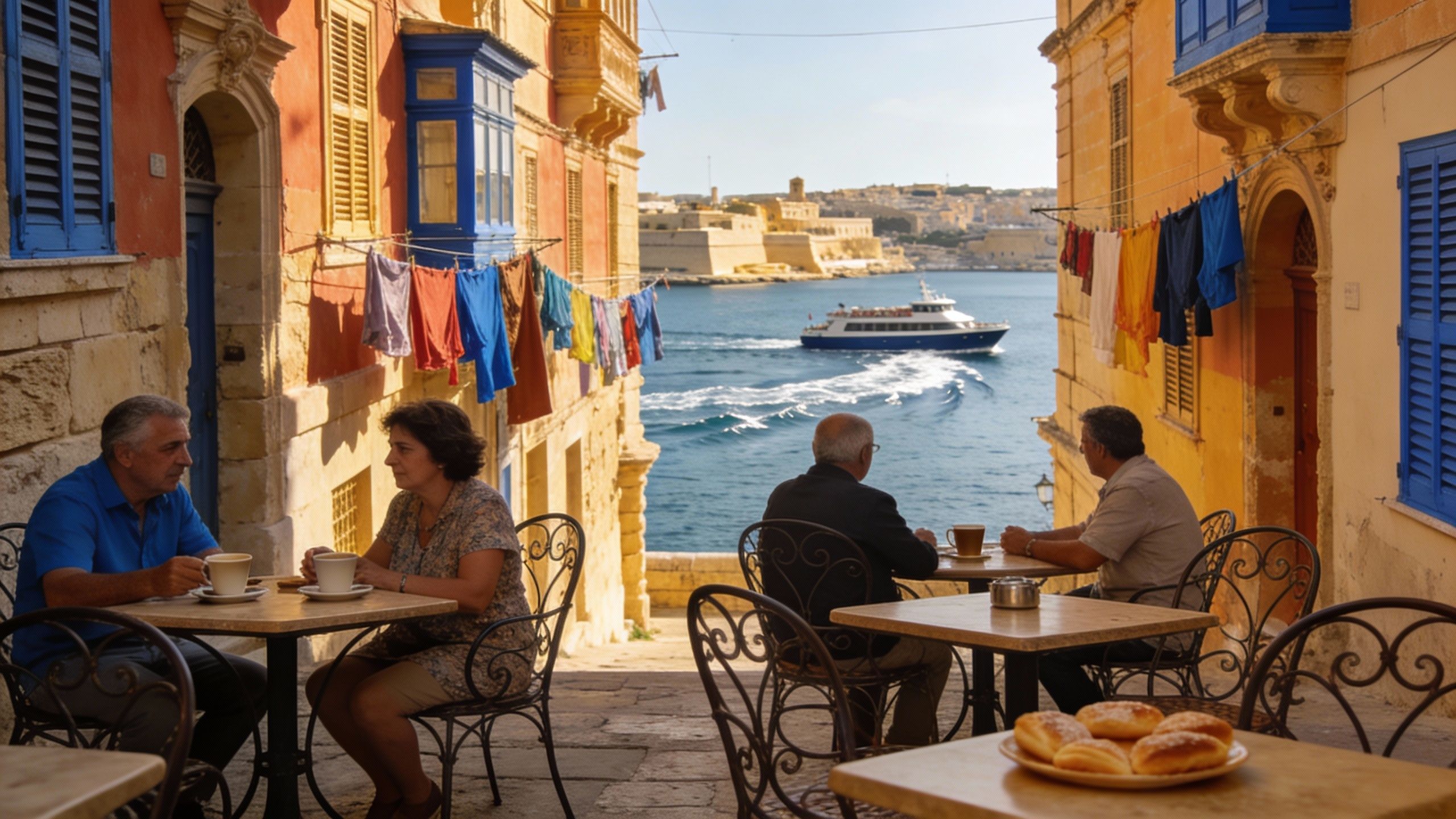
Imagine sipping espresso at a corner table on Sliema’s seafront promenade as delivery scooters glide by and limestone buildings glow honey‑gold. In Malta, every day compresses Mediterranean ritual and efficient island living: short commutes, late dinners, ferries to Gozo on weekends. That sensory rhythm is why buyers fall in love—yet the investment story is subtler than the postcards.
Living Malta: compact days, long evenings
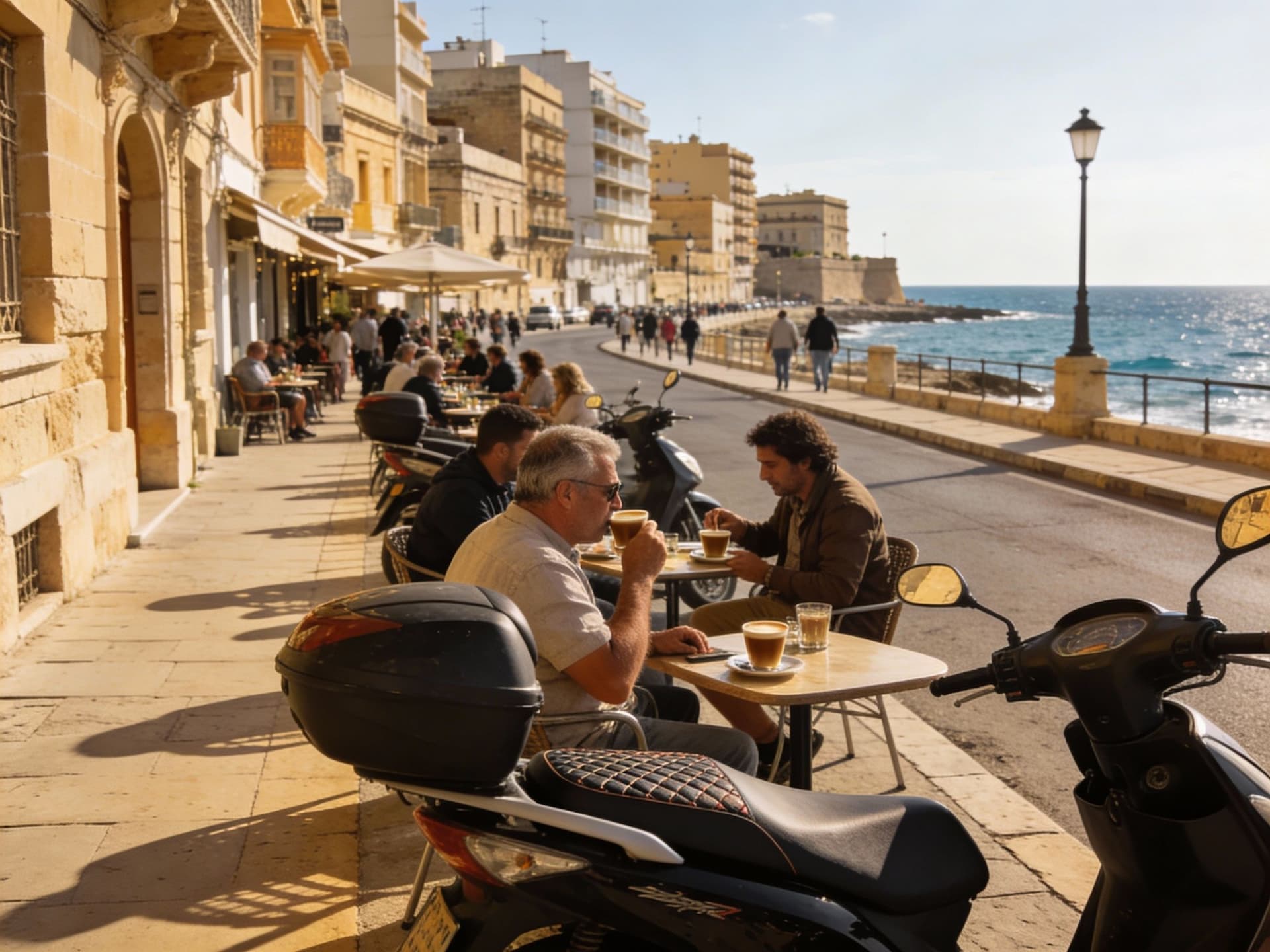
Malta feels small in the best way: a 20–40 minute drive will take you from cliffside swims to Baroque streets. That compactness concentrates amenities and tenant demand but also concentrates price movement—house price indices rose steadily into 2025, compressing obvious bargains and making location selection more consequential. Expect lively streets by day and a quieter, community pace by night.
Valletta, Sliema and St Julian’s — different flavours of the same island
Valletta delivers history: narrow streets, fortresses, a daytime steady stream of tourists and an unmistakable sense of heritage. Sliema is seafront practicality—cafés, shops, apartment blocks with balconies that face the sun. St Julian’s (and nearby Paceville) is nightlife and short‑let demand. Each area offers distinct tenant profiles: professionals and families in Sliema, tourists and corporate short‑lets in St Julian’s, and cultural‑tourist flows in Valletta.
Seasonality, climate and daily life
Winters are mild and summers busy: June to September brings peak tourism and higher short‑let rates, while October–March is calmer and where long‑term rental affordability improves. Evening culture—late dinners, festas, outdoor concerts—drives demand for well‑located terraces and air‑conditioned flats. Practical note: buyers targeting year‑round tenants should prioritise insulation, AC, and reliable internet to meet expectations.
- Lifestyle highlights
- Sliema promenade morning jogs and café culture (Tigne Point to Tower Road)
- Valletta evenings at Strait Street and seafood restaurants near the Grand Harbour
- Weekend ferry runs to Gozo — Victoria’s markets and quieter rental markets
Making the move: how lifestyle choices reprice returns

Here’s the critical tension: Malta’s lifestyle premium—sea views, walkable towns, English language—pushes prices, while gross yields remain modest. Broadly, gross rental yields hover around 3.8–4.1% depending on area, but pockets like Valletta show much lower gross yields under 2% while Gozo and some St Julian’s submarkets hit 4%+. Net yields are typically 1.5–2 percentage points lower after costs, so lifestyle decisions materially reprice expected returns.
Property types: restoration vs modern apartments
Traditional Maltese townhouses (maltese: 'palazzini') in Valletta or Mdina appeal for character but carry renovation and compliance risk; older stock often needs structural, insulation and services work. Modern apartments in Sliema and Gżira offer quicker rental turnover and lower capex to operate. For yield‑minded buyers, apartments typically outperform houses on time‑to‑rent and vacancy risk.
Work with local experts who balance lifestyle and metrics
A local agency that knows seasonal occupancy patterns, residence permit nuances, and short‑let licensing (for holiday lets) will protect returns. Choose agents who produce comparable rental yields, vacancy estimates, and recent transaction prices rather than brochures. Expect to ask for 12–24 month cash‑flow projections under conservative occupancy assumptions.
- Practical steps combining lifestyle and finance
- 1) Rank neighbourhoods by tenant type (short‑let tourist, long‑term professional, student) and map expected occupancy seasonality.
- 2) Compare gross yield estimates from at least three sources and subtract realistic operating costs to get a net yield.
- 3) Insist on recent comparable sales (past 12 months) and on‑the‑ground vacancy checks; modern appliances and fast internet shorten time‑to‑rent.
Insider knowledge: what expats wish they’d known
Buyers often overpay for sea views and underestimate recurring costs. Two common surprises: the transactional load (stamp duty, notary and agent fees) and compliance for short lets which can reduce usable annual nights. Expat owners say the best hedge is diversified holdings across Malta and Gozo: one income‑stable apartment plus a small holiday‑oriented unit balances cash flow and upside.
Cultural signals that affect where you live
English is an official language, which flattens integration friction. Festa season and local church calendars mean louder weekends in town centres; if you buy in a historic core, expect community events and occasional noise. Neighbourhood pace matters: Sliema leans cosmopolitan and daytime‑busy, while Marsaxlokk or Gozo reward those seeking slow, village rhythms.
Long‑term lifestyle returns — what changes after move‑in
Within 12 months owners report a clearer sense of community and lower transport friction. From an investment lens, expect rental growth to track overall house price inflation with occasional spikes in tourist seasons and regulatory shifts. Track the island’s house price index quarterly to stress‑test assumptions about capital growth.
- Red flags to watch
- Off‑plan promises without escrowed funds or milestones — insist on staged payments tied to completion.
- Short‑let compliance gaps — licensing and tourist tax affect usable nights and net income.
- Overpaying for a view in a low‑yield micro‑market (e.g., certain Valletta streets) where replacement value is high but rental demand is limited.
- A simple decision sequence (6 months)
- 1) Month 0–1: shortlist areas based on lifestyle needs (commute, sea access, nightlife).
- 2) Month 1–3: request recent rent rolls, comparable sales, and a conservative occupancy model from your agent.
- 3) Month 3–6: complete due diligence — structural survey, local tax check, and short‑let licensing status before exchange.
Conclusion: Malta sells a life as much as it sells property. For yield‑aware buyers the trick is to marry that life—terraces, ferries, cafés—with rigorous, source‑backed underwriting. Start with neighbourhoods that match your tenant profile, validate yield assumptions with at least two market sources, and use a local agency that produces cash‑flow scenarios not glossy photos. The result is a portfolio piece that feels like home and behaves like an asset.
Danish relocation specialist who moved to Cyprus in 2018, helping Nordic clients diversify with rental yields and residency considerations.