Buying in Malta: AIP, Hidden Yields and Neighbourhood Life
Malta's compact lifestyle is irresistible — but AIP permits, SDA zones and stamp duty shape which neighbourhoods return real rental yields. Match lifestyle picks to regulatory reality.
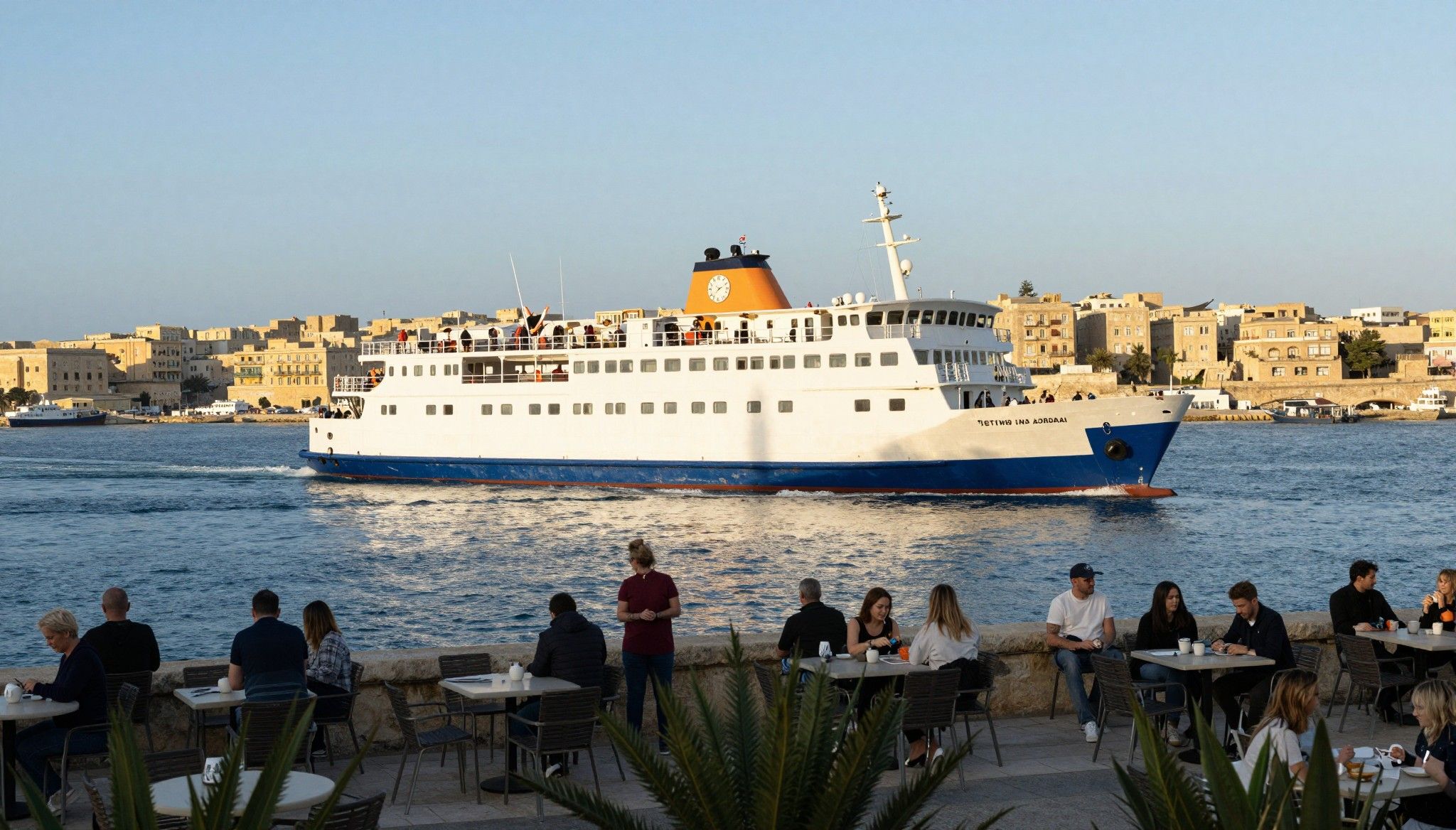
Imagine sipping a flat white at Café Jubilee on Republic Street, Valletta, then walking ten minutes to a baroque sea-view terrace where fishermen mend nets — that compact, lived-in rhythm is Malta. It’s small enough that a weekend can include a market run in Marsaxlokk, a swim at Għajn Tuffieħa, and a dinner in Sliema. For buyers who come for the sun and stay for the social fabric, Malta’s scale is the point: everything that shapes daily life sits within a 20–40 minute drive. But the legal and fiscal scaffolding — notably the Acquisition of Immovable Property (AIP) regime, stamp duty quirks and zone rules — changes how that dream translates into an investment.
Living the Malta lifestyle
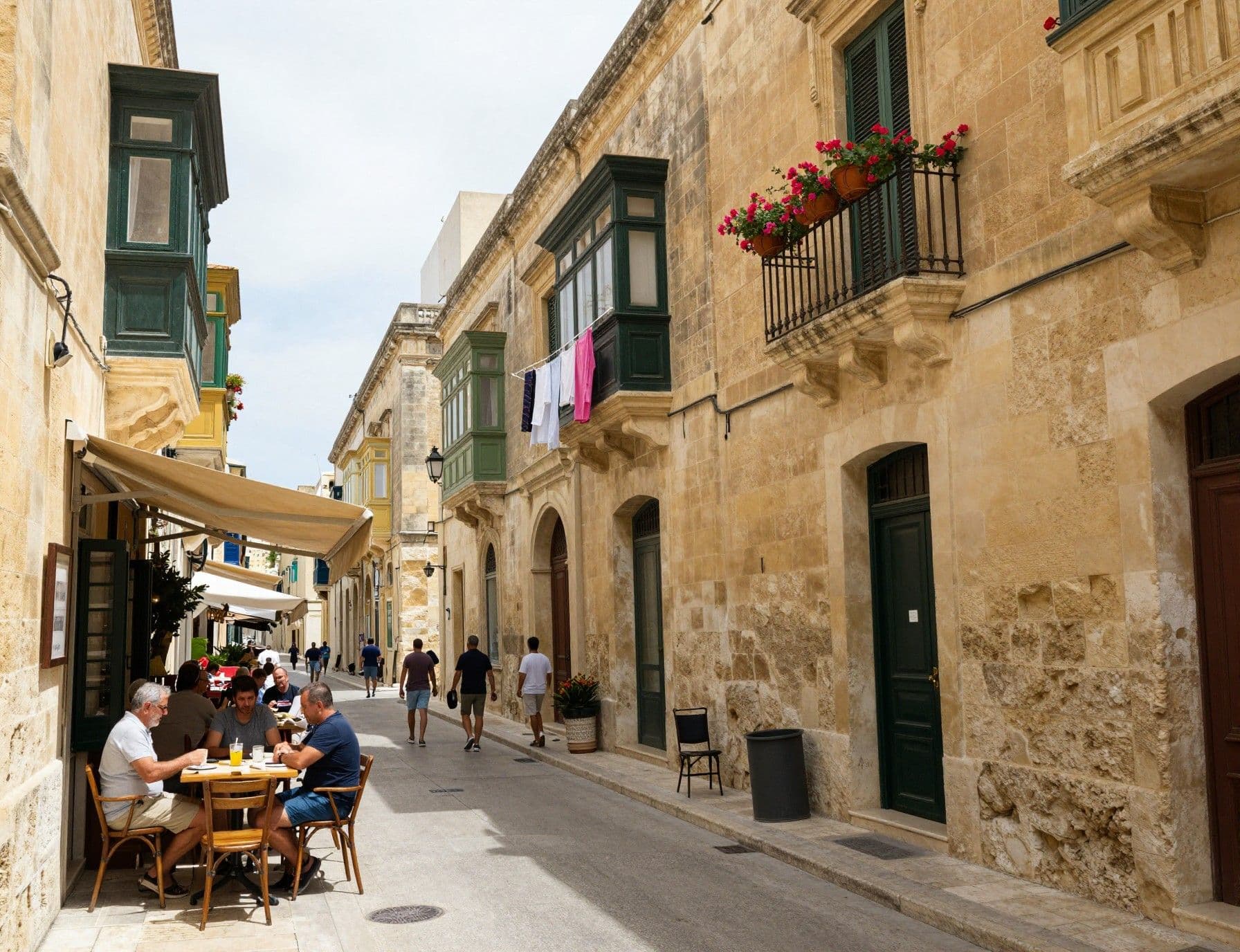
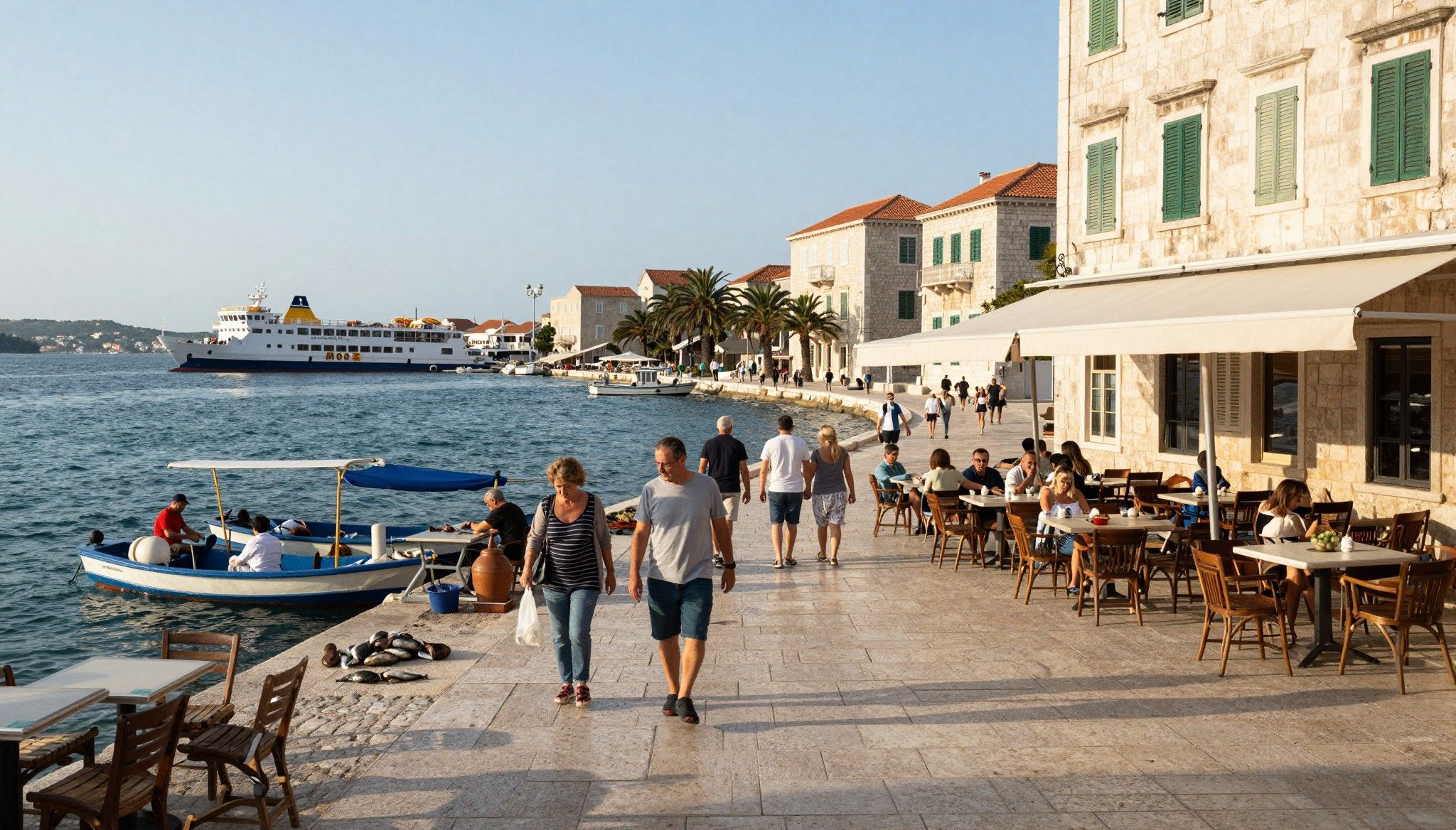
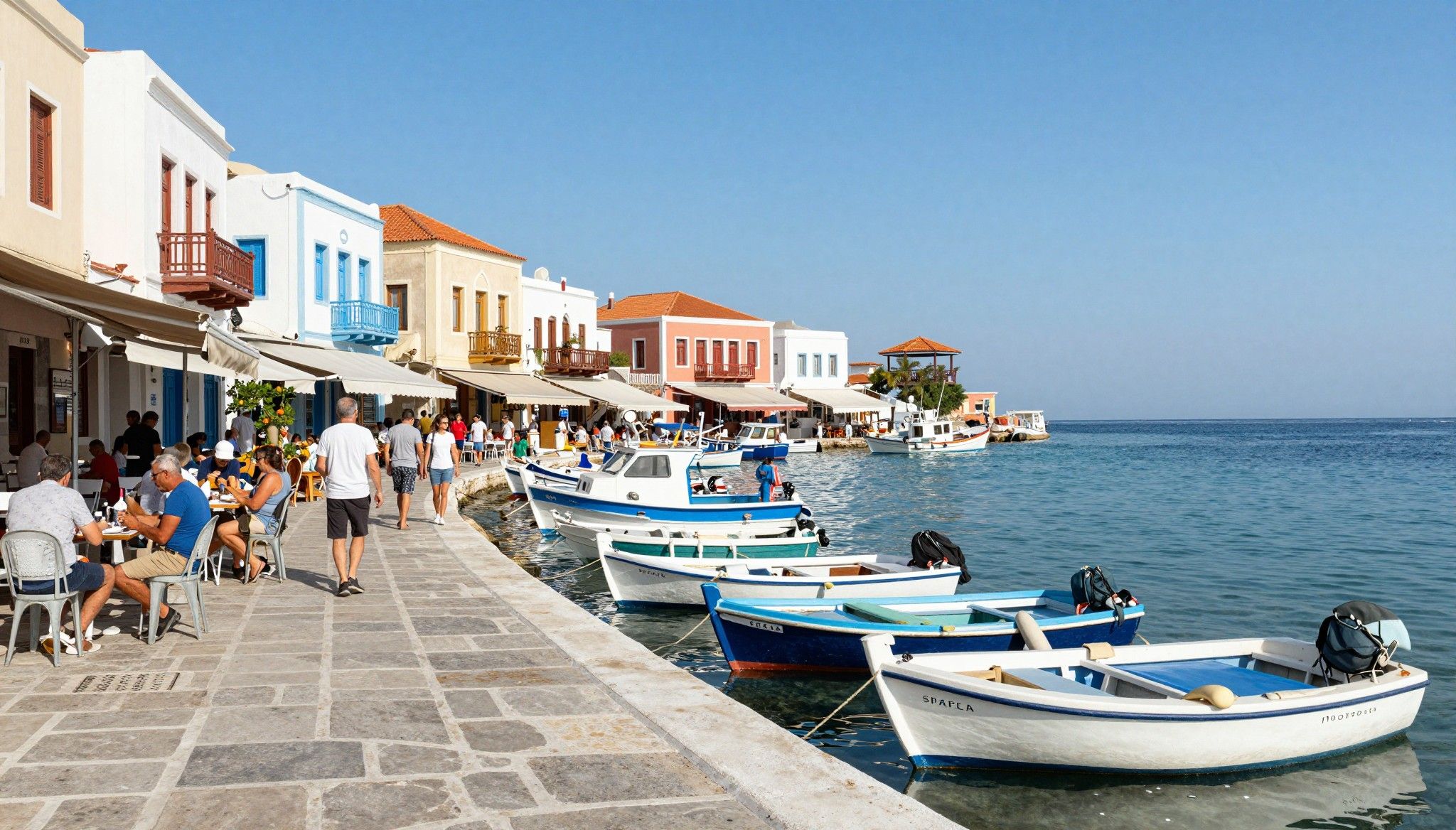
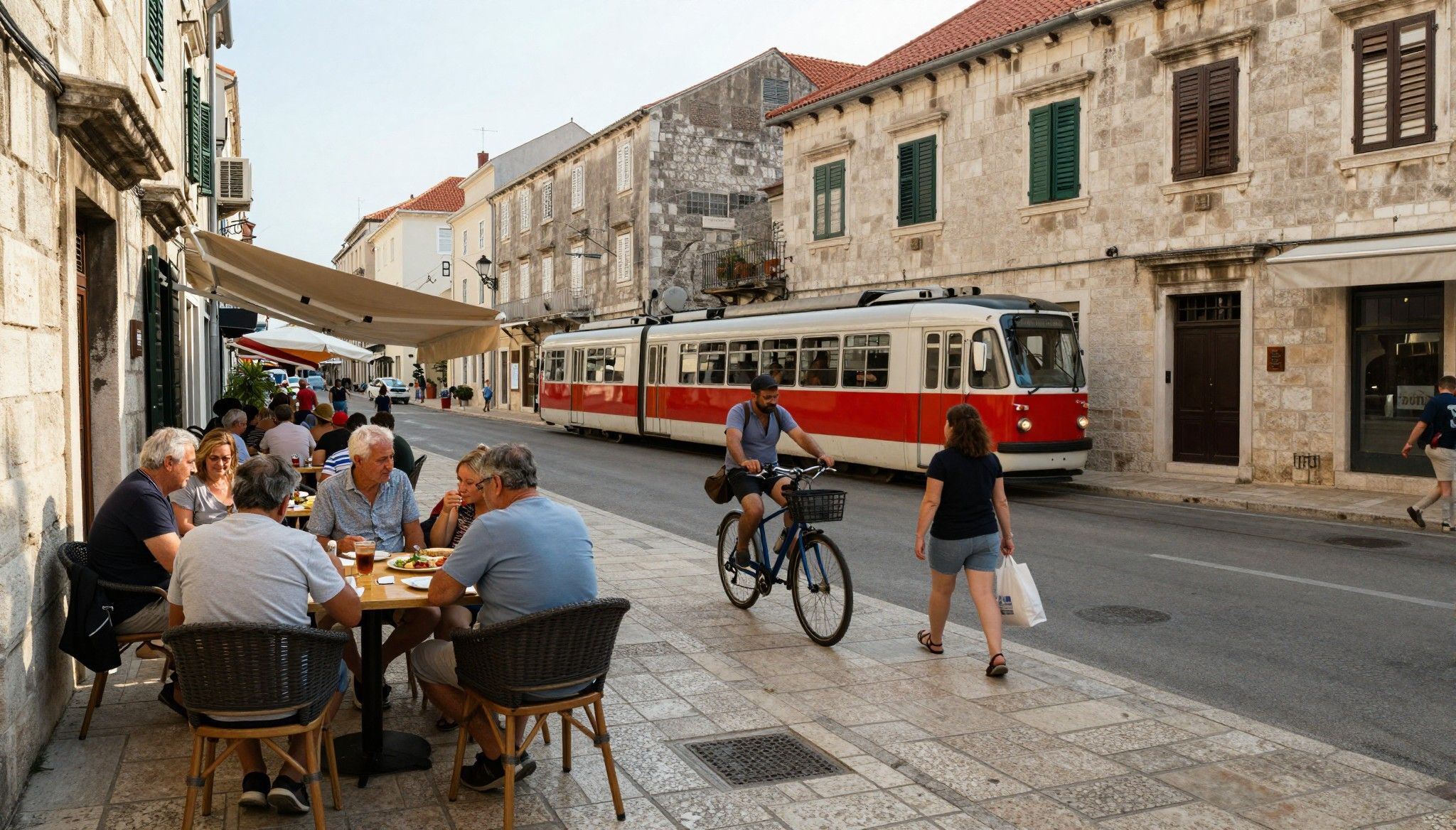
Living in Malta feels like urban village life magnified by Mediterranean weather. Morning routines centre on small cafes — try Caffè Cordina in Republic Square — while evenings belong to roof terraces and sea-front promenades in St Julian’s and Sliema. Valletta delivers history at every corner: limestone façades, narrow stairways, and theatres mix with council-run cultural programmes that keep the city animated year-round. Seasonality matters: July–August is lively and tourists lift short‑let markets, while November–March brings quieter streets and better bargaining power on price and letting terms.
Neighborhood spotlight: Valletta, Sliema, and Mellieħa
Valletta is compact and expensive per square metre but commands steady demand for mid-term lets from professionals and cultural tourists. Sliema and St Julian’s are the commercial heart for expats and remote workers — think waterfront walks, ferries, and cafés — which supports a stable year-round rental base. Up north, Mellieħa and the Golden Bay area trade yield for lifestyle: larger terraces, family homes, and an outdoors-oriented tenant profile. Each pocket matches a different renter: professionals and couples in central Valletta, families and long-term tenants in Mellieħa, and mixed short-term demand in Sliema/St Julian’s.
Food, markets and weekend rituals
Weekends begin with the Marsaxlokk fish market or the fresh produce at Ta’ Qali; dinner rhythms run from pastizzi and local bakeries to weekend aperitifs at Qui-Si-Sana promenade. The food scene is small but surprising: neighbourhood trattorias in Mdina and inventive bistros in Valletta have become anchors for residents. These micro‑markets define tenant demand — proximity to weekly markets, a local café or a ferry terminal can materially affect occupancy and achievable rents.
- Lifestyle highlights that affect property choice: proximity to ferry/walkability; rooftop terraces for summer rentals; local market access (Marsaxlokk, Ta’ Qali); reliable coworking in Sliema/St Julian’s; family-friendly beaches (Mellieħa, Għajn Tuffieħa).
Making the move: practical considerations that matter to returns
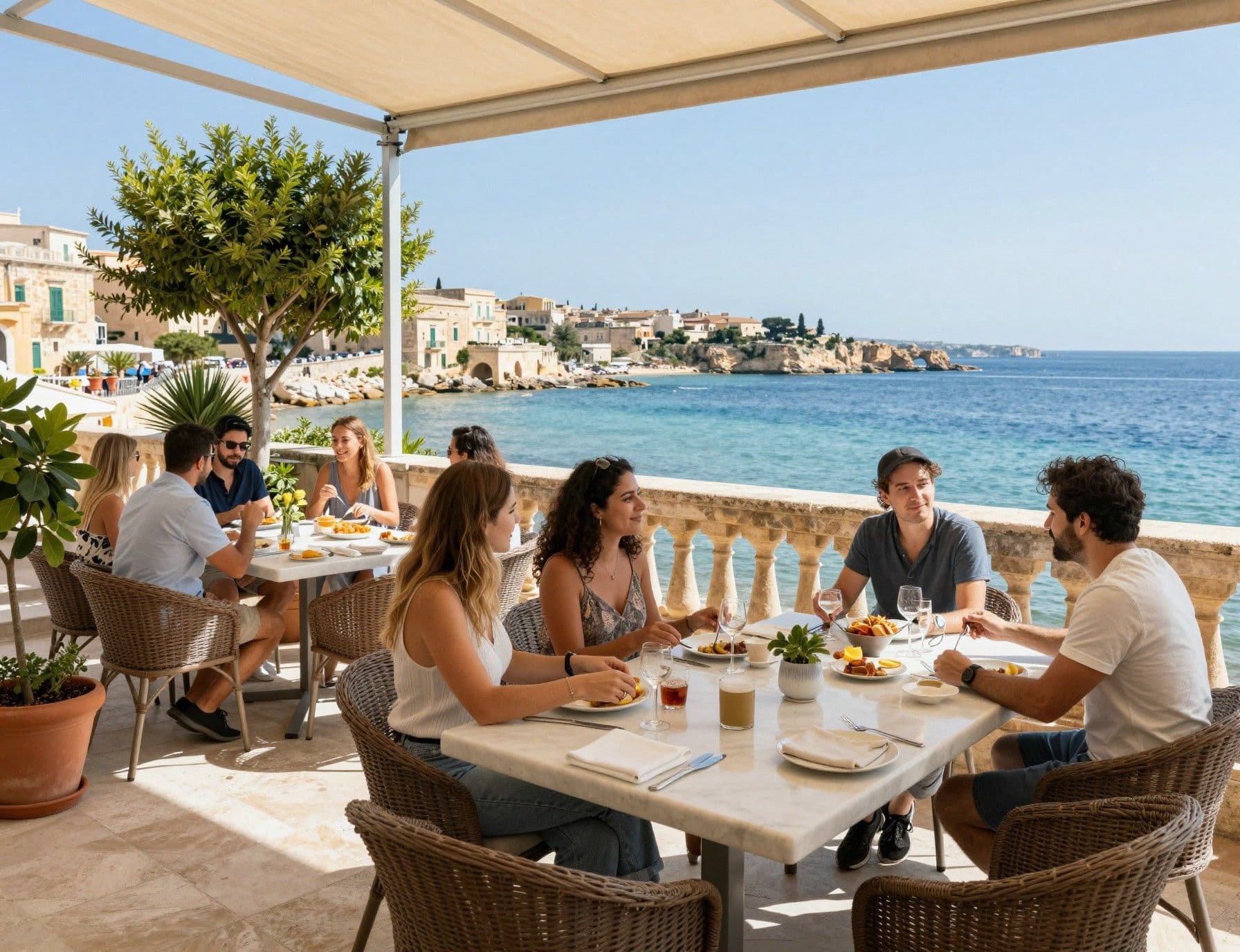
The lifestyle scene is the attraction; the AIP regime and stamp duty structure determine whether that lifestyle is investable. Non‑Maltese buyers commonly face the Acquisition of Immovable Property (AIP) permit requirement unless they are EU/EEA citizens resident in Malta for five years or buying within Special Designated Areas (SDAs). SDAs — developments where foreign ownership is unrestricted — are attractive for investors but usually command a premium. Understand the AIP landscape early: it affects the ability to buy multiple units, rent freely, and ultimately the net yield.
Property styles and what they mean for living and renting
Stone-faced period maisonettes in Valletta appeal to culture-focused tenants but carry restoration and maintenance costs that compress yields. Modern apartments in purpose-built blocks (often in SDAs) are rental‑ready and easier to operate for short- and mid‑term lets. New-builds may carry VAT or reduced transfer duty schemes at times; older stock typically avoids VAT but can attract stamp duty and renovation overheads. Match property type to tenant profile: rooftops and terraces increase seasonal rents, while efficient one-bedroom apartments near transport command steady longer leases.
Working with local experts who bridge lifestyle and regulation
- Step-by-step practical actions: 1) Confirm whether the property sits in an SDA or requires an AIP permit; 2) Request full notarial due diligence (konvenju and title checks) early; 3) Model yield after stamp duty, AIP permit costs, and likely renovation; 4) Engage a local agent familiar with tenant profiles and licensing for short lets; 5) Budget for higher insurance and maintenance on historic stock.
Insider knowledge: red flags, cultural quirks and long-term tradeoffs
The most common mistake expats make is treating Malta as a simple seaside buy — ignoring regulatory zones and the AIP permit timings that can delay completion. Another trap: overpaying for proximity to the promenade in Sliema/St Julian’s without checking short‑let licensing and HOA rules that can prohibit profitable tourist lets. Locals also factor in noise rules, narrow streets that affect moving and servicing, and seasonal wear on older limestone façades — all of which add to operating costs and must be in your cashflow model.
Cultural integration and daily realities
English is an official language and integration is straightforward for many buyers, but social life centers on long-standing neighbourhood networks and small businesses; being a good neighbour matters. Expect markets to close for holidays and small‑town rhythms in Gozo; property managers who speak Maltese and understand local utility processes reduce friction. For families, school placement and healthcare access shape neighbourhood choice more than sea views.
Long-term lifestyle and tax considerations
Tax rules shift incentives: periodic reduced transfer-duty schemes and exemptions (often time-limited) can affect effective entry cost. If your plan is to hold and rent, model rental income taxed at local rates less deductible costs and factor in potential capital gains scenarios at resale. SDAs simplify ownership and letting but trade higher purchase price for regulatory freedom — the right choice depends on your yield target and acceptable management effort.
- Quick due-diligence checklist before offer: confirm SDA status/AIP requirement; provisional stamp duty implications; HOA rules on short lets; recent structural survey on limestone façades; local property management quotes for year-round operation.
- A simple decision framework: 1) If you want lower management and steadier yield, prioritise modern apartments in SDA zones; 2) If you want lifestyle and capital upsides, consider historic maisonettes but budget for renovation and downtime; 3) Always price in AIP timing, stamp duty and at least 6–12 months of operating reserves.
Conclusion — Malta is intimacy packaged as an investment. Its neighborhoods reward proximity and experience, but the AIP framework and local taxes shape which pockets are investable at scale. Start with lifestyle priorities — commute time, rooftop space, local cafés — then layer regulatory clarity: SDA mapping, AIP timing and full notarial checks. Work with a Maltese lawyer and agent familiar with AIP permits and HOA rules; that pairing pays for itself in fewer surprises and faster tenancy. Ready to translate a weekend visit into an operating asset? Model returns with the local rules first, and the lifestyle will follow.
British expat who moved to the Algarve in 2014. Specializes in portfolio-focused analysis, yields, and tax planning for UK buyers investing abroad.