Golden‑Visa Spillover: Where Greek Yields Actually Live
Greece’s postcard islands attract buyers — but tax shifts, Golden Visa rule changes and seasonality often push true yields to overlooked cities and secondary islands.
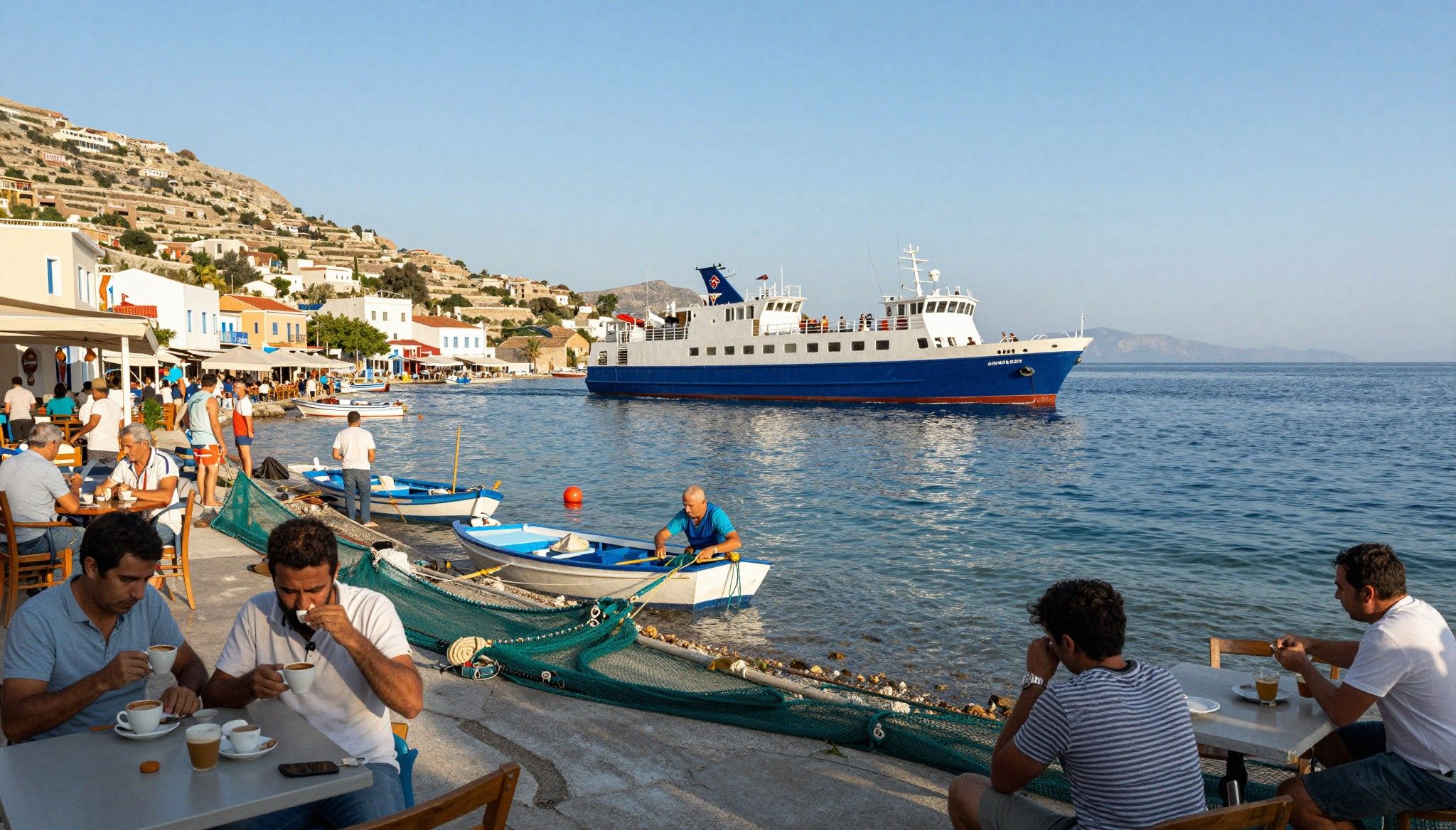
Imagine waking at 8am to a small espresso in Exarchia, watching bakers stack bougatsa, then catching an afternoon ferry to a lesser-known Cycladic port where fishing boats tie up and terraces glint with solar panels. Greece sells that postcard easily. What often gets missed by dreamers and investors alike is how regulations, residency rules and tax mechanics quietly redirect where cash returns actually land — and why the islands that look like a sure thing on Instagram can be the worst place to chase yield.
Living the Greece lifestyle — beyond the postcard

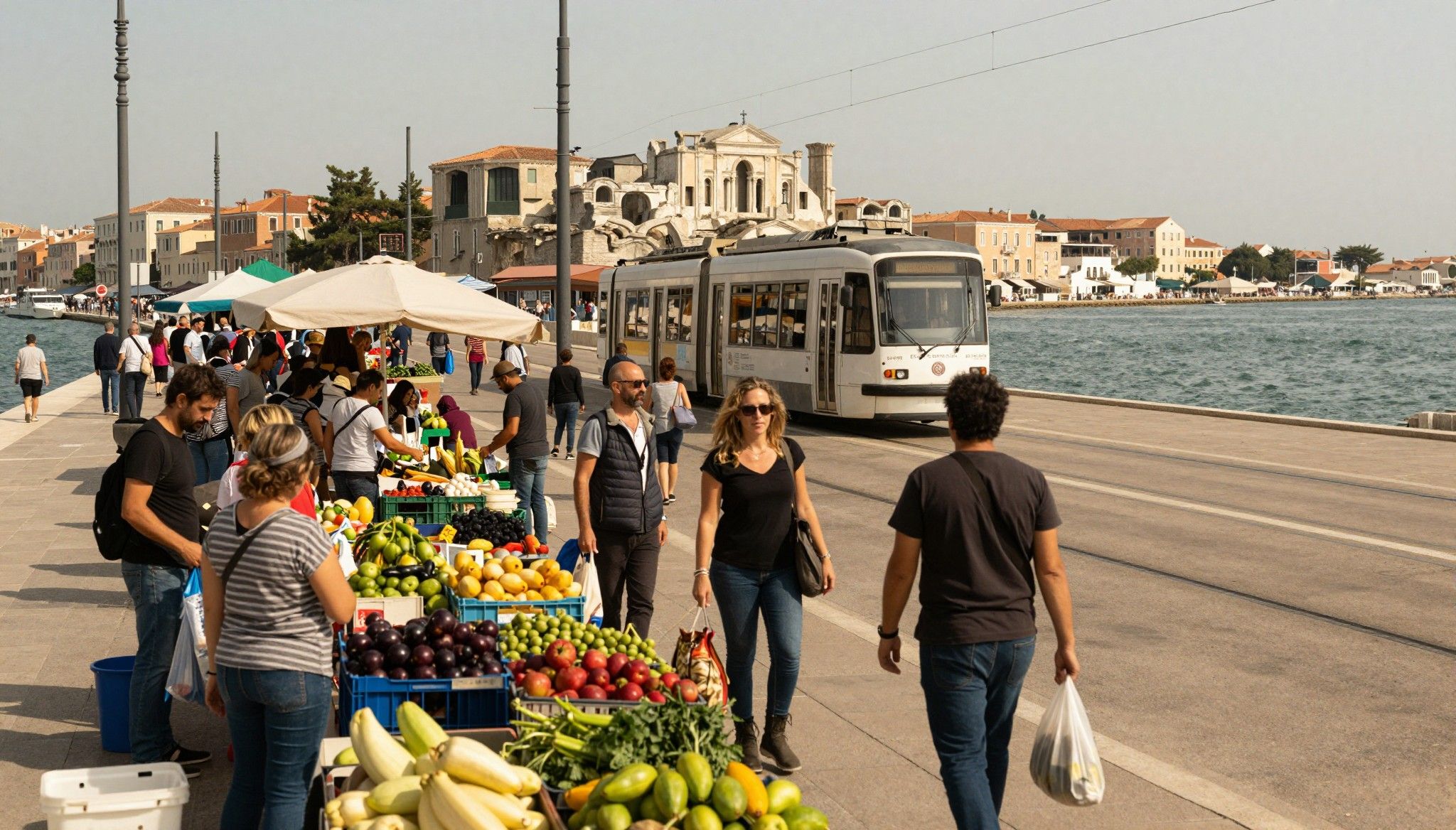
Greece is a lived, seasonal country. Winters in Athens mean neighborhood kafeneia and museum afternoons; summers outside the city mean early markets, late tavernas and village squares full of visitors. For buyers, lifestyle choices map directly to property types: narrow neoclassical flats near Syntagma for city renters; renovated stone houses in Zagori for four-season retreats; small apartments in Piraeus or Thessaloniki for steady urban rentals.
Athenian rhythms: Exarchia, Koukaki, Pangrati
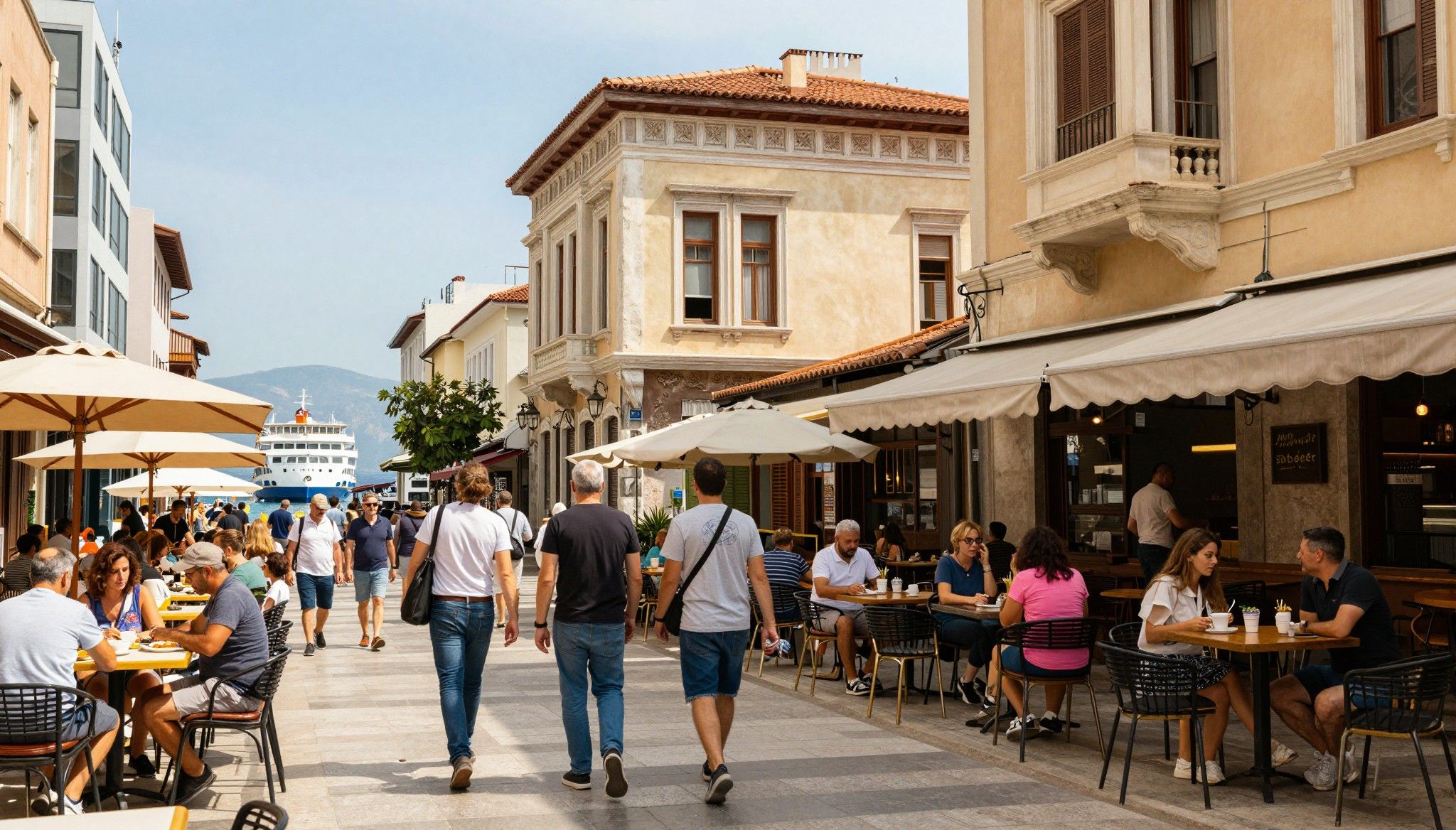
Walk down Kallidromiou in Exarchia and you feel grassroots urban life: cafés, vinyl shops, short-let demand from students and creatives. Koukaki and Pangrati trade on accessibility to the centre and steady long‑let tenancy — practical to manage and easier to price for year‑round yield than a seasonal Cycladic studio.
Island life: Santorini & Mykonos vs. lesser-known islands
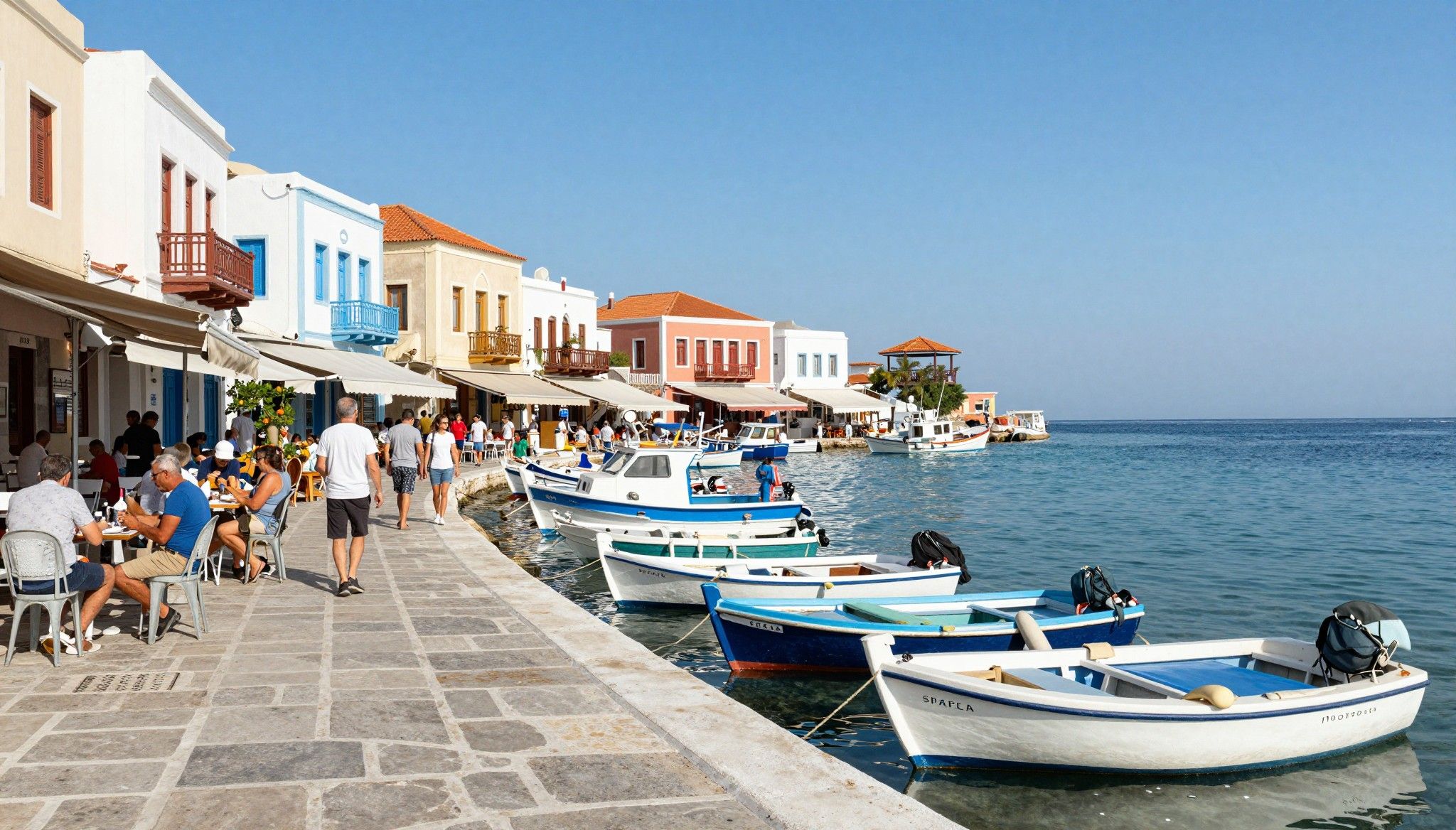
Santorini and Mykonos offer dramatic rent spikes in July–August, but policy changes and higher residency thresholds (introduced for popular regions) have pushed price pressure into adjacent islands and some mainland pockets. That creates both crowding at the ultra‑premium end and yield opportunities in overlooked places — but only if you understand the regulatory ripples.
- Lifestyle highlights: markets, cafés, beaches, hidden gems
- Athens cafés (Koultoura Bakery on Agias Irinis), Sunday farmers’ market in Monastiraki, Epidaurus summer concerts, Koufonisia’s quiet coves, Zagori stone bridges and village tavernas.
Making the move: practical ownership, taxes and regulatory traps

The headlines investors need: newly built properties (permits after 2006) are commonly subject to VAT (24%) while resale transfers usually pay a property transfer tax. Whether VAT or transfer tax applies changes total acquisition cost materially; sellers and agents sometimes oversimplify this in listings, so confirm tax treatment before making price comparisons.
Property styles and their real yield mechanics
A renovated 60 m² apartment in Athens will show predictable net yield from long lets. A 35 m² Cycladic studio can deliver high seasonal gross rents but low annualised occupancy and higher management costs. Net yield = (net rental income / total cost of acquisition). Always include taxes (VAT vs transfer tax), notary fees, and a realistic vacancy and maintenance buffer.
How local experts shape outcomes
- 1. Ask your agent which tax applies (VAT or transfer tax) and show source documents. 2. Require historical occupancy and operating cost data for short‑let listings. 3. Use local lawyers to verify title, easements, and municipal debts. 4. Insist on a bidirectional cost model that includes management, insurance, and cyclical taxes. 5. Check whether a property is in a zone that triggers higher Golden Visa thresholds — that affects demand and pricing dynamics.
Insider knowledge: regulatory signals that move markets
Policy shifts — like hiking minimum investment thresholds for sought-after islands and Athens — have two effects: they cool speculative entry at the top and redirect investor flows into secondary islands and mainland pockets. That redistribution can create short windows where yields improve before prices fully adjust.
Cultural and seasonal realities expats underestimate
Expect municipal bureaucracy to be slow, especially for permits and renovation approvals. Summer labour can be constrained on islands. Language gaps matter in negotiations; hiring a bilingual lawyer and a locally anchored agent reduces delays and practical headaches that can eat into yield through extended vacancy or unexpected compliance costs.
- Red flags to watch for before signing
- No clear title chain, ambiguous VAT/transfer-tax treatment, seller-absorbed works without written scope, properties listed as rental-ready with no occupancy records, and unexpectedly high municipal levies or back taxes.
Data matters. Transaction and tax receipts show where activity is concentrated and where fiscal policy nudges buyers. Use official transaction trends and industry reports when modelling expected capital appreciation and liquidity, not just anecdotal broker talk.
What expats wish they'd known — practical takeaways
Buyers who treat Greece as an asset class, not a holiday, fare better. That means modelling net yield conservatively, building a three‑year cash buffer for management and renovation, and choosing properties where year‑round demand (students, professionals, retirees) cushions seasonality.
Long-term lifestyle vs. short-term yield
- 1. If you want steady yield: prioritise Athens, Thessaloniki or port towns with year-round tenants. 2. If you want lifestyle + upside: consider secondary islands or regional mainland towns where prices lag demand. 3. If you pursue residency: confirm how Golden Visa thresholds affect your chosen town or island. 4. Always stress-test returns with conservative occupancy and post-tax net income.
Conclusion: Greece sells a dream — but you buy a cashflow. Let lifestyle lead your shortlist; let tax rules, residency shifts and real yield calculations decide the final purchase. Work with a local lawyer, a data-minded agent and a property manager who can translate seasonality into an operating plan. Do that, and the bakers, beaches and neighborhood squares become predictable contributors to portfolio returns, not just pretty pictures.
British expat who moved to the Algarve in 2014. Specializes in portfolio-focused analysis, yields, and tax planning for UK buyers investing abroad.