Greece: Lifestyle First, Model the Tax Reality
Greece combines irresistible lifestyle with shifting tax and residency rules; model ENFIA, rental tax and Golden Visa changes to protect net yield.
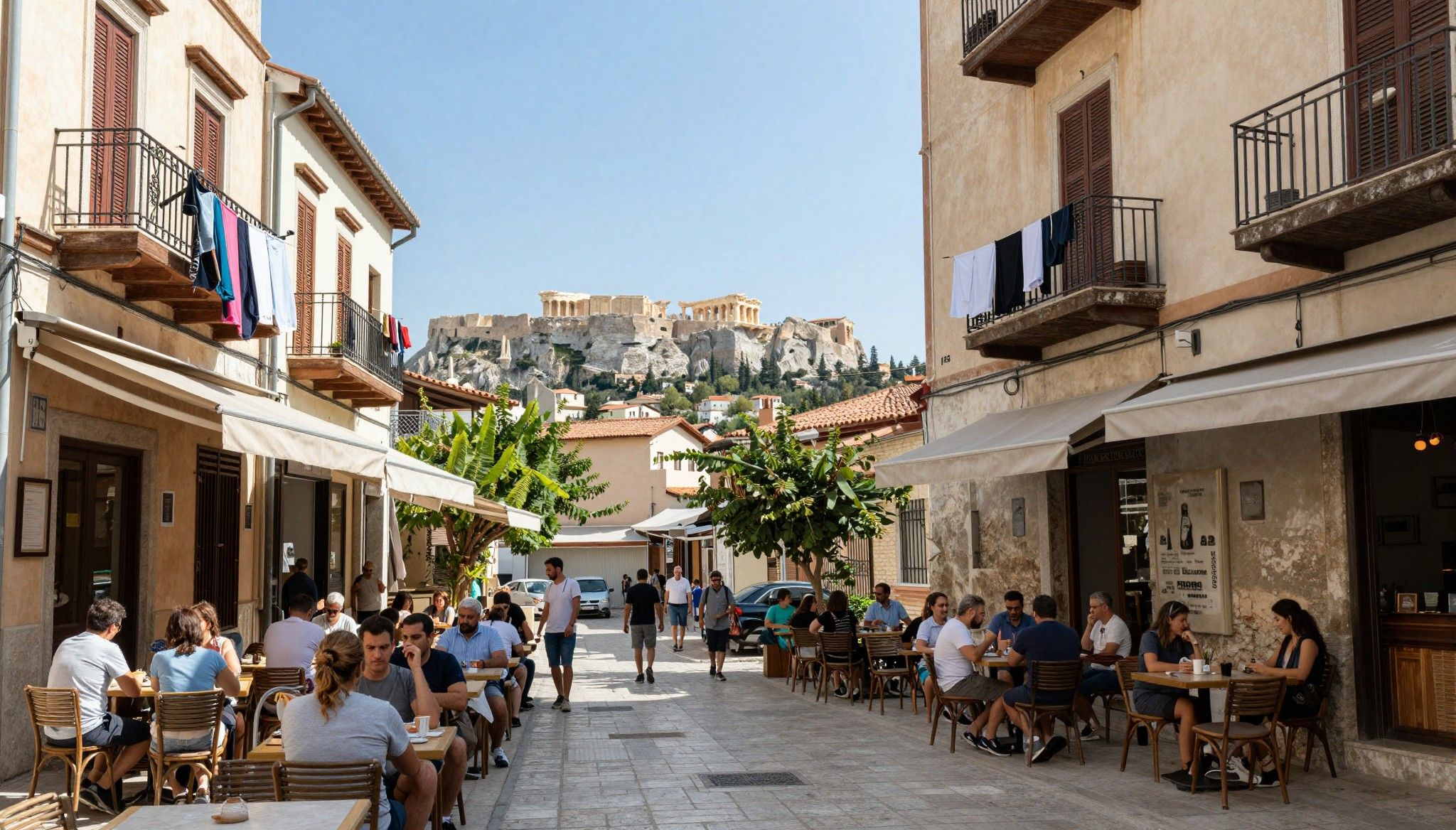
Imagine sipping a strong espresso at a sunlit table on Athens’ Koukaki Hill, then walking twenty minutes to a modern apartment that doubles as a short‑let performer in summer and a steady long‑term rental off‑season. That split life—Mediterranean daydream by day, numbers‑first investment by night—is the reality many international buyers pursue in Greece. Understanding how Greek tax shifts, Golden Visa rule changes and short‑let regulation reshape returns is the difference between a romantic purchase and an investment that actually pays.
Living the Greece lifestyle

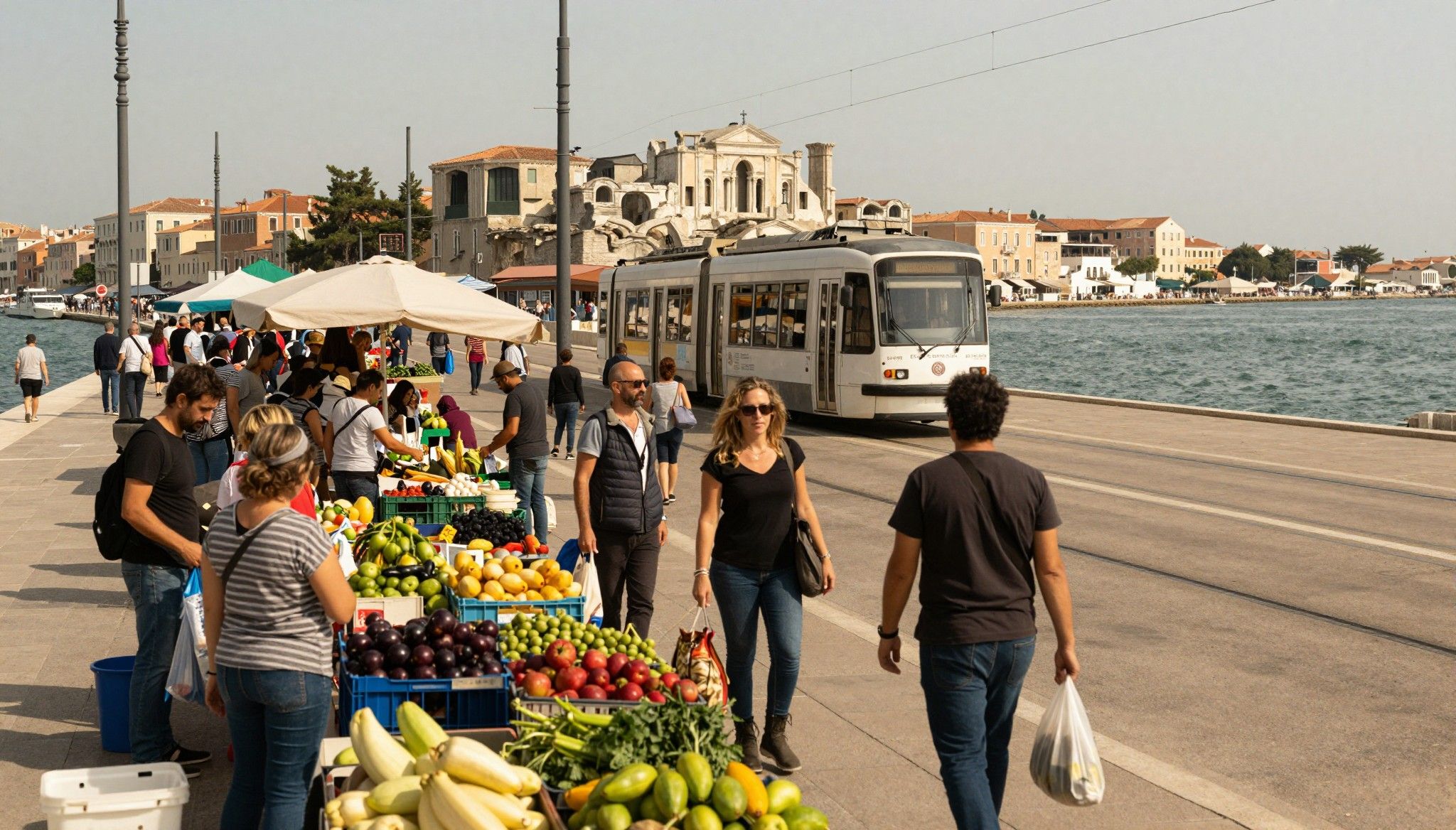
Greece is sensory and neighborhood‑specific: morning markets in Chalandri, late dinners on Piraeus’ seaside promenades, ferry rhythms in Rafina, and quiet stone lanes in Nafplio. Climate and culture dictate habitability—balconies are central, kitchens open to the street, and a terrace view can add 10–20% to a listing price in islands like Paros or Naxos. For an investor, lifestyle metrics matter because they correlate with rental demand patterns—nearby tavernas, ferry frequency, and year‑round services tilt a property from seasonal asset to stable yield generator.
Athens neighborhoods: city life that still feels local
Koukaki and Pangrati mix neoclassical streets with new‑build conversions; the average price per sqm in central Athens neighborhoods remains materially lower than equivalent Western European capitals, while short‑let demand spikes near the Acropolis. In contrast, northern suburbs such as Kifisia offer family buyers leafy streets and higher long‑let stability—different lifestyles, different tenancy profiles, different expected yields.
Island rhythms: choose a rhythm, not a postcard
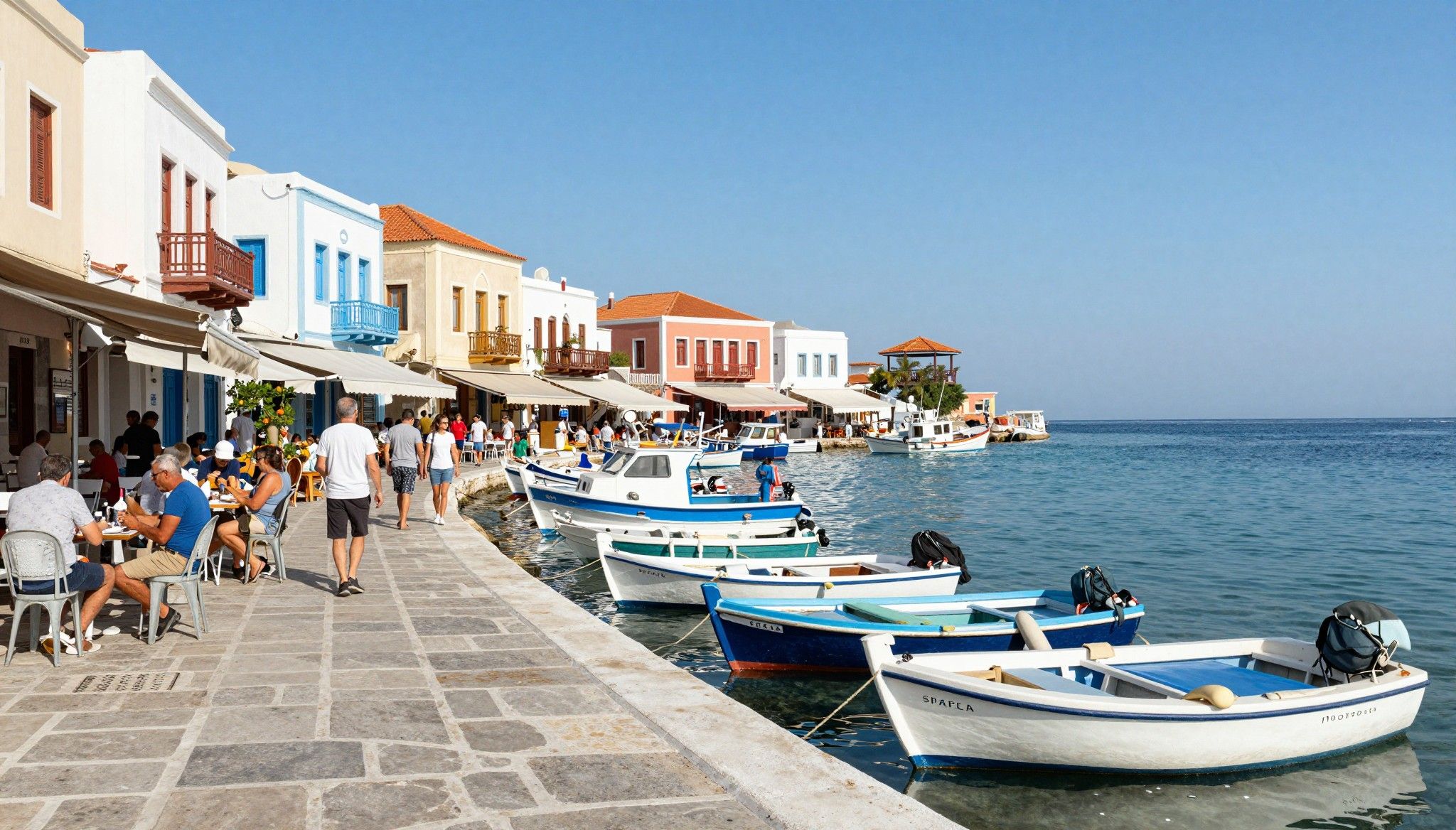
Mykonos and Santorini deliver summer premiums and headline capital appreciation but carry intense seasonality and higher regulatory scrutiny for short‑lets; smaller Cyclades and Ionian islands trade lower price per sqm and steadier long‑let returns. When you choose an island, you’re choosing a rental seasonality curve—ferry slots, airport links, and hospital access are practical lifestyle metrics that directly affect vacancy risk.
- Lifestyle highlights and place cues
- Koukaki (Athens) — neighborhood cafés, walking access to monuments, strong short‑let demand in summer.
- Kifisia — leafy family suburb, international schooling nearby, stable long‑let market.
- Paros/Naxos — island life with growing year‑round communities, attractive to remote workers.
Making the move: practical considerations that preserve lifestyle and yield

Translating lifestyle to a purchase means scrutinising three rule sets: tax treatment of rental income and capital gains, residency‑by‑investment rules, and short‑let regulation. Recent government guidance and industry guides show active changes—capital gains taxation remains suspended through major policy updates and Golden Visa thresholds have shifted—so timing and legal counsel materially affect net returns. Use local counsel and tax advisors to model net yield under the latest rules rather than relying on list price alone.
Tax & ownership: what moves the math
Key practical facts: rental income from Greek property is taxable in Greece; the Single Property Tax (ENFIA) applies annually; capital‑gains taxation on immovable property has been suspended pending reform, creating a temporary window that can change with policy. For non‑EU buyers, acquisition requires extra paperwork (tax number, clearance) and sometimes Ministry approvals depending on location. Model net yield using: gross rent, withholding tax, ENFIA, local municipal charges, and expected vacancy—then stress‑test for potential reintroduction of CGT.
Golden Visa reality check
Greece’s Golden Visa thresholds were raised in 2024 with differentiated bands for high‑demand zones; exemptions and transitional arrangements exist but require precise timing (deposits and contract dates matter). If residency is a purchase motive, include compliance costs, potential higher price per sqm in targeted areas, and the effect of threshold changes on your negotiation leverage.
- Steps to align lifestyle intent with legal reality
- Map your lifestyle must‑haves (school, ferry, clinic) and score neighborhoods by year‑round viability.
- Obtain a Greek tax number (AFM) and run a tax projection with a Greek tax advisor that models rental income, ENFIA and potential CGT scenarios.
- Confirm Golden Visa eligibility windows with immigration counsel if residency is a driver; document deposit and contract dates carefully.
Insider knowledge: what expats wish they'd known
Expat experience repeatedly flags three surprises: utility and municipal bureaucracy takes patience, properties advertised as "sea‑view" can be partial views that materially change willingness‑to‑pay, and short‑let rules are tightening—basement conversions and windowless units are increasingly excluded. These practical realities shift operational costs and listing strategies, and they should be priced into expected net yields before you commit.
Cultural cues that affect tenancy and upkeep
Neighbourhood associations, building syndic (διαχειριστής) practices, and local maintenance rhythms influence ongoing costs. In many island communities, local tradespeople schedule projects seasonally; plan renovations in the low season and budget for logistic premiums if materials must be shipped. Language barriers are real: hire bilingual lawyers and property managers to avoid contractual misunderstandings that eat into returns.
Long‑term lifestyle and portfolio fit
Think of a Greek purchase as a portfolio slice: allocate exposure across mainland (Athens/Thessaloniki) for year‑round rental liquidity and select islands for seasonal upside. If you plan to use the property personally, quantify opportunity costs—months of owner use reduce rental income and change taxable status. Treat Greek property as both a lifestyle asset and a financial instrument, with clear return targets and exit scenarios.
Conclusion: Greece sells a life as much as a balance sheet. If the life—corner café, market morning, ferry routine—matters, pursue neighborhoods that support it; if yield matters, build models that include current ENFIA rates, rental tax, short‑let constraints and the policy risk of reintroduced capital gains tax. Start with research, then move to local counsel and a property manager who understands both the lifestyle you want and the ledger you need.
Danish relocation specialist who moved to Cyprus in 2018, helping Nordic clients diversify with rental yields and residency considerations.