Italy: Where the Lifestyle Wins — But Taxes Reprice Yield
Italy’s lifestyle sells itself — but net yields hinge on municipal taxes, cadastral class and seasonality. Match the neighbourhood rhythm to tax modelling before you bid.
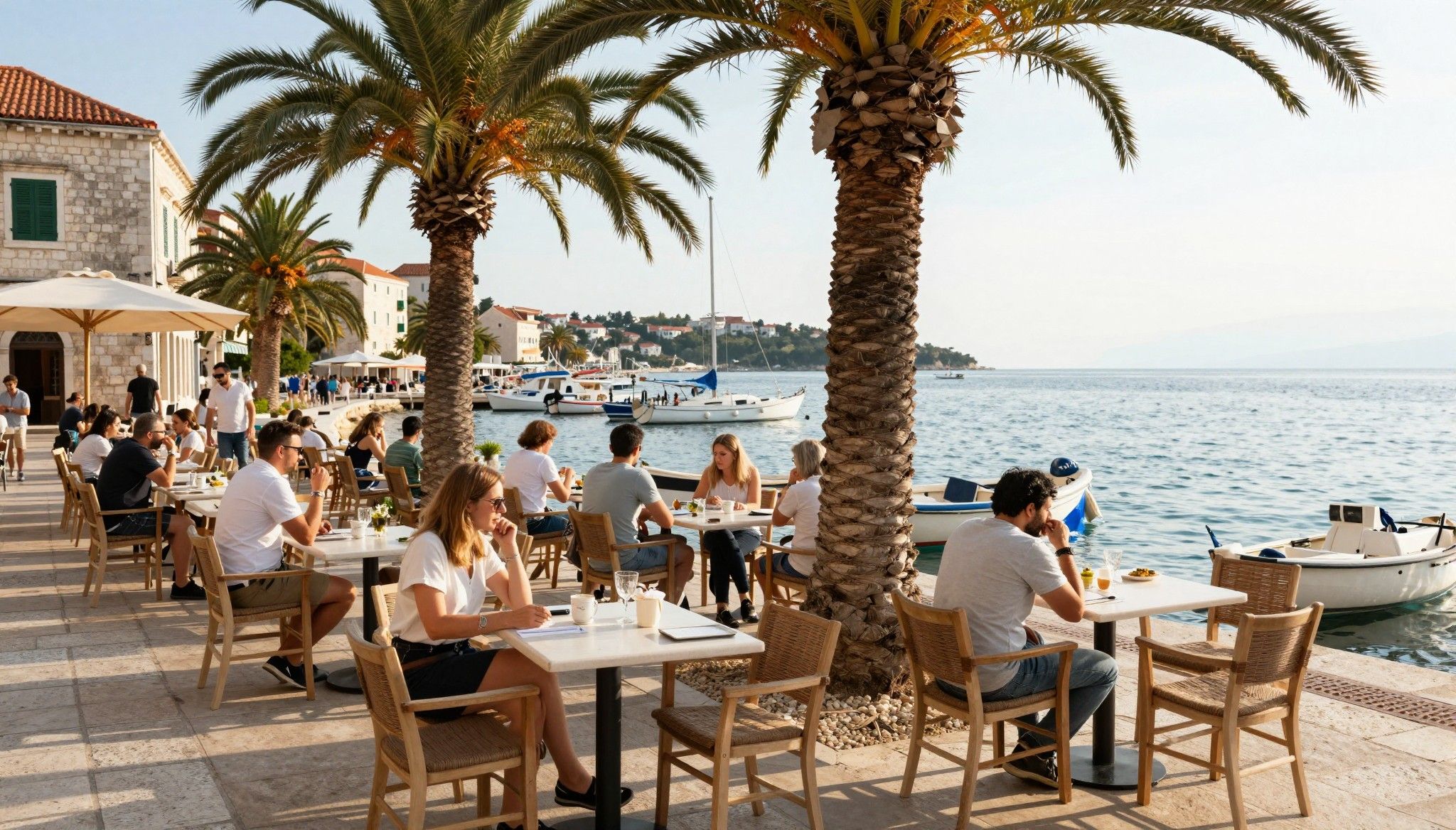
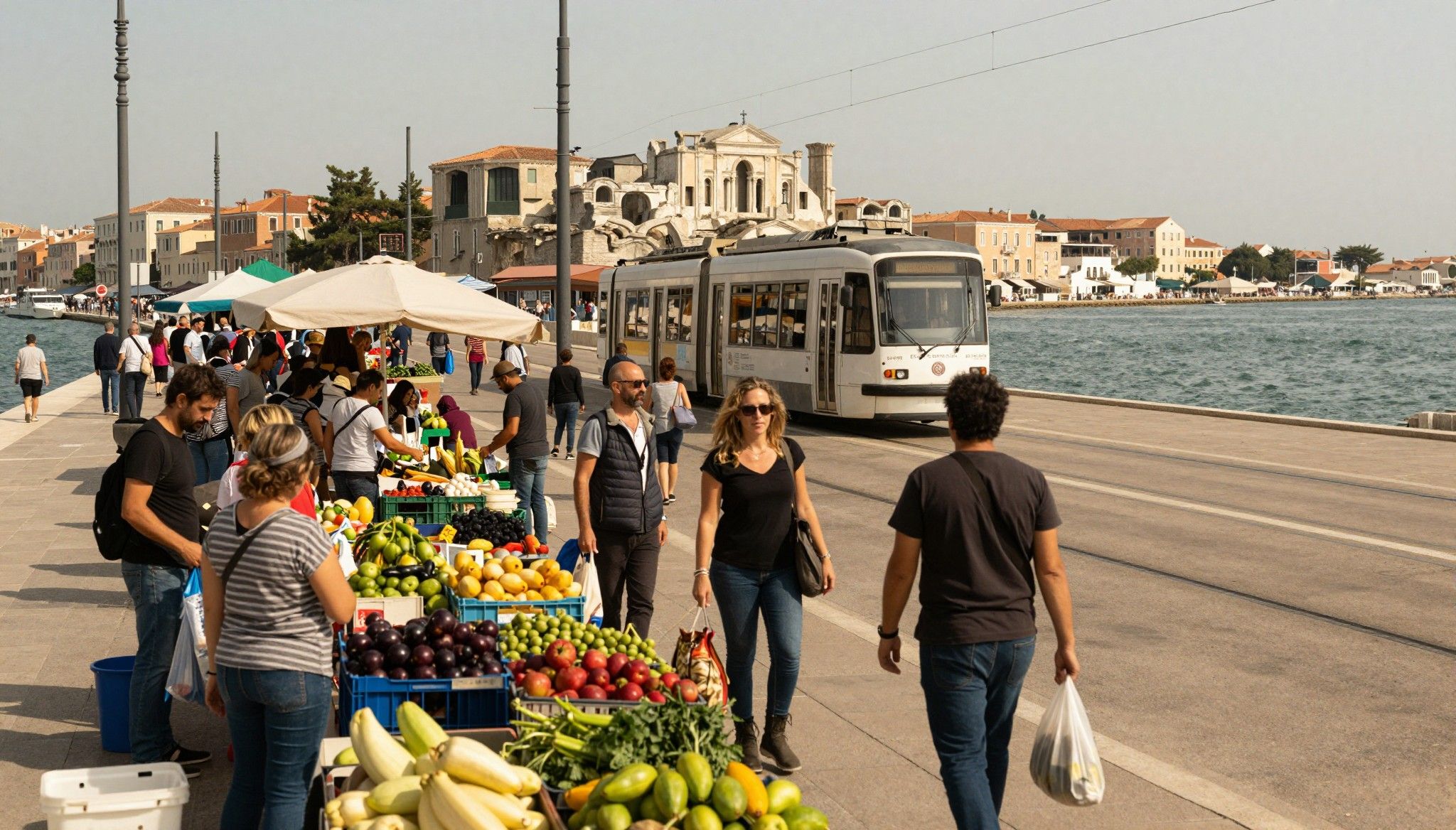
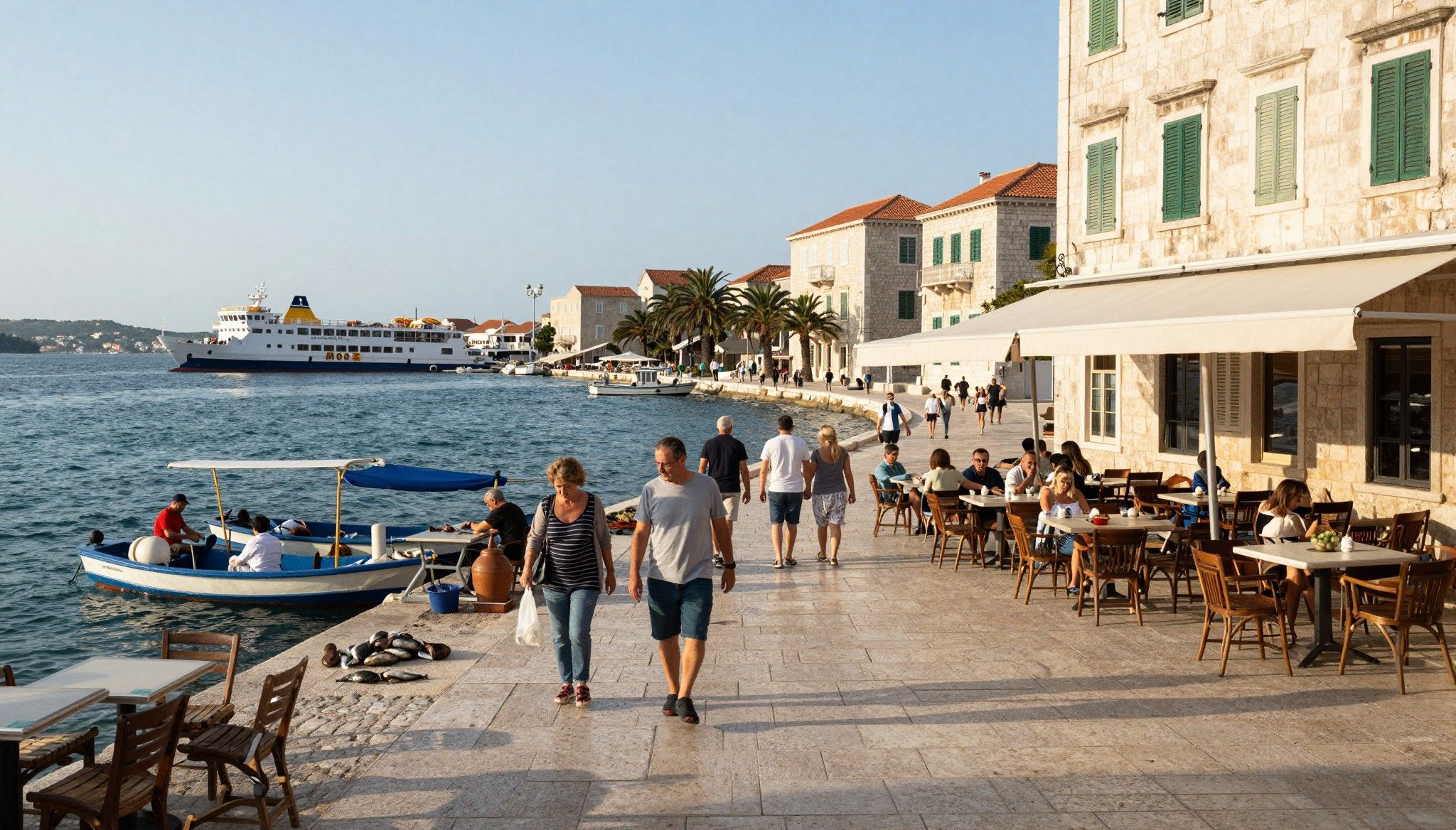
Imagine starting your day in Italy: a quick espresso at a corner bar on Rome’s Via del Corso, a few steps to a market stall selling ripe tomatoes in Bologna’s Quadrilatero, or an evening aperitivo watching fishermen bring in the catch on Sicily’s Trapani coast. Italy feels like living inside a curated, centuries‑old neighbourhood — layers of history, narrow streets that open into sudden piazzas, and a daily rhythm keyed to food, family and sun. For many international buyers that sensory charm is the hook; for investors it’s the question: how does this lived experience translate into net returns, tax exposure and long‑term maintenance? This piece marries the two: lifestyle scenes that make you want to buy, and focused regulatory and tax realities that tell you when to slow down and where yields actually live.
Living the Italy life: rhythms that shape where you buy
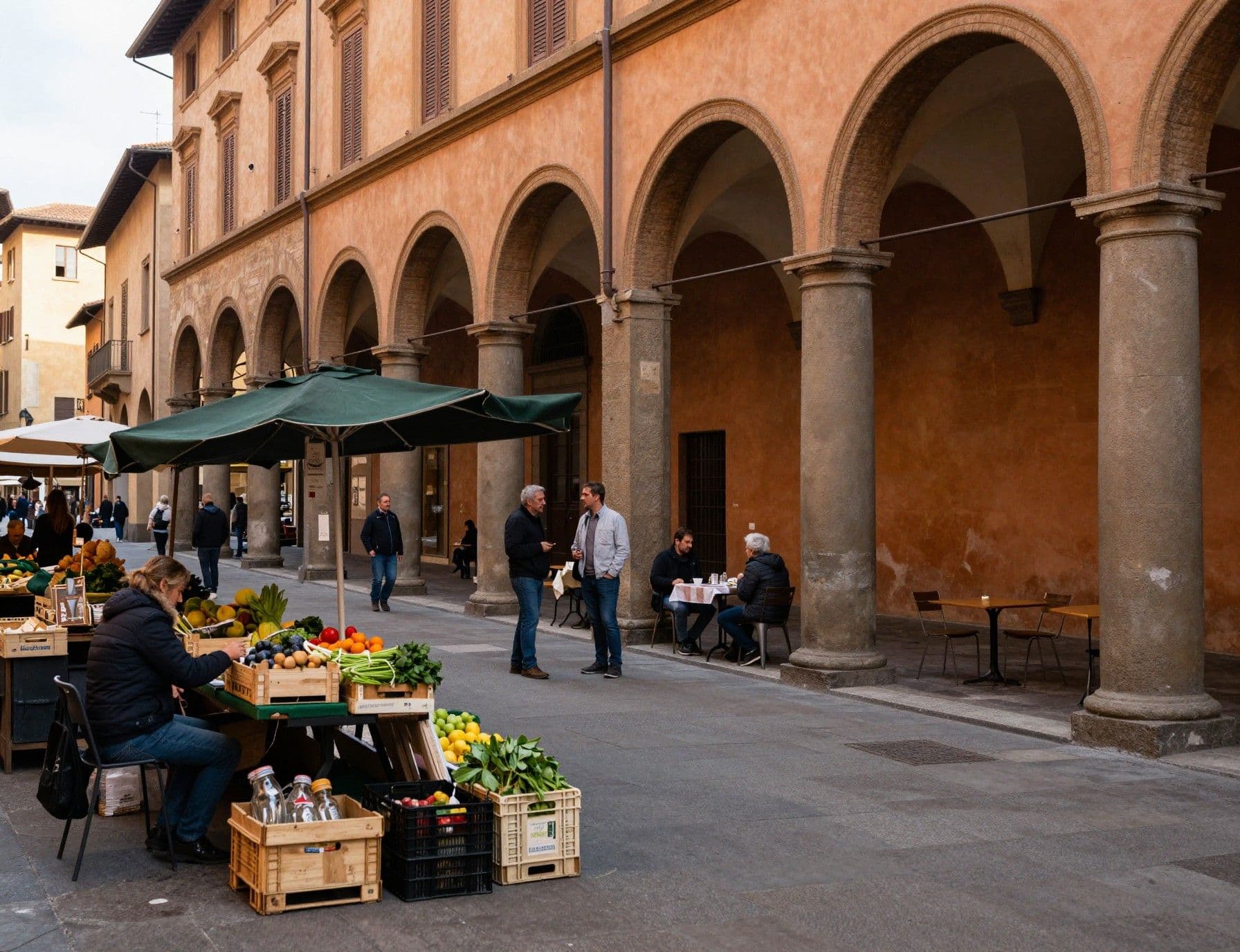
Italian daily life is intensely local. In coastal Liguria you’ll structure weekends around beach access and pedestrian piazzas; in Milan the day is structured by commuting nodes and late‑night dining; in Umbria and Le Marche the week is defined by slow food markets and seasonal harvests. These rhythms change what buyers prize: terraces and sea access in the coast, efficient transport links in cities, storage for wine and olive oil in rural homes. When you picture yourself here, think beyond square metres: consider how seasonality, local amenities and building typology will affect occupancy, tenant profiles and maintenance costs.
Neighborhood spotlight: Trastevere, Navigli, Oltrarno — real neighbourhood characters
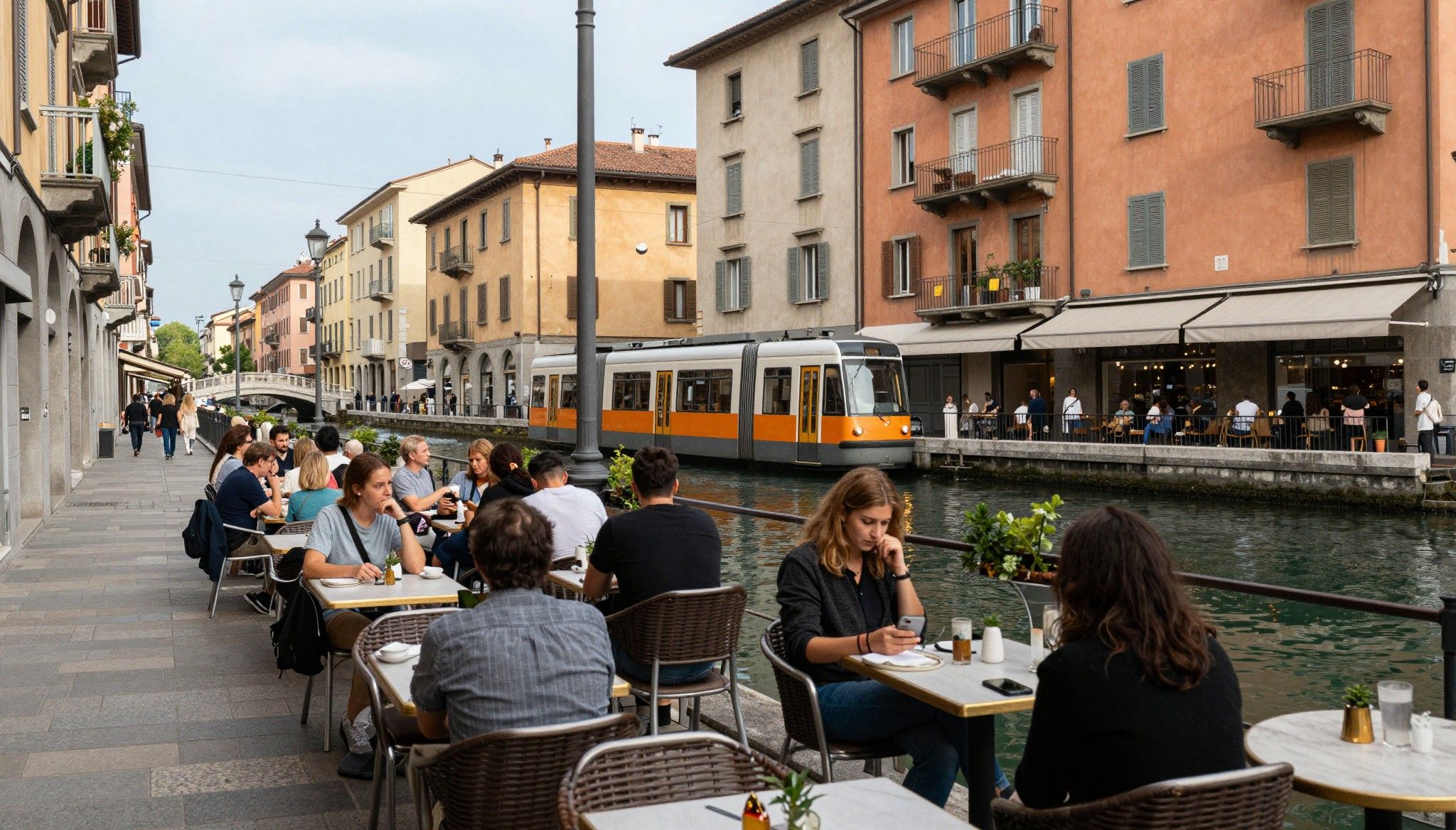
Take Trastevere in Rome: cobbled lanes, trattorie that open late, and a strong short‑let demand from tourists and students. Milan’s Navigli offers canal‑side cafés and a younger rental pool, while Florence’s Oltrarno trades luxury tourists for long‑term artisans and expatriates who want authentic daily markets. These neighbourhoods share a trait investors love: diversified demand (tourist short lets plus resident long lets). That mix cushions seasonality but requires different compliance: short‑let registration, local tourist taxes and sometimes condominium rules that restrict short-term rentals.
Food, festivals and seasons: where the calendar drives demand
Italy’s property market is sensitive to seasonal flows and event calendars — harvests in wine country, festival weeks in Venice and Milan Fashion Week all bump short‑term demand and local pricing. National statistics show modest price growth overall, but with meaningful local divergence: tourist hubs and luxury segments often outpace the national average while interior towns lag. Buyers should read national indices like ISTAT’s alongside microdata for neighbourhoods; a country‑level 2–4% price move can hide double‑digit swings in premium coastal pockets. Plan acquisitions with both seasonality and event calendars in mind to optimise rental yield windows.
- Lifestyle highlights that affect investment choice: Trastevere (Rome) — strong short‑let demand; Navigli (Milan) — urban renters and professionals; Valpolicella (Veneto) — agritourism and vineyard stays; Amalfi/Positano coast — high seasonality but top rents; Lecce (Puglia) — growing year‑round tourism and lower purchase prices.
Making the move: practical tax and regulatory realities
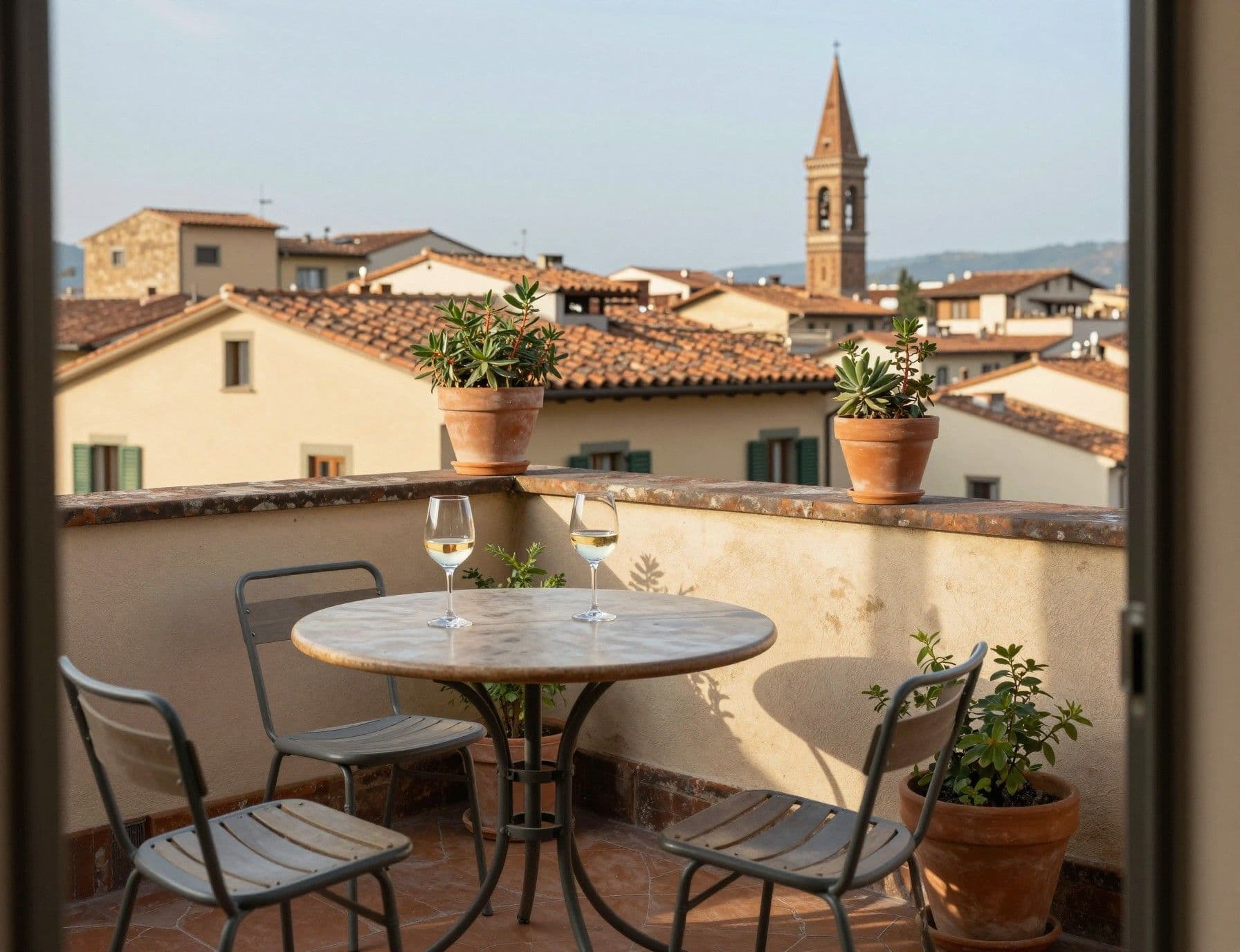
Dreams meet contracts at the notary’s desk. Italy’s purchase process, tax incentives and ongoing charges materially affect net yields and total cost of ownership. Key levers: whether you qualify for 'prima casa' benefits (which cut purchase taxes), the classification of the property for IMU (municipal property tax) and TARI (waste tax), and the treatment of rental income for non‑resident owners. These are not arcane footnotes — they change a deal’s net yield by hundreds or thousands of euros annually.
Taxes at purchase and ownership: what changes the maths
Purchase taxes vary with the buyer’s status and property class. If you can claim 'prima casa' (first‑home) benefits you often pay reduced registration tax (2% instead of 9% on cadastral value) and fixed cadastral/ipotecary fees; without it, VAT or higher registration taxes apply. Ongoing costs include IMU — a municipal property tax that foreign owners commonly misunderstand — and TARI, a waste service charge. These fiscal items differ by municipality and by cadastral category (for example “luxury” categories attract higher IMU), so a micro‑analysis is indispensable before bidding.
How local variation and classification reprice returns
Municipalities set IMU rates within national guidelines, and cadastral classifications can reassign a property into a higher tax bracket — think historic palazzos reclassified as A1 (luxury) with higher levies. Luxury coastal or historic centre properties often pay both higher IMU and attract tourist‑tax regimes that complicate short‑let revenue. Conversely, peripheral towns may offer lower purchase prices but weaker rental demand. Factor municipal tax schedules and cadastral category into yield models rather than relying on headline price/sqm alone.
- Steps to align lifestyle goals with tax reality: 1. Confirm cadastral classification and local IMU/TARI schedules before offer. 2. Model net yield under both resident and non‑resident tax regimes. 3. Check short‑let regulations and tourist tax obligations in the commune. 4. Budget for condominium rules and extraordinary maintenance packages. 5. Engage a bilingual notary and tax advisor for deed and post‑purchase filings.
Insider knowledge: expat lessons and contrarian moves
Expat owners often romanticise the piazza and under‑model costs like restoration, seismic upgrades and condominium extraordinary works. Many learn — sometimes the hard way — that owning a historic palazzo entails mandatory seismic compliance in some regions and slow, costly approvals for restorations. At the same time, less obvious opportunities exist: inland provincial towns with growing remote‑worker communities (for example in parts of Le Marche and Abruzzo) can deliver steadier year‑round occupancy with lower purchase prices.
Cultural quirks that affect ownership
Understand how Italians use space: mezzanines, soppalchi, and multi‑use rooms are common but may not be recorded in cadastral plans — this affects usable area calculations and mortgage valuations. Condominio living demands diplomacy; many condo boards (amministratore condominiale) control short‑term rental approvals and renovation windows. Learn local norms early: simple steps like hiring local artisans and attending neighbourhood meetings smooth the path and preserve value.
Long‑term lifestyle sustainability: what holds value
Properties that combine reliable transport links, multi‑season rental appeal, and manageable maintenance costs hold value best. That means looking at the commute (rail links to major cities), energy performance (EPgl ratings increasingly affect tenant demand and resale), and the expected timeline for extraordinary works. Fiscal benefits like 'prima casa' can materially lower upfront taxes if you intend to reside and register in the commune; otherwise, budget the alternative tax structures into your IRR calculation.
- Red flags investors should spot before offer: • Cadastral records that don’t match physical layout. • Unusual IMU or TARI assessments compared to neighbouring units. • Condominio minutes citing pending extraordinary works. • Lack of energy certification (APE) or seismic compliance paperwork. • Vague short‑let rules in the municipality that could restrict tourist lets.
Conclusion — imagine the life, then do the maths. Italy rewards buyers who pair its sensory, place‑based lifestyle with rigorous fiscal discipline. Start with a walk: visit your target neighbourhood at breakfast and after dinner; note transport links, local services, and how people use public space. Then run the numbers: model purchase taxes, IMU/TARI, insurance, and a conservative rental yield scenario. Work with a local bilingual notary, a tax advisor familiar with foreign ownership rules, and an agency that can source micro‑market comparables. If you love the rhythm and the numbers hold up, Italy can be both a life‑change and a sound portfolio addition.
British expat who moved to the Algarve in 2014. Specializes in portfolio-focused analysis, yields, and tax planning for UK buyers investing abroad.