Italy: Lifestyle First, But Taxes Reprice Yields
Italy sells lifestyle — but yields depend on municipal taxes, cadastral values and seasonal demand; pair sensory appeal with notary‑verified tax modelling.
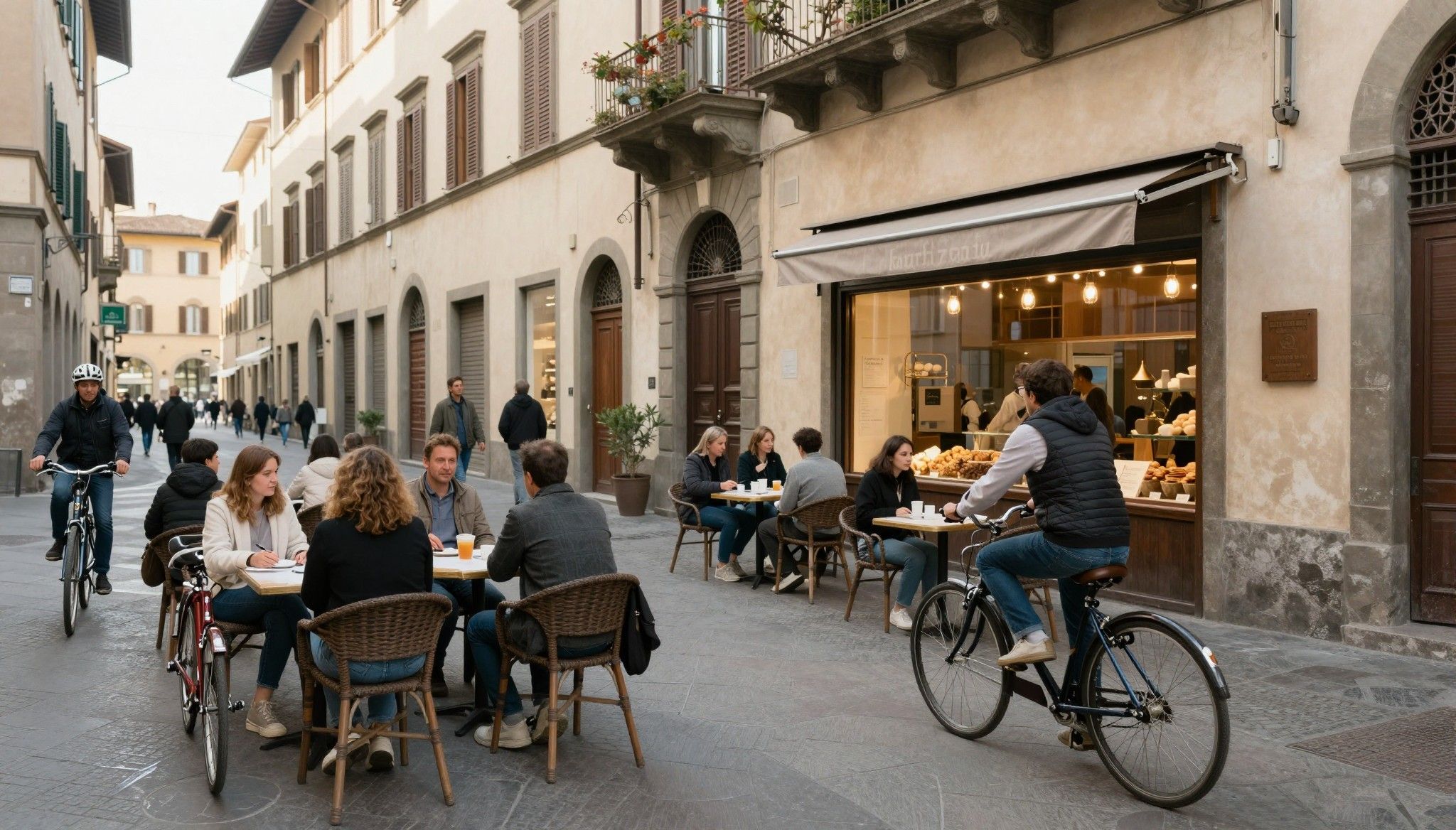
Imagine sipping a morning espresso on Via dei Coronari in Rome, then stepping into a light-filled palazzo apartment where the walls hold centuries of history — and the tax bill a few years of ownership. Italy sells a life: market squares, coastal afternoons in Amalfi, truffle hunts in Piedmont. For international buyers, that romantic picture sits beside a technical reality: cadastral values, municipal taxes, and residency rules that re-price yields. This article mixes sensory Italy with the practical legal and fiscal frame that determines whether a dream purchase behaves like an asset or a carry cost. We lean on official tax guidance and recent market data to show where lifestyle and returns align.
Living the Italy lifestyle
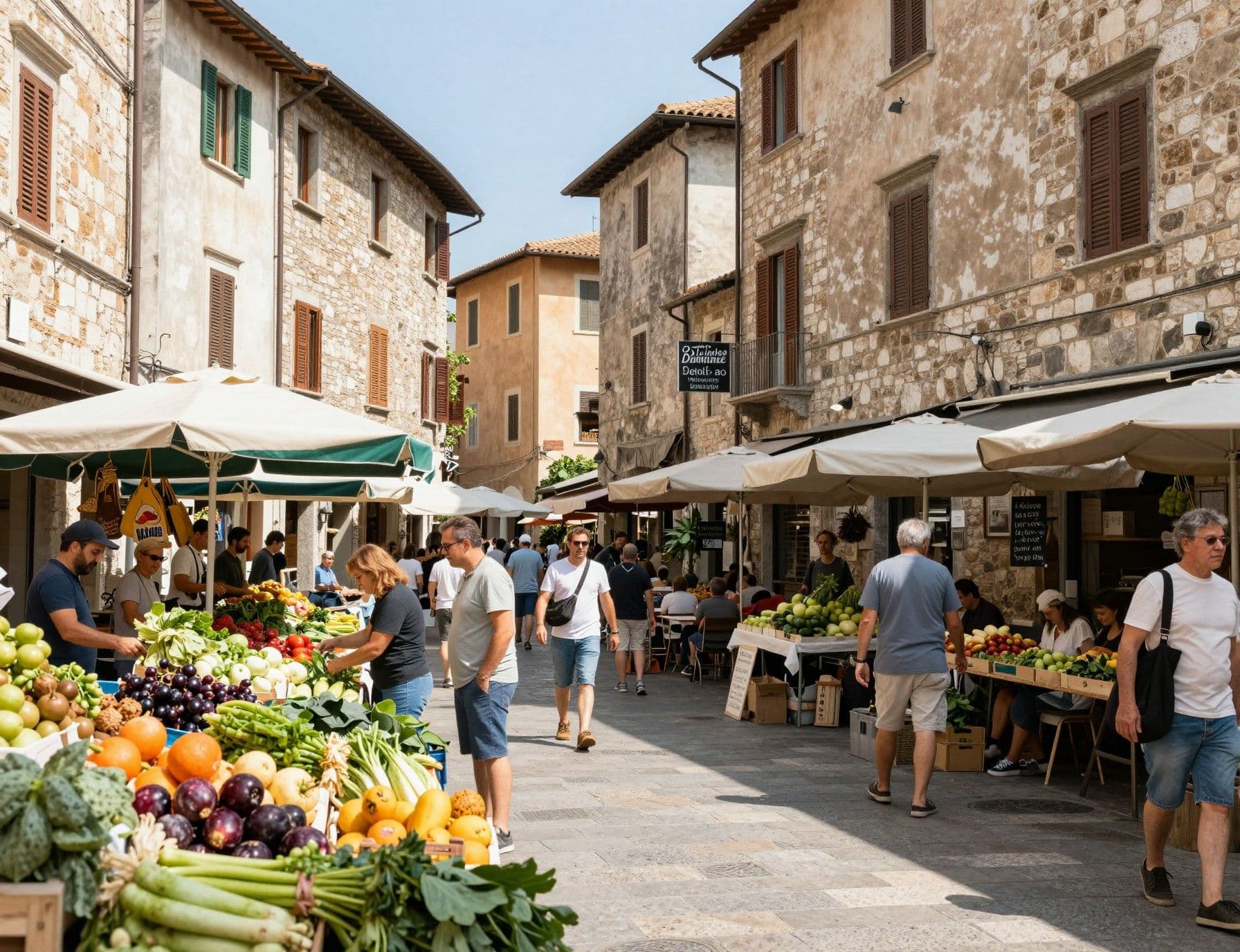
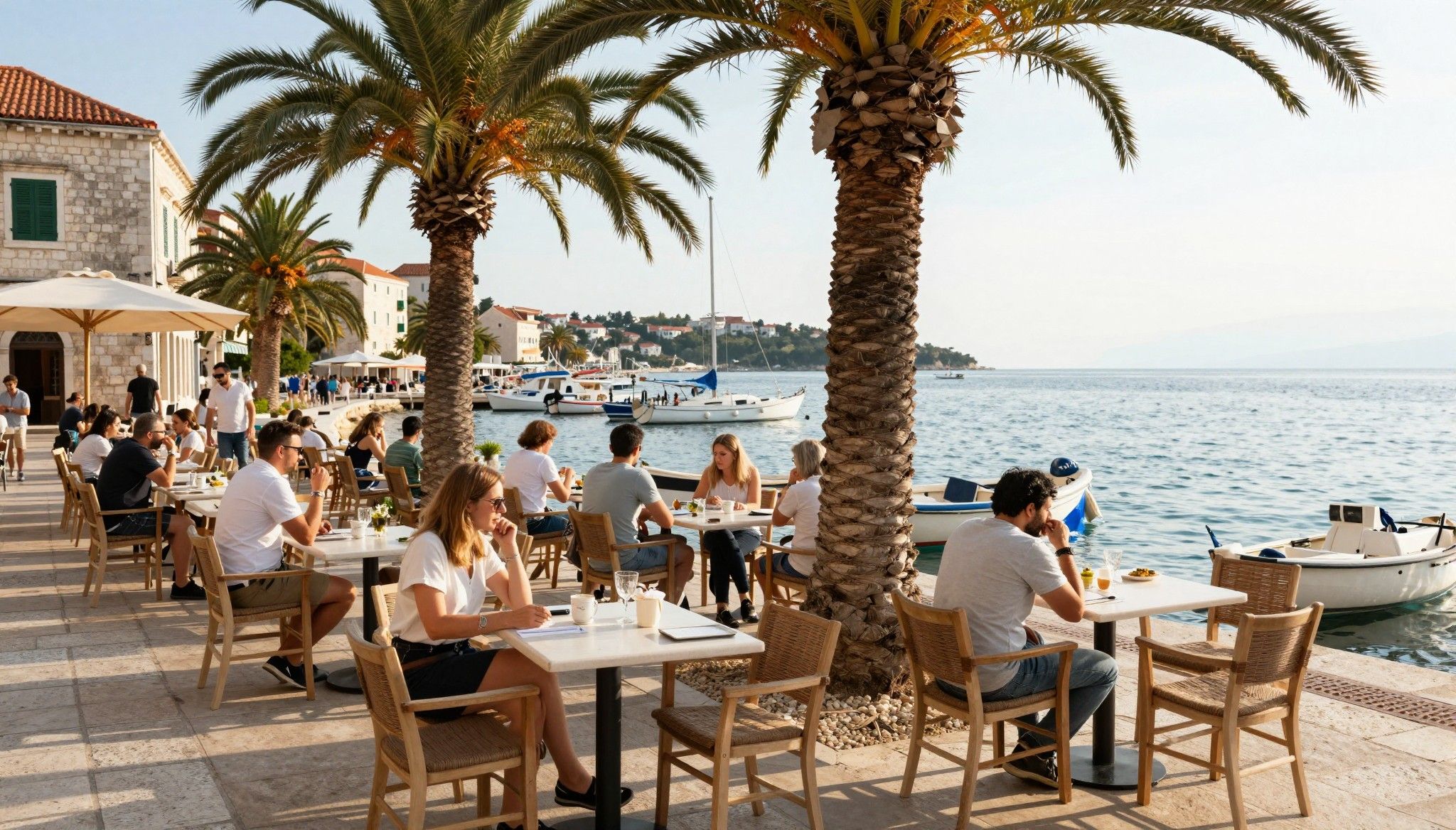
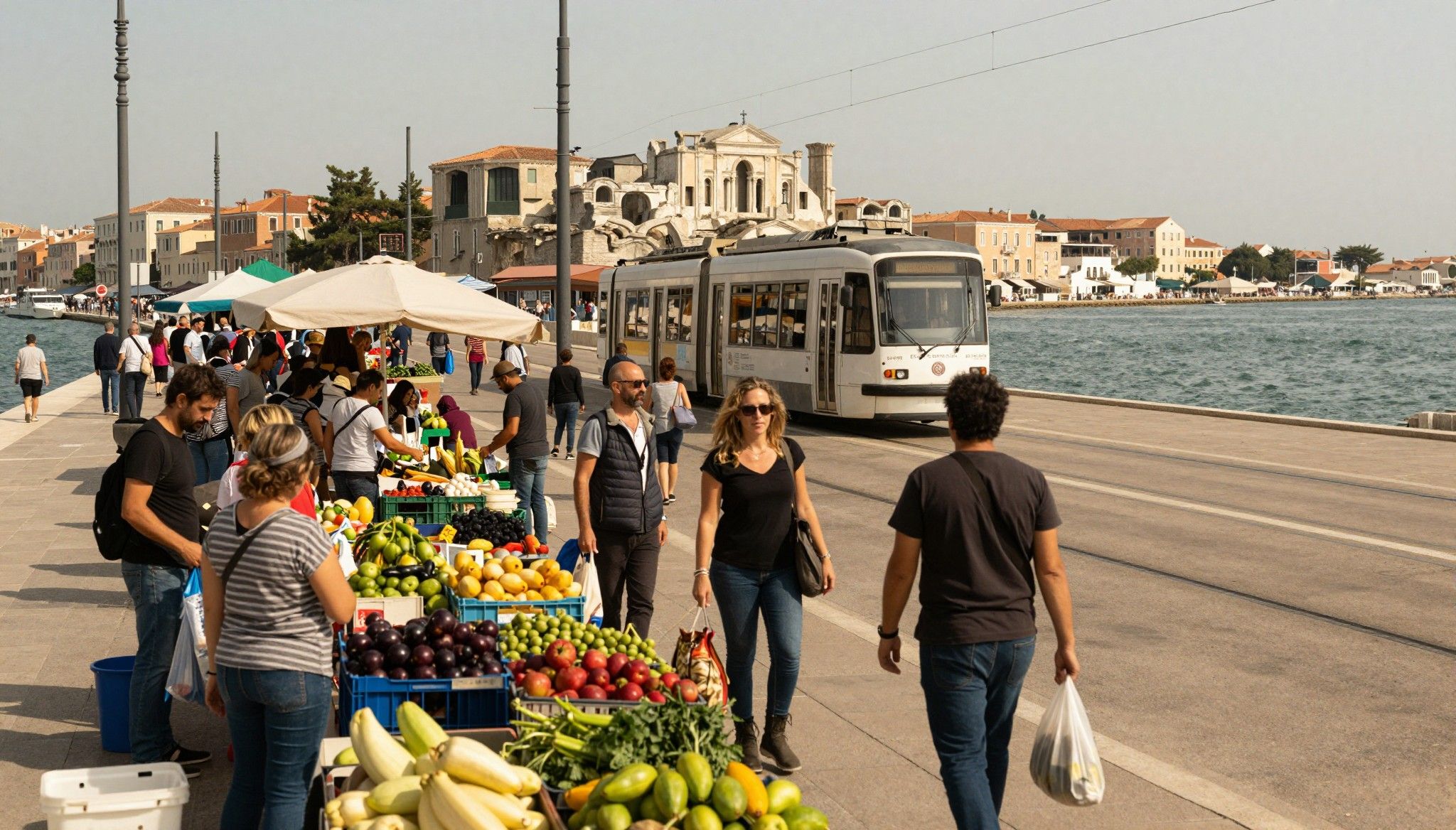
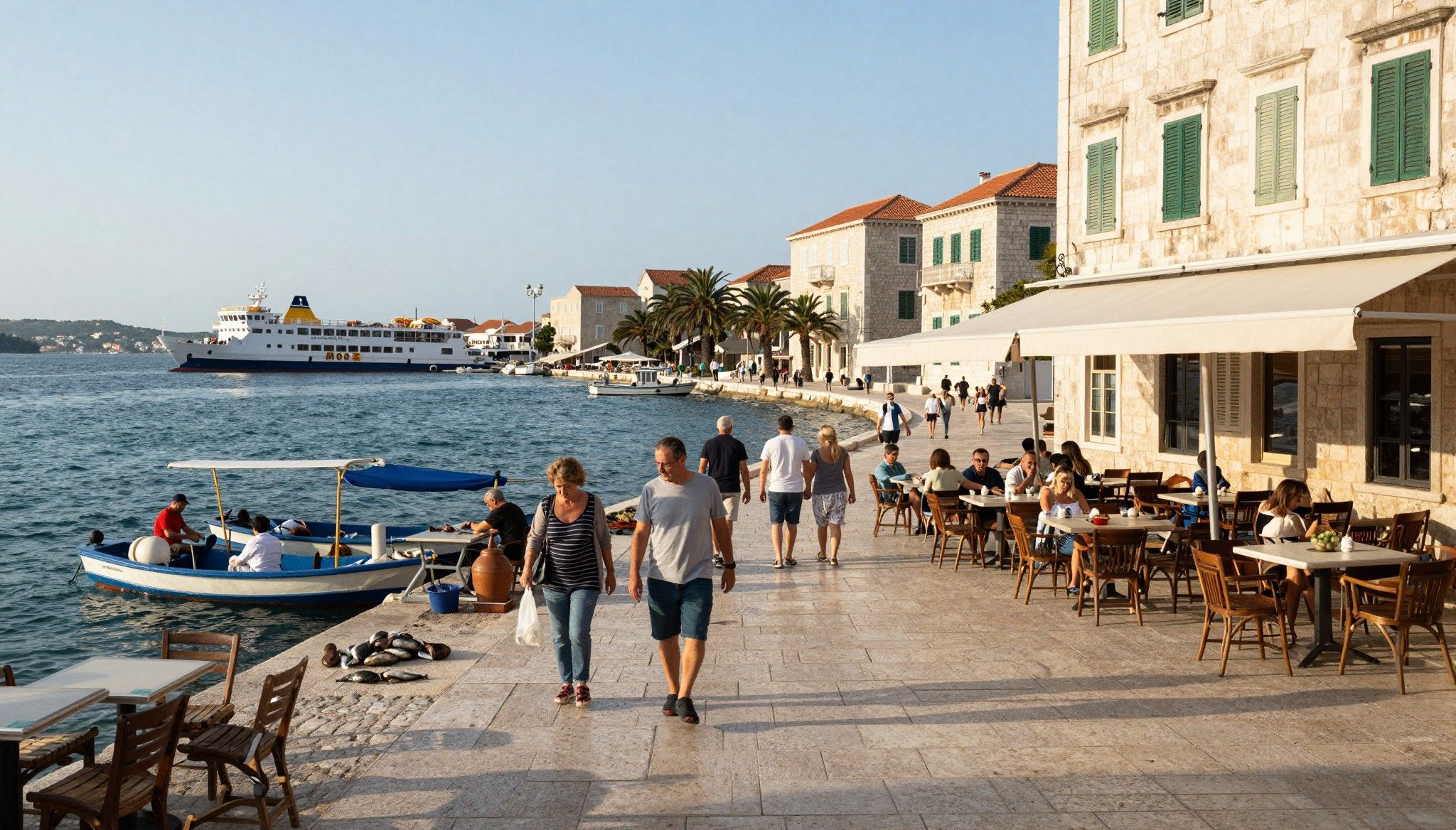
Italy is many countries in one: morning markets in Naples, café terraces in Florence, the canal hush of Venice, and the industrial rhythm of Milan. Streets dictate tempo — narrow cobbled lanes favour walking and short-term rentals; wide Viale-type avenues often host long-term tenants and families. Climate and season shape use: coastal towns show peak rental cashflow in summer; university cities deliver steady demand year-round. For investors, the question is not only which city but which street and which season will convert atmosphere into occupancy and yield.
Rome — grand layers, patchwork demand
In Rome, historic centre apartments near Campo de' Fiori command tourist interest but also carry high maintenance and stricter building rules; neighbourhoods like Prati and Monteverde strike a balance between long-term rentals and quality of life. Expect strong short-term demand around Vatican and Centro Storico but tighter yields once municipal taxes and condo fees are factored in. A practical rule: prioritise properties with separate tenant access and modern services to avoid upkeep shocks that erode net yield.
Tuscany & Piedmont — wine-country living vs. operational reality
Buying a farmhouse in Tuscany or a restored stone home in Langhe sells the dream of vineyards and slow Sundays, but these assets often need renovation, septic upgrades, and insurance for seismic risk. Seasonal rentals can deliver excellent summer income, yet operating costs and local permitting for renovations can delay returns. If your aim is income plus lifestyle, model renovation cost per square metre, seasonal vacancy, and the time-to-rent realistically before you commit.
- Lifestyle highlights to map into investment decisions
- Morning market shopping: Mercato di Sant'Ambrogio (Florence), Campo dei Fiori (Rome), Mercato Centrale (Naples).
- Coastal escapes: Sorrento terraces, Cinque Terre walking loops, Amalfi drive access — seasonality matters.
- Cultural anchors: opera in Verona, truffle season in Alba, university semesters in Bologna — steady rental pillars.
Making the move: practical considerations
The buying mechanics in Italy differ from many Anglo jurisdictions: a notarised deed (atto di compravendita), a preliminary contract (compromesso), and taxes calculated often on cadastral value rather than sale price. Official guidance from the Agenzia delle Entrate explains stamp duties, cadastral levelling and the special 'prima casa' benefits that can substantially reduce purchase taxes for occupier-buyers. For investors, the taxable base and whether VAT applies (new builds sold by developers) materially change acquisition costs and break-even timelines.
Key fiscal levers that reprice returns
Three taxes matter most to net yield: annual IMU (municipal property tax), TARI (waste tax) for occupiers, and income tax on rental receipts. Gross rental yields reported across Italy vary by city and asset class; recent market indexes show average gross yields in the mid-single digits to low double-digits for certain regional towns, but after taxes, management and vacancy the net yield narrows. Use published city-by-city yield tables (see market reports) and overlay local IMU rates to model net returns.
- Practical steps before you sign (a checklist)
1) Verify cadastral category and rendita catastale with a notary — it drives tax bases and IMU; 2) Model yield with local IMU assumptions and realistic vacancy; 3) Confirm permit status for renovations and short‑let permissions; 4) Budget 8–12% of purchase price for transaction costs if VAT applies vs. lower fixed duties for 'prima casa'; 5) Ensure an Italian fiscal code (codice fiscale) and bank account for tax settlements.
Insider knowledge: what expats wish they'd known
Expats often underrate municipal variation. Two identical apartments in different comunes can carry materially different IMU rates and local surcharges. Language barriers make permit timelines longer; a simple exterior alteration can require a SCIA (notice) and months of municipal processing. Non-residents must also plan for Italian income tax on rental earnings and consider whether cedolare secca (a flat tax on residential rental income) applies to their contracts — this can simplify and sometimes improve net yield but has eligibility rules.
Cultural and seasonal realities that affect cashflow
Seasonality in coastal and hill towns strongly affects short-term rent but also maintenance cycles: winter months expose damp, heating costs, and shutter repairs. Cultural norms — long August holidays (Ferragosto) and local festivals — can pause local services and lengthen project timelines. Social integration matters: a property in a close-knit borgo may have lower turnover but also stricter community rules on exterior changes; budget for relationship management as part of operating expenses.
- Common expat oversights
- Underinsuring for seismic risk; miscalculating cadastral-based taxes; assuming tourist-season rates year-round; ignoring condominium (condominio) reserve funds and their special assessments.
Work with a bilingual notary and a local fiscal advisor. The notary certifies title and checks mortgages; the fiscal advisor models how IMU, income tax, and substitute taxes (where applicable) will affect net cashflow. Use local agents who can show comparable lease contracts and recent short‑let calendars — soft market intelligence is as important as published price-per-sqm when you’re buying to rent.
How local agencies add value
- Local agents provide: gatekeeping for off‑market stock; accurate rendita catastale checks; introductions to vetted notaries and builders; real tenancy comparables and seasonal occupancy patterns.
Long-term, Italy rewards patient buyers who pair lifestyle intent with financial rigor. Cities like Milan and Bologna show capital-growth drivers from jobs and universities, while smaller towns may deliver higher gross yields but require active management. Use conservative yield assumptions, stress-test for five years of low occupancy, and remember that tax treatments (e.g., capital gains taxed if sold within five years) change the timing of returns. In short: buy the life, but model the numbers.
Ready to act? Start with three data pulls: a local price-per-m² comparable, the property's rendita catastale from the notary, and current IMU rates for the municipality. Ask your agent to produce a 12‑month cashflow using conservative occupancy and explicit line items for local taxes, condo fees, and maintenance. If that net yield meets your hurdle rate after tax, the piazza looks sweeter; if not, consider other streets or municipalities where local taxes and vacancy risk are lower.
Conclusion: Italy is a lifestyle-first market that can be an investment-grade asset if you translate atmosphere into disciplined financials. Use official sources for tax rules, insist on cadastral verification, and partner with local professionals who understand both the piazza and the spreadsheets. Fall for the life, but buy by the numbers.
Norwegian market analyst who relocated from Oslo to Mallorca in 2016, guiding Northern buyers through regulatory risk, currency hedging, and rentability.