Malta: Lifestyle First, Then Run the Numbers
Malta’s charm hides regulatory and cost lines—pair lifestyle scouting in Valletta or Sliema with stamps, AIP rules and yield modelling to protect returns.
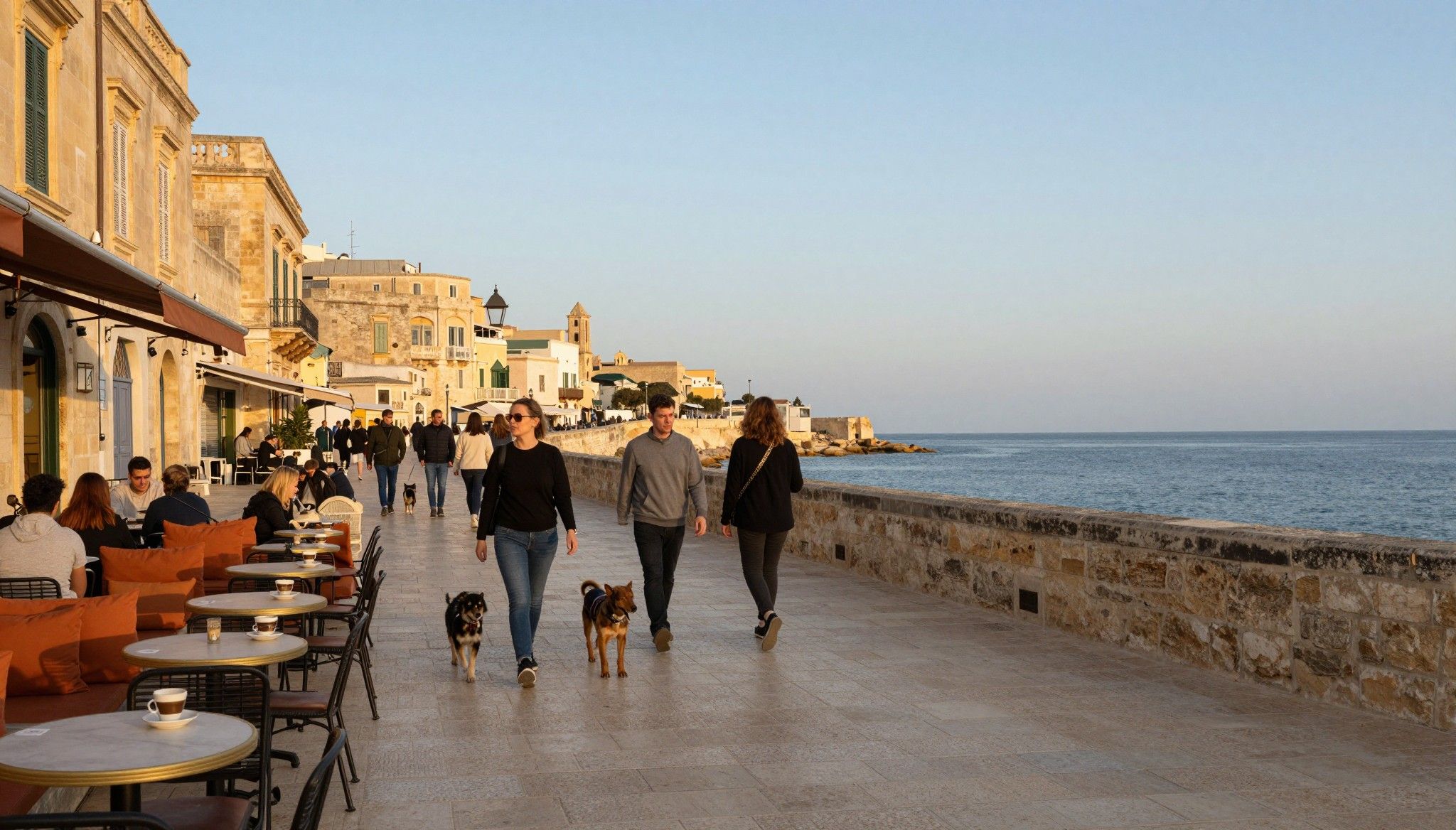
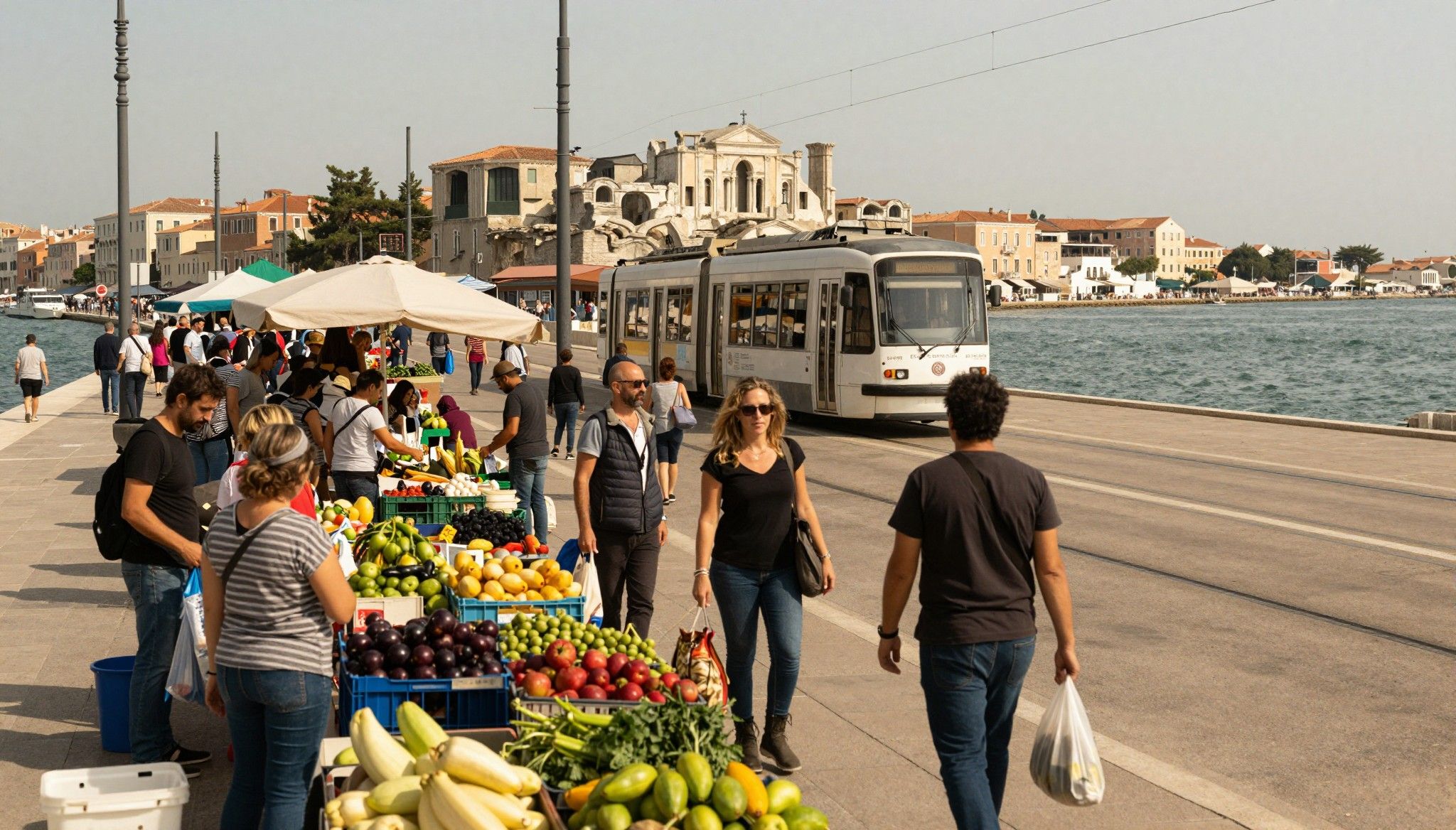
Imagine stepping out of a limestone door on Triq il-Merkanti in Valletta at 8am: coffee steam, fishermen sorting nets in the Grand Harbour, a neighbour sweeping sachetti of rosemary into the gutter. That sensory pulse—sea air, baroque façades, compact streets—explains why buyers fall for Malta. But affection alone shouldn't drive an acquisition: Malta’s tiny market, residency rules and evolving tax regime materially reprice returns for international buyers.
Living Malta: compact, bright, social
Malta is compact—distances are short, public life spills into piazzas, and seasons shape demand. Recent statistics show house prices have been rising year‑on‑year, so lifestyle choice and timing intersect with capital appreciation risk. For international buyers this means a purchase is both a personal move and a portfolio decision: pick the street that fits your life and model the numbers conservatively.
Neighborhood spotlights: Valletta, Sliema, Marsaxlokk
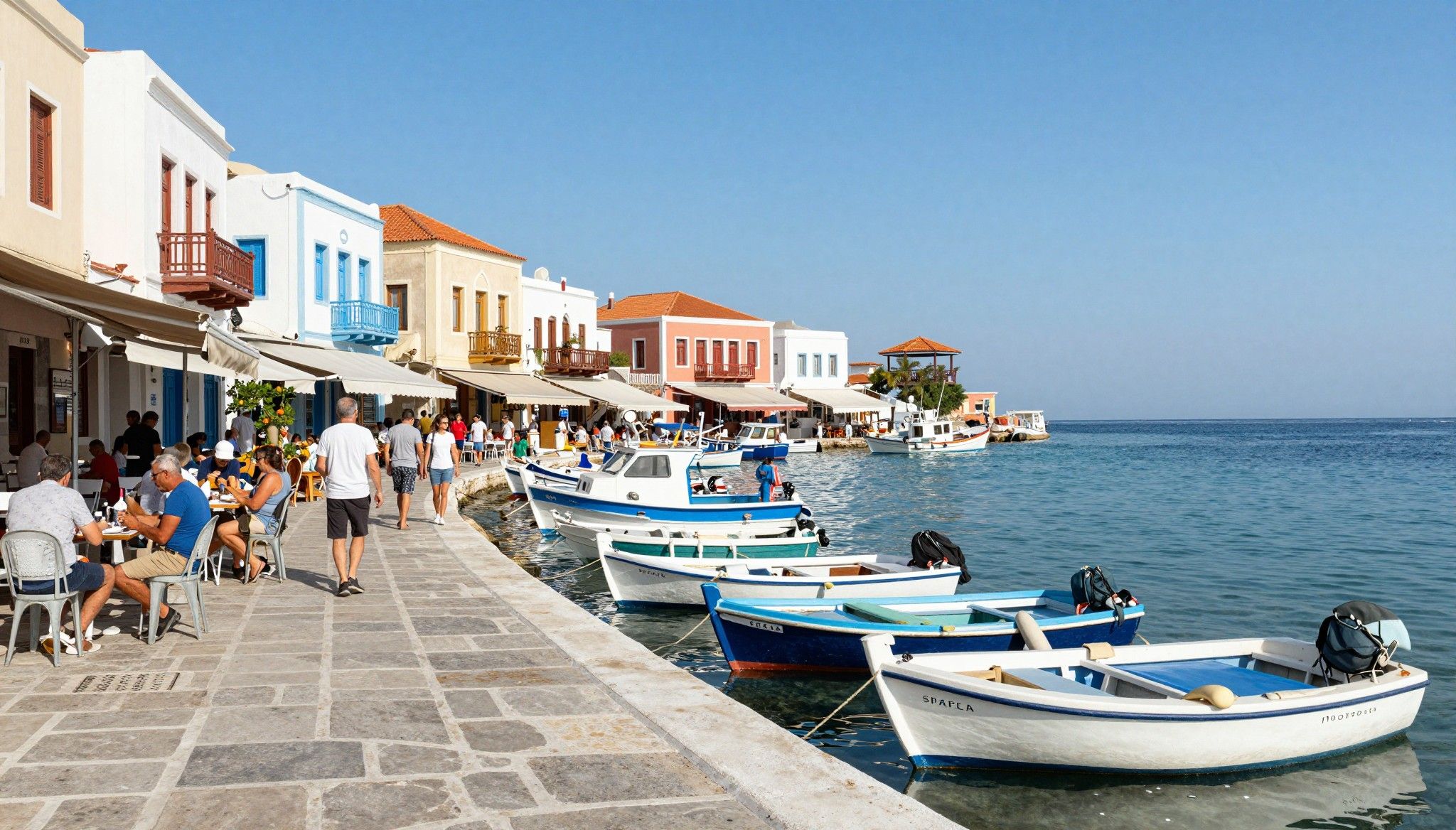
Valletta: narrow streets, heritage apartments, high tourist footfall—great for short‑let income but expect management costs and seasonal variance. Sliema/Gzira: trampling cafés, promenades and strong long‑let demand from professionals. Marsaxlokk/Delimara: fishing village calm, larger houses and more competitive per‑sqm pricing but longer commute to commercial centres.
Lifestyle scenes that matter for property choice
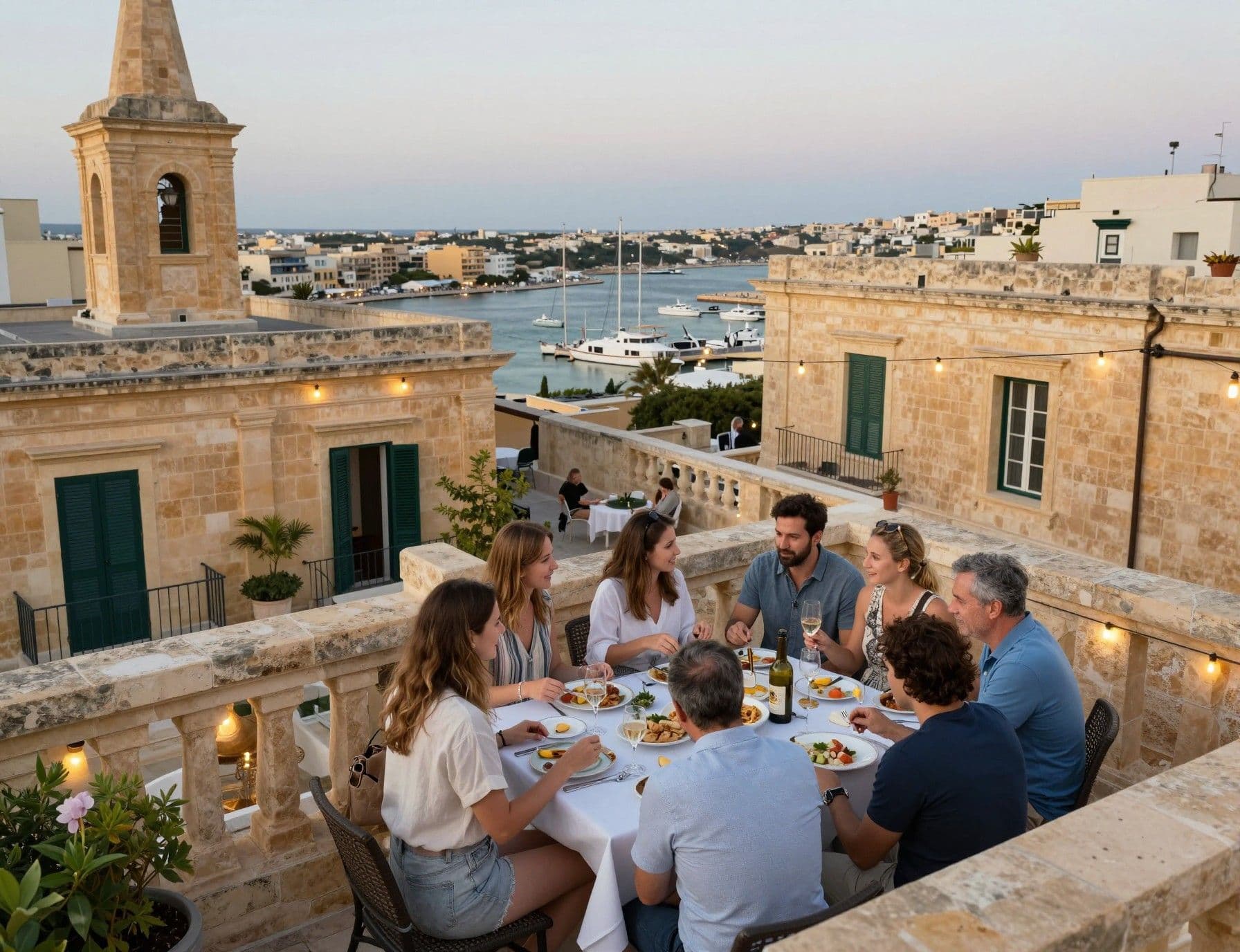
If you want terrace dinners, prioritise upper‑floor maisonettes with outdoor space. If daily rhythm is coworking and cafés, aim for Sliema or St Julian’s flats with reliable fibre. If quiet mornings and a garden are non‑negotiable, look to Gozo or the south coast where yields tend to be lower but lifestyle fit is higher.
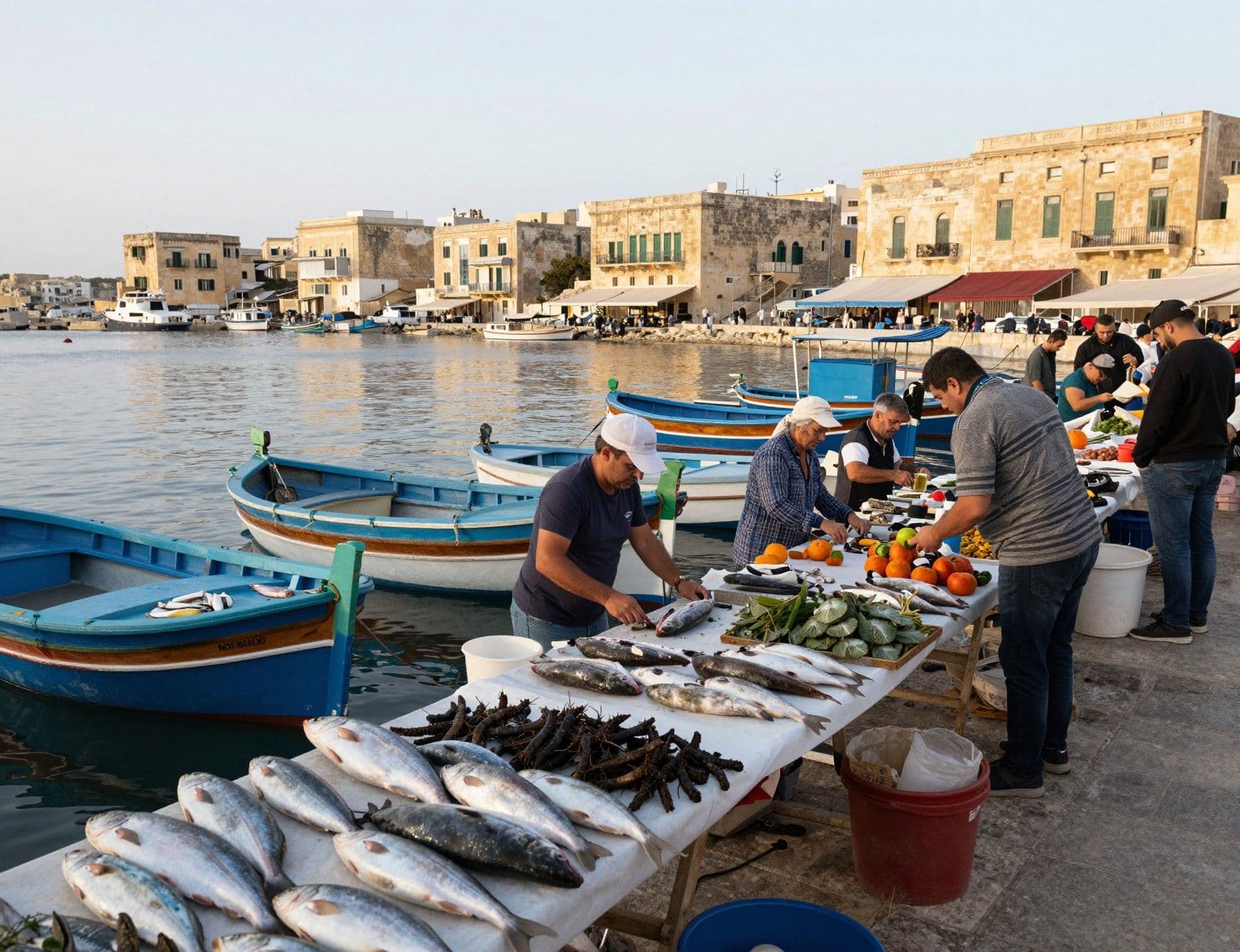
- Terrace breakfasts at Café Cordina (Valletta); Sunday fish market in Marsaxlokk; sunset walk along the Sliema promenade; aperitivo in St Julian’s Paceville squares
Making the move: rules that reprice your returns
Lifestyle choices meet regulation the moment you sign a promise of sale. Stamp duty, registration norms and special approvals for non‑EU nationals (AIP) are real cost lines. Official guidance from Malta’s tax authority and the Residency Malta Agency clarifies obligations, but application details—stamp duty timing, exemptions for first‑time buyers, or AIP processing—affect cashflow and timing.
Property styles and what they mean for investment
Apartments dominate Malta’s market; maisonettes and terraced houses command premiums in heritage neighbourhoods. New‑builds typically offer easier letting and lower maintenance short‑term, while older limestone units can deliver capital upside after sensitive restoration. Model cap rates at the unit type level—short‑let friendly apartments will have higher revenue variability than long‑let family houses.
Working with local experts who know both lifestyle and law
Choose advisors who combine lifestyle fluency with regulatory chops: a notary experienced in AIP approvals, tax advisors who model net yields after stamp duty and annual taxes, and property managers versed in short‑let licensing. The right team preserves the lifestyle you bought into while protecting returns.
- 1) Confirm buyer eligibility (EU vs non‑EU) and whether an AIP permit is required. 2) Factor stamp duty at signing (1% initial in practice) and balance at deed. 3) Model rental scenarios: long‑let vs short‑let net yields after management and license costs. 4) Include a 5–10% contingency for restoration and compliance work.
Insider knowledge: what expats wish they’d known
Many expats underestimate how seasonality and administrative processes shape cashflow. Valletta and the north coast see tourist spikes; that’s good for short‑lets but increases wear and management costs. Residency-by-investment rules can require qualifying property thresholds and minimum holding periods—plan for five years in many cases.
Cultural and practical integration: language, community, services
English is an official language and the expat community is active around Sliema, St Julian’s and Pembroke. Yet social life still orbits family‑run cafés, parish festas and market mornings. For long‑term living, proximity to healthcare clinics, international schools and reliable internet matters as much as immediate charm.
Hidden costs and regulatory red flags
- Unclear land registry records, AIP delays for non‑EU buyers, unexpectedly high restoration costs for limestone façades, short‑let licensing and compliance fees, higher insurance in coastal flood‑exposure zones
Practical next steps: visit the street at three different times (morning market, weekday evening, Sunday), request historical utility and maintenance records, and ask your notary to confirm any AIP or planning constraints before signing. Those three small actions prevent large mistakes.
A quick yield checklist before you offer
- 1) Calculate gross yield using realistic occupancy assumptions (seasonal short‑let vs long‑let). 2) Subtract management, compliance, insurance and a 10% maintenance buffer. 3) Apply expected capital appreciation scenarios based on recent RPPI trends. 4) Tax model: include stamp duty, annual property taxes and personal income tax on rental revenue.
Long term: treat Malta as a high‑concentration small market. Liquidity is thinner than larger European markets; price discovery can be local and sudden. For investors who love Malta’s lifestyle, balance emotional attachment with disciplined modeling: assume modest appreciation, stress test yields, and lock a holding period of five years or more.
Conclusion: Malta sells a life—café corners, limestone balconies and Mediterranean light—but successful purchases pair that life with sober numbers. Visit the neighbourhoods, build a local advisory team, model after‑tax net yields and plan for regulatory timelines. Do that, and Malta can be both home and a measured portfolio allocation.
Swedish financier who guided 150+ families to Spanish title deeds since relocating from Stockholm in 2012, focusing on legal and tax implications.