Malta: Lifestyle First, Then Run the Numbers
Malta’s compact lifestyle hides small regulatory levers — stamp duty, AIP permits and residency schemes — that materially change net yields for international buyers.
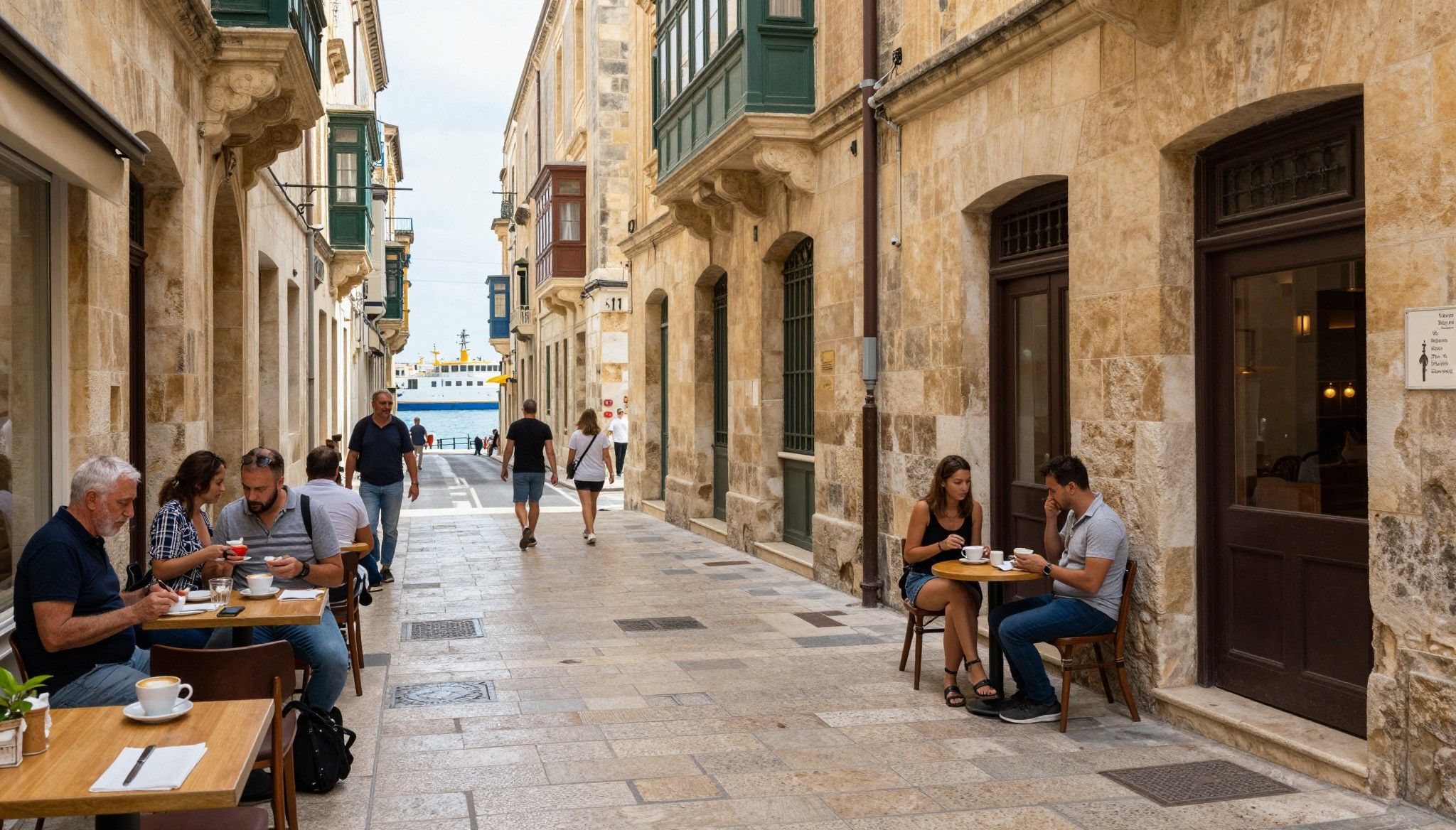
Imagine mornings in a narrow Valletta lane — espresso steam, limestone warmed by the sun, the distant clip of a ferry horn — and afternoons walking the Sliema promenade where small grocery stores trade in fresh fish and local gossip. Malta compresses city life, sea and history into a single, walkable day. For international buyers that compactness is intoxicating, but the island’s small scale also concentrates regulatory quirks and tax rules that change investment returns faster than Mediterranean weather.
Living the Malta lifestyle: what you actually buy into
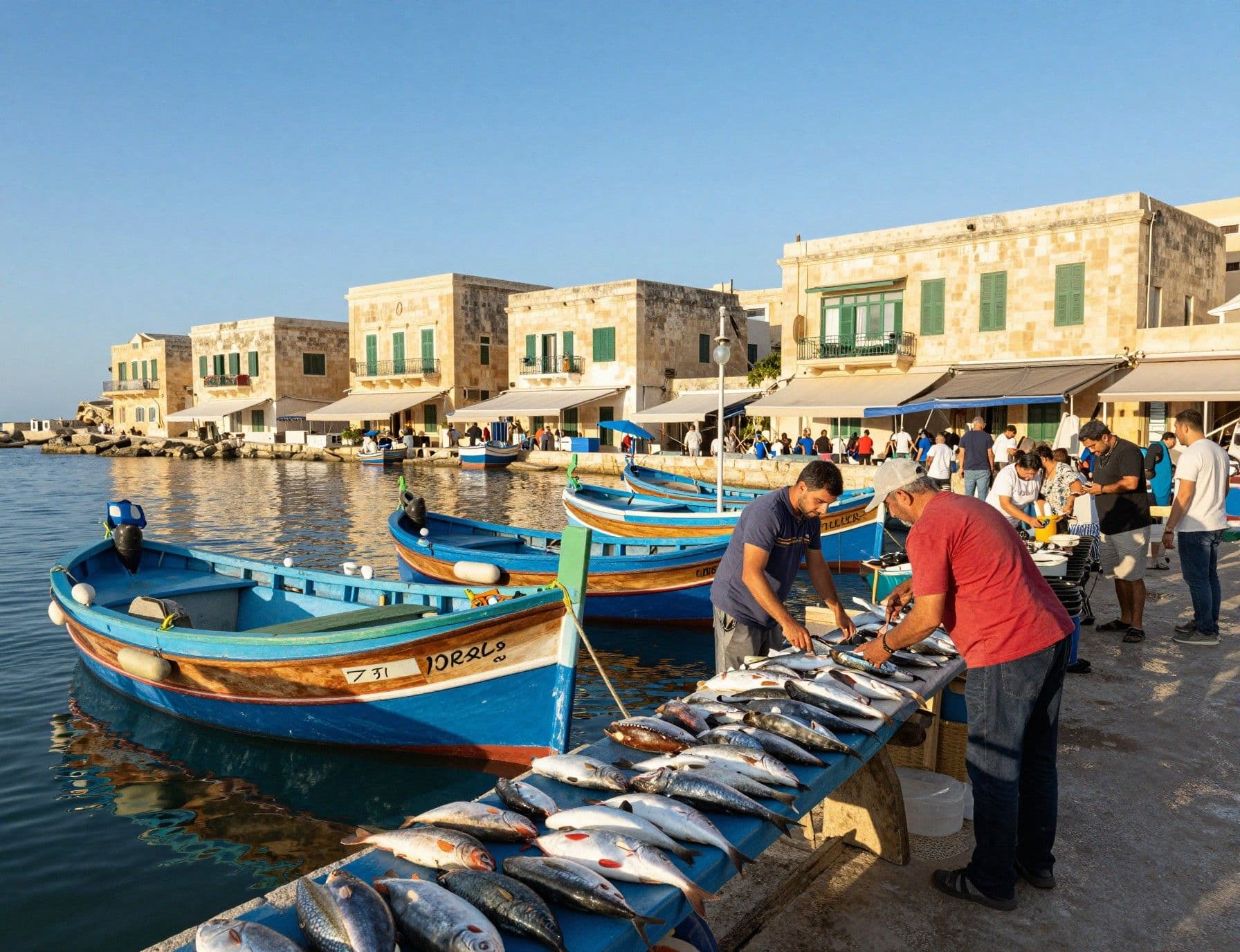
Living in Malta feels like a long weekend stretched across an entire year. Streets around St Julian’s pulse with cafés and short-let demand; Rabat and Mdina offer quiet afternoons in baroque courtyards; Gozo’s fields and slow rhythm answer a different call. For a buyer weighing lifestyle against yield, the split is clear: coastal towns deliver steady tourist interest and short‑let premiums while inland villages often offer lower purchase prices and longer-term tenants.
Neighborhood spotlight — Sliema, St Julian’s and Valletta
Sliema: espresso corners and apartment blocks that rent easily to professionals and tourists. St Julian’s (Paceville): nightlife hub with the highest short‑let turnover. Valletta: UNESCO-listed streets, premium per-square-metre prices and a small but reliable market for furnished luxury units. Each micro-market attracts distinct tenant profiles, so your target occupant — digital nomad, family, seasonal tourist — should shape both neighbourhood and unit choice.
Food, markets and weekend life
Weekends orbit around markets (Marsaxlokk’s fish market on Sunday), family-run pastizzerias, and the outdoor terraces of Gżira and Ta' Xbiex. Festivals — village festas in summer, Valletta’s cultural events in spring — reshape rental demand seasonally and can create short windows of higher nightly rates for furnished rentals. That rhythm matters: a property suited to long‑stay tenants performs differently than a short‑let-ready flat near annual events.
- Lifestyle highlights: Sliema promenade walks; Marsaxlokk fish market; Valletta theatre nights; Ghajn Tuffieha beach weekends; Ta’ Qali artisan markets; Gozo’s rural pace.
Making the move: practical considerations that change returns
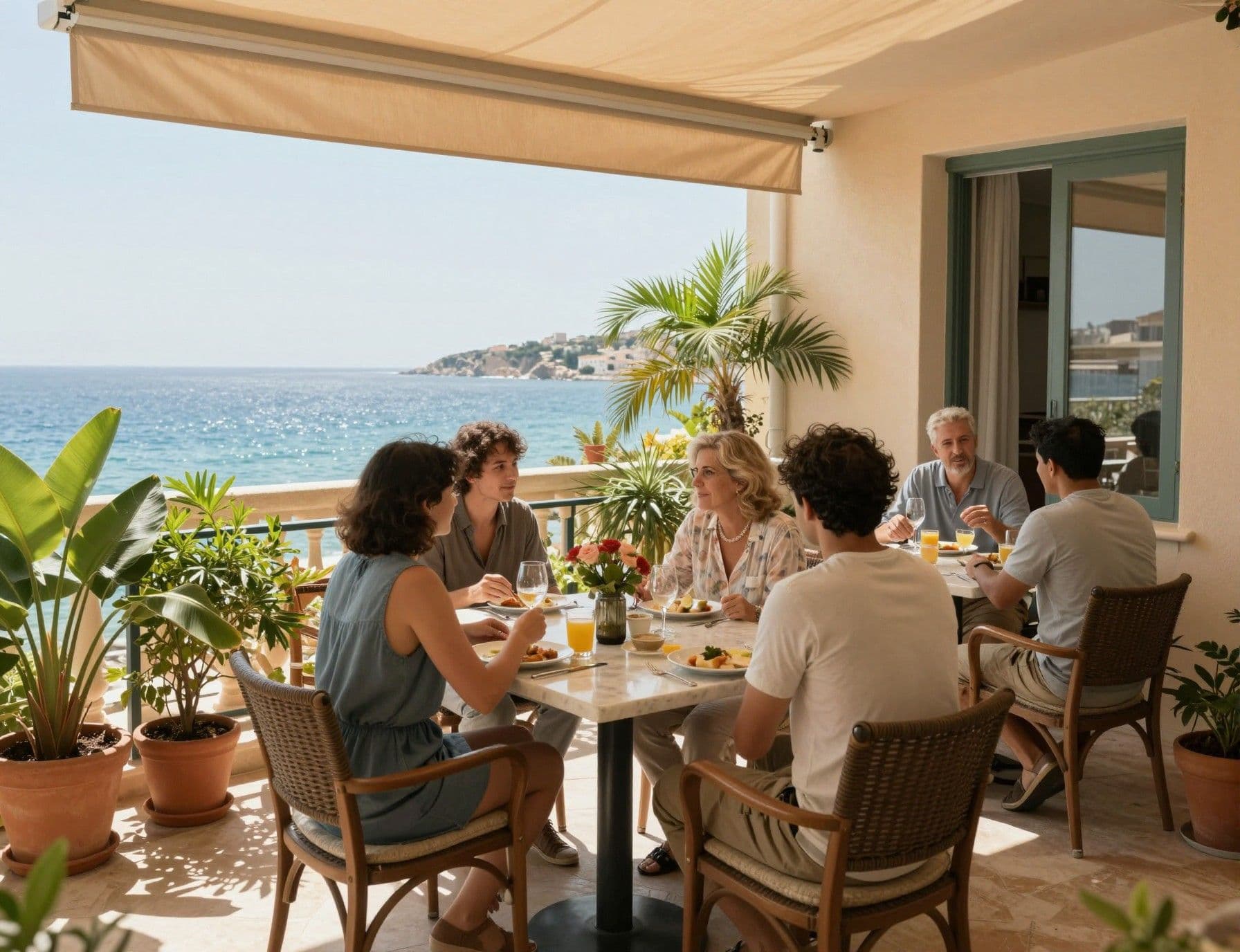
Malta’s charm masks a tightly regulated, small-stock market. Recent studies and budget measures show prices rising and targeted stamp‑duty reliefs that shift which buyers benefit most. These rules — stamp duty bands, first‑time buyer exemptions and Urban Conservation Area incentives — alter transaction costs materially and must be modelled into your net yield and break‑even horizon.
Property types and how they match lifestyles
Apartments in converted townhouses are the island’s rental workhorses; modern seafront flats command higher per‑sqm prices but also attract short‑let demand. Terraced homes and maisonettes suit families seeking stability and lower vacancy risk. Match unit type to expected tenancy length: short‑let setups need management, furnishing costs and higher turnover; long‑let units trade lower income volatility for simpler operations.
Working with local experts who know the rules
Because stamp duty reliefs, AIP (Acquisition of Immovable Property) permissions for non‑EU buyers and residency-linked schemes change, retain a Maltese notary plus a locally licensed agent experienced in cross‑border clients. They’ll quantify transaction costs, confirm whether a property qualifies for first‑time buyer or UCA discounts, and help forecast taxable rental income after allowable deductions.
- Purchase checklist combining lifestyle and finance: 1) Verify AIP requirements if you are a non‑EU buyer and map expected timeline. 2) Model stamp duty (standard 5% but with first‑time/targeted reliefs) into acquisition costs. 3) Forecast tenant profile and realistic occupancy (seasonal peaks around festas and summer). 4) Budget for furnishing and short‑let compliance if targeting tourist income. 5) Confirm local insurance and maintenance pricing for limestone buildings.
Insider knowledge: what expats wish they’d known (and how regulation shapes it)
Expats often under‑estimate two realities: (1) small legal shifts — stamp duty adjustments, first‑time buyer windows — can change net yield by hundreds or thousands of euros; (2) community fit matters more than amenities. Tenants in Sliema expect fast ferries and cafes; tenants in Rabat want quiet and schools. Regulatory choices (residency routes, tax exemptions) determine which tenant pool you can target legally and profitably.
Cultural integration, language and daily life
English is an official language, which flattens the onboarding curve for many buyers. Still, knowing Maltese neighbourhood customs — festa calendars, waste collection schedules, communal roof rights — prevents costly misunderstandings during renovation or letting. Local community committees can influence planning approvals in conservation areas, so build those relationships early.
Longer-term lifestyle and investment considerations
Expect the market to remain supply‑constrained. Price per square metre rose notably in recent years, pushing price‑to‑income ratios higher; that supports capital appreciation assumptions but compresses immediate gross yields. Strategically, buyers focused on total return should balance capital growth in Valletta and St Julian’s with higher-yielding inland or Gozo units to smooth portfolio cash returns.
- Red flags and practical tips: • Check AIP status early if non‑EU — delays add holding costs. • Model stamp duty after any first‑time or UCA exemptions; don’t assume 5% applies uniformly. • Confirm short‑let licensing rules and municipal bylaws in your target locality. • Budget for limestone maintenance and occasional damp/insulation upgrades. • Ask for rental history and event calendars (festas, conferences) that affect occupancy.
Conclusion: Malta sells a compact Mediterranean life you can taste in a single walk from café to sea. For investors the island offers an unusual mix: clear demand drivers, seasonal rental premiums and regulatory levers that materially change returns. Treat lifestyle as the reason you buy but run the numbers with local tax and permit realities first — that pairing is what turns a desirable property into a durable investment.
Swedish financier who guided 150+ families to Spanish title deeds since relocating from Stockholm in 2012, focusing on legal and tax implications.