Malta’s Hidden Regulatory Premium: Lifestyle vs. True Yield
Malta’s lifestyle premium is real—and so are the regulatory and stamp‑duty costs. Model yields with AIP rules, deed comparables, and maintenance for limestone façades.
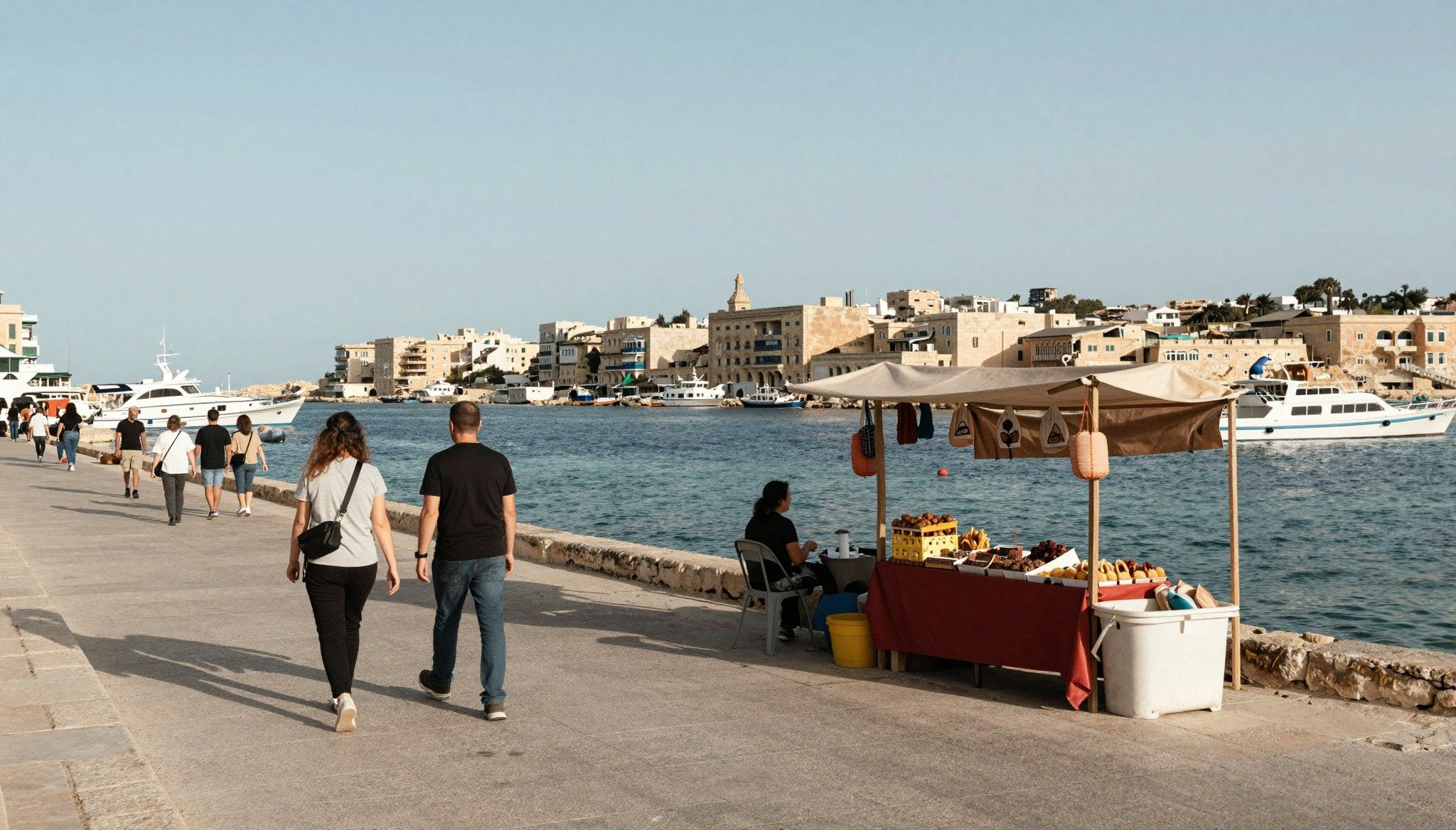
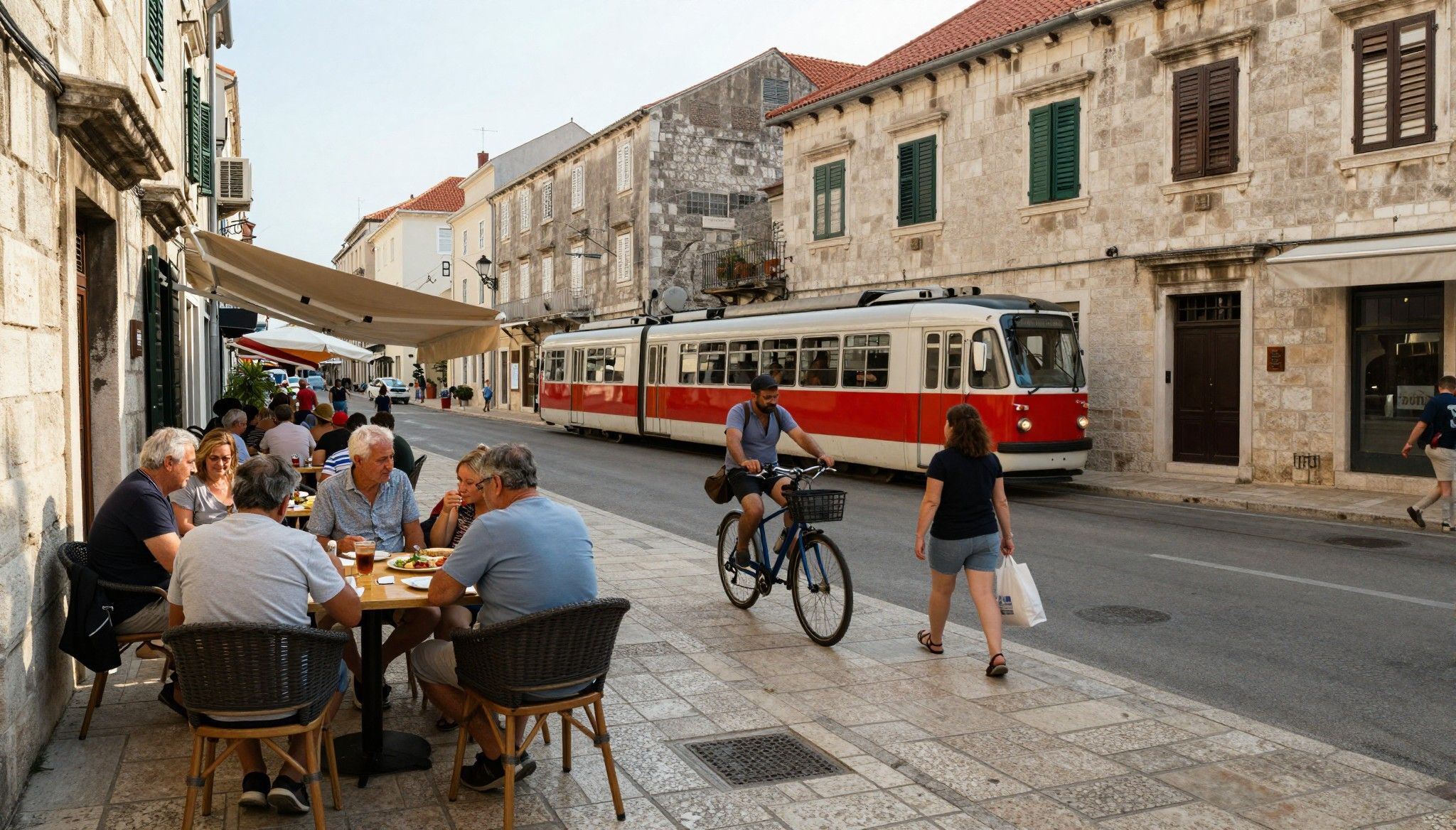
Imagine stepping out for an early espresso on a limestone street in Valletta, the harbour alive with delivery boats while a neighbour sweeps the stoop — and then, across town, seeing new glass-front apartments in Sliema listed well above €3,000 per sqm. Malta’s compact size concentrates contrasts: historic urban fabric beside high-demand coastal corridors. That compression shapes both lifestyle and the legal rules foreign buyers must navigate; choosing a home here is as much about social rhythm as about permits, tax treatments and true total cost.
Living Malta: daily rhythms that change how you buy
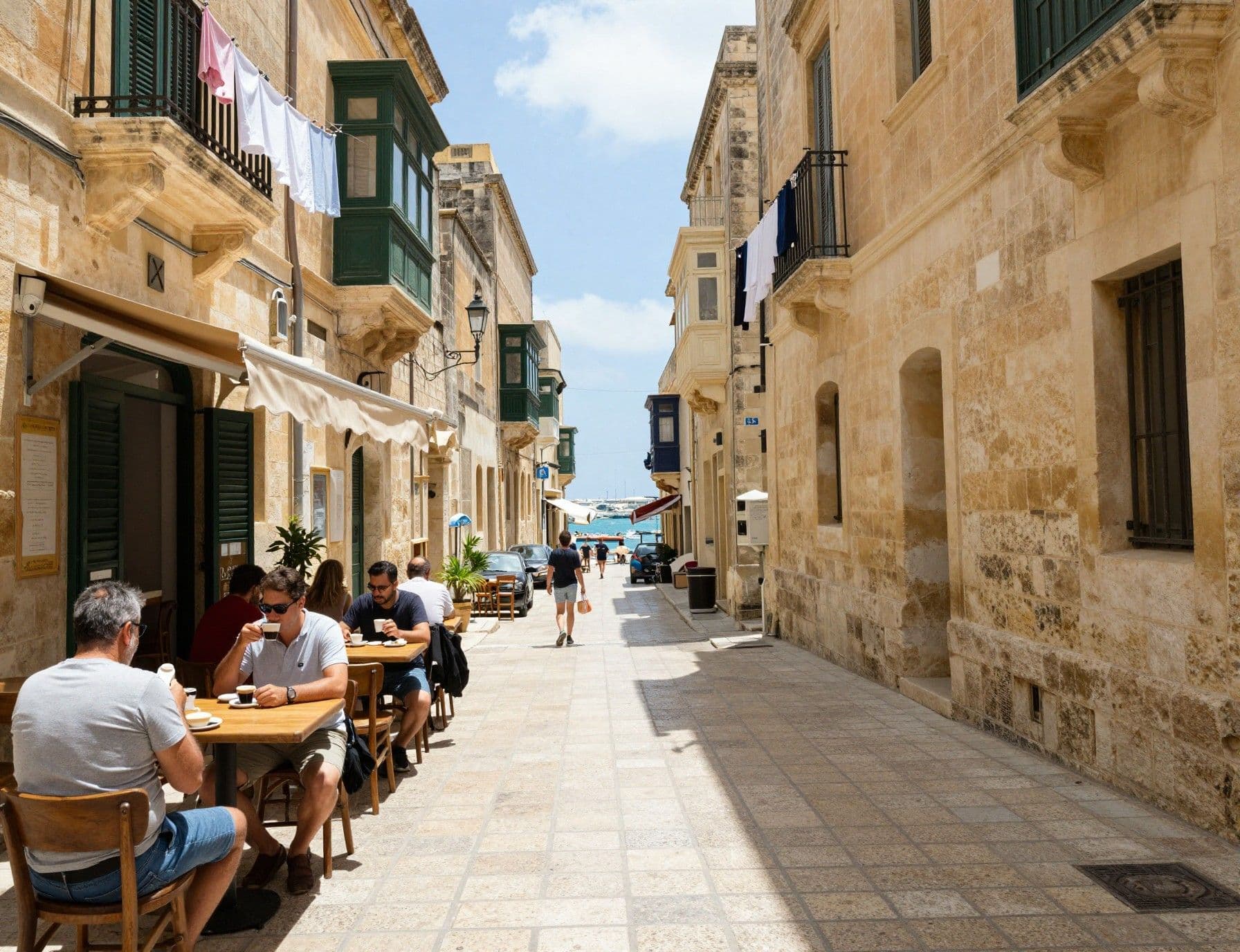
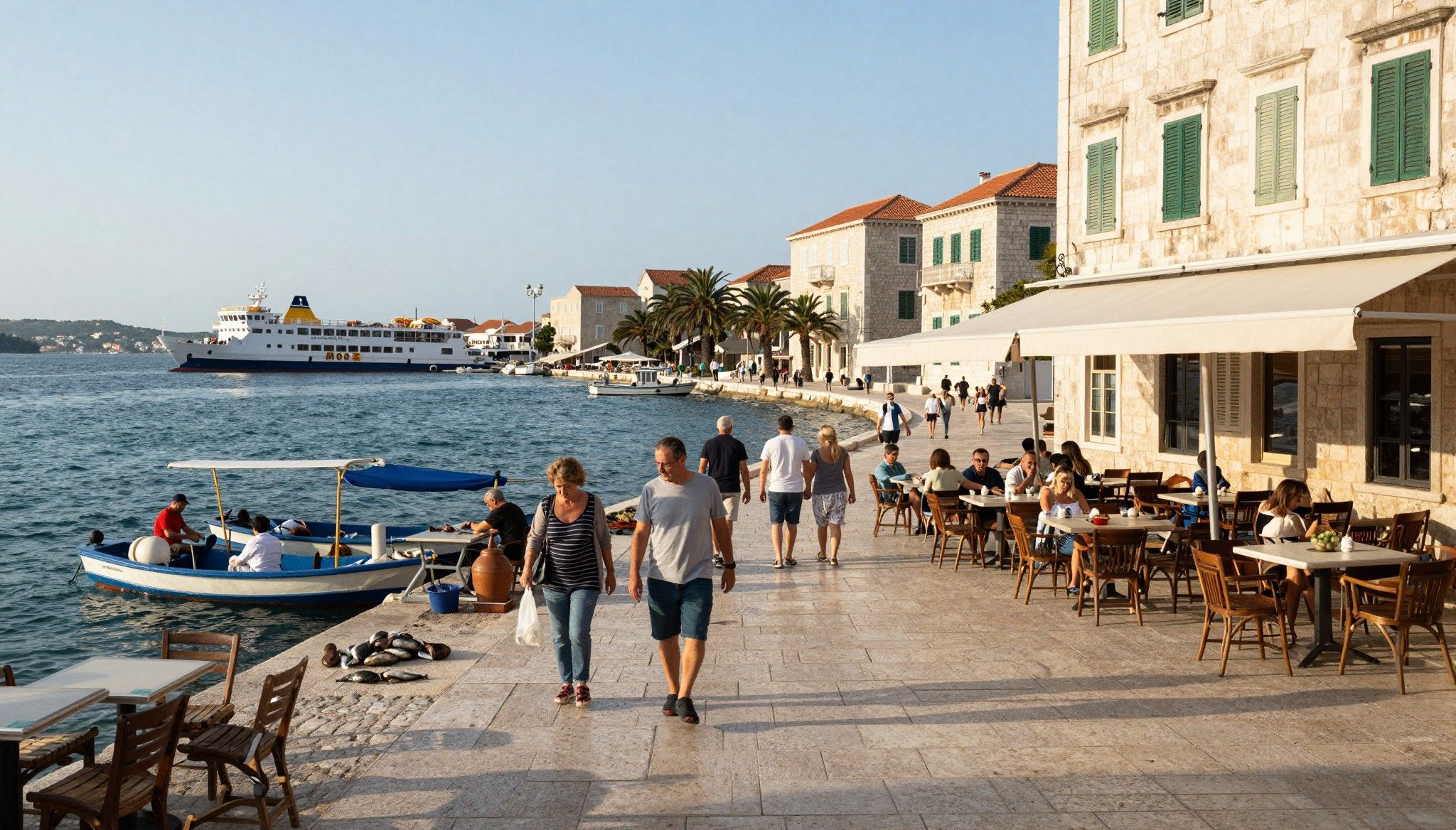
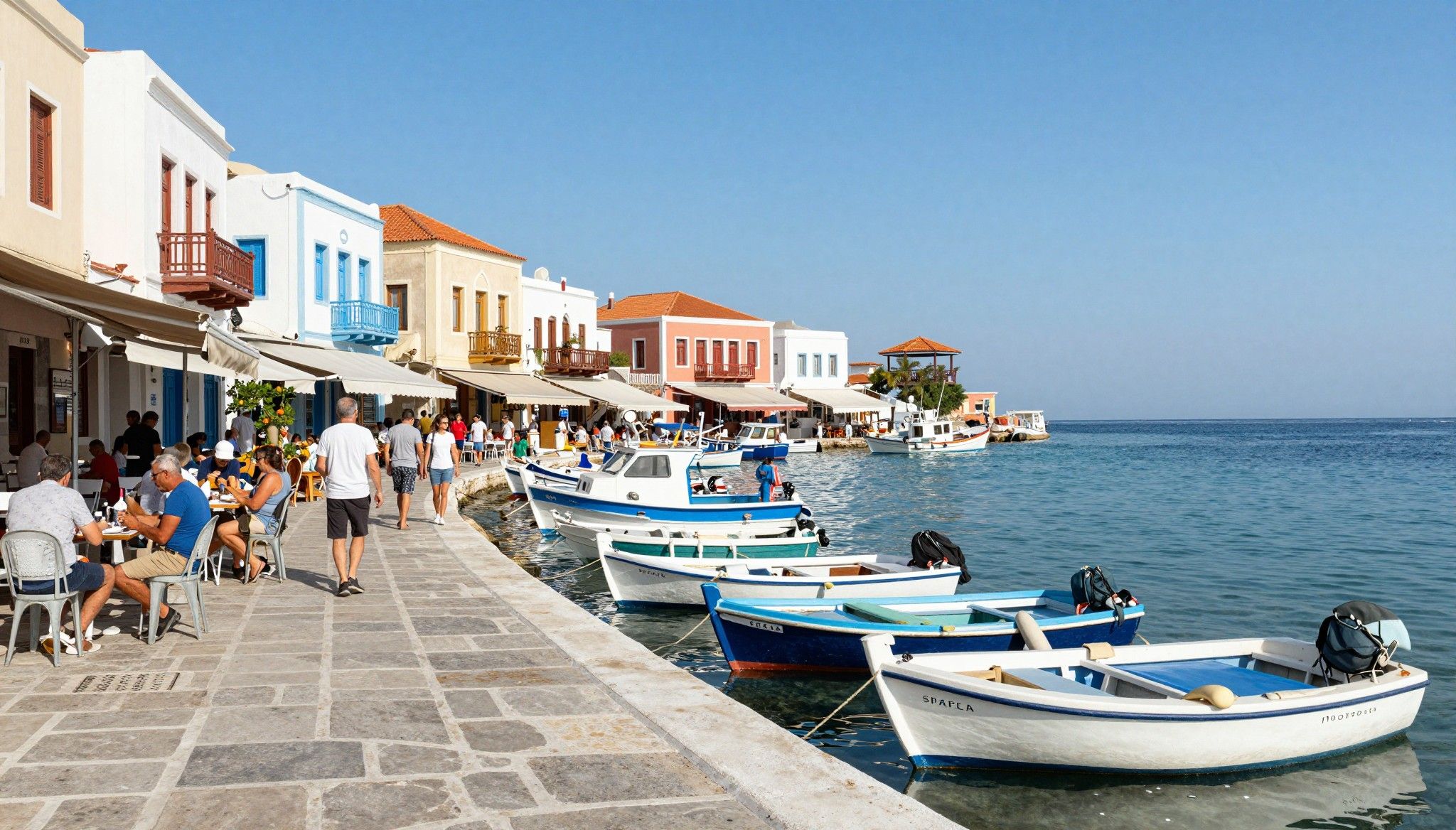
Life in Malta feels concentrated and immediate. Mornings mean pastries and street conversations; afternoons drift toward the sea; evenings cluster around piazzas and waterfront cafés. For buyers this means a premium on walkability, outdoor terraces and proximity to specific micro-markets — a home’s lifestyle value often outstrips square-metre arithmetic because it directly affects rental demand and pricing velocity.
Valletta & The Three Cities — history that rents
Valletta’s baroque streets and the Three Cities’ waterfront warehouses are magnets for short-term visitors and high‑end long‑stay renters who prioritise character and centrality. Expect smaller floorplates, high per‑sqm prices and a tenant pool of professionals and cultural tourists — good for premium short lets but trickier if local regulation tightens around tourist rentals.
Sliema–St Julian’s corridor — sea, services, and yield dynamics
Sliema and St Julian’s sell lifestyle: waterfront cafés, coworking, expatriate social scenes and reliable short‑let demand. That desirability shows in price data: recent NSO and industry indexes place Malta’s average prices in the high thousands per sqm range and rising annually, so buyers targeting rental yield must balance top‑line rents against high entry prices and local duty regimes.
- Lifestyle highlights (taste the market before you buy)
- Morning espresso on Strait Street, Valletta; rooftop terraces with harbour views in Marsamxett
- Sunday market and fish stalls at Marsaxlokk — useful for local letting appeal
- Evening promenades and coworking hubs in Sliema that draw long‑stay remote workers
Making the move: rules, taxes and where the myths hide
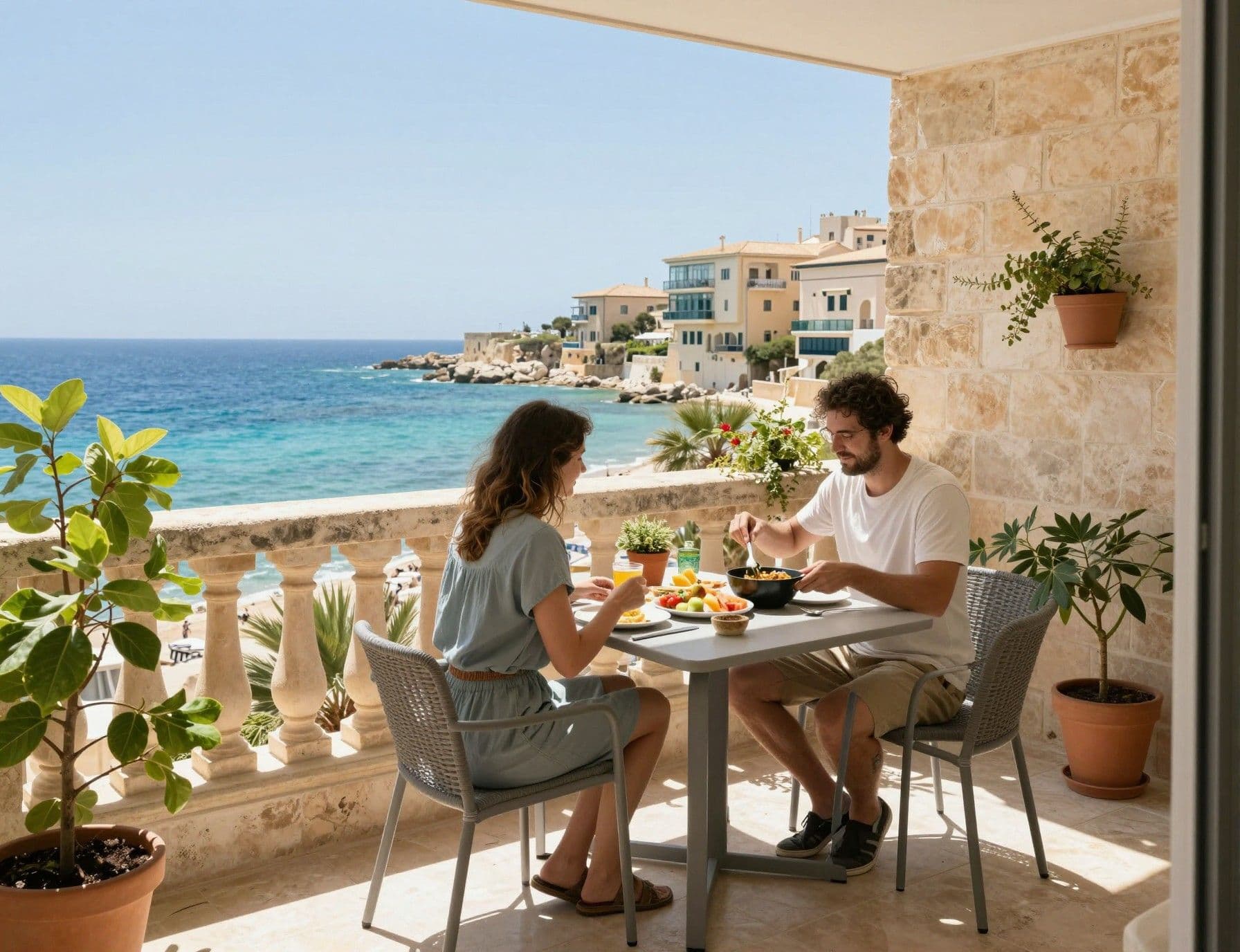
Here’s where common assumptions break down: non‑EU buyers often think they can’t buy at all — but Malta’s Acquisition of Immovable Property (AIP) framework creates clear, conditional routes depending on residency, nationality and whether the property is in a Special Designated Area. Price inflation concentrated in coastal and central nodes means stamp duty and purchase taxes represent a larger absolute outlay than headline price alone suggests. Recent market reports show average asking prices north of €3,000–€3,200/sqm in prime segments, reinforcing the need to model total acquisition cost, not just advertised price.
Stamp duty, exemptions and the real maths
Stamp duty is payable on purchases; recent policy changes include temporary exemptions and reliefs for first‑time buyers on portions of value that materially alter upfront cash needs. That matters because stamp duty is charged on the purchase price, not on an assessed lower value, so a 5–7% duty on a rapidly rising price base changes deal IRRs quickly. Always model yield scenarios with full duty included.
Residency and investment programs: citizenship is not a shortcut
Malta’s high‑profile citizenship-by-investment route has been effectively curtailed by EU legal rulings. Residency schemes remain available but expect stricter due diligence and explicit financial thresholds. Buyers should separate property decisions from expectations of fast‑track citizenship — they are legally distinct and increasingly constrained.
Property types, agencies and local expertise that preserve yield
Malta’s stock mixes tiny historic flats, terraced houses and modern blocks. For an investor, a renovated Valletta maisonette commands a premium nightly or long‑let rate; a contemporary two‑bed in Gzira or Sliema often gives steadier year‑round income. The choice shifts the management model — short lets need guest services and compliance; long lets need tenant screening and stable contracts.
Work with agencies that map lifestyle demand to regulation
- Step 1: Ask the agent for comparable net yields (post‑tax, post‑duty) and recent occupancy data for the exact micro‑market.
- Step 2: Request deed‑level transactions (not asking prices) for the last 12 months to check realised price per sqm.
- Step 3: Confirm AIP eligibility or residency links that affect freehold rights and purchase timelines.
- Step 4: Build a 5‑year cashflow that includes maintenance on limestone façades and potential vacancy spikes in off‑season months.
Insider knowledge: what expats wish they'd known
Expats often report underestimating small, repetitive costs: communal maintenance on historic blocks, VAT on certain renovation works, and the hassle of securing an AIP where relevant. Socially, integration happens through local clubs, language schools and neighbourhood cafés more than through formal expat networks — that shapes where you’ll want to live because community ties reduce turnover and improve long‑term rental stability.
Cultural cues that affect occupancy and upkeep
Malta’s climate accelerates façade wear and forces frequent maintenance of external stonework. Neighbours value respectful use of shared spaces; noise rules are enforced locally and can shape short‑let permissions. These non‑financial factors materially affect net yield through maintenance schedules and tenant selection criteria.
Looking ahead: elasticity of demand and regulatory watchpoints
Price momentum in Malta has outpaced many EU peers in recent years, compressing yields if rents don’t keep pace. Watch: residential RPPI changes, policy shifts on tourist rentals, and any new AIP amendments. Sensible buyers run scenario analyses for 3‑5 year cycles rather than assume perpetual capital appreciation.
- Quick risk checklist before you bid
- Confirm AIP/residency constraints for your nationality and the property location
- Include stamp duty, notary fees, agency commissions and likely façade maintenance in acquisition costs
- Stress‑test yields for 20–30% vacancy in tourist‑dependent micro‑markets
Conclusion: love the limestone, mind the paperwork. Malta rewards buyers who prioritise micro‑market fit and legal clarity over postcards. Start with a local agent who provides deed‑level comparables, run full costed yield models including duties and maintenance, and preview neighbourhood life — sip the espresso, listen to the harbour, then sign with full visibility on the numbers.
Danish relocation specialist who moved to Cyprus in 2018, helping Nordic clients diversify with rental yields and residency considerations.