How Malta’s Residency Rules and Short‑lets Reprice Yield
Malta’s compact lifestyle concentrates rental demand and regulatory levers—model residency thresholds and short‑let taxation to protect net yield.
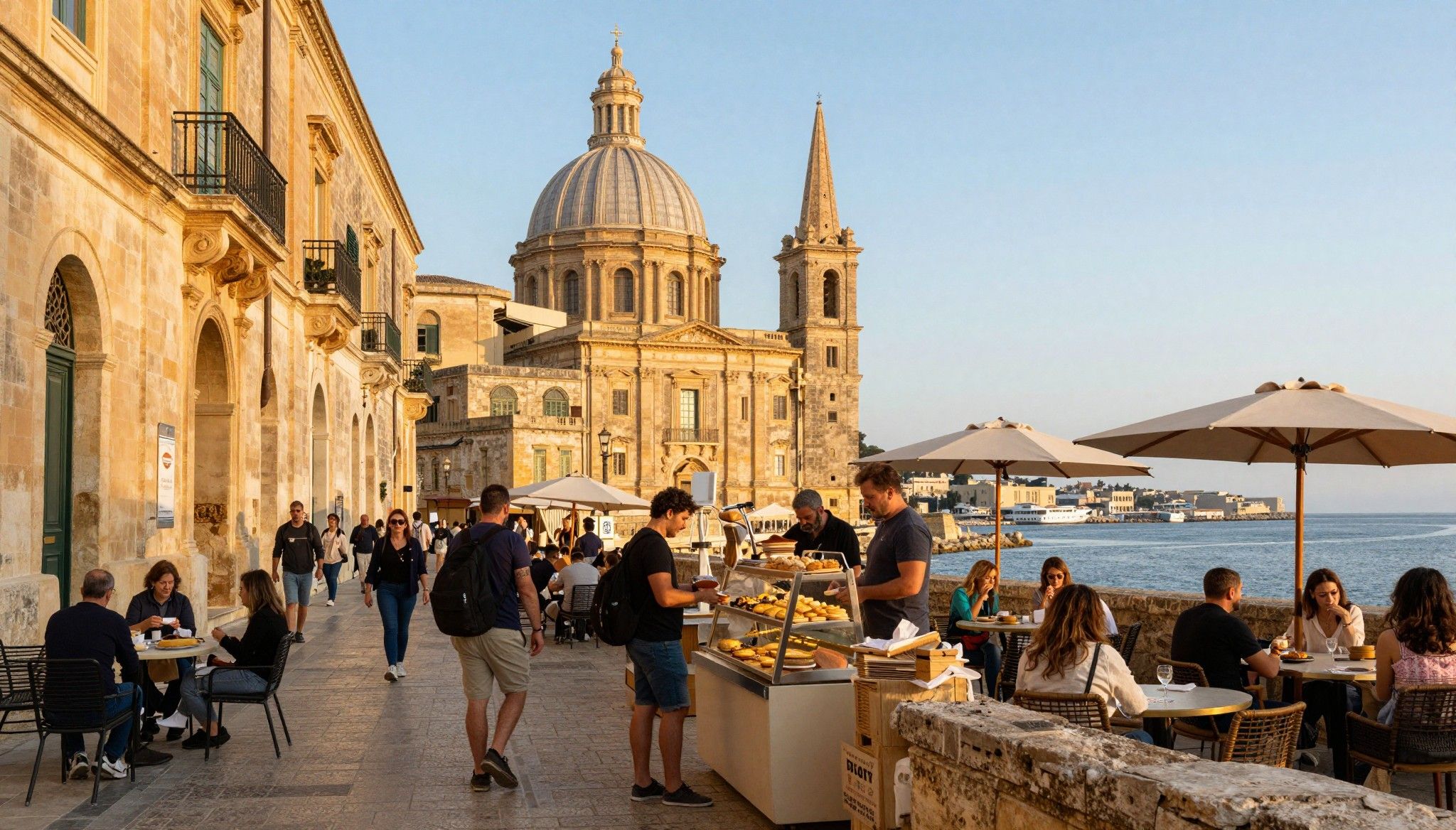
Imagine stepping out of a tramonto-scented alley in Valletta, espresso in hand, knowing the narrow limestone street outside is also part of a disciplined investment thesis. Malta is compact — 27km north‑south — which concentrates lifestyle benefits and regulatory idiosyncrasies into a small geographic footprint. For international buyers that’s a feature: proximity reduces vacancy risk, but tight supply means legal and tax details reprice yield faster than in larger markets. We’ll show where the romance meets the registrar’s office and why a lifestyle-first purchase without regulatory homework can erode expected returns.
Living the Malta lifestyle
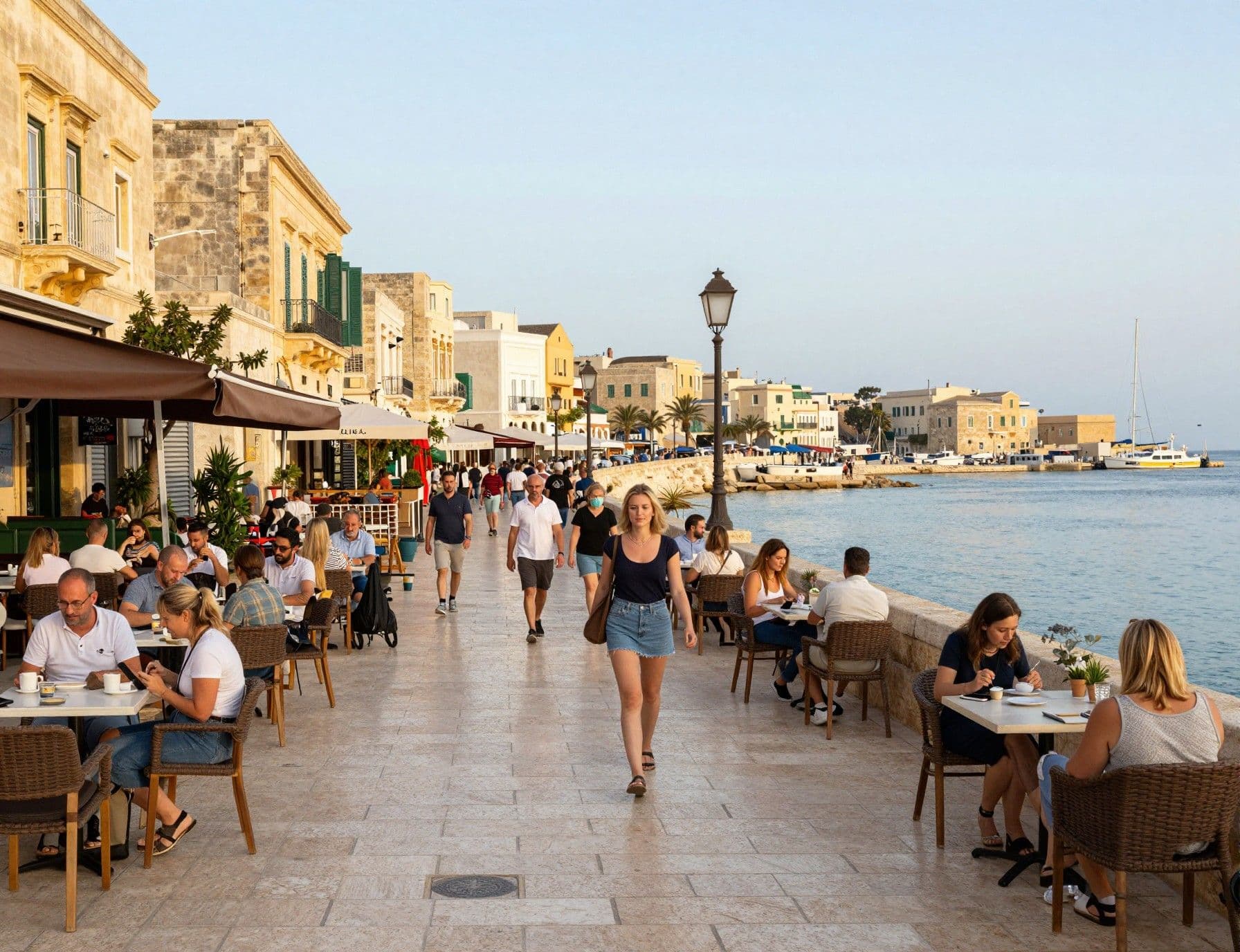
Malta’s daily rhythm moves between baroque mornings and seaside evenings. In Sliema and St Julian’s you’ll hear conversations in English, Italian snippets, and the confident cadence of seasonal tourists. Valletta’s streets serve theatre, museums and serious cafe culture; gozo and Mellieħa trade pace for beaches and village squares. For buyers this means demand profiles vary block-by-block: short‑let appetite in St Julian’s, steady long‑let rental in Sliema, and quieter year‑round occupancy in inland villages.
Neighborhood spotlight — Valletta, Sliema, Marsaxlokk
Valletta rewards buyers with heritage façades, commanding tourist footfall and short‑term rental potential — but conservation rules often limit extensions and rooftop conversions. Sliema and Gżira offer modern apartments that attract longer-term expat professionals, making them reliable for steady yields. Marsaxlokk and fishing villages trade yield for lifestyle: lower turnover, seasonally quieter demand, and properties that are cheaper per square metre but can be harder to re-let off season.
Food, markets and weekend life
Weekends in Malta are market‑driven: Marsaxlokk fish market, Valletta’s central market stalls and Sliema’s promenade cafés shape tenant preferences. Food habits influence property features — kitchens for Mediterranean cooking and terraces for alfresco dining command premium rents. Festivals (festa season, village festas) spike short‑term occupancy in July–September, which investors should model into effective yield rather than headline nightly rates.
- Lifestyle highlights
Morning coffee at Café Cordina in Valletta; sunset walks on Sliema promenade; Sunday seafood brunch in Marsaxlokk; village festas in summer; small‑island sailing and easy 40‑minute commutes across the island.
Making the move: practical considerations

Lifestyle imagination must be married to local rules. Malta allows non‑residents to earn rental income taxed locally, and landlords can select a final withholding tax or progressive filing depending on circumstances. Short‑lets are often treated as trading income, which changes deductible expense profiles and effective tax rates — an important difference when comparing headline gross yields to net returns. Consult the TA24 guidance for precise filing steps and to decide which tax regime preserves yield.
Property types and how they perform
Traditional townhouses in Valletta have lower supply growth and thus stronger capital preservation, but high maintenance and stricter planning rules. Modern blocks in Sliema/Gżira provide easier management and predictable yields. When comparing price per square metre, adjust for effective usable area — thick limestone walls and mezzanines alter usable sqm vs. advertised sqm and therefore cap rate calculations.
- Practical steps before you sign
1) Check planning constraints and conservation status that limit extensions. 2) Run rental demand analysis by micro‑neighbourhood for 12‑month seasonality. 3) Model net yield using either the 15% final withholding option or progressive rates depending on expected expenses. 4) Confirm stamp duty, notary fees and provisional payments with your notary before contract.
Insider knowledge: red flags and tax levers
Two often‑missed realities: residency-linked property thresholds and the classification of short‑lets. Malta’s Permanent Residence Programme sets minimum property values for qualification and can change with legislation, altering demand for qualifying stock. Short‑lets classified as trading income increase administration and can push taxable income into higher brackets — reducing net yield if not modelled correctly. Treat residency rules and short‑let classification as core variables in your financial model, not optional extras.
Cultural and practical integration
English is an official language and the legal system is familiar to many international buyers, which eases due diligence and property management. Yet social norms — neighbors’ tolerance for nightlife, festa noise, and communal maintenance expectations — affect tenant satisfaction and turnover. Good agencies translate lifestyle preferences into lease terms and house rules that reduce vacancy and disputes.
- Expats wish they'd known
• Conservation protections can add months to renovation timelines. • Electric and water headworks in older buildings may need full replacement. • Festa season boosts short‑let income but creates concentrated wear on stock. • Residency programme thresholds move with legislation — don’t bank on fixed numbers.
Conclusion: Malta sells a condensed Mediterranean life — walkable streets, multilingual communities and steady demand — but its regulatory levers change returns quickly. If you love the terraces and the village festas, pair that romance with a local notary, a tax model that accounts for short‑let classification, and an agent fluent in planning law. Start by validating residency thresholds and rental tax choices, then test purchase scenarios against a conservative net yield that includes maintenance, vacancy and legal compliance.
Dutch investment strategist who built a practice assisting 200+ Dutch clients find Spanish assets, with emphasis on cap rates and due diligence.