When Italy’s Tax Rules Reprice Your Rental Yield
Italy’s charm hides tax and municipal rules that materially change rental yields—model IMU, registration taxes and short‑let reforms before you buy.
Imagine sipping a morning espresso on a narrow cobbled street in Trastevere, then catching the late tram to a compact studio you bought as an investment. Italy trades in textures—piazzas, markets, bocce courts—and owning here is as much about joining a rhythm of weekly markets, aperitivo hours and neighbourhood rituals as it is about square metres. That rhythm changes the moment tax rules and municipal levies enter the ledger: what feels like a lifestyle purchase can quickly become a numbers problem. This article shows where lifestyle and taxation collide in Italy and how that collision re-prices rental yields and long-term returns.
Living the Italy life — everyday scenes that sell the dream

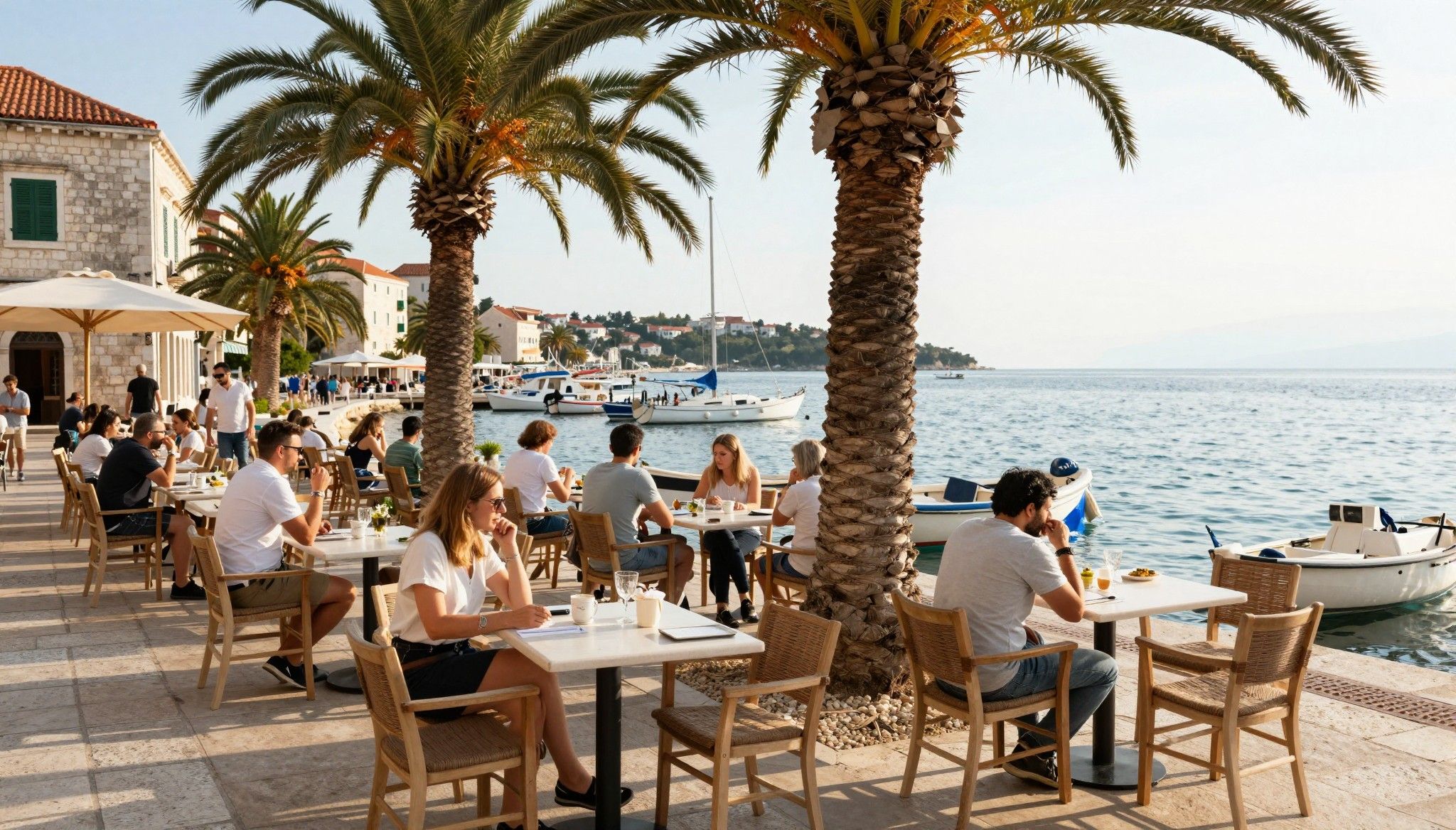
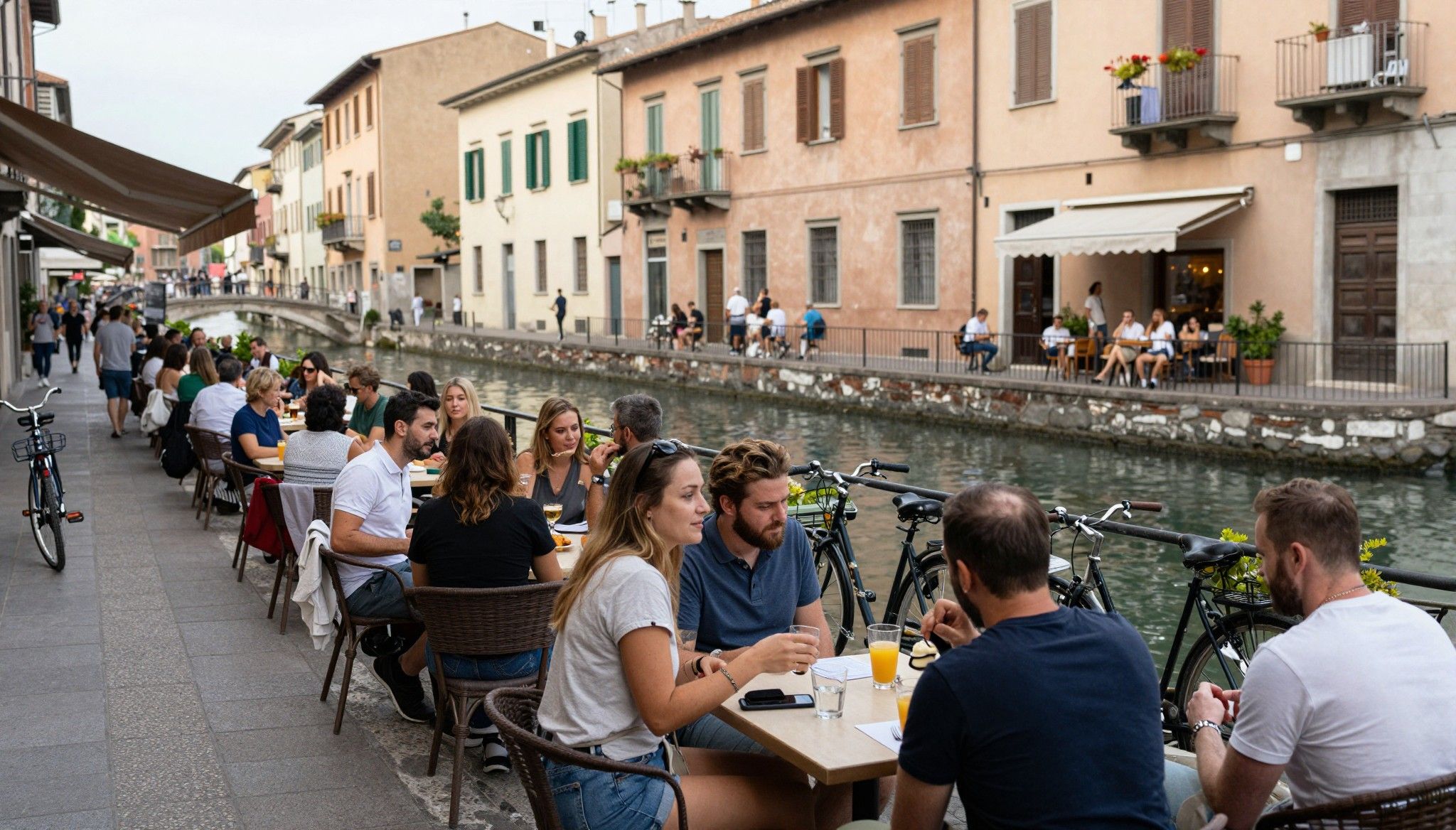
Italy’s pull is tactile: morning-market peaches in Porta Romana, espresso at a bar on Via del Corso, late dinners on Salento terraces. Neighborhoods are social economies—Florence’s Oltrarno feels like an artisan village; Milan’s Navigli moves from functional canal to nightlife magnet after 18:00; Bologna’s university wards hum with rental demand and student short-leases. For an international buyer, these micro-economies determine the tenant profile and therefore the achievable rents and vacancy risks.
Neighborhood spotlights: where life and rents meet
Pick a market and you pick a lifestyle and a rental cadence. In Milan’s Brera and Navigli, professionals and short-term visitors lift rents but raise operating complexity. Bologna’s student-heavy Santo Stefano cluster guarantees continuous demand for small flats but pressures wear-and-tear and turnover. In coastal Liguria, towns like Levanto trade higher seasonality for calm long-term capital preservation. Each micro-market forces a trade-off between occupancy stability and headline yields.
Food, culture and the calendar that shapes demand
Festivals and the food calendar matter: truffle season in Alba or Venice Film Festival weeks in Lido spike short-let rates but compress long-term yields after operating costs. Climate moderates demand too—Tuscany’s summer tourists boost short-let income, while winter months favour long-term leases. When modeling returns, build seasonal occupancy curves rather than a flat 12-month income assumption.
Making the move: how Italy’s taxes and fees rewrite your yield math

The headline figures investors must model upfront are not just price per square metre but the acquisition taxes, annual municipal levies and evolving rules for short-term lets. Acquisition from a private seller usually carries a registration tax of 9% of the cadastral value for second homes and 2% for qualifying 'prima casa' purchases; these rates are set out by Italian tax authorities and materially change acquisition costs. Ongoing ownership is affected by IMU (municipal property tax), which non-resident owners pay on all properties and which municipalities can vary within national limits. Treat these as recurring fixed costs that reduce net yield.
Short‑let rules that change the business model
Policy shifts since 2024–2026 have tightened the distinction between casual hosts and business operators. Newer rules and budget law amendments increasingly require VAT registration for multi-property hosts and narrow the availability of the cedolare secca flat-rate for short lets. The practical consequence: families running one apartment can still use simplified regimes, but operators with multiple units face higher compliance costs, VAT and payroll-like obligations—eroding gross short‑let margins.
Key tax & cost items to model before you sign
- • Acquisition tax (registration or IVA) and fixed cadastral-derived calculations affect upfront capital required. • IMU and waste tax (TARI) are annual and vary by comune—budget conservatively for top municipal rates. • Short‑let compliance: VAT, insurance, platform commissions, and potential local tourist taxes. • Transaction costs: notary, agent fees and legal due diligence—factor 2–4% transactional friction. • Renovation and energy-compliance work: many older units need seismic or energy upgrades that can halve superficial yields if ignored.
Insider knowledge: what expats and portfolio buyers wish they’d known
Experienced buyers say three things: verify the cadastral data, get a local commercialista before you model yields, and never assume tourist income is stable. City-level price momentum matters—Milan and Rome have shown recent price gains that compress yields, while mid-sized northern cities (Bergamo, Brescia, Padua) sometimes offer more favourable cap rates. Use local price-per-square-metre benchmarks and stress-test occupancy scenarios by 20–40% to reflect seasonality and regulatory shifts.
Cultural and practical red flags that affect returns
Italian bureaucracy is famously granular: building permits, energy-certificates (APE), and accurate floor plans are non-negotiable at sale. Missing documentation can delay registrations, trigger penalties, and invalidate tax breaks like 'prima casa' preferences. Local customs—condominium rules, past renovations without permits—create deferred liabilities that reduce net returns unless priced and insured against.
A pragmatic three‑step checklist to validate a deal
- 1) Ask for the rendita catastale and run the IMU calculation to estimate annual tax. 2) Obtain a formal rental-scenario model: long-let base case, seasonal short-let peak case, and a conservative blended case. 3) Confirm the seller’s compliance history (permits, condominium minutes) and get written estimates for any required regulatory upgrades. These steps convert romance into repeatable return assumptions.
Italy sells itself through micro-moments: a waterfront jog in Amalfi, an evening market in Palermo, a winter truffle hunt in Piedmont. But those moments must be reconciled with formulae: net yield = (gross rent − operating costs − taxes) / total investment. When taxes and municipal levies are layered correctly into that formula, previously attractive headline yields often fall by 1–3 percentage points. Treat that adjustment as standard and plan acquisitions that still meet your hurdle rates after it.
Conclusion: fall in love with the lifestyle, but model the taxes. Work with a local commercialista and an agency fluent in cadastral and municipal specifics. If your numbers survive conservative tax and seasonality stress tests, Italy rewards patience with capital resilience and consistent tenant demand. If not, adjust location or asset type—sometimes the best Italian purchase is a different town two trains away.
Swedish financier who guided 150+ families to Spanish title deeds since relocating from Stockholm in 2012, focusing on legal and tax implications.