Why Greece’s Golden‑Visa Homes Aren’t Short‑Let Staples
Greece’s lifestyle appeal hides three hard constraints — residency rules, rental taxation and a 3% transfer tax — that materially reshape net yields for international buyers.
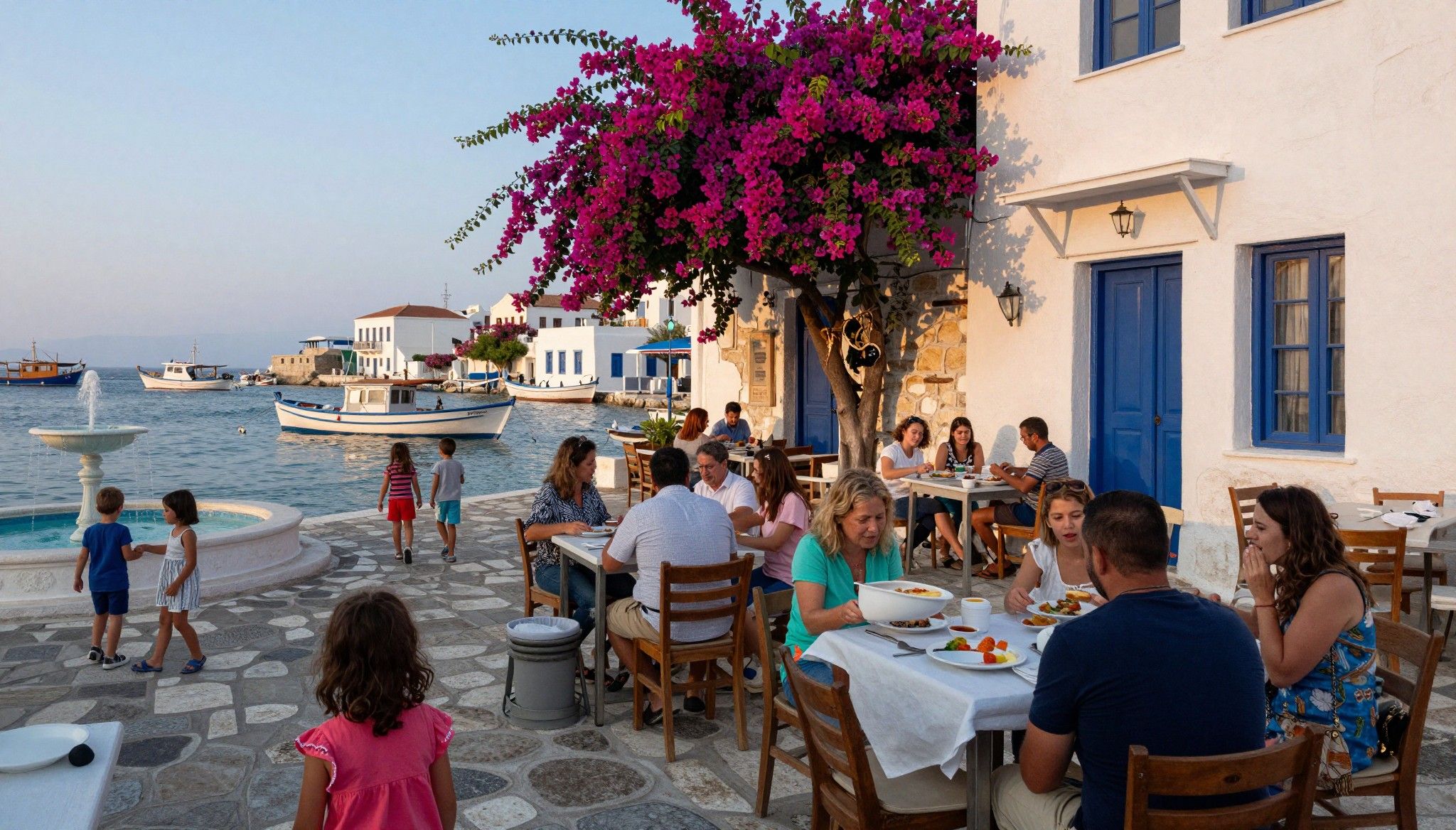
Imagine an Athenian morning: espresso at a tiled kafeneio on Koukaki’s Drakou Street, bakers rolling filo in the next doorway, and a terrace that looks out over the Acropolis. That sensory, everyday Greece is what draws many international buyers — but it’s not the whole purchase decision. Behind the scent of sea salt and roasting coffee lie rules, taxes and residency ropes that change the investment calculus. This piece starts with the life you dream of and pulls back the curtain on three practical constraints that often surprise buyers: residency-linked restrictions, tax treatment of rental income and the transfer costs that reprice yields.
Living the Greece life (and why it matters to returns)

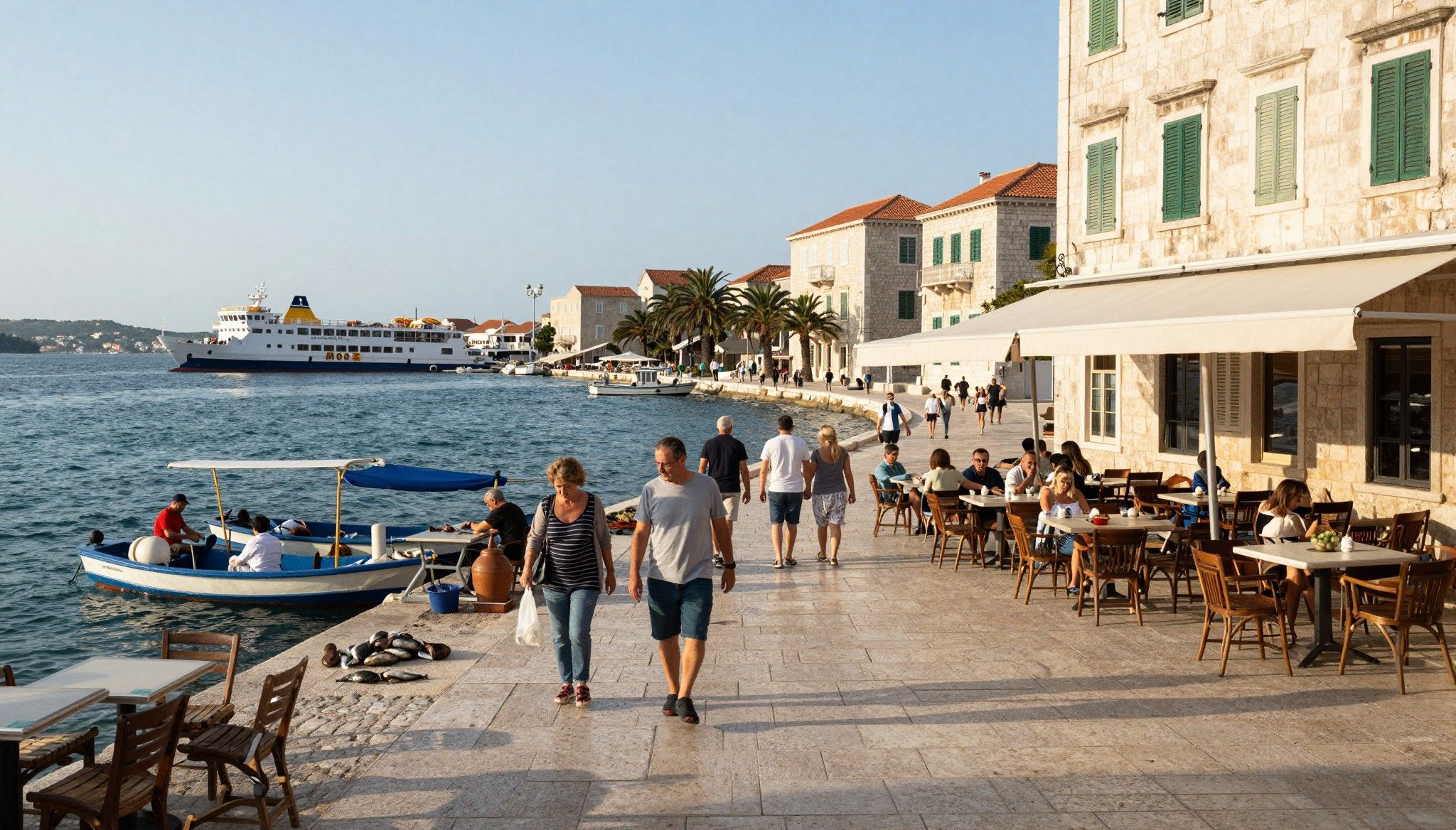
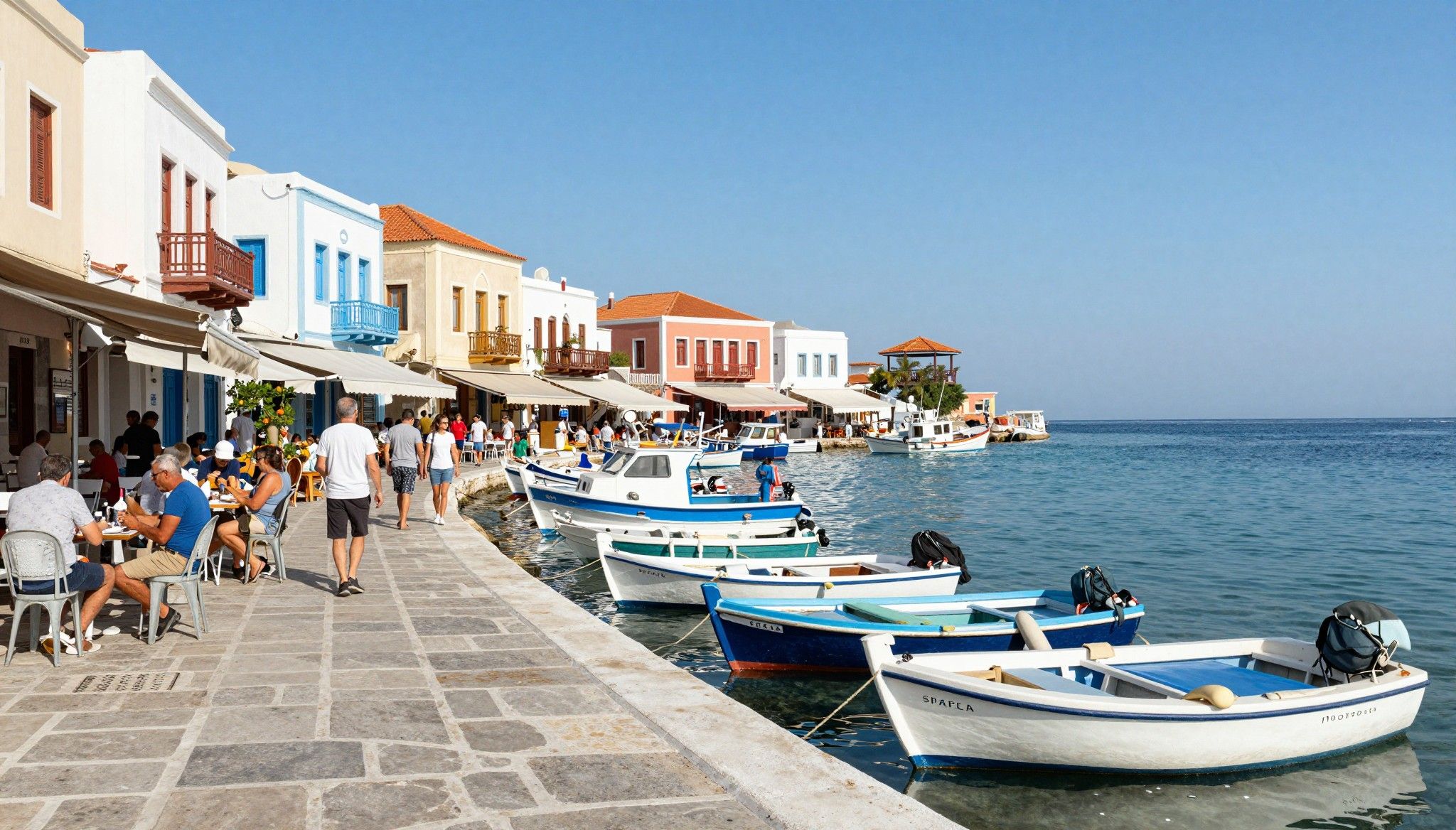
Greece is a collage of daily rhythms: ferry queues and island tavernas in the Cyclades, late-night plate-sharing in Exarchia, and slow Sunday markets in Halkidiki. These rhythms determine demand. Short-term tourism spikes on islands increase headline gross yields in summer but compress occupancy the rest of the year. Urban districts — Plaka, Kolonaki, Pangrati in Athens; Ano Poli in Thessaloniki — sustain steadier year-round rental demand because of students, professionals and embassy staff. For an investor, lifestyle magnetism translates into two measurable variables: seasonal occupancy and tenant mix, both of which drive net yield.
Neighborhood spotlight: Athens — Koukaki and Pangrati
Koukaki’s narrow streets and neighborhood cafés make it an instant marketing hook for short lets; Pangrati’s parks and local markets support longer stays. Buyers who imagine summer-first revenues often look to Koukaki-like charm, but forget tenant churn, cleaning costs and local regulations that can limit short-term platforms in specific cases. Conversely, Pangrati-style apartments attract mid-term corporate lets and remote workers — lower headline yield, but higher net yield through reduced turnover costs.
Food, market life and seasonality
Food culture in Greece isn’t a backdrop; it’s a driver of demand. Neighborhoods with farmers’ markets, tavernas and year-round gastronomy (e.g., Thessaloniki’s Modiano Market or Athens’ Kifissia) keep foot traffic and off-season rental interest high. For buyers targeting lifestyle tenants — digital nomads, retirees, culinary tourists — proximity to market life increases occupancy stability and can support premium monthly rents, especially when paired with reliable utilities and broadband.
- Lifestyle highlights to weigh when picking a micro-market: Koukaki espresso culture; Pangrati parks and families; Vouliagmeni beaches for sea‑side living; Thessaloniki’s food scene and student demand; Chania’s Venetian old town and off‑season charm; local farmers’ markets that extend shoulder seasons.
Making the move: practical legal and tax realities

Dreams meet documents when you open a purchase contract. Three practical, often underestimated facts reshape returns: the 3% property transfer tax (applied to taxable value), progressive income tax on rental profit, and residency rules linked to investment visas that now restrict some short‑let uses. These aren’t hypothetical: the Greek Independent Authority for Public Revenue (AADE) details the transfer tax framework, and major tax guides outline how rental income and non‑resident tax status affect net yield. Run the numbers before you fall in love with a terrace view.
Residency and short‑let rules
Policy changes in recent years tightened how investment-linked residency (commonly called the Golden Visa) can interact with short‑term letting. New entrants must understand that certain Golden Visa acquisitions are prohibited from short‑term platform rentals, which directly reduces peak-season revenue assumptions. Even for non‑Golden‑Visa buyers, local municipalities have introduced rules and registration requirements for short lets; failure to comply risks fines and delisting from booking platforms.
Tax mechanics that change the math
Rental income in Greece is taxed progressively for individuals; allowable expenses can reduce taxable profit but the headline rates (and social contributions where applicable) matter for net yield. Additionally, transfer costs, notary fees and VAT (for certain new builds or commercial conversions) add upfront load. For portfolio buyers, treat the 3% transfer tax as a fixed cost and model scenarios with 50–70% summer occupancy for island properties versus 80–90% for central Athens apartments.
- Steps an international buyer should take before bidding: obtain a Greek tax number (AFM); get a pre-buy tax and legal check from local counsel; confirm permitted use (residential vs short‑let) with municipality; model net yield (after 3% transfer tax, maintenance, insurance and vacancy); and secure a local property manager for day‑to‑day compliance and guest turnover.
Insider knowledge: what expats wish they'd known
Expat owners consistently report the same three surprises: paperwork takes longer than expected, seasonal cashflow is spikier than the listing photos imply, and neighborhood character shifts across months (a sleepy island village in winter can be very different in July). The smart buyers I meet hedge for these by buying smaller units in strong micro‑markets, insisting on clear contract clauses about permitted use, and building relationships with local repair and cleaning crews to reduce operating friction.
Cultural integration and everyday life
Language matters at the margin — not because you must be fluent, but because the best deals and service often come through Greek‑speaking networks. Local agents who operate bilingually and have municipal relationships accelerate paperwork and clarify permitted uses. Social life is neighborhood‑driven: join local kafeneio groups, volunteer at a farmers’ market stall or enroll in a cooking class to meet long‑term tenants and neighbours who sustain a consistent rental pipeline.
How lifestyle choices affect long‑term value
Buying for lifestyle and buying for returns are not mutually exclusive, but they require different micro‑market choices. Properties anchored to year‑round local demand — near hospitals, universities or business districts — show steadier capital appreciation in Bank of Greece data and better risk-adjusted yields. Scenic island units can appreciate rapidly but carry concentration risk. For portfolio thinking, diversify across urban/seasonal micro‑markets and always stress‑test capital appreciation against rental volatility.
- Practical tips from local agents and expats: confirm short‑let legality before offer; budget a 3% transfer tax and 2–4% annual operating cost; prioritise walkable neighborhoods with year‑round services; insist on dual‑language escrow and clear handover protocols; and plan for winter vacancy on island investments.
Conclusion: fall in love, but run the numbers. Greece delivers a daily life that’s hard to leave — markets, beaches and evenings that reward anyone seeking Mediterranean routines. But for investors, that romance must be paired with a rigorous model: account for the 3% transfer tax, understand how residency-linked rules affect short‑let use, tax rental profit precisely, and pick micro‑markets that match your yield profile. Work with a bilingual lawyer, a licensed accountant and a local agency that understands both lifestyle and regulation, and you’ll convert a Greek daydream into a resilient asset.
Danish relocation specialist who moved to Cyprus in 2018, helping Nordic clients diversify with rental yields and residency considerations.