Greece: Lifestyle Demand vs. Real Yield Realities
Greece combines year‑round urban rental stability with island seasonality; model occupancy, new short‑let taxes and registration to convert lifestyle demand into reliable net yields.
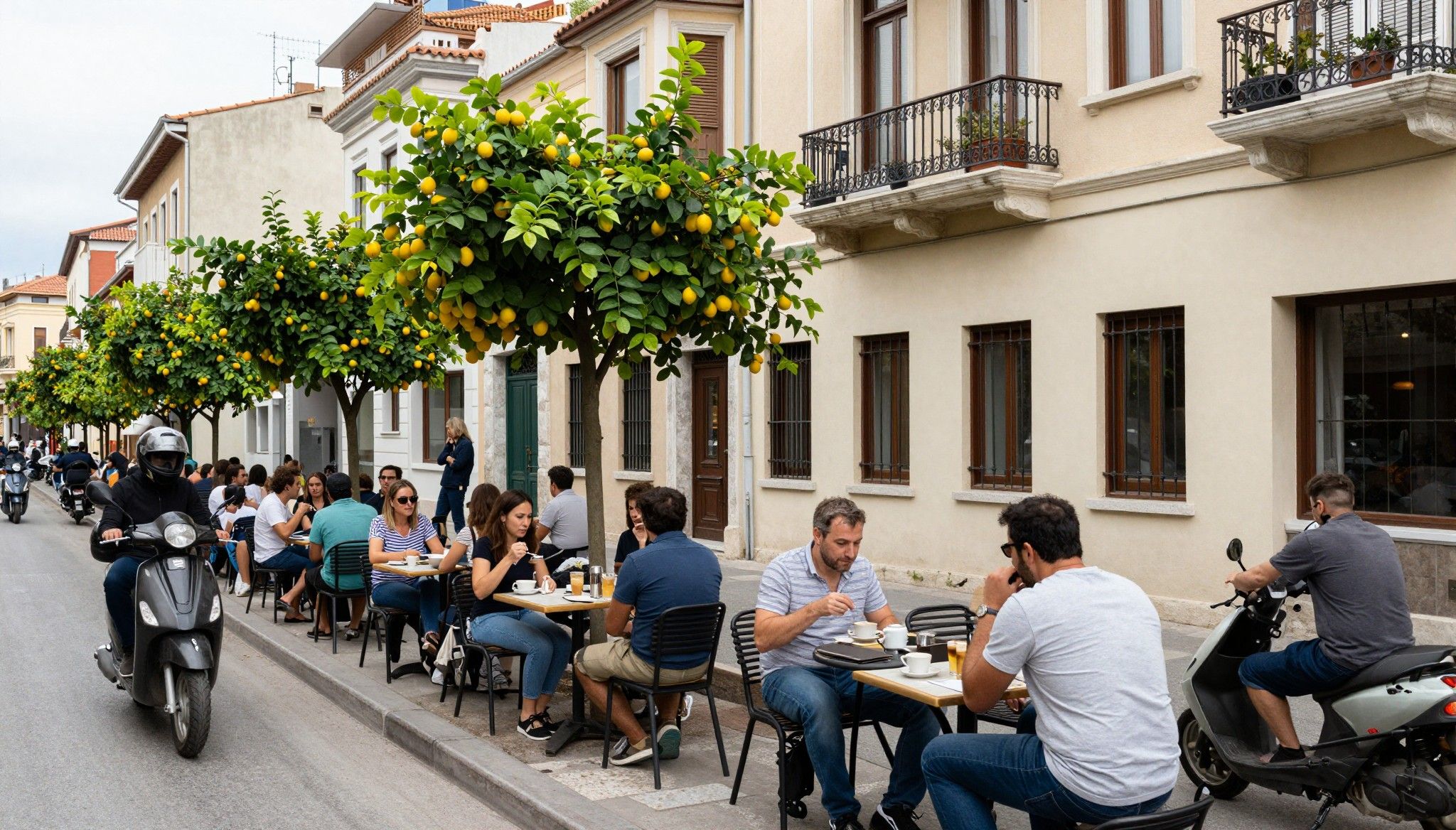
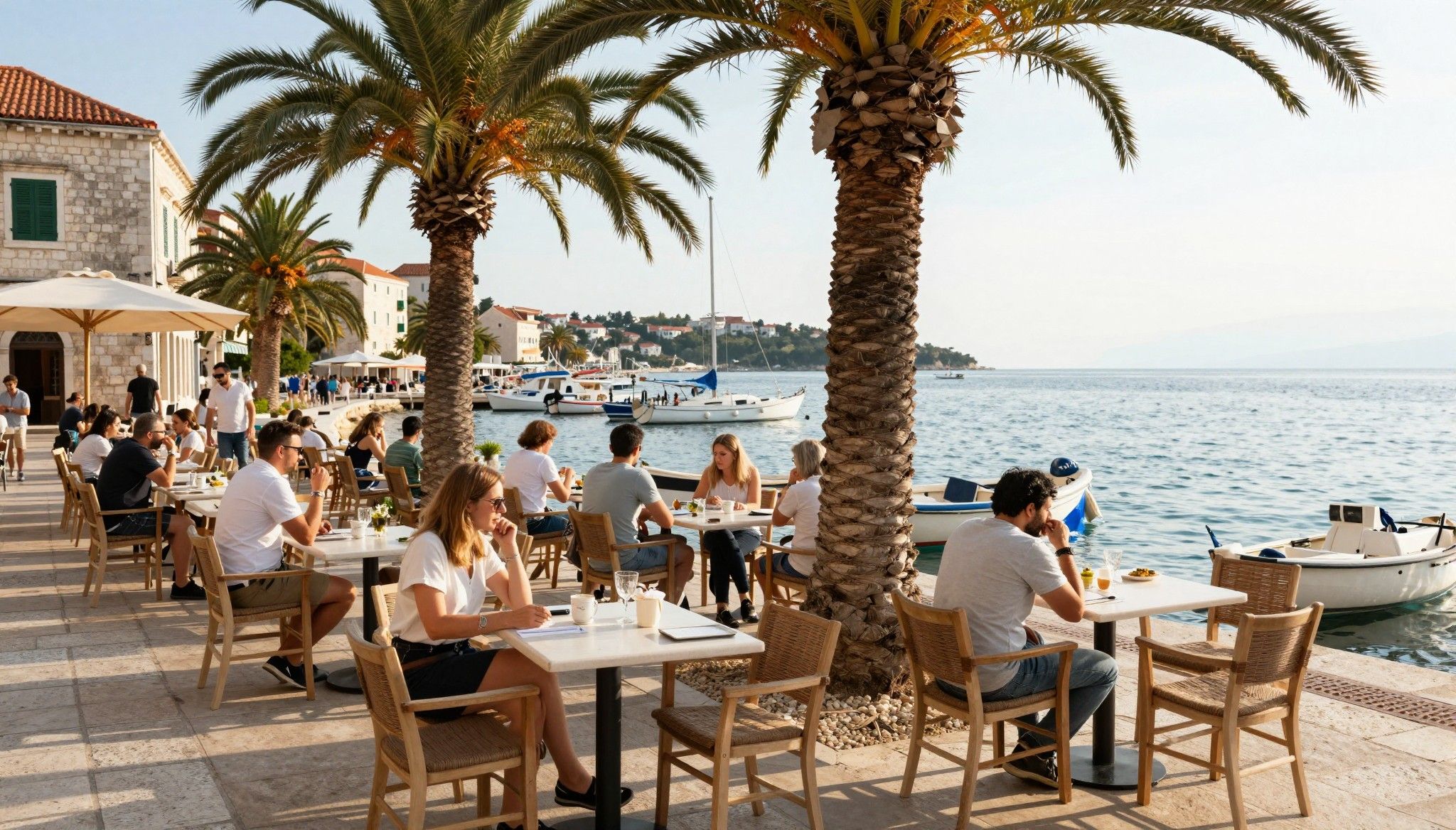
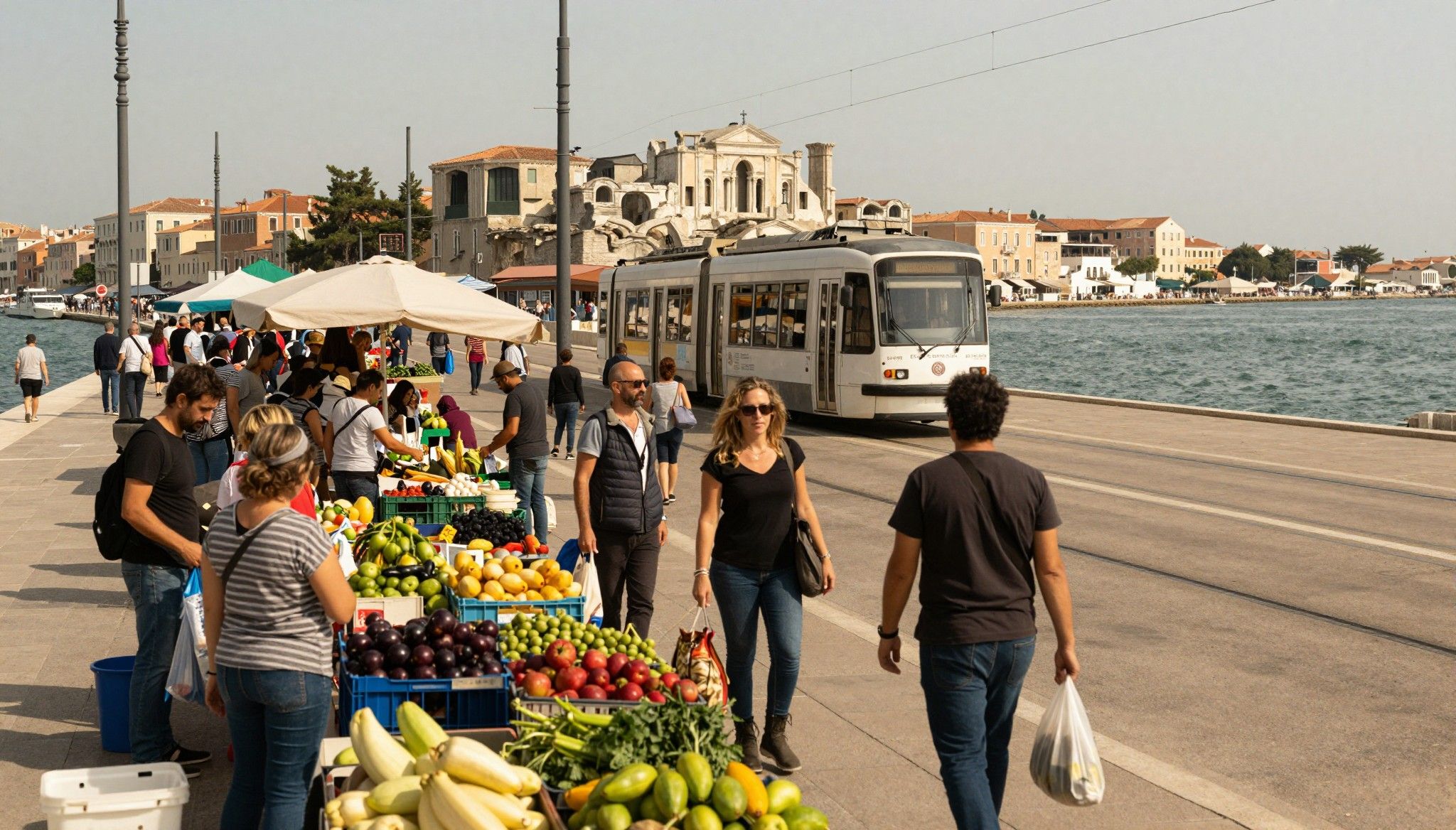
Imagine sipping an espresso at an early-morning kafeneio in Koukaki, watching delivery scooters thread between neoclassical facades and modern apartments. In Greece the day moves from market stalls and seaside swims to late dinners under lemon trees — a rhythm that reshapes what properties earn and who wants to rent them. For international buyers this is both romance and arithmetic: lifestyle demand creates rental windows, but regulation and seasonality determine net yield.
Living the Greece lifestyle: how place drives demand

Daily life in Athens, Thessaloniki and the islands creates distinct rental markets. Athens neighbourhoods like Koukaki and Pangrati hum year-round with locals and long-stay professionals; coastal towns in Crete or Corfu swell seasonally but sustain a mid-season market; islands such as Mykonos and Santorini deliver strong short-let rates for a few months and almost no demand the rest of the year. Recent national price indices confirm uneven growth across regions, which matters when you model expected cash flows and occupancy rates.
Urban pulse: Athens’ varied neighbourhoods
Walk from Plaka’s tourist lanes to Koukaki’s cafés and you’ll notice different tenant profiles: tourists, students, and young professionals. Central areas near universities and metro stops keep occupancies stable outside high season, while districts under recent short‑let licensing freezes (e.g., parts of central Athens) are shifting supply dynamics. That regulatory pressure can reduce platform-listed supply and reroute demand to long-term rentals — a structural change investors must model.
Coastal seasonality: islands and seaside towns
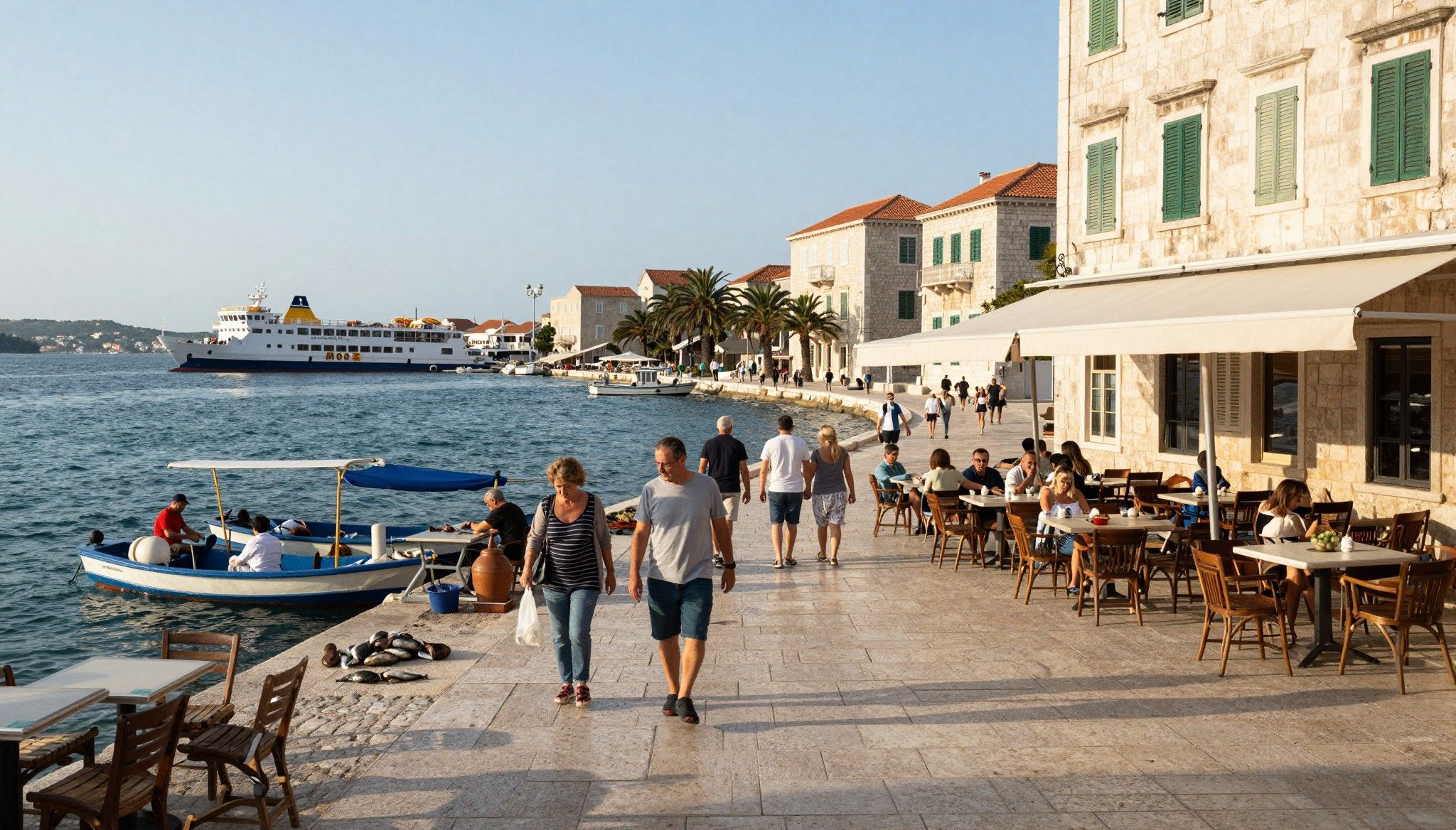
Summer tourism concentrates demand on islands and Aegean beaches; average nightly rates spike, but occupancy collapses in low season. For many islands, short‑let revenue drives capital values — but yields net of VAT, platform fees and local tourism charges can be lower than headline numbers suggest. Expect pronounced rent volatility: price per night looks great in July but yields depend on months rented and compliance costs.
- Koukaki (Athens) — cafés, steady year-round long-lets Pangrati (Athens) — family-friendly, good for medium-term rentals Glyfada — coastal suburb, affluent local renters, long-term demand Chania (Crete) — mixed tourist seasonality with year-round local economy Mykonos / Santorini — high short-let rates, low winter occupancy
Making the move: practical considerations that affect yield
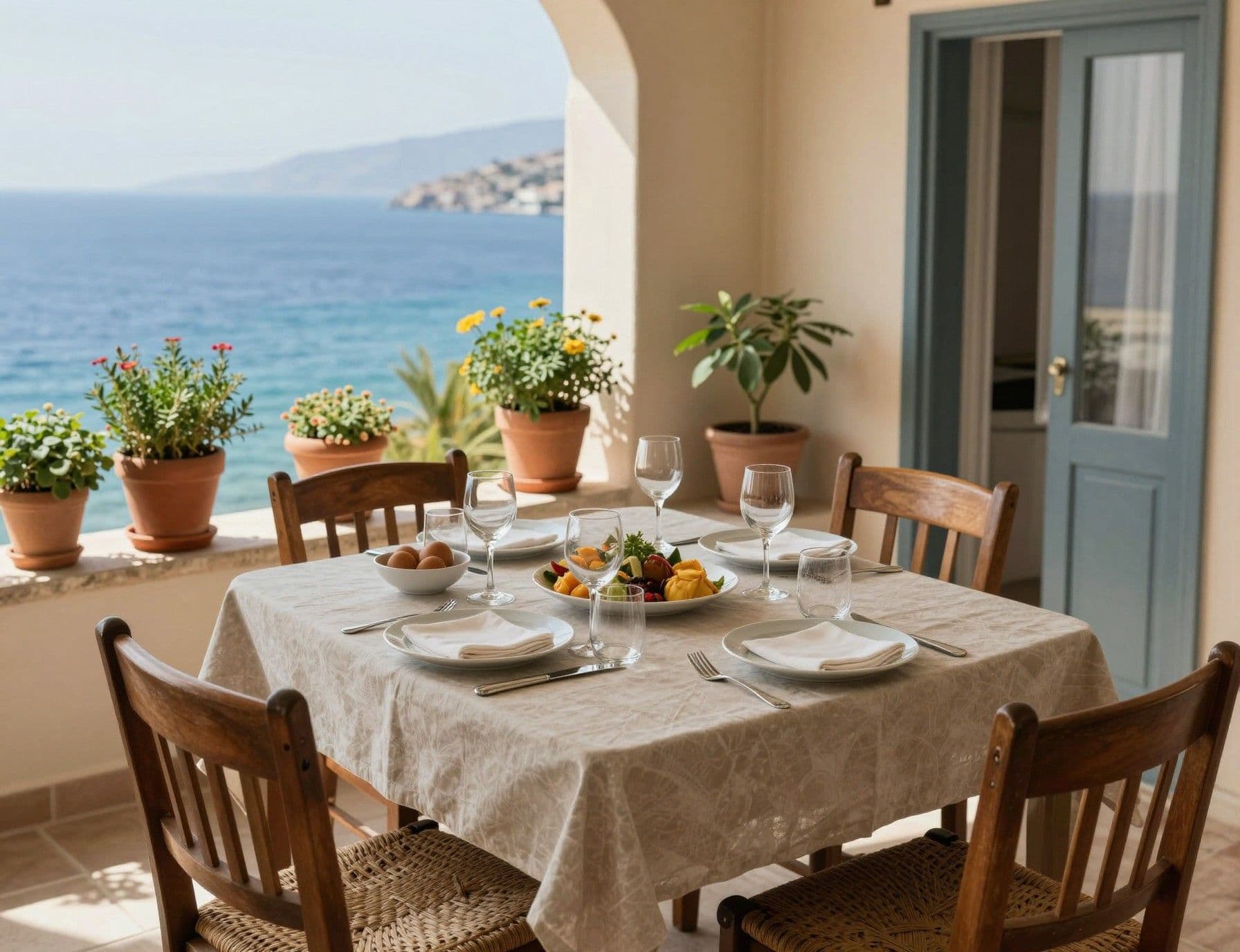
Lifestyle choices must be translated into financial inputs: expected occupancy, realistic nightly rates, VAT and tourist levies, plus maintenance for sea‑air corrosion. Greece now enforces registration and VAT rules for short lets and is tightening standards for conversions; failure to account for these leads to overstated net yields. Use official registry and tax guidance to model worst-, mid- and best‑case occupancy scenarios for any purchase.
Property types and how tenants use them
Studios in central Athens appeal to students and professionals and deliver steady yields with 70–85% annual occupancy expectations when well located; two‑beds near beaches convert to family holiday lets but require marketing and winter discounts. Renovated neoclassical flats command price/sqm premiums and attract long-term expatriates; new-builds near marinas or transport nodes give resilience but often cost more per sqm, compressing gross yield. Factor refurbishment and seasonal utility costs into your cap‑rate math.
Working with local experts who know both lifestyle and compliance
A Greek agency or property manager does more than show apartments: they validate neighborhood rental demand, register properties with AADE, manage VAT and tourism charges, and keep occupancy optimised across platforms. Choose partners with local accounting and legal ties; they can reduce compliance risk and increase net returns by improving listing quality and targeting off‑peak bookings. Verify track record with references and live occupancy data before committing.
- Estimate returns with these steps: 1. Calculate gross income using conservative occupancy (50–70% islands; 70–90% Athens central). 2. Subtract VAT/tourism levies and platform fees (13% VAT can apply for some short lets). 3. Include fixed costs: insurance, property tax (ENFIA variations), and seasonal maintenance. 4. Stress‑test for regulatory change: model a switch from short‑let to long‑let at lower rent.
Insider knowledge: what expats wish they'd known
Expats often underestimate non-monetary frictions: permit waits for renovations, seasonal business closures, and community ties that shape tenant turnover. Property values rose strongly in recent years, driven by tourism and foreign demand, so buyers who priced in historic yields without updating for policy shifts found themselves with compressed returns. Local networks — neighbours, building janitors, and municipal offices — become your best sources of practical truth.
Cultural and practical integration
Learning a few Greek phrases, joining local markets and attending neighbourhood festivals accelerate trust with tenants and contractors. Cultural fluency reduces maintenance friction and improves tenant retention — an underappreciated yield lever. Expect bureaucracy, but also local goodwill: vendors who know you can lower refurbishment costs and speed up work orders.
Long-term lifestyle and investment trade-offs
Greece offers a mix: stable urban rents and volatile tourism-driven island income. For portfolio investors, combining one city apartment with one island property smooths cash flow seasonality while capturing capital appreciation. Prioritise transport‑linked assets and those with multi-season appeal to preserve occupancy and protect net yields over time.
- Red flags to watch for: - Unregistered short‑lets or past non‑compliance fines - Properties marketed with unrealistic annual occupancy - Basements or windowless conversions that may be banned for rentals - Lack of local property management or accounting support - Buildings in tourist zones under new registration freezes
If Greece’s light, food and sea have you picturing a new life, pair that image with a disciplined underwriting checklist: realistic occupancy, full tax treatment, local management, and a fallback plan if short‑let demand softens. An agent who understands both the kafeneio and the accountant is an investment multiplier — they turn place into predictable cash flow.
Next steps: visit neighbourhoods in shoulder season, request live booking calendars from managers, and demand tax-registration proof before you sign. Treat lifestyle as the first filter and yield calculations as the final check — that combination is how you fall for Greece and still keep your portfolio rational.
Swedish financier who guided 150+ families to Spanish title deeds since relocating from Stockholm in 2012, focusing on legal and tax implications.