Greece: Match Lifestyle to Yield — Seasonality Wins and Risks
Greece blends city steadiness and island seasonality — match lifestyle choice to yield by using verified occupancy data, local managers, and season‑aware financial models.
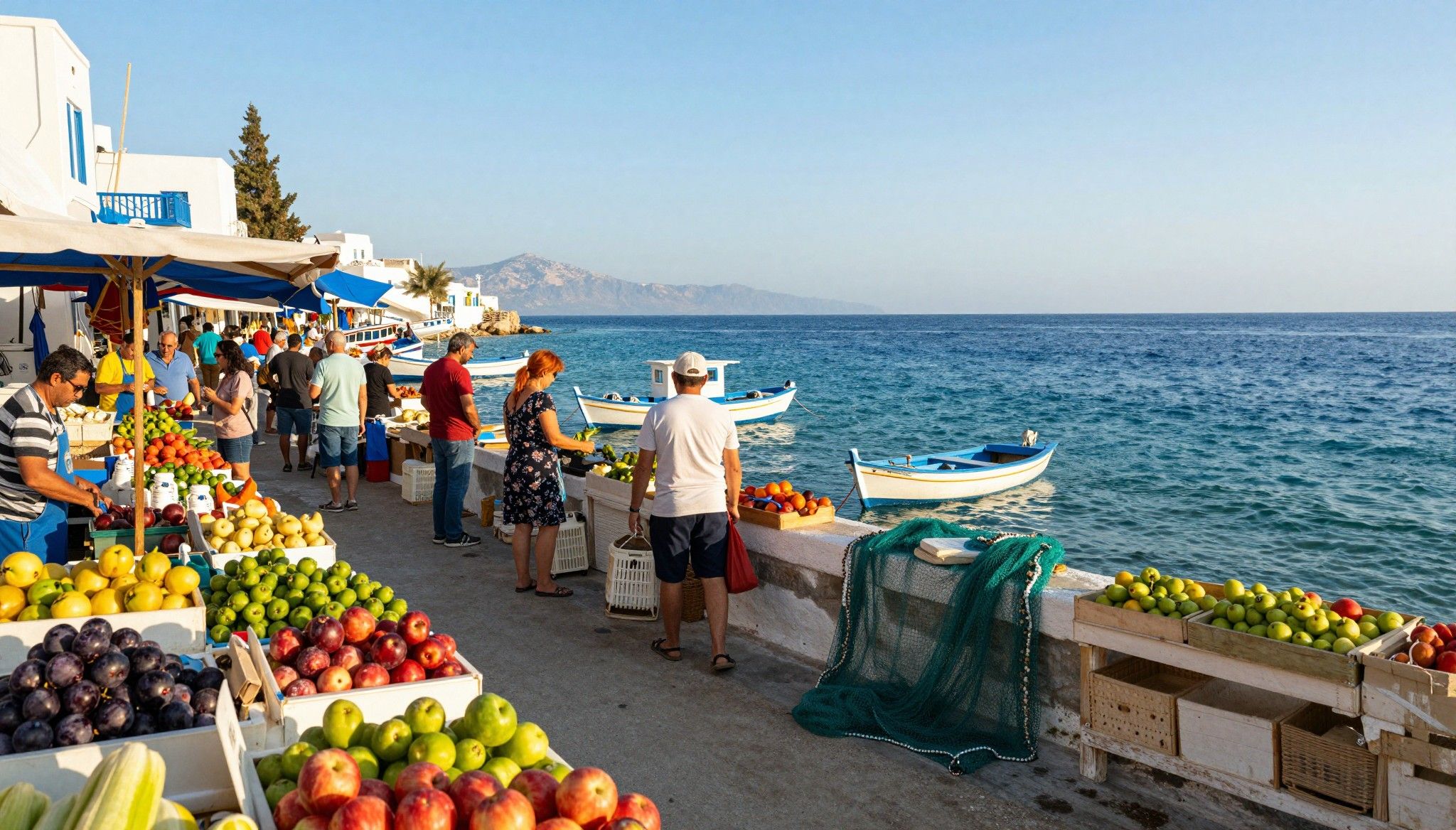
Imagine opening your window in Athens to the smell of strong coffee and the chatter of a kafeneio, then boarding a ferry three hours later to a Cyclades village where whitewashed alleys funnel sea breezes into shaded courtyards. That contrast — sharp cities that hum year-round and islands that pulse seasonally — defines Greece for buyers. It’s also where common assumptions about “high prices” and “unreliable rentals” break down.
Living the Greece lifestyle

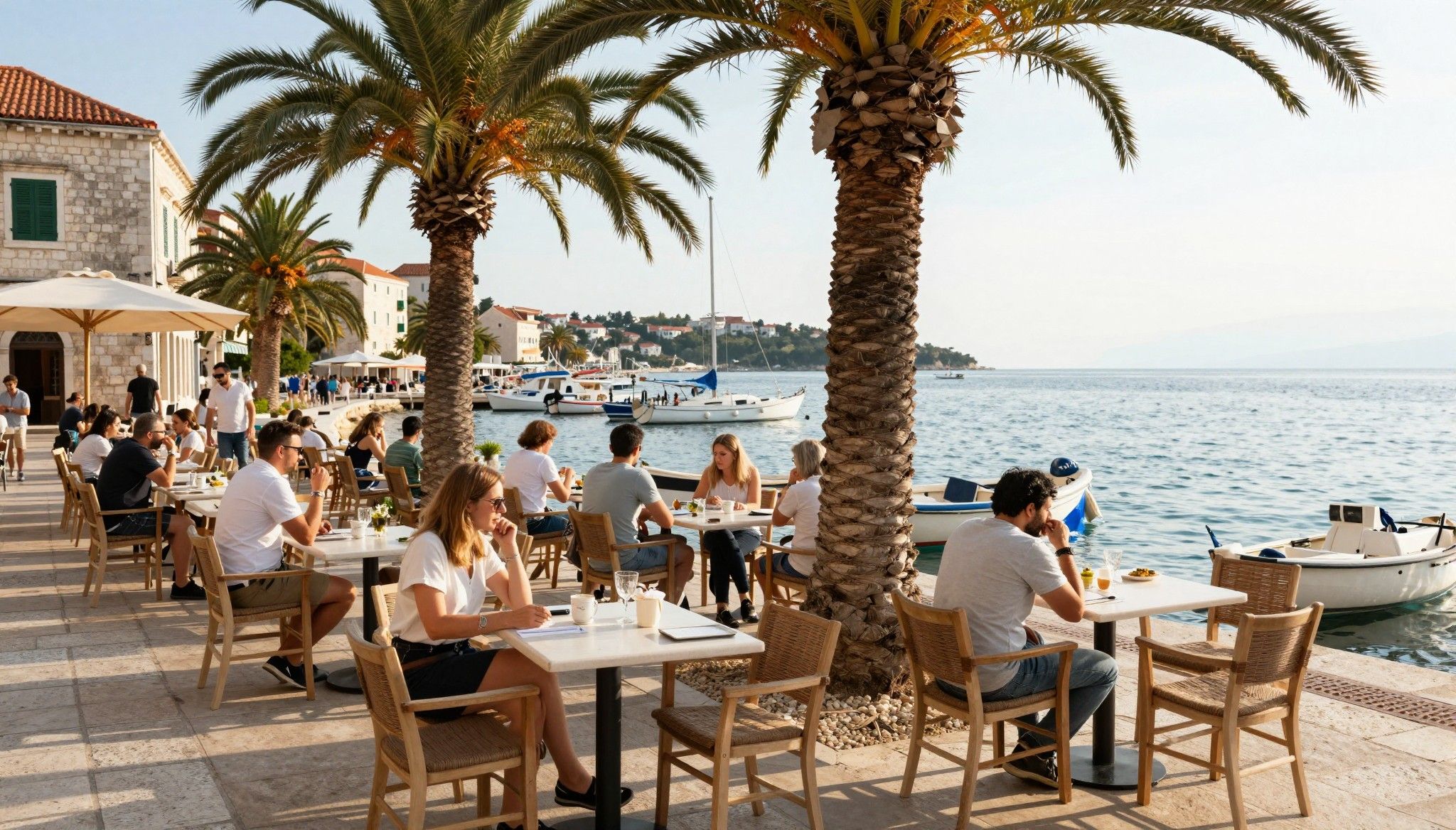
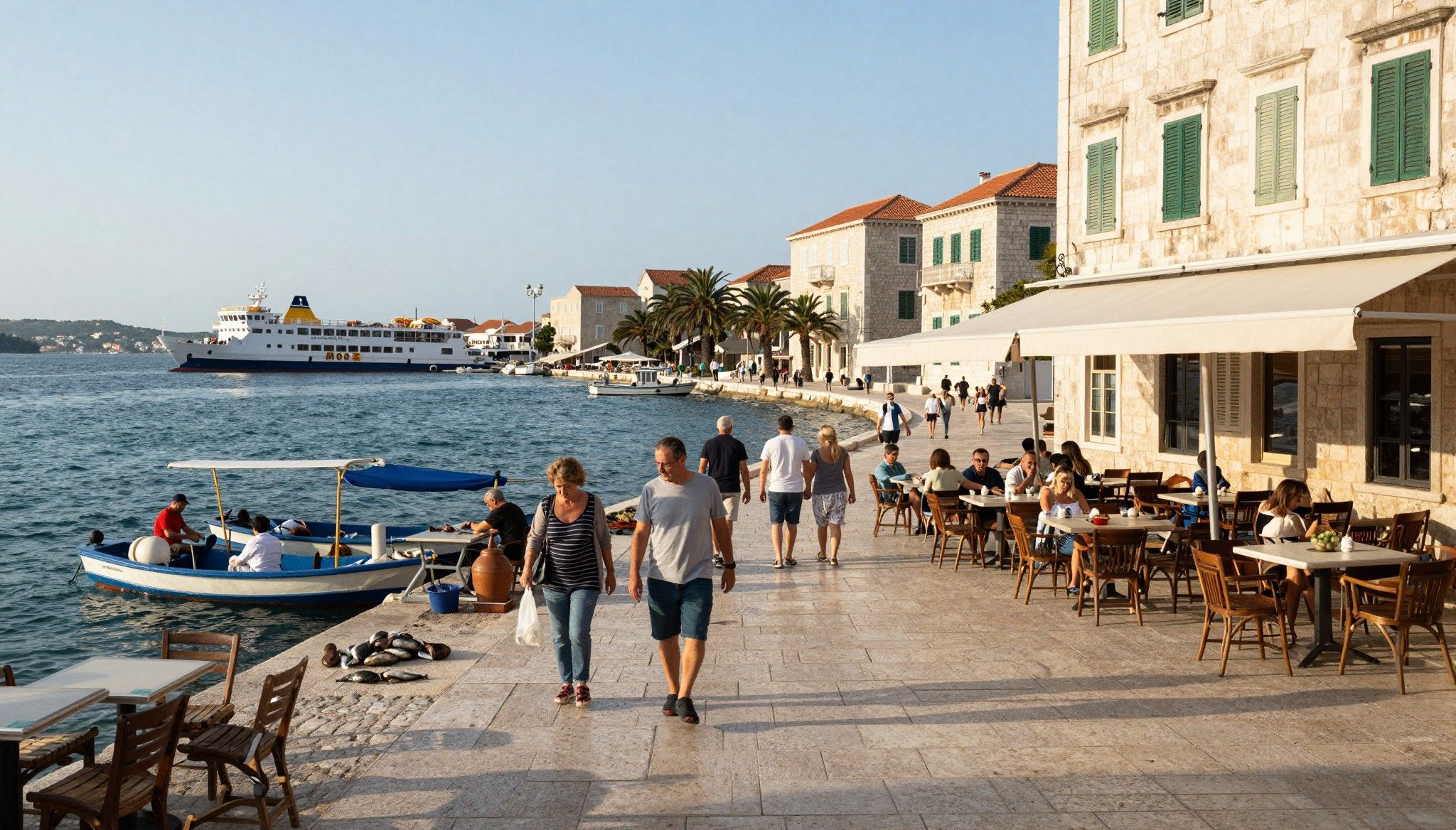
Life in Greece is sensory and seasonal. Mornings in Athens start with espresso and newspapers on pedestrianised streets like those around Koukaki or Thissio. By contrast, Naxos mornings open to fishermen at the port and bakers on the main square. Expect cafés, markets, late dinners, and a tempo that slows after siesta but quickens at dusk — a pattern that shapes tenant demand and peak rental windows.
Athens: urban pulse, predictable rents
Athens neighborhoods — Koukaki, Pangrati, Exarchia, Kolonaki — offer different tenant pools. Koukaki attracts tourists and short‑let guests; Pangrati and Kypseli appeal to young professionals seeking longer leases. Recent regulatory focus on short‑lets and temporary freezes on new short‑let listings in parts of central Athens change supply dynamics, making longer-term letting more attractive for stable yield. (See local regulation summaries for details.)
Islands: seasonality and concentrated demand
Island markets like Mykonos, Santorini and parts of the Cyclades produce strong summer rents but thin off-season returns. However, secondary islands (Naxos, Paros, Kefalonia) are showing more balanced year-round demand thanks to family tourism and remote workers. National tourism recovered strongly in 2024 — a factor that underpins short‑season rental revenue but also increases competition and regulatory scrutiny.
Making the move: practical considerations

The romance of sunlit squares meets taxes, yields and legal steps. National statistics and central bank reports show urban prices rising and tourism receipts climbing — both supportive for capital growth and short‑let revenue. Yet regulation (short‑let rules, safety standards) and local market microstructure reprice returns. Translate lifestyle preference into the right property type: small Athens apartment for steady yield, island villa for concentrated summer returns, or a renovated townhouse that targets year‑round long lets.
Property styles and what they deliver
Modern apartments in Athens (pre‑war or 1970s stock) suit young professionals and expat tenants; look for renovated units with AC, double glazing and modest balconies. Island properties with terraces and sea views command premiums but have concentrated income windows. Stone houses in village centres trade at lower per‑sqm prices but can be repositioned for rental demand if improved for comfort and connectivity.
Working with local experts who know both markets and lifestyle
Use agencies that pair lifestyle curation with financial analysis: they should supply seasonality-adjusted forecast rents, expense estimates for maintenance and utilities, and local tenancy law guidance. Ask for historical occupancy rates, real short‑let calendar data (not just topline ADR), and references from international landlords. Local property managers are critical on islands where turnover peaks in July–September.
Step-by-step checklist to match lifestyle to yield
1) Define target tenant and seasonality (long‑let professional, student, summer tourist). 2) Request 3 years of realised rental data from agent/manager. 3) Run net yield scenarios (gross rent minus operating costs, vacancy, management). 4) Inspect local regulations for short‑let restrictions. 5) Factor in capex for renovation and energy upgrades.
Insider knowledge: what expats wish they’d known
Expat owners often underestimate how micro‑location (a street, not just a neighbourhood) affects rental outcomes. A ground‑floor Athens flat on a lively pedestrian street rents well to short‑term visitors but may need extra soundproofing for long lets. On islands, proximity to ferry timetables, municipal water supply and seasonal staffing for property maintenance materially impacts net yields.
Cultural and seasonal realities that change living expectations
Language is useful but not mandatory in tourist hubs; learning basic Greek opens local networks and eases bureaucracy. Summer festivals and Orthodox holidays increase short‑let demand but create logistical peaks for cleaning and turnover. Winter months reveal infrastructure gaps (heating, steady broadband) that affect year‑round rental attractiveness and living comfort.
Red flags and realistic expectations
Watch for property listings that rely solely on photographic appeal; ask for occupancy history and utility cost records. Avoid basements or windowless conversions — recent policy moves target such spaces. Be cautious where agents promise unrealistic occupancy or ADR without supporting data.
Practical tips to protect yield: 1) Insist on a detailed P&L model including local property tax (ENFIA-like charges), municipal fees and seasonally adjusted vacancy. 2) Budget 5–10% of rent for annual maintenance and a separate reserve for major capex (roof, plumbing). 3) Use local management during peak season to protect occupancy and guest satisfaction.
A quick market snapshot (data points to check with your agent)
Current indicators to request: recent house price index change (Bank of Greece), average achieved nightly rate and occupancy for similar properties, neighbourhood price per sqm, recent renovation costs per sqm, and any municipal short‑let licensing restrictions.
Greece rewards buyers who marry lifestyle clarity with financial discipline. If you want steady income and urban life, buy in Athens near transit and universities. If you accept seasonality for higher peak rates, target secondary islands with improving year‑round demand. In every case, prioritise verifiable rental data and local management competence before the postcard view.
Norwegian market analyst who relocated from Oslo to Mallorca in 2016, guiding Northern buyers through regulatory risk, currency hedging, and rentability.