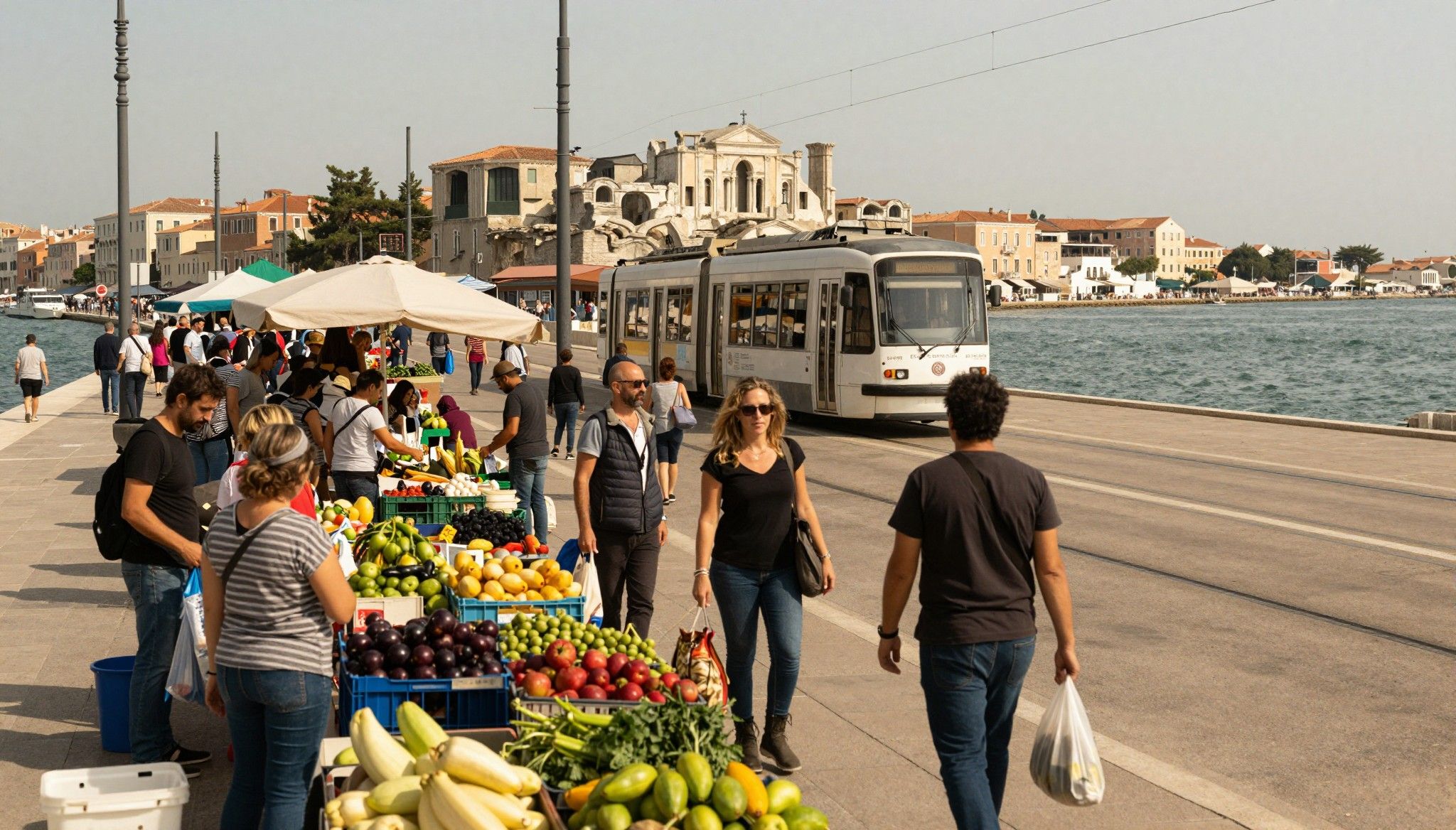
Italy’s Hidden Yield Map: Where Postcard Prices Lie
Italy’s charm hides diverse yield pockets — data shows strong gross yields in secondary cities; marry lifestyle choices with local rent comps and conservative net‑yield models.
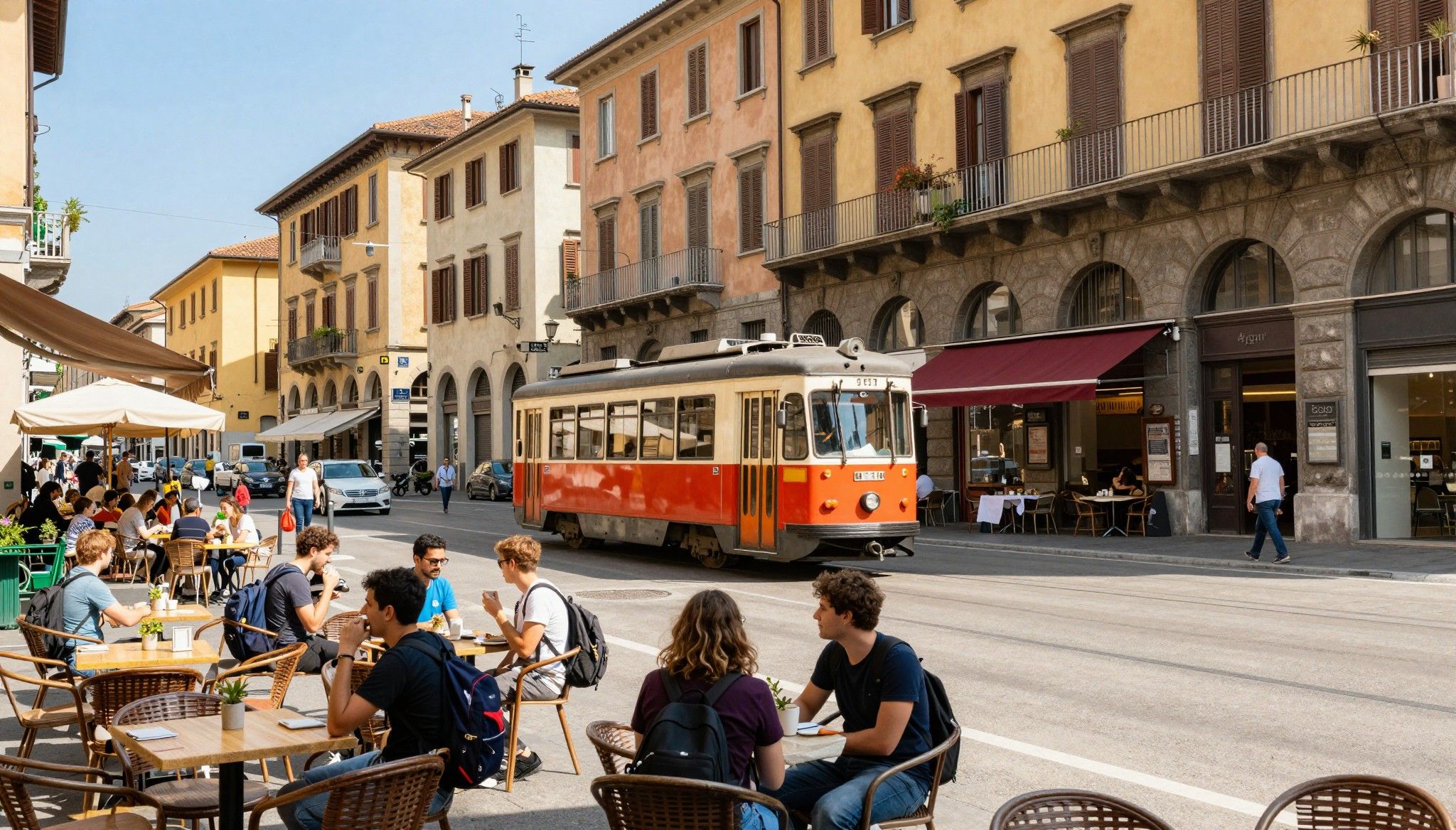
Imagine sipping a compact espresso at a cafe on Bologna’s Via del Pratello at 9am, then walking three blocks to find a 16th‑century palazzo turned apartments — and realising that the rental yield on a modest two‑bed here beats a similar seafront townhouse in Tuscany. Italy’s postcard districts capture hearts, but yield lives in the overlooked streets between the piazza and the train station.
Living the Italy lifestyle
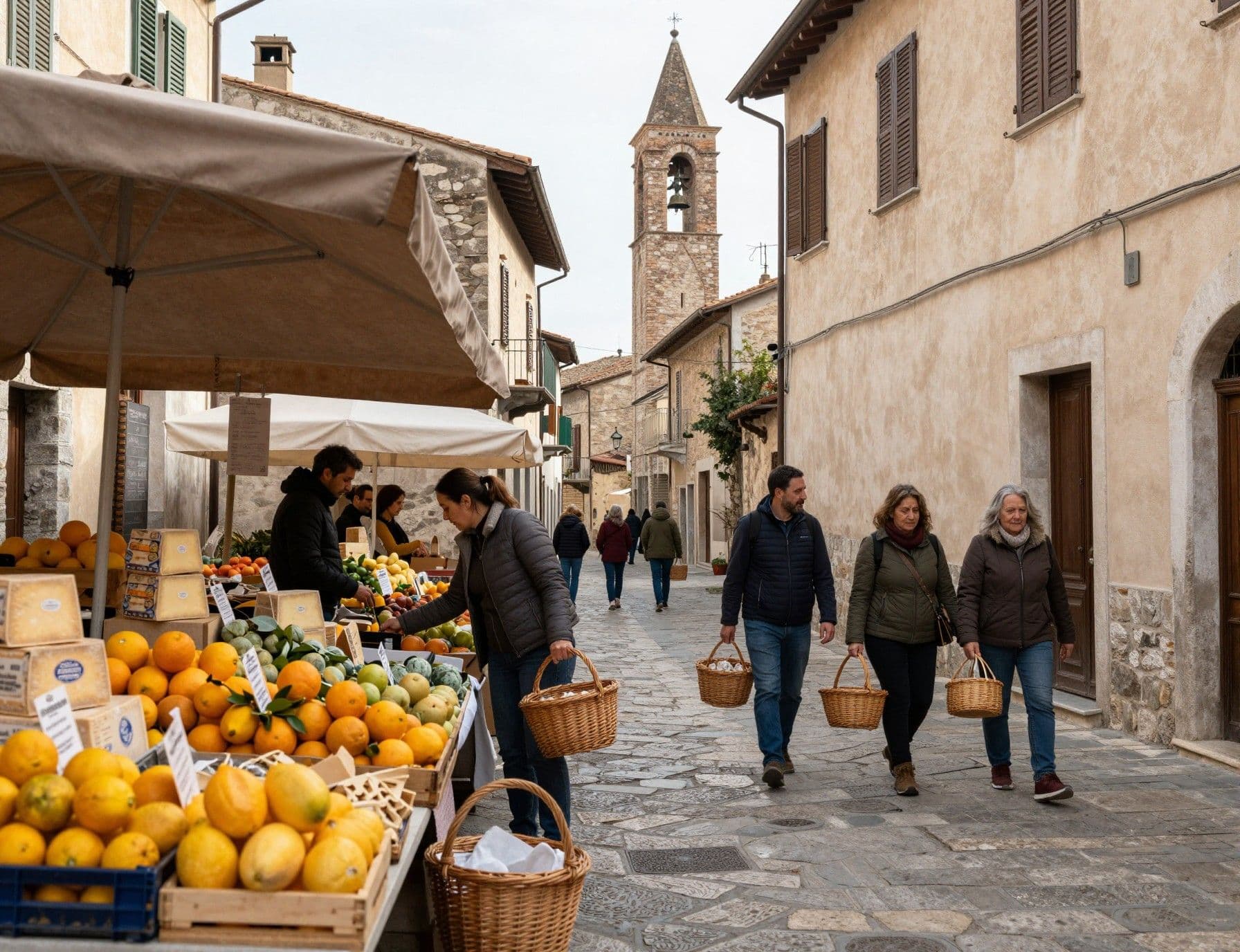
Italy’s daily rhythm is a study in small‑scale pleasures: market stalls stacked with citrus and pecorino, mid‑afternoon barolinos where locals catch up, and neighbourhood parks where children play until sunset. Tourism is a major demand driver — ISTAT shows sustained international visitor growth — but that demand concentrates unevenly, creating pockets of strong short‑let and long‑term rental opportunity beyond the obvious tourist hubs.
Neighborhoods that surprise — Bologna, Bari, Matera
Bologna’s university demand and compact historic centre lift rents without the same ultra‑premium price per square metre as Rome or Milan; Matera’s UNESCO status draws cultural tourism but still offers lower entry prices; Puglia ports like Monopoli combine year‑round local demand with tourist seasonality that supports higher gross yields. Data shows gross yields in several secondary cities exceed prime coastal returns — the trick is aligning product with tenant demand.
Food, markets and the rental story
Weekly markets, local osterie, and the aperitivo hour are more than lifestyle — they shape who rents. Student flats cluster near university canteens; young professionals want neighbourhoods with decent bars and coworking; families prioritise parks and schools. Hospitality reports show visitor mix (business vs leisure) varies by city — that’s crucial when forecasting short‑let seasonality versus stable long‑term occupancy.
- Lifestyle highlights that map to rental demand: Bologna’s student districts (via Zamboni), Matera’s UNESCO core, Monopoli’s old port, Bergamo Città Alta for domestic weekenders, Turin San Salvario for young professionals, Trieste’s port neighbourhoods.
Making the move: practical considerations
Lifestyle drives interest, but purchase decisions must model yields, taxes and realistic operating costs. National price averages hide regional divergence: city centre euros per square metre vary widely, as do net yields once you account for municipal tourist taxes, condominium fees and local vacancy patterns. Use market price per sqm and local rent comparables to calculate gross and net yields before falling for the postcard.
Property styles and how they rent
A compact historic flat with high ceilings and low maintenance can outperform a larger suburban villa in gross yield. Students and young professionals favour well‑located one‑ and two‑bedrooms. Holiday tourists pay premiums for sea‑view or restored historic units in small towns, but those premiums evaporate outside summer months. Match type to tenant profile and seasonality to avoid surprise vacancies.
Working with local experts who understand place and yield
- 1. Engage an agent with municipal-level experience — they’ll know zoning, short‑let restrictions and typical net yields. 2. Commission local rent‑comps and a conservative occupancy model (seasonal vs year‑round). 3. Get quotes for condominium and maintenance costs before offer. 4. Model worst‑case local vacancy to stress‑test net yield assumptions.
Insider knowledge: what expats wish they’d known
Expats often overpay for charm and under‑model non‑glamour costs: stair‑climbing in a stone staircase that needs restoration, seasonal heating bills in older stock, and the administrative lag for tenant paperwork. Local nuances — how condominio rules work, whether the building allows tourist rentals, and the real speed of broadband — materially change net returns and daily life.
Cultural integration and tenant expectations
Tenants expect honesty: utilities, insulation and legal compliance. Learn basic tenancy contracts (contratto di locazione) and typical deposit practices. Speaking some Italian speeds resolution of maintenance issues and tenant screening — local property managers will handle this, but owners who understand norms avoid costly mistakes.
Long‑term lifestyle and yield sustainability
Look beyond short‑term spikes. Cities with diversified local economies and steady population inflows (university towns, logistics hubs, regional administrative centres) deliver more stable yields. Use local employment trends and tourism seasonality to forecast 3–5 year occupancy and rent growth, not just the Instagram moments.
- Quick red flags to check before bid: active restrictions on short‑lets in historic centres, unusually low utility infrastructure, lack of local property managers, and condo rules banning subletting.
Conclusion — Italy is a study in contrasts: the postcard markets impress, but meaningful yield often sits in overlooked cities and neighbourhoods shaped by students, commuters and local tourism cycles. Fall in love with the lifestyle first, then validate with local price‑per‑sqm, rent comps and conservative net yield modelling. Start with a neighbourhood agent who understands both the espresso culture and the cap‑rate math.
Danish relocation specialist who moved to Cyprus in 2018, helping Nordic clients diversify with rental yields and residency considerations.