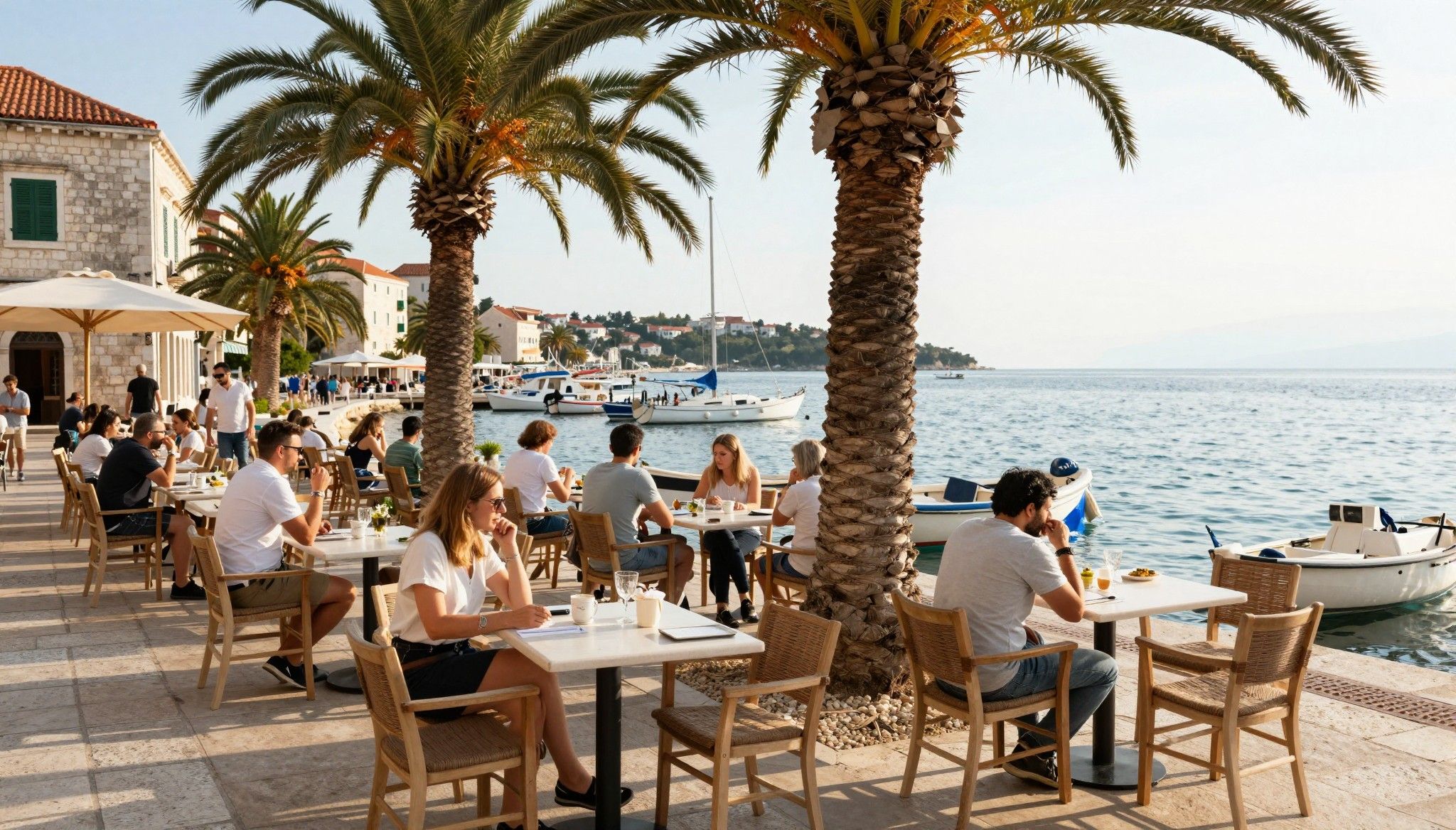
Italy: Buy the Rhythm, Not the Postcard
Italy’s lifestyle fuels rental demand, but sustainable yields come from matching property type to tenant rhythm, modelling seasonality, and accounting for tightening short‑let rules.

Imagine sipping an espresso on a narrow street in Trastevere, watching morning deliveries to a baker’s window, then cycling past Renaissance façades to a co‑working hub in Prati. Italy sells that cinematic life — piazzas, markets, aperitivo rhythms — but for international buyers the real question is how that life translates into steady rental income. This piece pairs sensory snapshots (markets, beaches, trattorie) with hard rental metrics and local rules that materially change yield calculations.
Living the Italy lifestyle — how it drives renter demand

Daily life in Italy is location‑specific and seasonally accelerated: student demand fuels cities like Bologna and Pisa during term; seaside towns such as Positano or Cefalù peak in summer; and historic centres in Florence and Venice draw year‑round tourism but face local restrictions on short lets. High visitor numbers (ISTAT recorded record arrivals in 2023) support short‑term occupancy premiums, but municipal rules increasingly limit supply in core historic zones, changing net yield prospects for investors.
City cores: Rome, Milan, Florence — the double‑edged sword
Historic centres deliver undeniable demand from tourists and high‑paying short stays, but two realities bite investors: purchase prices per square metre are highest in cores (compressing gross yields), and many municipalities are adding registration or outright bans on new short‑term listings. For long‑let demand, proximity to universities (Bologna, Padua) and business districts (Milan) underpins higher base rents and lower vacancy risk compared with tourist‑only neighbourhoods.
Coast and islands: seasonal premiums and occupancy volatility
Seaside towns can post 60–80% occupancy in high season and command 2–4x nightly rates versus year‑round long lets, but outside summer months many coastal markets see vacancy push effective yields well below headline gross yields. Data providers show rising short‑term supply and strong seasonal revenues in places like Positano and the Aeolian Islands, so investors must model occupancy curves, shoulder‑season discounts, and property management costs, not just peak rates.
- Lifestyle highlights that feed rental demand
- Bologna’s university term calendar — steady student rentals and premium for renovated 1–2 bedroom flats near Via Zamboni
- Florence centro storico — tourist footfall plus municipal short‑let restrictions that reduce supply but raise compliance costs
- Liguria and Amalfi Coast port towns — strong summer yields, large off‑season vacancy; terraces and sea views matter to nightly rate elasticity
Making the move: property types, agencies and yield mechanics

Translating lifestyle into investable yield starts with matching property type to demand and then stress‑testing costs. Italian markets distinguish between long‑let residential, student rentals, and short‑term tourist lets — each has different turnover, furnishing, insurance, and tax profiles. Use agency partners who can show recent negotiated rents (not listing prices), tenant profiles, and real vacancy histories for the specific street you’re targeting.
Property styles — what suits which tenant
A 50–70 sqm renovated apartment with efficient heating and AC rents well to young professionals in Milan; a 30–45 sqm studio near university campuses outperforms in Bologna; a terraced 2‑bed with sea view sells for a premium on the Amalfi but needs winter demand to justify holding costs. Factor in maintenance on historic buildings (stone façades, old roofs) — conservatively budget 1–2% of purchase price per annum for upkeep in older stock.
Working with local experts who know lifestyle demand
Engage an agent with on‑the‑ground rental track record, an accountant familiar with cedolare secca (flat rental tax) implications, and a property manager who handles seasonality and platform compliance. Local networks provide off‑market opportunities on streets where residents prefer selling to long‑term owners rather than tourist conversion — that premium often yields steadier cashflow.
- Steps to convert lifestyle demand into predictable net yield
- 1. Map tenant demand by quarter (students, tourists, professionals) and assign realistic occupancy rates per month.
- 2. Model gross vs. net yield: include agency fees, management, utilities (if furnished short‑lets), municipal tourist levies, and 1–2% structural maintenance.
- 3. Stress test downside: 30% off‑season revenue drop for coasts; 10–15% vacancy buffer for city flats; regulation cost scenario for short‑let restrictions.
Insider knowledge: mistakes expats make and local rules that reprice returns
Expat buyers often assume tourist premiums guarantee superior net yields. The reality: Italy’s tightening enforcement — from municipal bans in historic centres to national platform tax clarifications — can eliminate the premium overnight. Also, underestimating management effort for high‑turn properties creates hidden cost drag; international owners benefit from local property managers who can legally register listings and comply with tourist taxes.
Cultural quirks that affect tenancy and maintenance
In many Italian towns, building consortia (condominio) govern renovations, noise rules, and common area use. Neighbourhood norms — late dinners, Sunday closures, market days — shape tenant expectations. Expect slower bureaucratic timelines for permits and renovations; factor this into renovation schedules and cashflow models.
Longer term, Italy’s markets are nuanced: secondary northern cities (Bergamo, Brescia, Verona) show steady rental growth tied to local economies, while certain coastal micro‑markets deliver episodic high returns with higher operational risk. Diversifying across city types and tenancy profiles (student + professional + managed short‑let) reduces concentration risk and smooths overall portfolio yield.
- Red flags to watch before you buy
- Unregistered short‑let activity on the block — indicates future enforcement risk and contested supply dynamics
- High condominium (condominio) fees for historic buildings with costly shared systems
- Municipal tourist levies and platform withholding rules that change effective net cashflow
Conclusion: buy the rhythm, not the postcard. Italy’s lifestyle is the engine of rental demand — vibrant markets, food culture, and historic character create willing tenants — but sustainable returns come from aligning property type, locale, and tenancy model with regulatory realities and realistic occupancy modelling. Start with local data, insist on recent negotiated rents, and partner with accountants and managers who translate piazza life into predictable net yields.
Dutch investment strategist who built a practice assisting 200+ Dutch clients find Spanish assets, with emphasis on cap rates and due diligence.