Malta: Lifestyle-Rich Neighbourhoods, Measured Yields
Malta offers compact Mediterranean living and steady tenant demand, but moderate yields, rising prices and short‑let regulation mean investors must pair lifestyle choices with stress‑tested yield models.
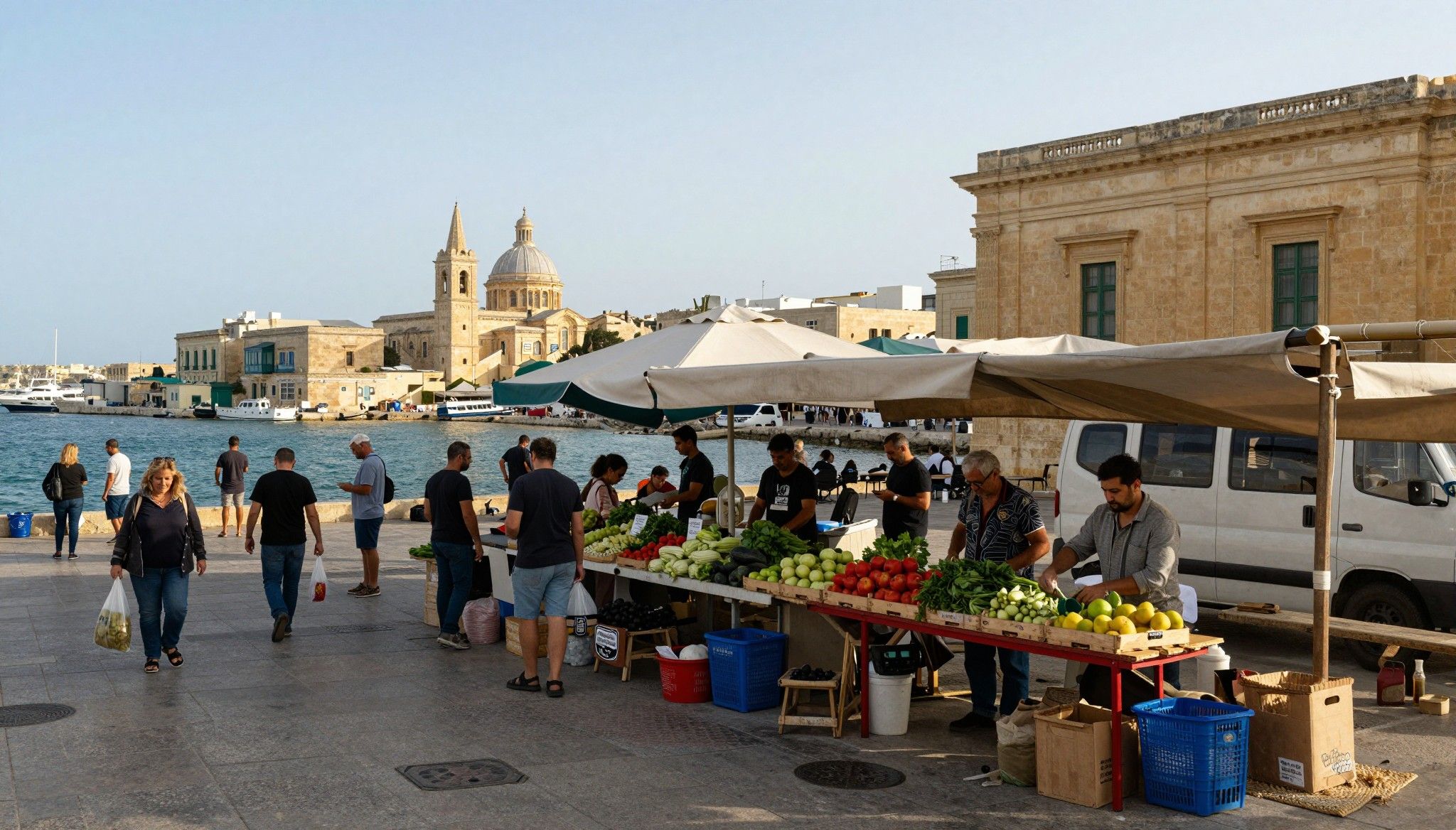
Imagine sipping an espresso under a balcony dripping bougainvillea on Triq ir-Rebha in Sliema, then walking ten minutes to a skyline of pocketed harbours and ferries. Malta compresses Mediterranean life—markets, festas, and late-night cafés—into an island you can cross in under an hour. That compactness is a lifestyle asset for international buyers: daily rhythms are dense, social life is public and walkable, and rental demand clusters tightly around a handful of neighbourhoods. But what looks like a postcard also hides practical trade-offs that shape yields, seasonality and long‑term value.
Living the Malta life: pockets, rhythms, and taste
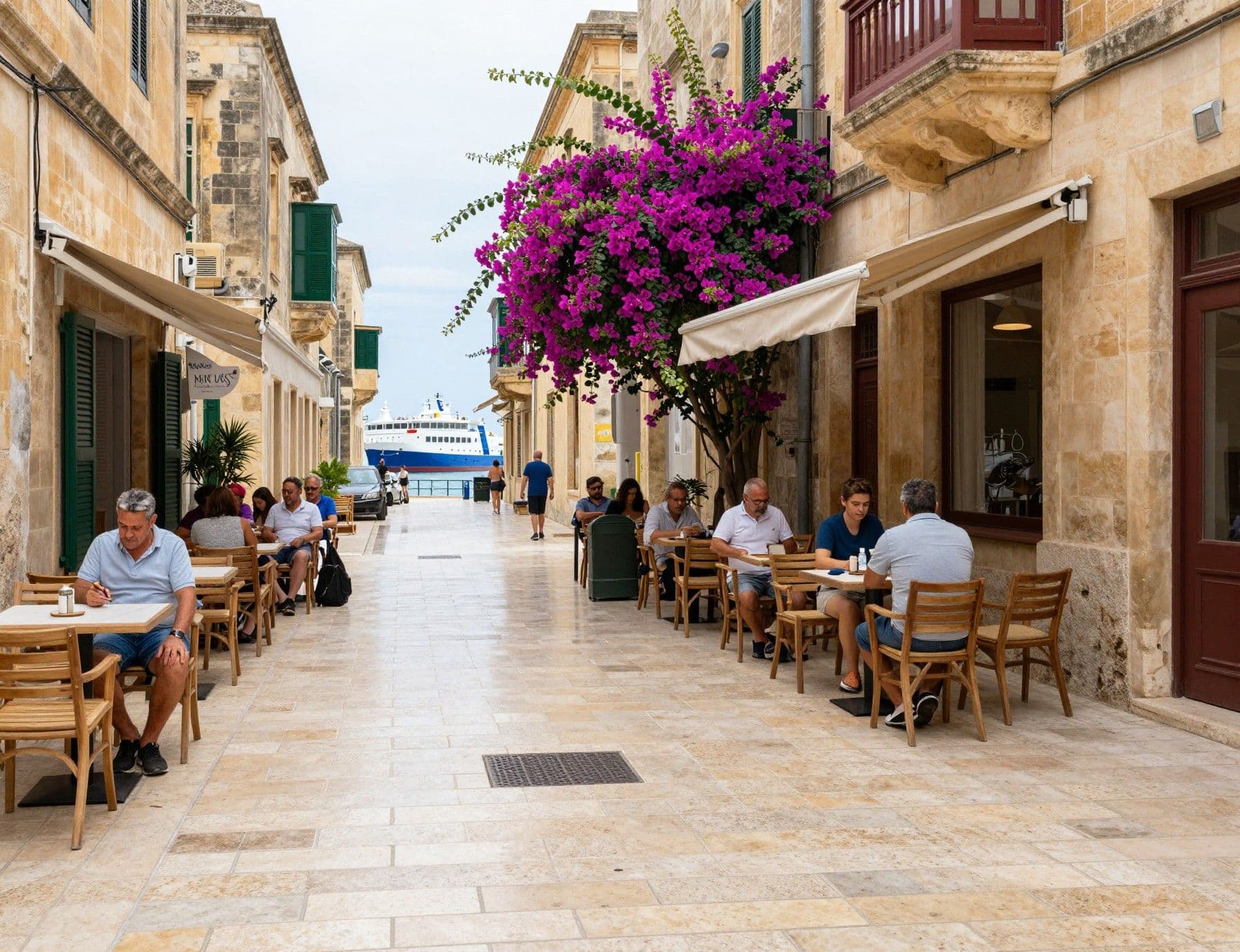
Daylight in Malta is practical and social. Morning markets brim with local fruit and gbejniet (cheeselets); lunchtime is a short, efficient pause and evenings stretch into piazza gatherings. Valletta’s limestone streets echo with history while Sliema and St Julian’s deliver high-density apartment living and a steady stream of short‑term visitors. The island’s population growth and tourism recovery concentrate tenant demand, but rising prices documented by national indices mean that lifestyle hotspots often carry yield compression. See official RPPI figures for recent price momentum.
Sliema & Gzira: the commuter‑coast where rents trade liquidity for convenience
Picture morning commuters choosing sea‑view terraces over long commutes—Sliema and Gzira pair coastal cafes with quick ferries to Valletta and short drives to business parks. These areas command steady long‑let rents from professionals and digital nomads and capture much of the island’s serviced‑apartment demand. That convenience attracts tenants year‑round, keeping vacancy low and rental frequency high, but investors must accept tighter gross yields versus more peripheral towns. Local market reports show short‑let premiums cluster here, particularly around Tigné Point and Tower Road.
Valletta & Three Cities: historic core—tourism density, regulatory sensitivity
Valletta sells itself to visitors: baroque streets, waterfront promenades and cultural programming. That makes it ideal for high‑turn short‑lets, but new licensing and enforcement efforts have increased regulatory risk for unlicensed hosts. If you plan to chase tourism yields here, factor in licensing, neighbour approvals and episodic moratoria—policy shifts now directly reprice short‑term rental returns. In practice, regulatory risk translates to higher operating costs and contingency planning for vacancy when enforcement spikes.
Making the move: how lifestyle choices map to investment outcomes
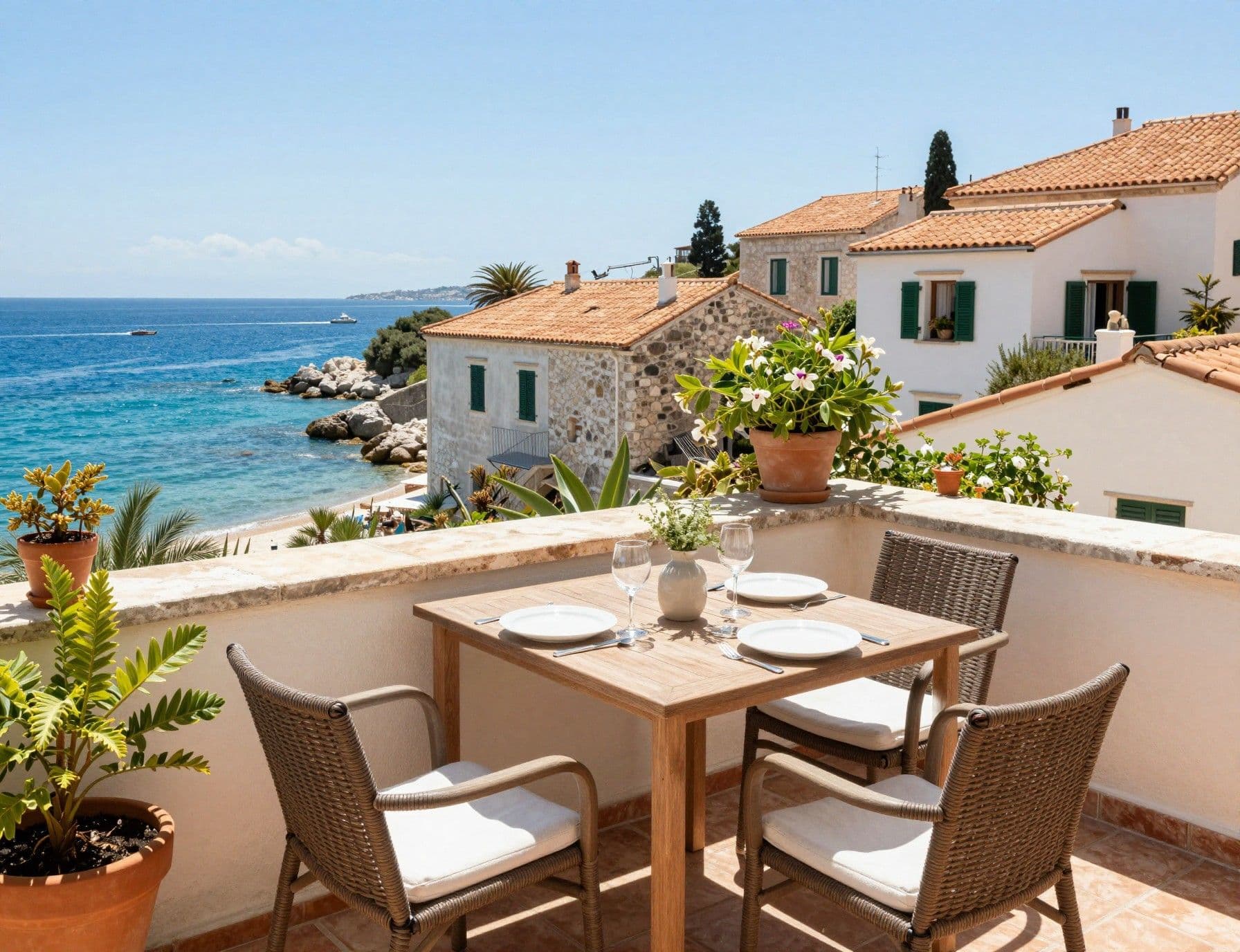
Malta’s average gross yields are moderate—typically in the high‑3% to low‑4% range for apartments—and vary by island, property type and letting model. Apartments in dense coastal towns often produce the highest net rental cashflow because of consistent demand, while traditional townhouses and detached houses lag on yield but can offer capital appreciation if positioned correctly. Use yield numbers as a first‑filter, then layer in occupancy assumptions, management costs and regulatory risk to estimate net yield realistically.
Property types: what to pick for the life you want (and the yield you need)
Apartments: dense, easier to manage, strongest rental velocity—best for yield‑first buyers targeting Sliema, Gzira or St Julian’s. Townhouses: character and occasional premium rates but higher refurb and vacancy risk, suited to lifestyle buyers seeking long stays. Villas/sea‑front homes: attractive for personal use and occasional high‑value short lets, but dilute gross yields because of higher purchase prices and maintenance obligations. Match property type to tenant profile: professionals favor compact, serviced flats; families prefer larger multi‑room layouts in quieter localities.
- Steps to align lifestyle with realistic cashflow projections
1. Run two yield scenarios — long‑let conservative and short‑let optimistic — and stress test occupancy at -20%. 2. Add real operating costs: management (8–12%), local taxes, licences, and periodic refurbishment every 5–7 years. 3. Price per sqm matters: use recent RPPI data to benchmark purchase versus replacement cost. 4. Reserve 6–12 months of gross rent as contingency against regulatory or seasonal shocks. 5. Verify local council rules: some localities require neighbour sign‑offs for short lets, altering feasibility.
Insider knowledge: what expats wish they'd known
Expats often underestimate how governance and density shape everyday life. Public services feel efficient, but supply constraints—parking, utilities, and smaller apartment sizes—become daily considerations. Local festivals (festi) reshape neighbourhood life on weekends; expect noise and temporary population spikes. On the positive side, English is widely used, healthcare access is strong, and a compact island means most amenities are a short walk or drive away—practical perks that support stable rental demand.
Cultural cues that change tenant behaviour
Neighbours and local councils in Malta can be decisive — complaints about short lets have prompted tighter enforcement and moratoria in some zones. Tenants expect high walkability, quick internet, and proximity to cafes; properties lacking balconies or A/C often underperform. For investors, cultural fit matters: design your offering around daily routines (morning café culture, siesta‑adjacent afternoon quiet) and regulatory realities to avoid surprise vacancy or enforcement action.
- Quick operational checklist before you buy
Confirm short‑let licensing status and local council position. Check recent RPPI trends and price per sqm against KPMG regional data. Speak to agencies who actively manage properties in your target neighbourhood. Model net yield with conservative occupancy and explicit capex cycles. Budget for licensed property conversion if you plan to toggle between long and short lets.
Malta is compact, social and surprisingly complex as an investment market. The lifestyle—sea, festas, dense cafés and English‑friendly services—makes it easy to fall in love. The financial reality is moderate yields, concentrated demand, and rising prices that compress margin. If you pair a lifestyle map (which neighbourhood matches how you want to live) with a disciplined yield model (stress‑tested occupancy, regulatory buffer, and clear management plan), Malta can play a steady role in a diversified international portfolio. Step one: shortlist areas by tenant profile, then engage a licensed local agent who publishes occupancy data and fee structures.
Dutch investment strategist who built a practice assisting 200+ Dutch clients find Spanish assets, with emphasis on cap rates and due diligence.