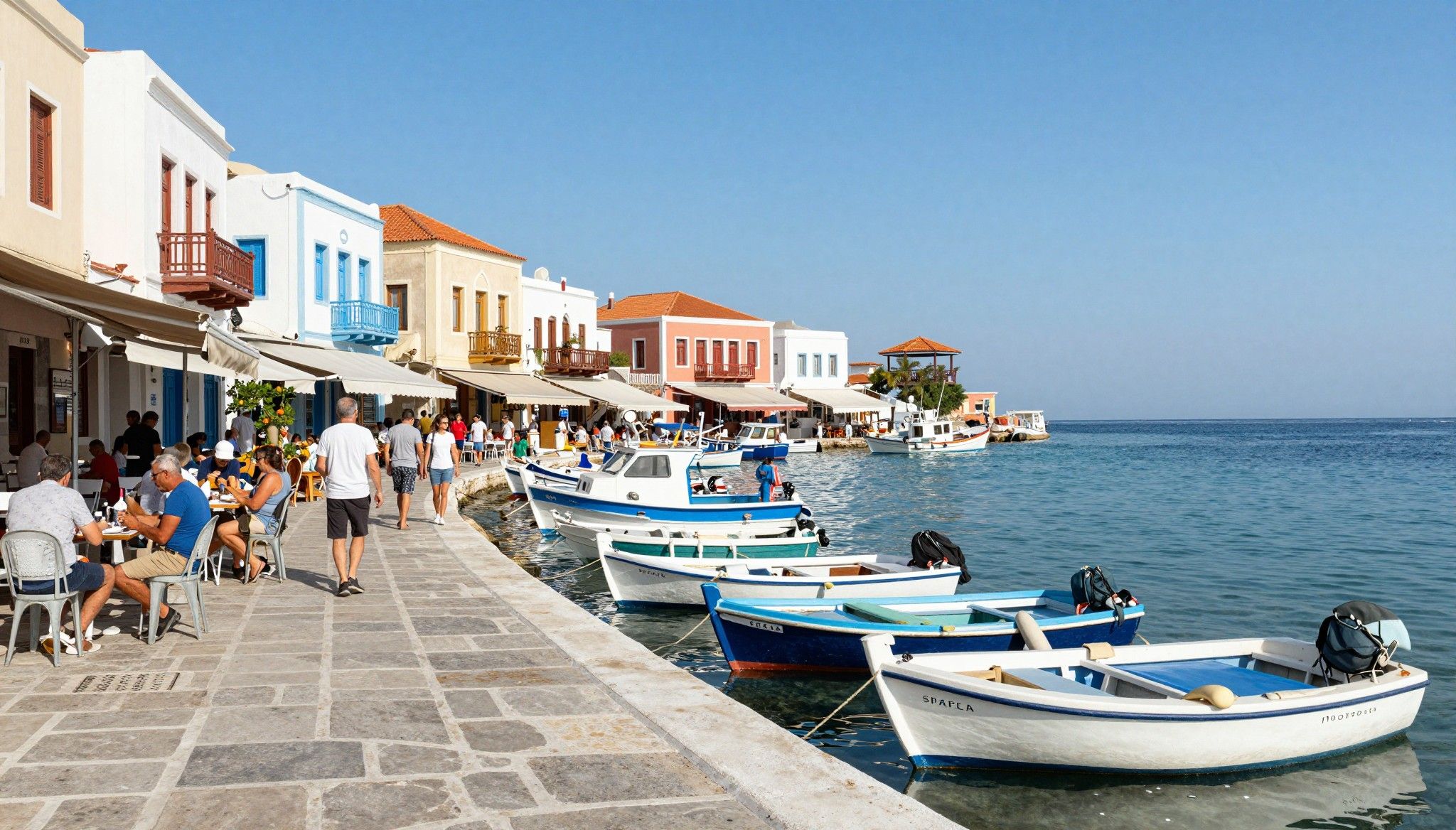
Malta: Micro‑Location Matters More Than the View
Malta’s compact rhythms create steady rental demand — match micro‑location to tenant profile and model net yields conservatively for reliable returns.

Imagine waking to espresso steam and limestone streets underfoot, then cycling 15 minutes to a Mediterranean cove where locals swim year‑round. That compact, sun‑baked intimacy is Malta: a densely inhabited island where every neighbourhood feels like a village and property decisions hinge as much on micro‑location as on headline prices. For international buyers chasing rental income, that density creates persistent demand; for lifestyle buyers, it delivers immediacy — cafes, ferry links and festivals within walking distance.
Living the Malta lifestyle
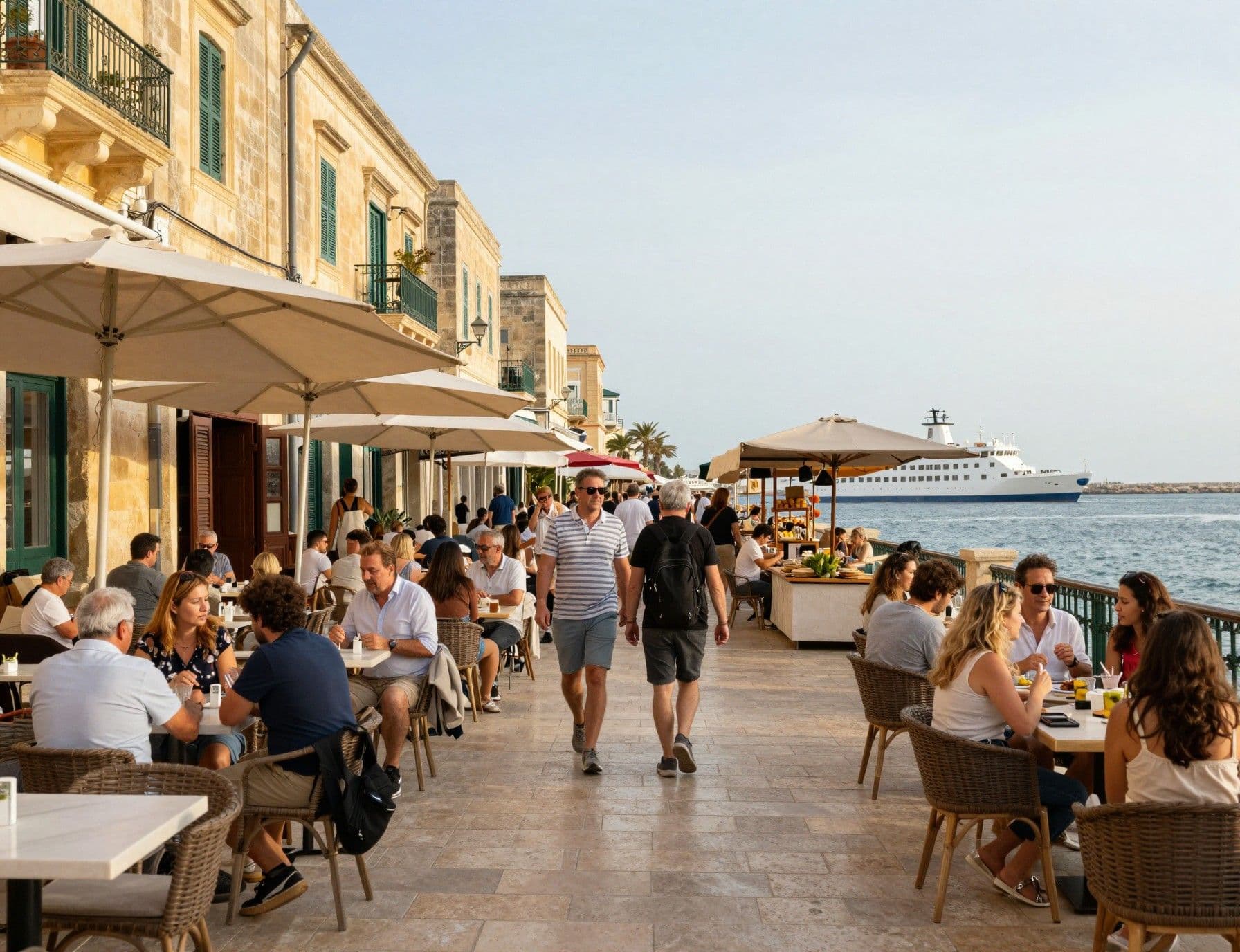
Malta’s daily rhythm mixes Old World formality and island informality. Picture Valletta’s baroque streets at dawn, St Julian’s promenades at lunch, and Għajn Tuffieħa’s west‑coast swimmers at sunset. English is an official language, so practical integration is fast; markets, coffee rituals and late dinners shape where tenants want to live and what they’ll pay for — proximity to transport and good Wi‑Fi often outrank a sea view in rental listings.
Neighbourhood spotlight — Sliema, Gzira, and Ta' Xbiex
Sliema and Gzira offer the pragmatic expat life: apartments above coffee shops, reliable ferry connections to Valletta, and a steady stream of short‑let demand from professionals and tourists. Ta' Xbiex attracts longer‑term tenants working in maritime services and finance, drawn to quieter streets and harbour views. These areas combine walkability with rental liquidity — small flats convert easily between short‑let and long‑term tenancy, which matters for yield management.
Food, festivals and the sea — how lifestyle drives demand
Weekends in Malta mean fish markets in Marsaxlokk, festa fireworks in village squares, and pop‑up food stalls on promenades. Those seasonal spikes lift short‑let occupancy and set peak nightly rates during April–October. Yet locals live year‑round here: reliable healthcare, international schools, and an ingrained cafe culture create a base rental market even in winter — a stability often overlooked by buyers fixated on summer tourism.
Making the move: practical considerations
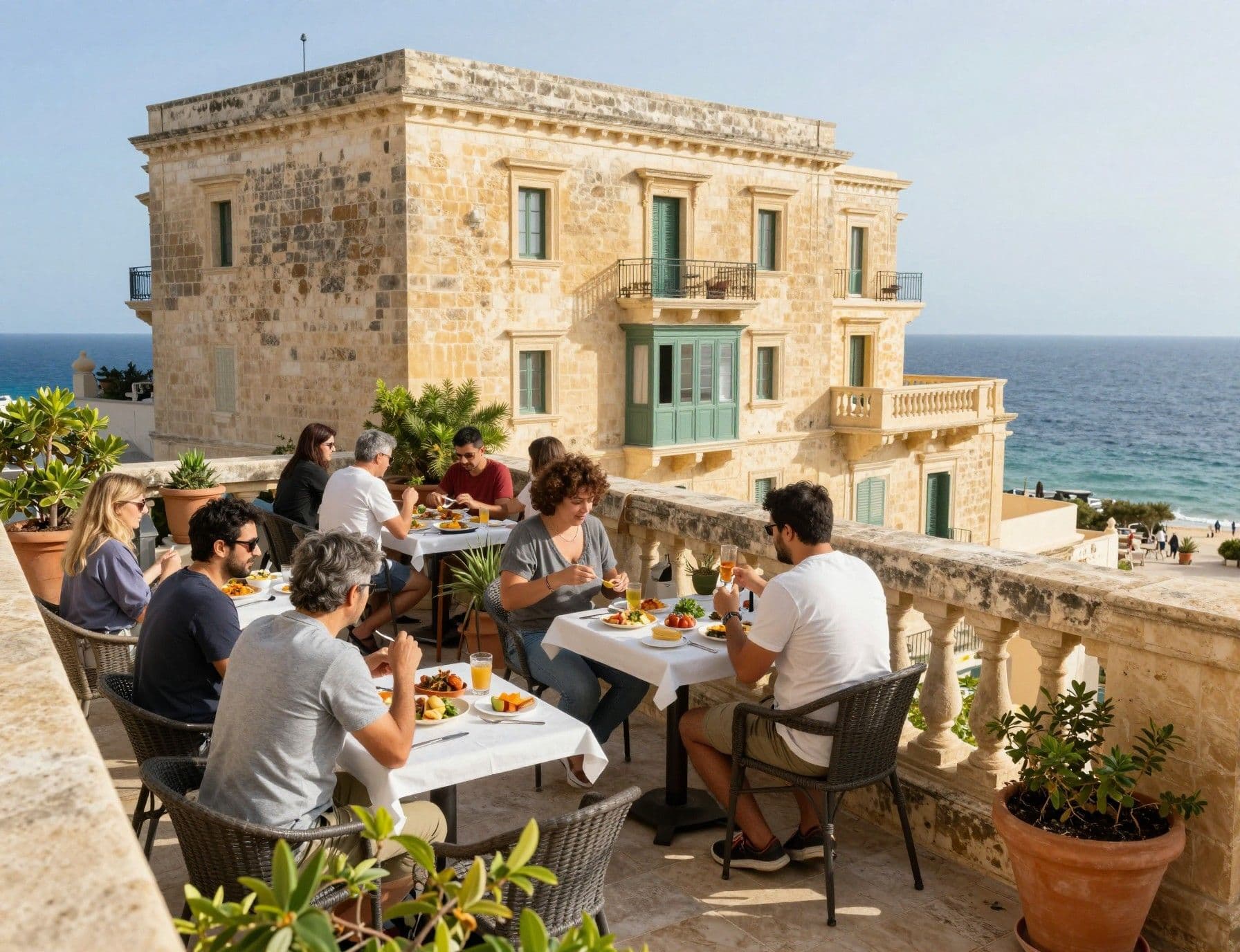
Transforming a lifestyle desire into a reliable rental asset in Malta requires marrying micro‑location with regulatory and market signals. Price per square metre varies dramatically between Valletta, Sliema and inland villages; mortgage availability, transaction costs and stamp duty affect net yields. Macro reports from the Central Bank and the National Statistics Office help set expectations for price growth and rental trends, but the decisive factor for yield is occupier profile — students, short‑let tourists, or long‑staying professionals.
Property styles and their yield profiles
Traditional maisonettes and converted townhouses near Valletta command premium per‑sqm and high short‑let rates but carry renovation, maintenance and heritage constraints. Modern apartments in Sliema and St Julian’s offer lower capex and predictable tenancy, often delivering higher net yields when adjusted for vacancy and management costs. For investors, match property type to tenant profile: boutique townhouses for experiential rentals, modern flats for steady long‑lets.
Working with local experts who know the lifestyle
A local agency fluent in tenancy law, short‑let regulations and utility set‑ups is indispensable. They translate lifestyle cues — which street gets summer footfall, where parking is tight, which cafes attract remote workers — into investment criteria. Ask agencies for proven rental comparables, historical occupancy rates and a breakdown of operating costs; insist on references from owners who have used both short‑let and long‑let strategies.
- Steps to align lifestyle with yield
1. Identify target tenant: tourist nights command volatility but higher peak rates; professionals deliver steady monthly rents. 2. Choose micro‑location: proximity to ferries, coworking hubs or international schools will shift achievable rents by 10–30%. 3. Cost out operating expenses: management, cleaning, utilities and Maltese compliance fees reduce gross yield to realistic net yield figures. 4. Model scenarios: run worst, base and best case occupancy to estimate cash return and breakeven.
Insider knowledge: what expats wish they'd known
Buyers who arrive seduced by postcards sometimes misprice the ongoing effort of property management in Malta’s dense urban fabric. Expect stonework maintenance, occasional planning constraints and the need for robust tenant screening to protect income streams. Expats consistently say: prioritise connectivity and convenience over photogenic quirks; a 5–10 minute walk to the ferry or bus often means full occupancy in shoulder seasons.
Cultural integration and day‑to‑day living
English signage and bilingual services accelerate settling in, but local relationships matter for maintenance and tenant referrals. Join village festas and market mornings to understand tenant preferences and seasonal rhythms. Those local ties often produce better long‑term tenants and lower turnover — a soft but measurable contributor to net yield.
Long‑term view: what growth looks like
Malta’s constrained land supply and steady inward migration provide structural support for capital values, but short‑term cycles follow tourism and European economic shifts. Institutional quality stock is limited, leaving room for savvy investors who can convert a lifestyle asset into a rental machine with professional management. Expect modest long‑term capital growth; the primary upside for international buyers is yield optimization through micro‑location and tenancy mix.
Practical red flags to check before bidding:
- • Unclear planning status on older townhouses — can limit renovations and short‑let permission.
- • Overreliance on seasonal tourism in secluded coastal villages — expect sub‑optimal winter occupancy.
- • Underestimated management costs when running mixed short‑let and long‑let operations.
Conclusion: Malta is both an alluring lifestyle destination and a nuanced rental market. The investment edge comes from combining sensory knowledge — which streets hum, which coves stay empty in winter — with disciplined financial modelling. Start with neighbourhoods where year‑round demand exists (Sliema, Gzira, Ta' Xbiex), get local agency evidence for occupancy and rates, and model net yields using conservative occupancy assumptions. If you want help translating a lifestyle wish list into a yield‑driven shortlist, work with agents who provide historical rental data and transparent operating cost breakdowns — then let the island’s intimacy do the rest.
Swedish financier who guided 150+ families to Spanish title deeds since relocating from Stockholm in 2012, focusing on legal and tax implications.