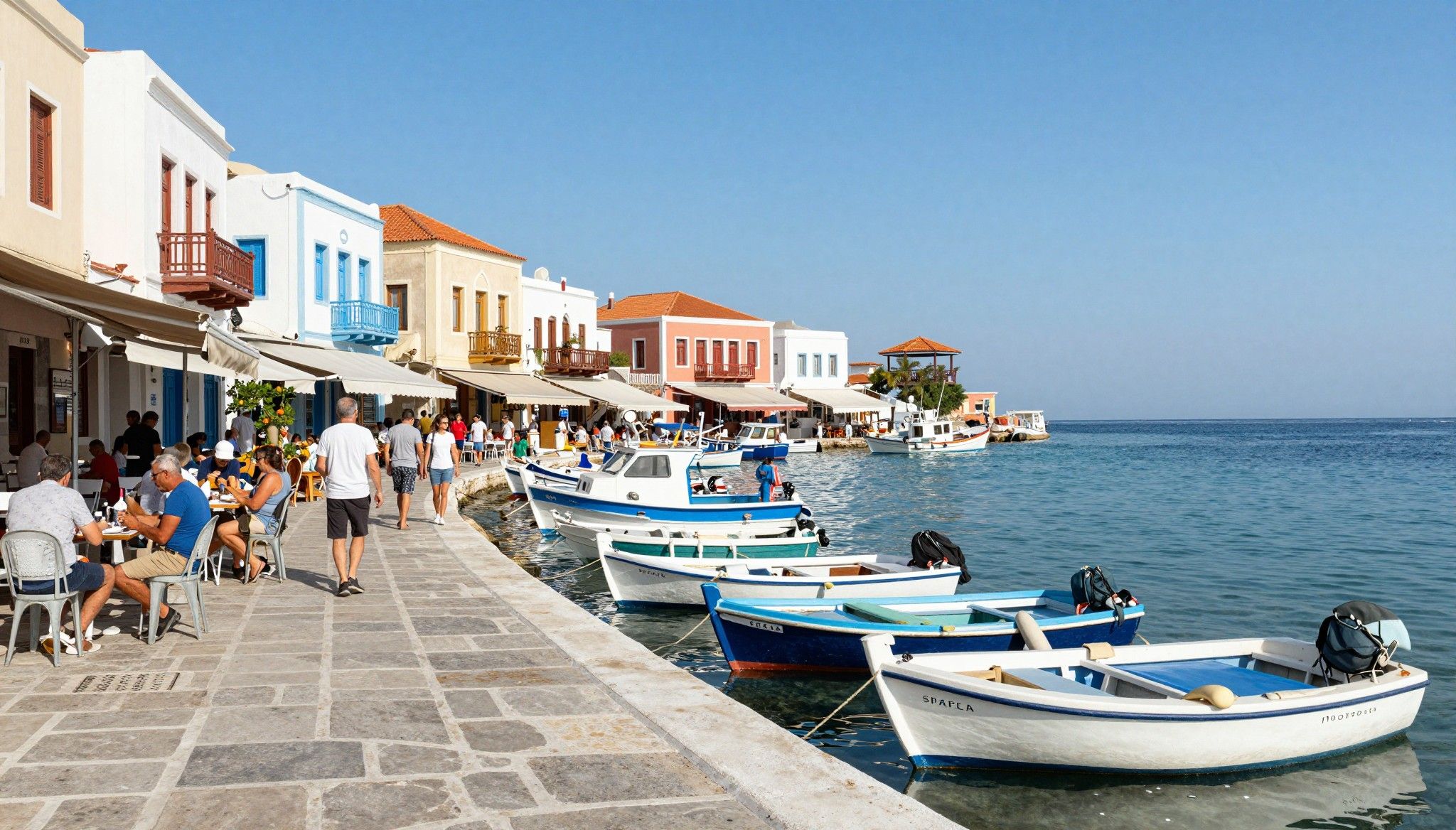
Malta: Micro‑Location, Not Views, That Protects Your Yield
Malta’s compact lifestyle concentrates rental demand but compresses yields; recent data shows low single‑digit gross yields, so prioritise micro‑location, occupancy history and regulatory readiness.

Imagine waking up to a narrow street in Sliema where espresso steam mixes with sea salt, then walking ten minutes to a rental-ready one‑bed with a sunny balcony. Malta compresses city, coast and history into short distances — and that compactness is the single most important variable for rental demand. This piece pairs the Mediterranean rhythm with the hard numbers investors need: where yields actually sit in 2025–26, which micro‑locations punch above their price tag, and the regulatory shifts that quietly reprice short lets.
Living Malta: small‑is‑big for lifestyle and rentability
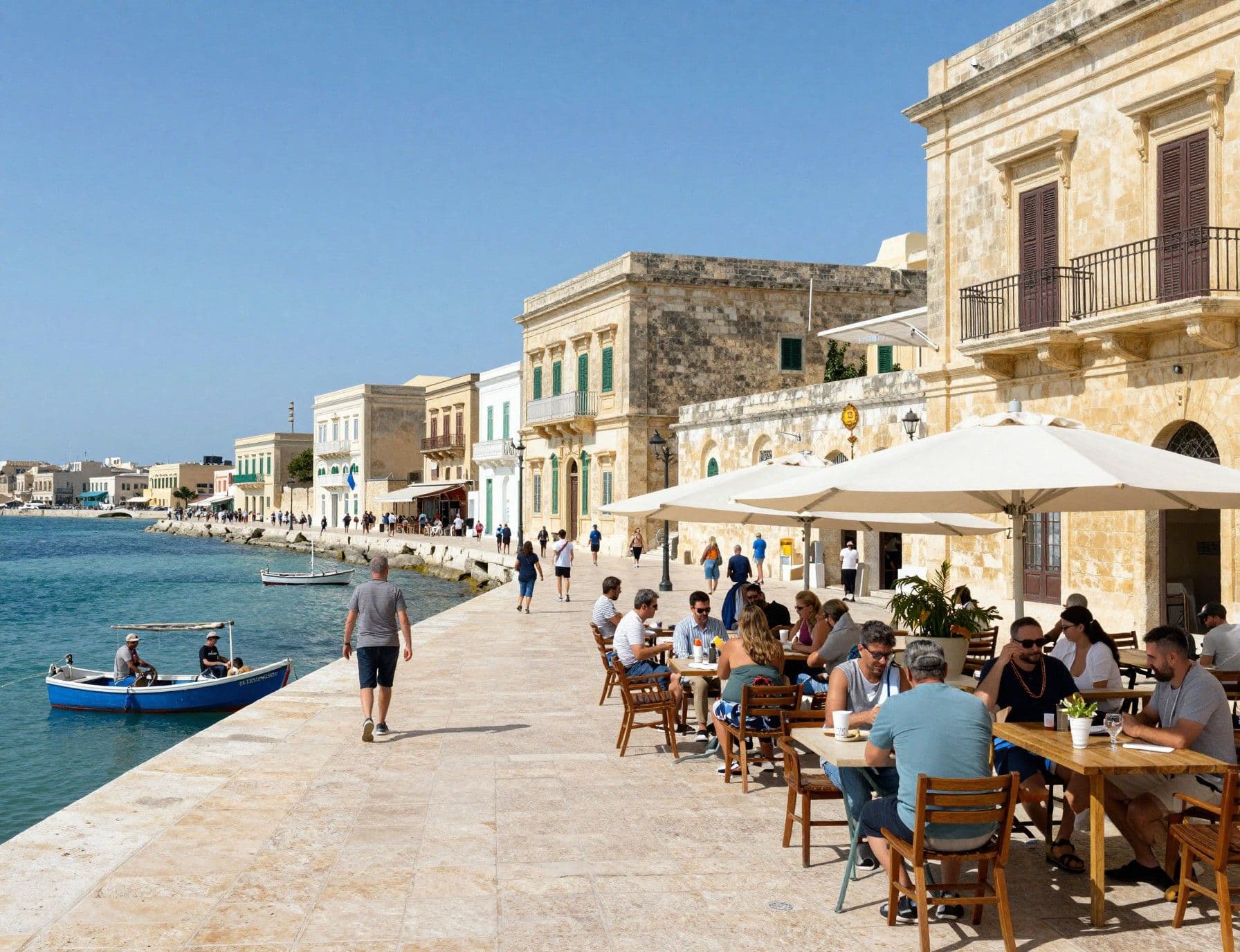
Malta’s compact geography makes every neighbourhood feel like an amenity. Valletta’s baroque streets, Sliema’s seafront esplanade, St Julian’s nightlife and Gozo’s slower pace are all within a 40‑minute drive. That density concentrates rental demand and shortens vacancy cycles, but it also concentrates price growth — the National Statistics Office reports house prices rose about 5% year‑on‑year into late 2024, a trend investors must factor into yield calculations.
Valletta, Sliema and St Julian’s — three different rental plays
Valletta rents premium tenants who want heritage and walkability; yields here tend to be lower per price point but offer reliable short‑let demand during tourist high season. Sliema and St Julian’s blend local long‑lets and short‑lets: Sliema skews to professionals and families, St Julian’s to younger international tenants and hospitality staff. Choose the play that matches your yield tolerance: seasonal uplift (short‑let) vs steady monthly cashflow (long‑let).
Food, ferry rides and low‑key nightlife — everyday attraction
Weekends are market mornings at Marsaxlokk fish stalls, afternoon swims at Golden Bay and evenings at neighbourhood trattorias in St Julian’s. That lifestyle sustains a year‑round tenant mix (locals, EU professionals, digital nomads), but policy changes to short‑lets are shifting the balance toward longer lets in many suburbs — a structural factor for yield modelling.
- Lifestyle highlights: Valletta theatre nights, Sliema esplanade cafes, Marsaxlokk fish market, Gozo weekend hikes, Paceville nightlife (St Julian’s).
Making the move: where lifestyle choices meet yield math
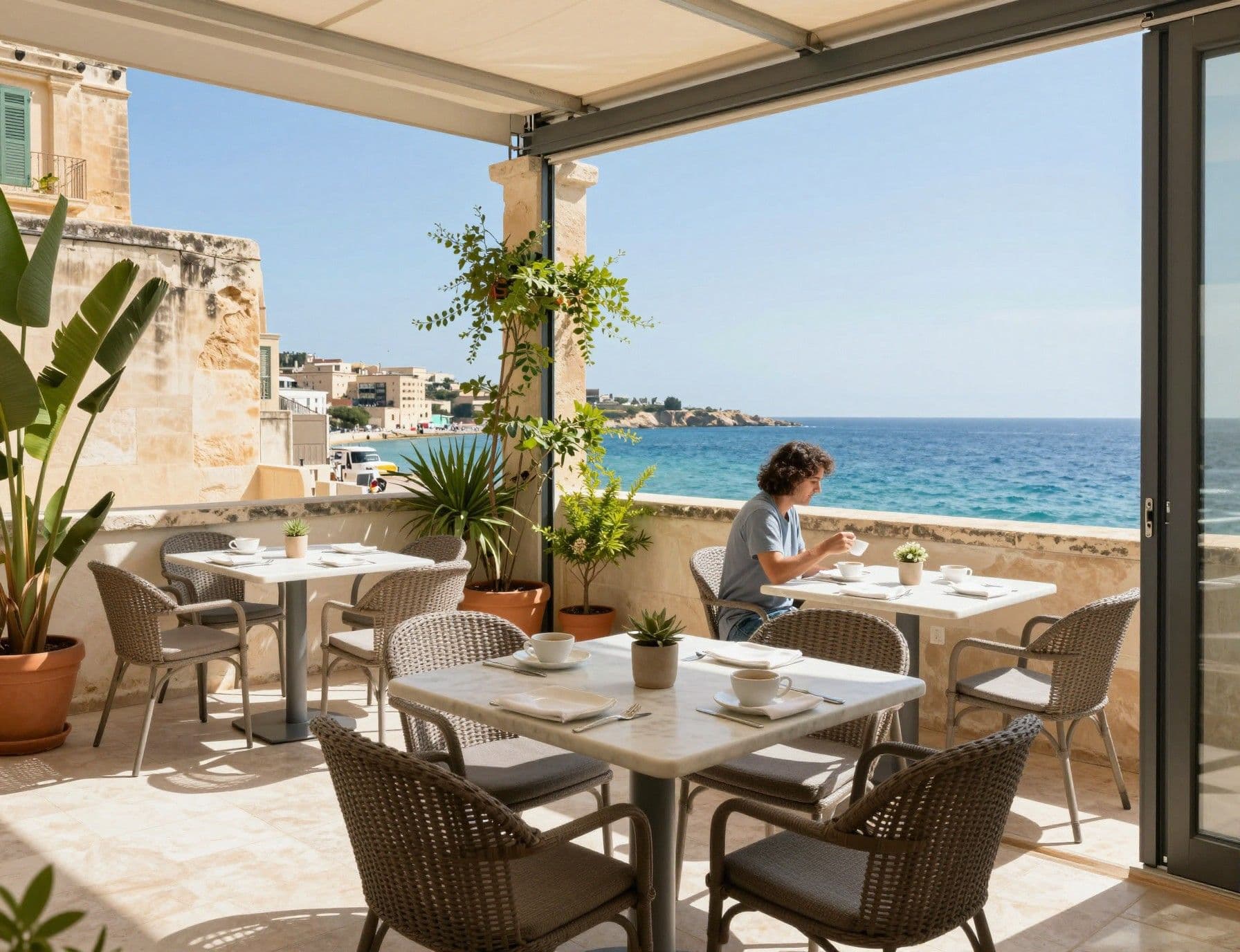
If lifestyle draws you, numbers keep you honest. Average gross rental yields in Malta have compressed into the low single digits in recent quarters — reports show national gross yields around 3.9–4.0% in early 2026 — which means capital appreciation and operational efficiency become central to total return, not just headline rent.
Property types and how tenants use them
Apartments dominate the market and suit singles, couples and short‑term stays; maisonettes and terraced houses work for families and long‑lets. New‑build blocks often command higher rents per square metre but come with management fees that reduce net yield. Older maisonettes can offer higher gross yields yet require capex for modernisation — a key tradeoff on any underwriting spreadsheet.
How local experts keep the lifestyle promise profitable
- 1. Match micro‑location to tenant profile — agencies with local lettings desks understand which streets deliver consistent occupancy vs seasonal spikes. 2. Price for net yield — deduct management, maintenance and municipal rates before comparing to peer markets. 3. Factor licensing risk — short‑let licensing and zone restrictions can remove seasonal upside overnight. 4. Budget for upgrades that reduce vacancy — modest modern finishes often lengthen tenancies and lift effective yield. 5. Use local tax specialists to model net returns — Malta’s tax and residency rules materially affect after‑tax yield.
Insider knowledge: what expats wish they’d known
Expats often overestimate short‑let upside and underestimate ongoing costs. The IMF and national data show steady price appreciation but tighter yields — meaning many early buyers relied on capital growth, not rental cashflow. Expect slower yield expansion and place more weight on location durability, tenant mix and regulatory compliance when you underwrite.
Cultural and practical quirks that affect tenancy
English is widely spoken and leasing paperwork resembles other common‑law systems, but local condo governance, waste collection schedules and festival closures (for example, festa parades) can affect short‑term occupancy. Good property managers anticipate these rhythms and price for them.
Long‑term lifestyle + investment considerations
- • Consider Gozo for steady long‑let demand and lower price per square metre but slower capital growth. • In central Valletta and Sliema expect lower yields but stronger capital preservation. • Target streets near transport hubs and schools for multi‑tenant appeal. • Avoid overpaying for a ‘view’ if it reduces occupancy months — tenants often prioritise convenience.
When the market shifts — for example, tighter short‑let licensing or a bump in mortgage rates — properties with diversified tenant appeal (long‑let + corporate stays) show resilience. Treat Malta as a very small portfolio: each asset must justify itself on yield, occupancy history, and regulatory readiness.
Conclusion: fall in love with the place, price it like a portfolio
Malta sells a compact Mediterranean life that’s easy to love and — if you underwrite conservatively — straightforward to own. Use local yield benchmarks (gross yields ~3.9–4.0% in recent quarters), stress‑test for short‑let policy change, and partner with agencies experienced in both lettings and compliance. The biggest returns here come from picking the right street, not the flashiest terrace.
Next steps: request occupancy histories and licence records for any candidate property; insist on a line‑item pro‑forma that separates gross rent, management, municipal charges and a maintenance reserve; and visit during a weekday and a weekend to feel true neighbourhood rhythm before you commit.
Dutch investment strategist who built a practice assisting 200+ Dutch clients find Spanish assets, with emphasis on cap rates and due diligence.