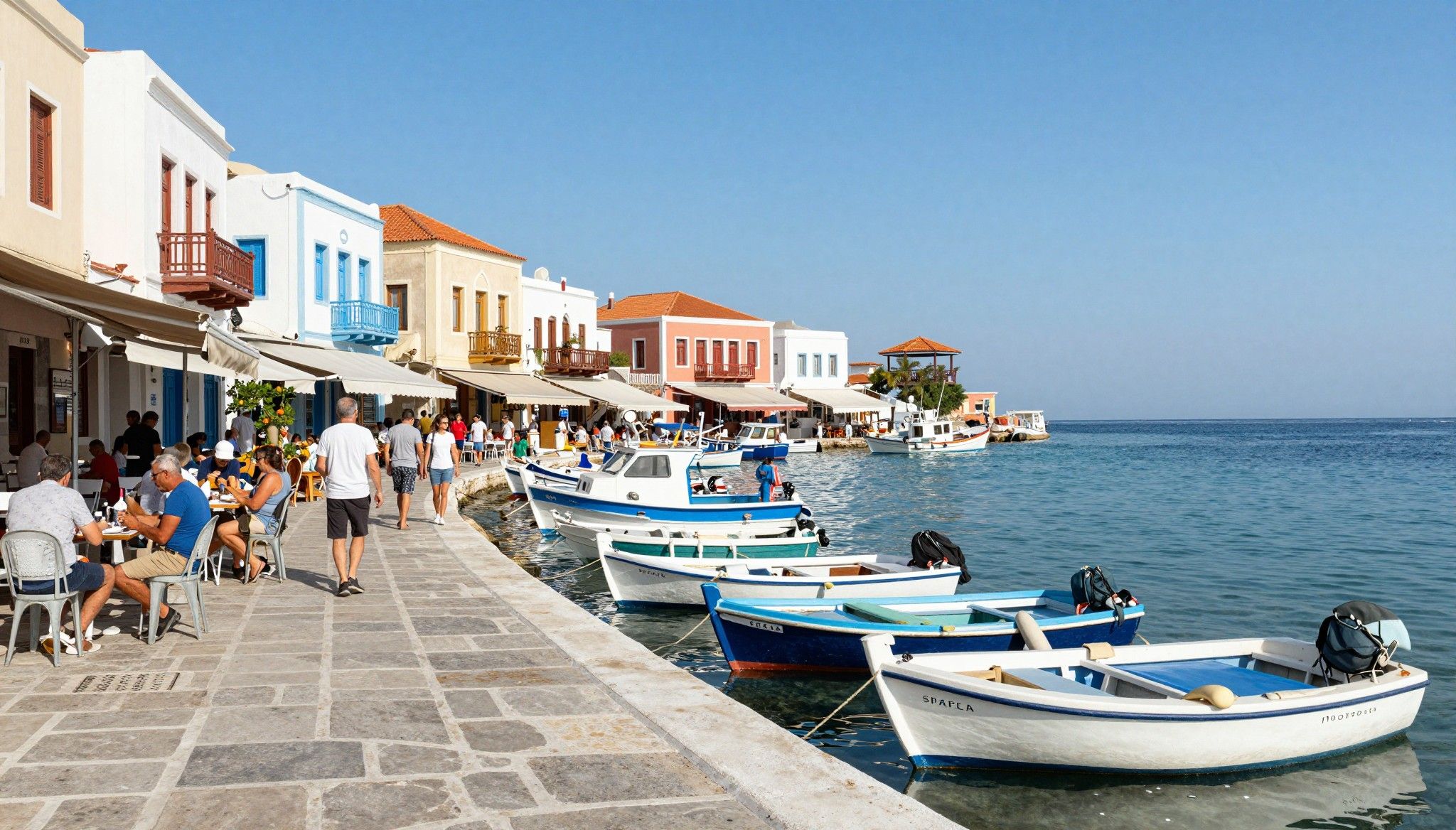
Malta’s Micro‑Markets: Where Yield and Lifestyle Collide
Malta’s compact lifestyle concentrates rental demand—and regulatory risk. Target micro-markets, bake compliance and turnover into your yield model, and use local agents to capture net returns.

Imagine sitting at a pavement table on Triq it-Teatru in Sliema, espresso in hand, the ferry horns from Valletta punctuating conversation. In Malta that small ritual—coffee, sea breeze, a late-morning walk past limestone terraces—explains why buyers come. But beneath the postcard rhythms the island’s compact market and heavy tourist flows materially change how rental returns and risk behave.
Living the Malta life: compact, Mediterranean, wired for renters
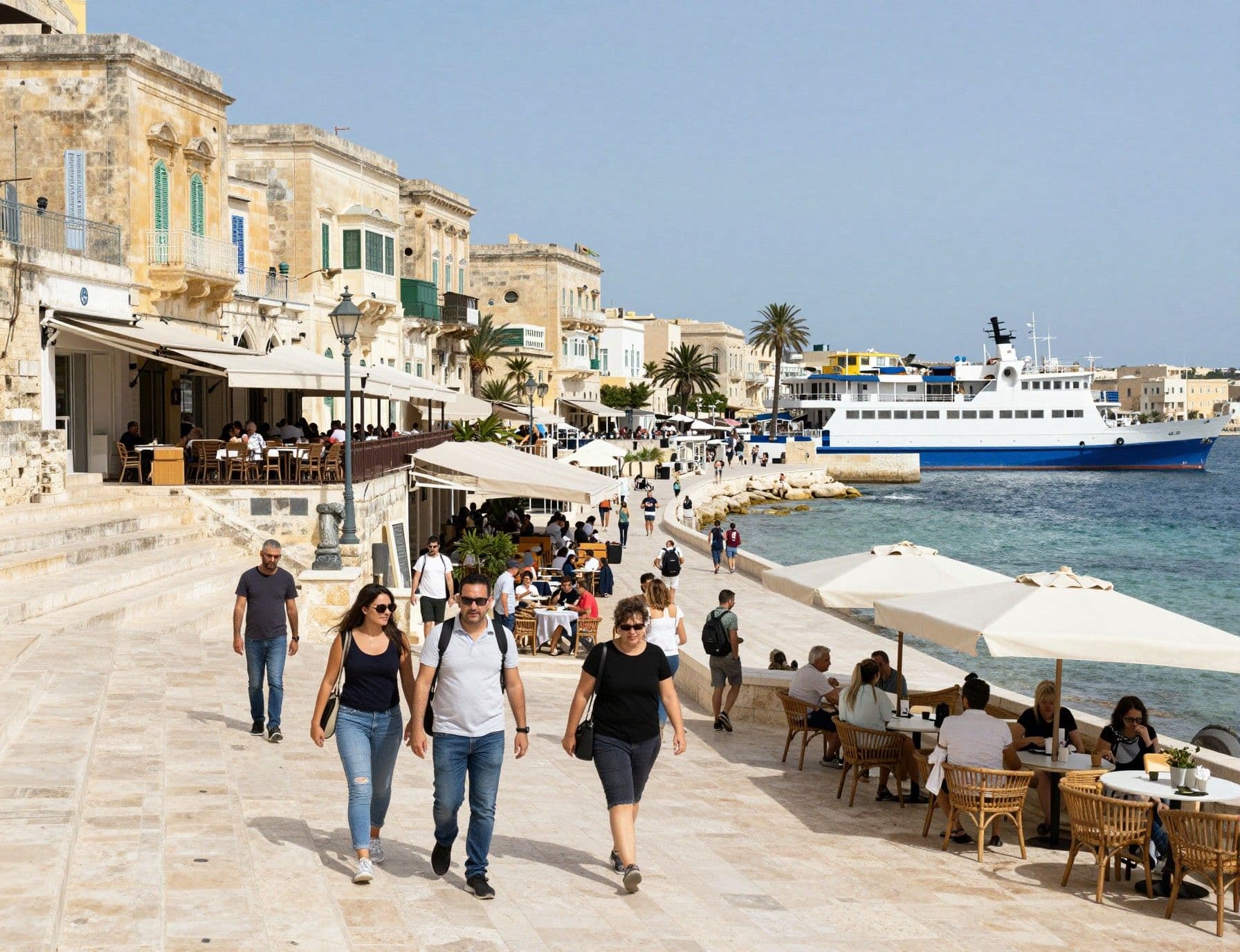
Daily life in Malta folds outdoor rituals into dense, walkable neighbourhoods: market mornings in Marsaxlokk, aperitifs along Valletta’s bastions, and evenings in St Julian’s where bars and restaurants hum. That concentrated social life both sustains strong short- and long-let demand and raises costs for landlords—maintenance, turnover and compliance are more frequent than in larger continental markets. Recent industry surveys show rents rising year-on-year while advertised supply tightens, pressuring yields even as occupancy remains high.
Sliema & Gżira: the expat corridor
Picture narrow streets of Victorian-era townhouses and sea-front promenades: Sliema and Gżira attract long-stay expat professionals and digital nomads. For investors this means steady mid-term tenancy demand, a higher price-per-square-metre, and strong competition for well-located 1–2 bedroom flats. However, high short‑let penetration in these wards increases regulatory and platform risk—local councils and national authorities are tightening enforcement on unlicensed short-lets.
Valletta & Three Cities: heritage rents with seasonal swings
Valletta and the Three Cities offer dramatic, historic product that rents well to short-term tourists and niche long-stay tenants (heritage workers, diplomats, short-term contract staff). Expect higher nightly rates off-season but large occupancy variance. For buy-to-let, properties needing restoration can command premium rents once upgraded—but factor in conservation rules and renovation timelines.
Lifestyle highlights for renters and residents
- Morning markets: Marsaxlokk fish market and Valletta cafés
- Waterfront promenades: Sliema and St Julian’s for casual dining and commuting
- Cultural pulse: Valletta’s festival calendar and theatre scene
Making the move: how lifestyle choices reprice yields
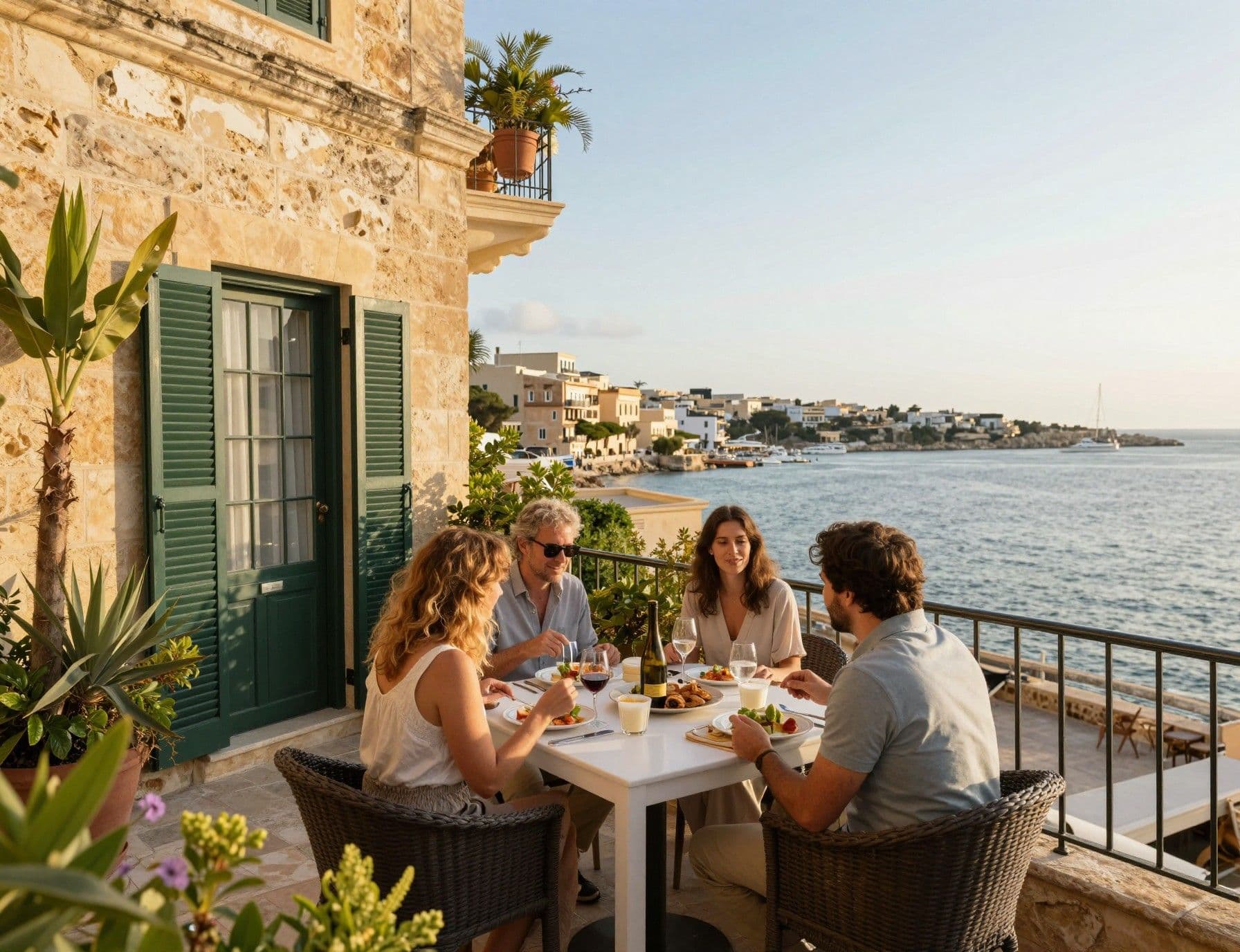
Malta’s headline gross yields sit below many European peers—industry compilations show national average gross yields around 3.9%—but raw yield numbers mask important micro-differences. Location, product type, tenancy model (long-let vs short-let), and regulatory exposure can shift net returns materially. You can engineer higher effective yields by targeting high-turnover student or expat segments, or by investing in proven renovation plays where price-per-square-metre is mispriced.
Property styles and their rental economics
Studio and 1–2 bedroom apartments produce the highest turnover per square metre in Sliema, Pembroke and St Julian’s, but also incur higher management and vacancy costs. Maisonettes and terraced houses deliver lower gross yields but longer tenancies in family-oriented localities like Mellieħa and Mosta. Net yield = (annual rent − operating costs − vacancy − taxes) / purchase price; small shifts in occupancy or service costs change that figure fast on Malta’s small islands.
How local agents add lifestyle-calibrated value
- 1. Identify demand pockets: agents map where expats, students or long-stay tourists cluster and which streets deliver consistent occupancy.
- 2. Compliance and licensing: experienced brokers streamline MTA licensing for short-lets and advise on tenancy law to reduce legal exposure.
- 3. Renovation economics: local professionals estimate realistic timelines and conservation constraints for heritage properties—critical to avoid delayed income.
Insider knowledge: red flags, myths and expat truths
Here’s what residents and long‑term investors tell new arrivals: short-lets inflate prices in tourist wards; conservation rules slow projects in historic cores; and road congestion during peak season changes the commute calculus. Data from the NSO confirms strong price growth and tightening supply across districts—meaning buyers who prioritise lifestyle hotspots often pay a premium that compresses yields.
Cultural integration and everyday logistics
English is an official language and widely used in business, which flattens friction for international landlords. Still, local customs—extended family visiting, summer extension of households, and tight neighbourhood etiquette—affect tenancy longevity and property wear. Successful long-term landlords adapt lease terms and maintenance schedules to local rhythms rather than transplanting foreign tenancy models.
Practical red flags to watch
- High short-let density without clear licensing (risk of fines and de-listing).
- Properties listed as ‘ready to rent’ but lacking up-to-code electrical/plumbing records—ask for recent service certificates.
- Streets heavily used by tourism where daytime noise and waste management issues lower long-term tenancy desirability.
Conclusion: Malta sells a compact Mediterranean life—and that concentration is both an advantage and a risk. For yield-focused international buyers, the pathway to attractive net returns is deliberate: pick the right micro-market, price renovation and compliance into total cost, and partner with brokers who map tenant demand to lifestyle realities. Start with a location audit (street-level demand, short-let penetration, conservation constraints) before modelling your yield scenarios—Malta rewards those who treat the island as a set of micro-markets, not one homogeneous opportunity.
British expat who moved to the Algarve in 2014. Specializes in portfolio-focused analysis, yields, and tax planning for UK buyers investing abroad.