Malta’s Short‑Let Paradox: Real Yields Beyond Valletta
Malta pairs compact Mediterranean lifestyle with concentrated rental demand; true yields depend on micro‑locations, licence compliance and net yield modelling.

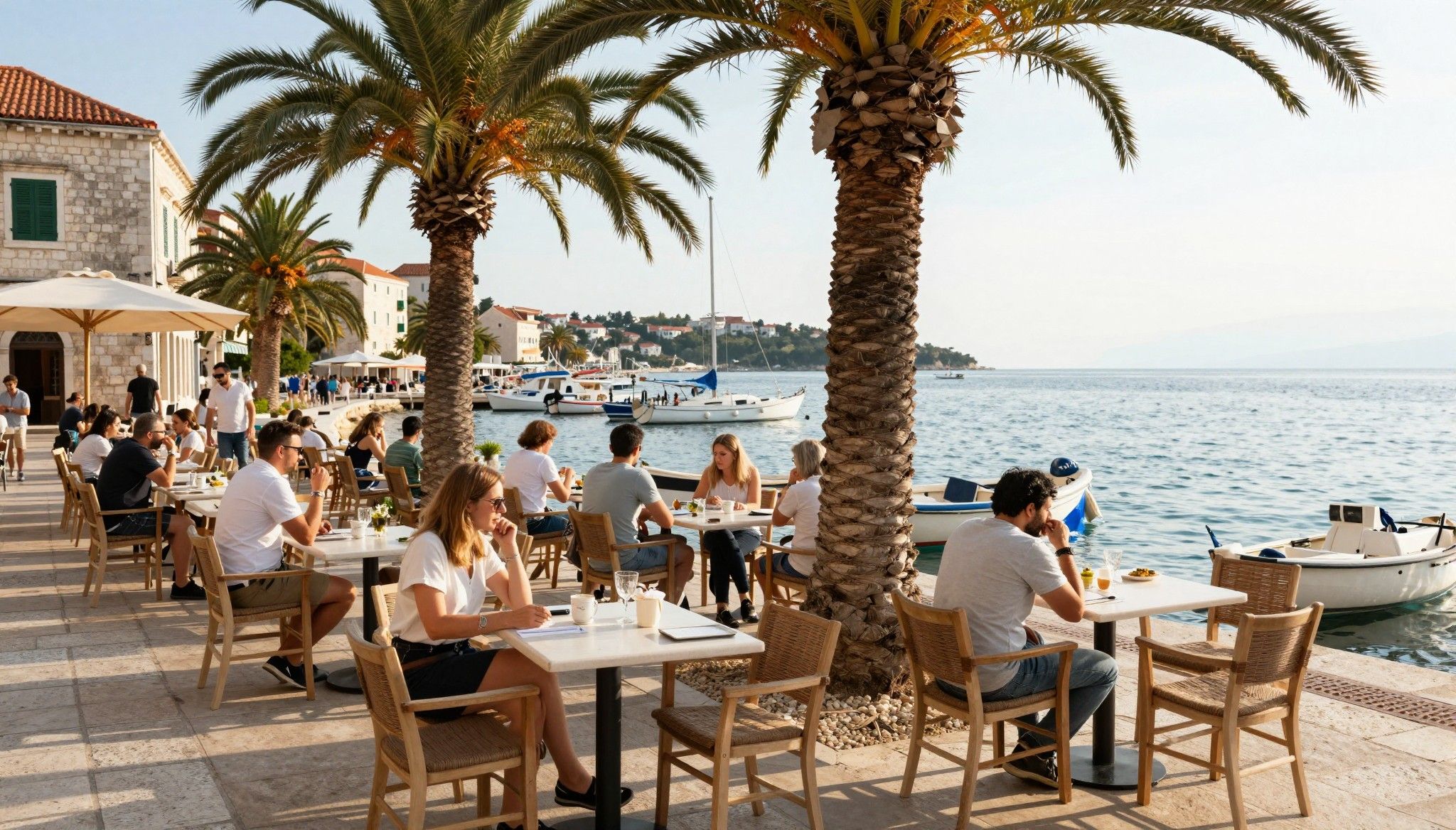
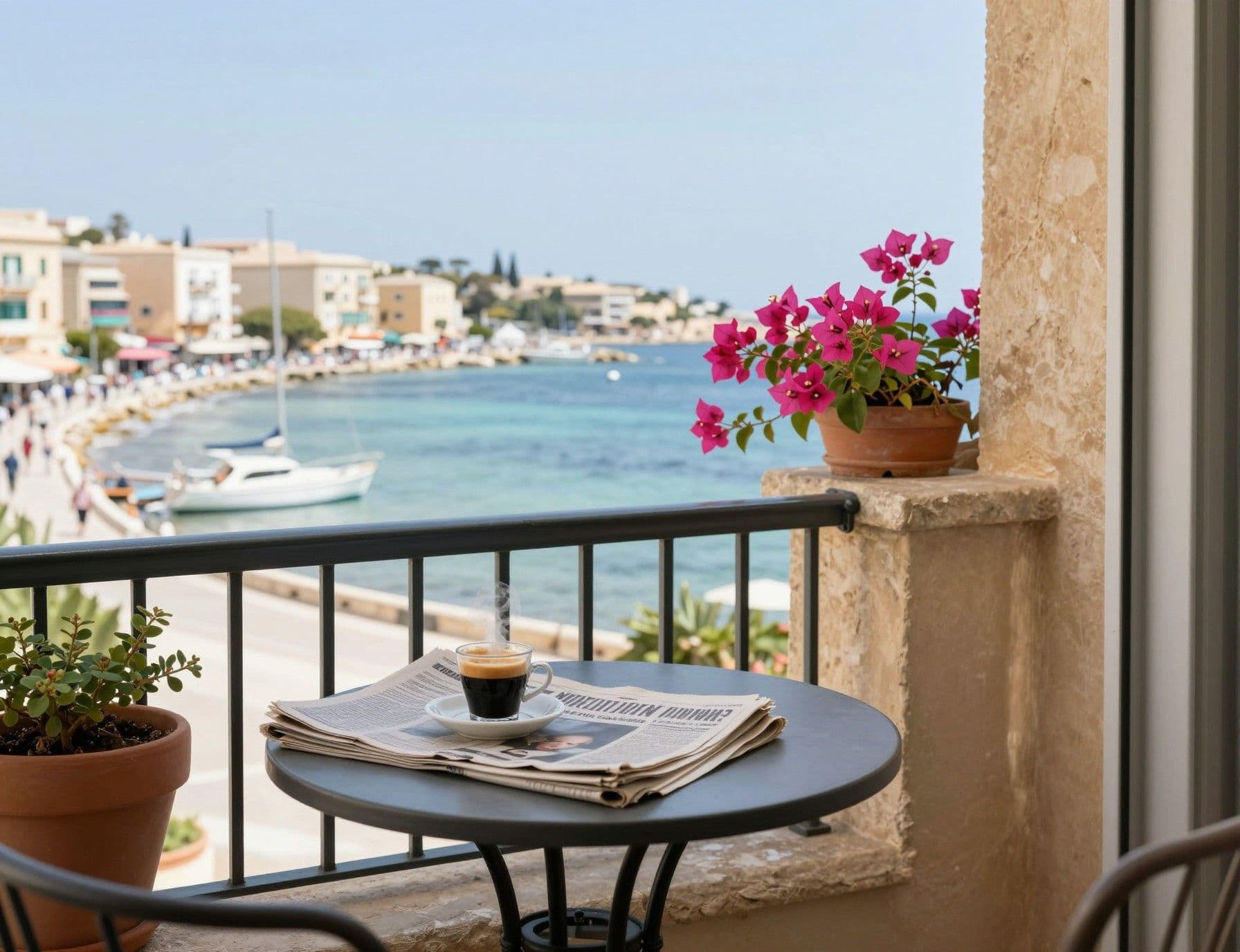
Imagine starting your morning with an espresso on a limestone balcony in Sliema, then cycling past fishermens’ boats and duplex conversions toward a cafe-lined square — Malta feels small, lived-in and intensely local. But for international buyers the island’s romance collides with a practical puzzle: heavy tourist flows and a compact housing stock push headline prices, while true rental returns live in less obvious corners.
Living Malta: compact island rhythms and where life happens
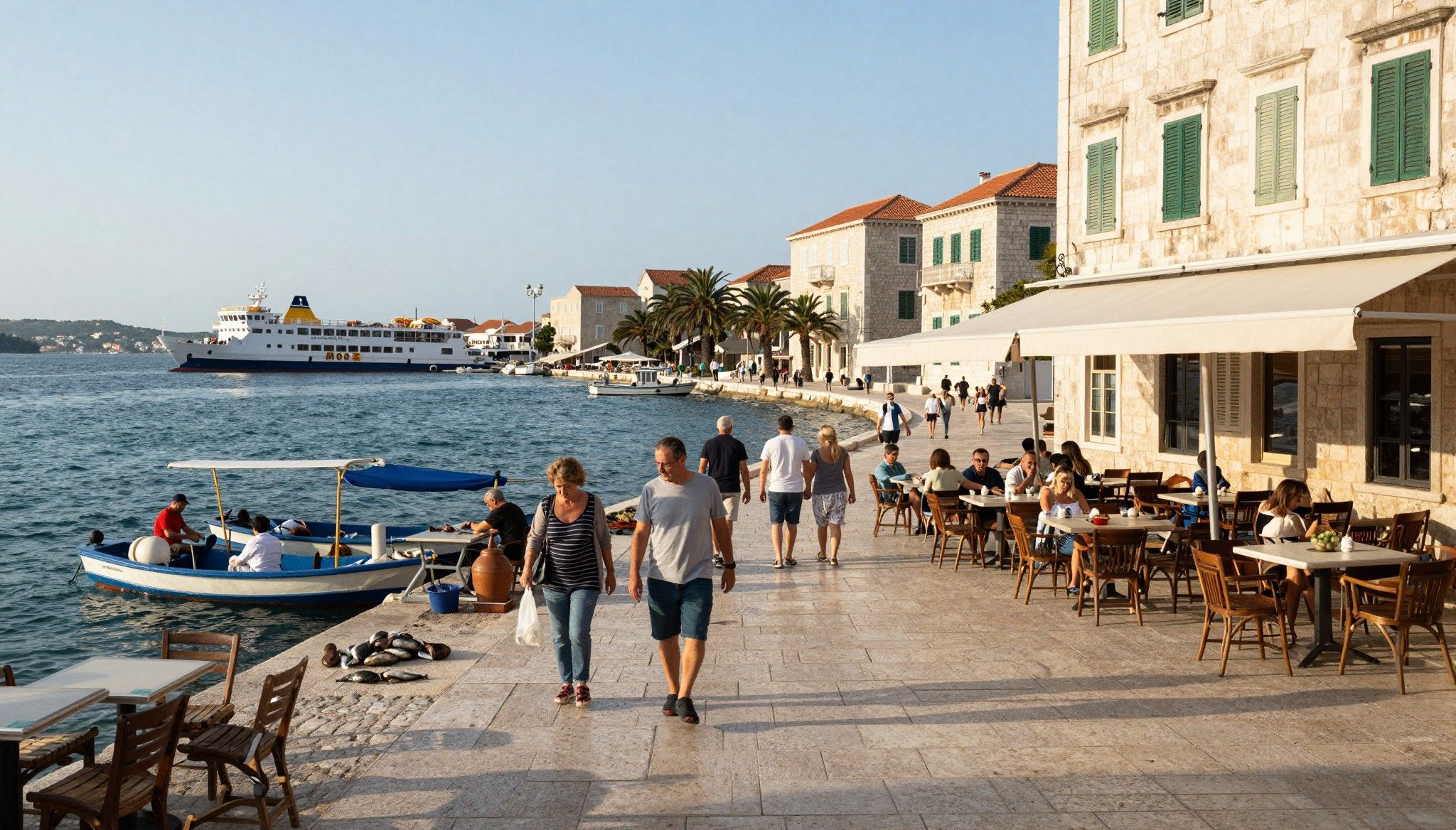
Malta’s daily rhythm is shaped by sunlight, sea breezes and dense settlement: Valletta’s narrow streets hum with government, cafés and museums; Sliema and St Julian’s pulse with seaside promenades and nightlife; and quieter towns like Mellieħa and Gozo offer slower, family‑centred weeks. For buyers this density means walkable demand — an asset for rental strategies — but also concentrated pricing pressure where lifestyle equals tourist appeal.
Neighbourhood spotlight: Sliema, Gzira and St Julian’s
If you picture rental demand on a map, the eastern corridor — Sliema, Gzira and St Julian’s — lights up. These neighbourhoods couple short‑walk commutes to offices, international schools and restaurants with strong tourist footfall. That mix boosts nightly booking potential but also makes yields highly sensitive to regulation and seasonal occupancy. Local market reports show rent growth in 2023–24 concentrated along this corridor, with premium per‑sqm prices compared with inland towns.
Food, markets and island rhythms that shape demand
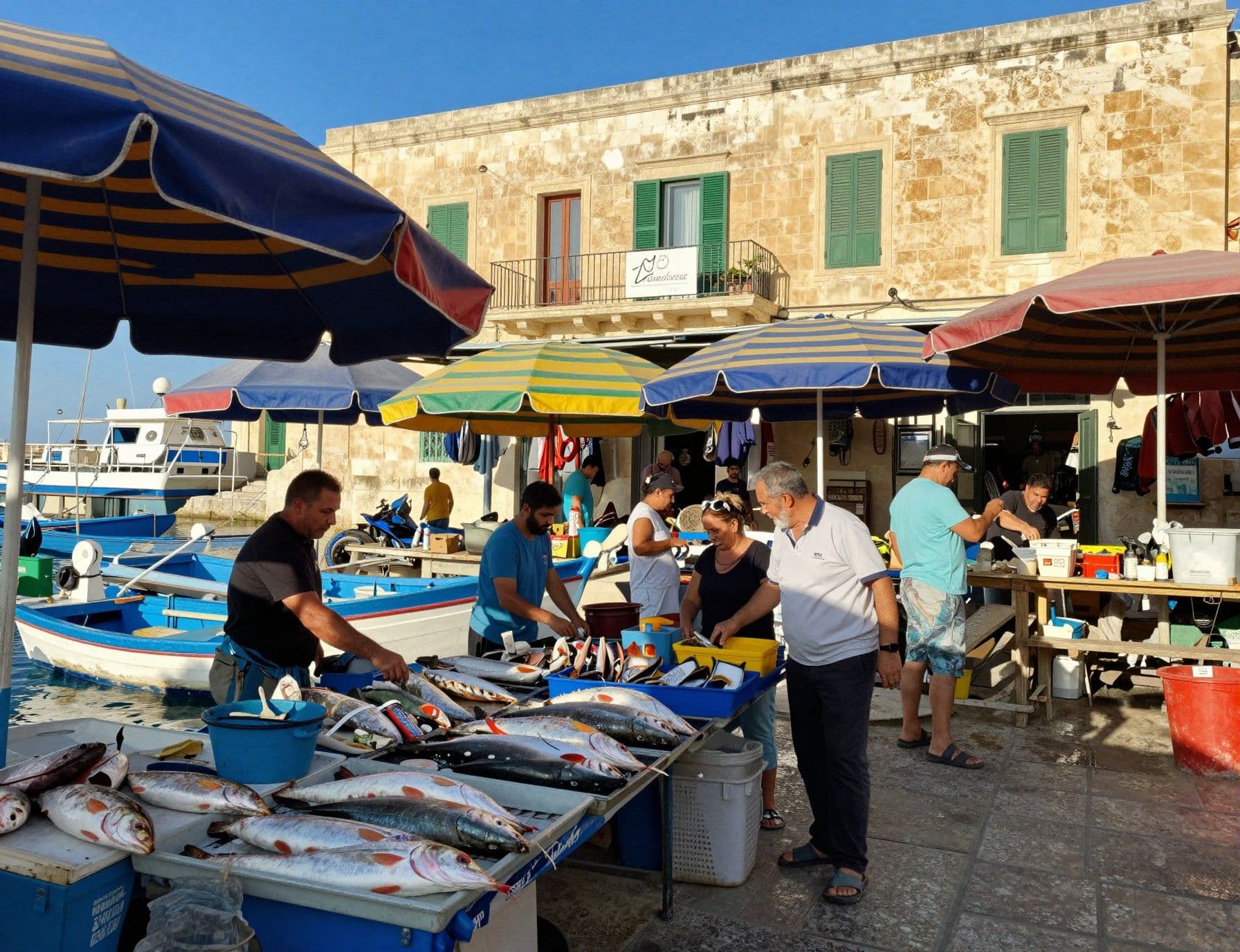
Weekends in Malta pivot around market mornings (Marsaxlokk fish market), late dinners and festival nights. Tourism keeps demand year‑round more than many Mediterranean islands: inbound arrivals climbed sharply in 2024, reinforcing short‑let markets and seasonal service jobs that underpin mid‑term rental demand. For buyers this means tenant pools beyond just holidaymakers: students, remote workers and relocated professionals sustain longer lets outside peak season.
- Lifestyle highlights that affect rental appeal
- Morning espresso and promenade walks (Sliema/Tigné Point)
- Sea‑facing terraces and balustraded balconies popular with long‑stay tenants
- Marsaxlokk and local markets supplying restaurants that attract year‑round staff rentals
- Gozo’s quieter pace for family lets and second‑home seasonal income
Making the move: how lifestyle choices translate to yield
Dreams of sunlight and sea must be matched with unit economics. Gross yields across Malta are below continental Mediterranean peers — recent surveys put national gross yields near 4% — but pockets driven by short‑lets and commuter convenience can outperform. The key is identifying strategy (long‑let vs short‑let), location micro‑market, and operating cost assumptions that convert headline rents into net yield.
Property types and what they deliver: apartments vs townhouses
One‑bed and studio apartments in Sliema and Gzira attract young professionals and short‑term students and typically command higher per‑sqm rents but tighter yields after management and platform fees. Townhouses and converted maisonettes inland or in older villages rent well to families and professionals seeking stability — lower headline rent per night but steadier occupancy and lower turnover costs.
Working with local experts who marry lifestyle to numbers
Local agents, licensed property managers and tax advisors matter more in Malta’s small market than in large countries. Good partners source off‑market flats in less obvious streets of Ħamrun or Swieqi, model net yields after platform fees and local tax, and test seasons against historical occupancy. They also track licensing for holiday lets: compliance limits can flip a short‑let case overnight.
- Estimate net yield: a practical 6‑step checklist
- 1. Start with gross annual rent (market comparables by neighbourhood).
- 2. Subtract realistic vacancy (5–20% depending on strategy).
- 3. Deduct operating costs: management, cleaning, platform fees and maintenance.
- 4. Add one‑off costs: licence compliance, renovations, furniture depreciation.
- 5. Model tax and withholding differences for non‑resident landlords.
- 6. Divide net annual cash return by acquisition cost (including transfer taxes) for net yield.
Insider knowledge: what expats wish they'd known
Expats often underestimate two realities: first, Malta’s tourism intensity means location can shift your tenant mix dramatically; second, the island’s small size makes micro‑locations decisive. An apartment two streets back from the promenade can halve platform occupancy while preserving local lifestyle — perfect for a blended long‑let strategy.
Cultural integration, language and day‑to‑day life
English is an official language and widely used in business and property transactions, lowering friction for international buyers. Social life orbits clubs, parish festas and neighbourhood bars; participating locally speeds tenant referrals and helps owners source reliable tradespeople for maintenance — a pragmatic advantage for landlords managing remotely.
Long‑term lifestyle and market sustainability
Over a decade Malta delivered price appreciation but compressing yields. With national gross yields reported around 3.9–4.1% in recent quarters, long‑term investors should expect modest income returns and rely on capital growth or value‑add renovations to meet return targets. Diversify across micro‑markets — combine stable long‑lets in inland towns with targeted short‑let assets on the eastern corridor.
- Red flags and pragmatic checks before you buy
- Unlicensed short‑let listings — confirm holiday‑let licence and local council rules.
- Drainage, party wall and common area maintenance costs in older limestone buildings.
- Overpaying for ‘seafront’ premium when a quieter street back yields better net cashflow.
Authorities are tightening short‑let compliance. That means some high‑occupancy listings may be de‑listed or face fines — a tail risk for yield projections built on unmanaged platform supply. Verify licences, ask agents for compliance proof and include regulatory scenarios in sensitivity checks.
Quick due‑diligence steps (3 priorities)
- 1. Request three years of comparable occupancy/rental data for the exact street or building.
- 2. Confirm holiday‑let licence (if applicable) and check recent council enforcement actions.
- 3. Ask for a line‑item operating budget used to calculate net yield, not just headline rent.
Conclusion: fall in love with the island, buy with the spreadsheet. Malta offers a rare blend: compact scale, strong tourism, and English‑language ease that make it emotionally irresistible. Financially disciplined buyers will focus on micro‑locations, regulatory certainty and net yield modelling — then use a local licensed agent and manager to convert lifestyle appeal into resilient cash returns.
Dutch investment strategist who built a practice assisting 200+ Dutch clients find Spanish assets, with emphasis on cap rates and due diligence.