Croatia’s Coastal Premium: How Seasonality Reprices Yield
Coastal charm and seasonal demand reshape Croatia’s returns. Match neighbourhood rhythm to rental strategy and stress‑test 36‑month occupancy to protect yield.
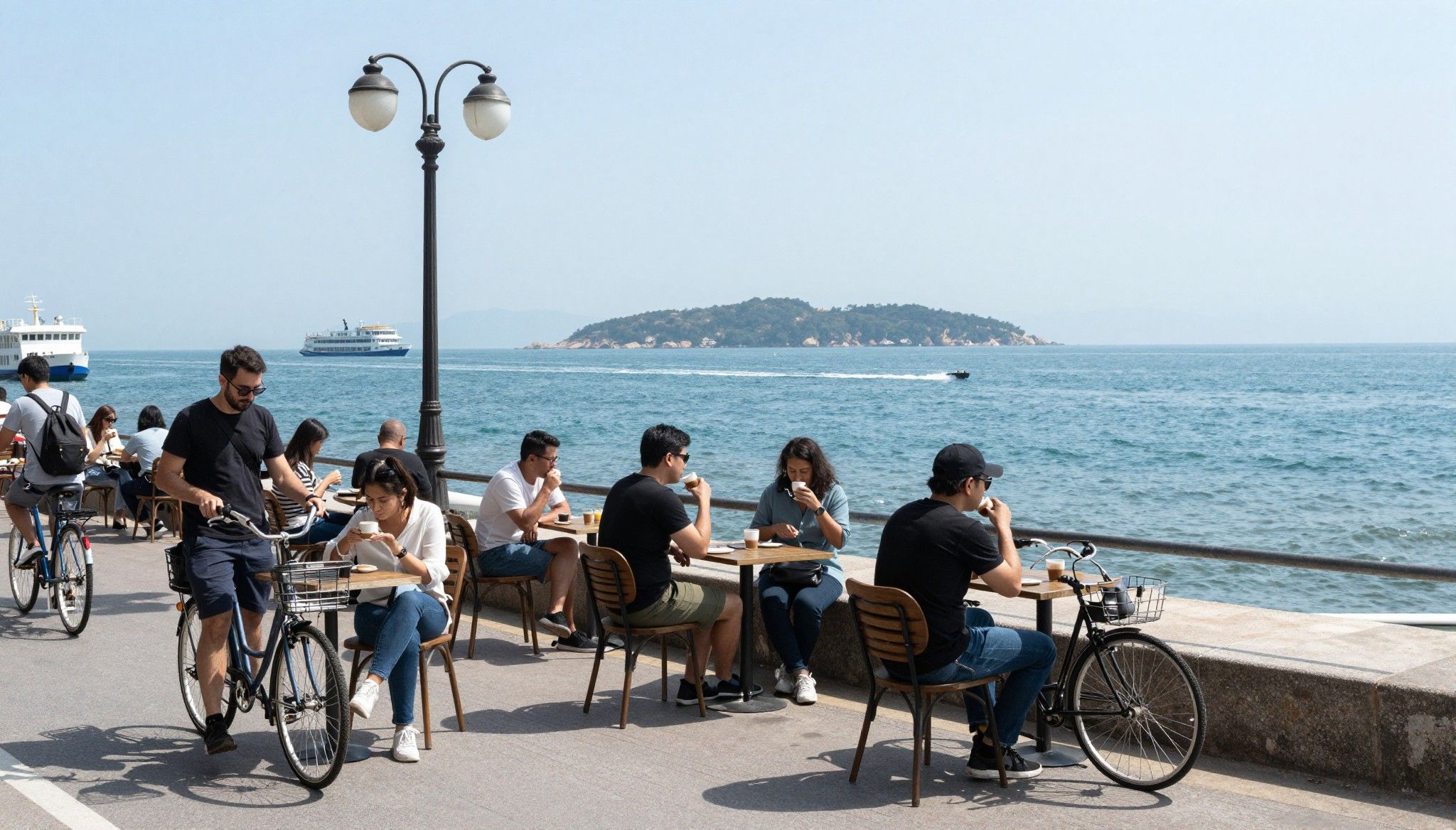
Imagine sipping espresso on Split’s Riva at 8 a.m., then stepping into a quiet stone lane where a neighbour’s laundry flaps in the breeze — that contrast captures Croatia: intense coastal life by day, calm local rhythms by evening. For international buyers the question is practical and emotional at once: which Croatia gives you the life you want and the numbers you need?
Living the Croatia lifestyle
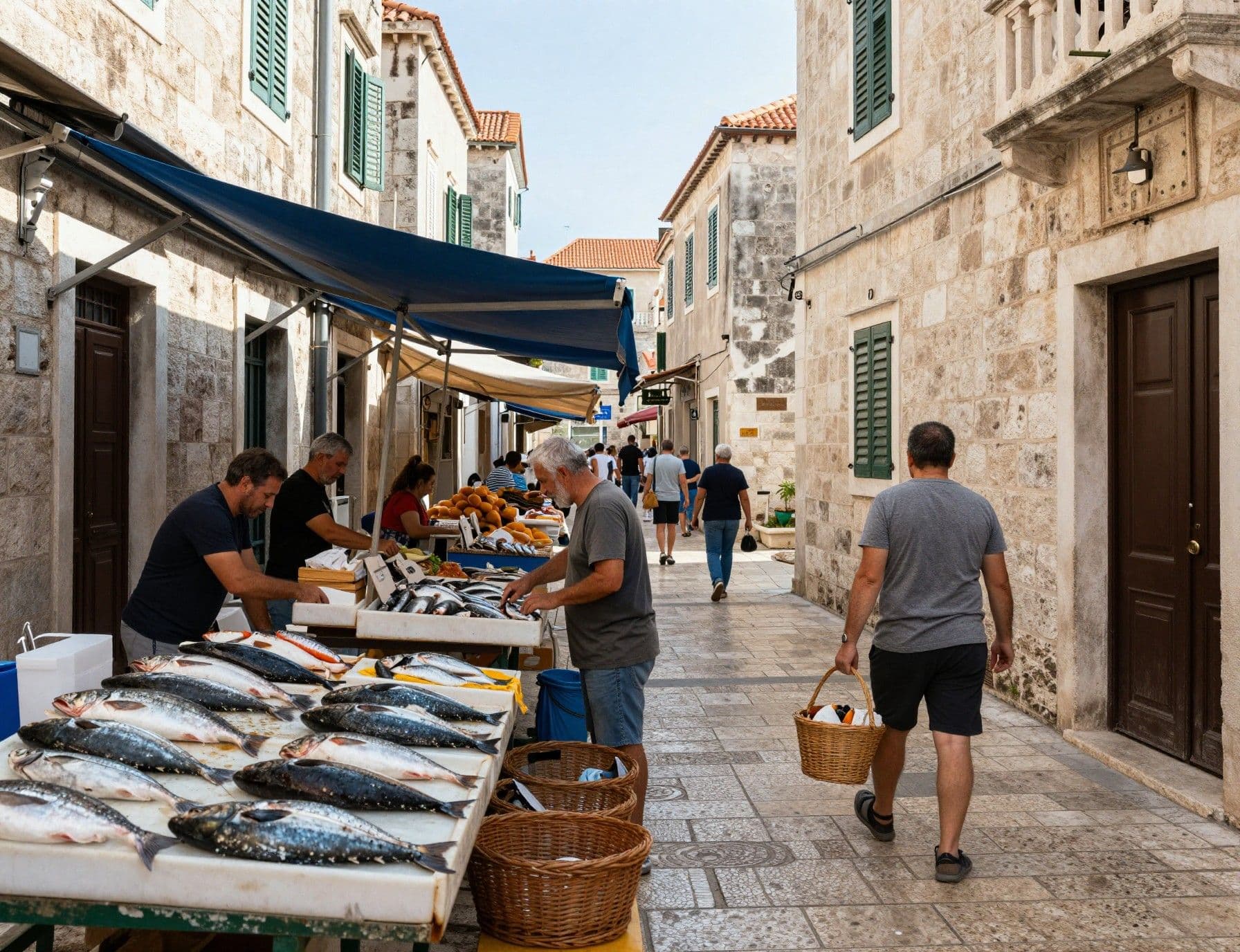
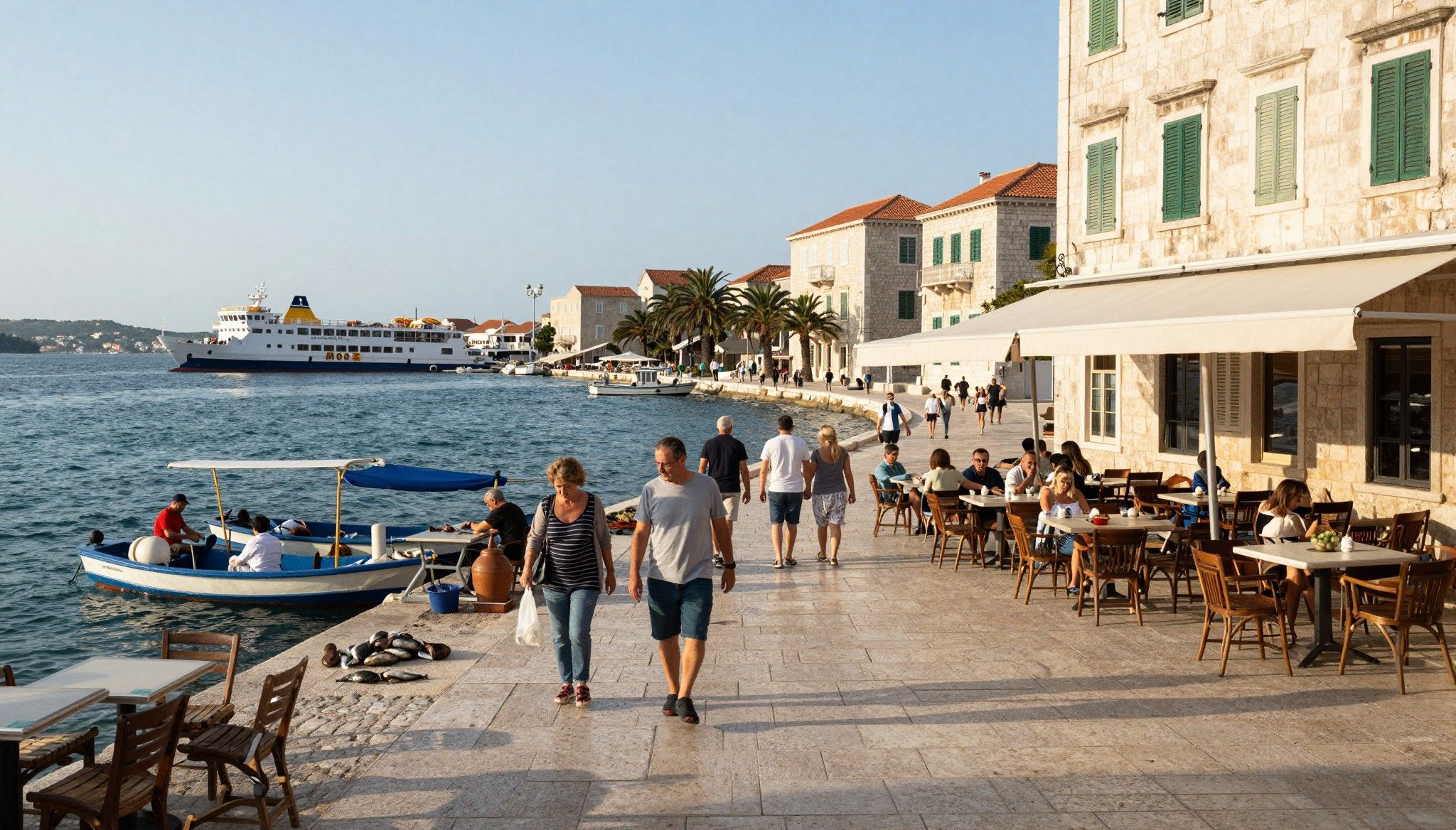
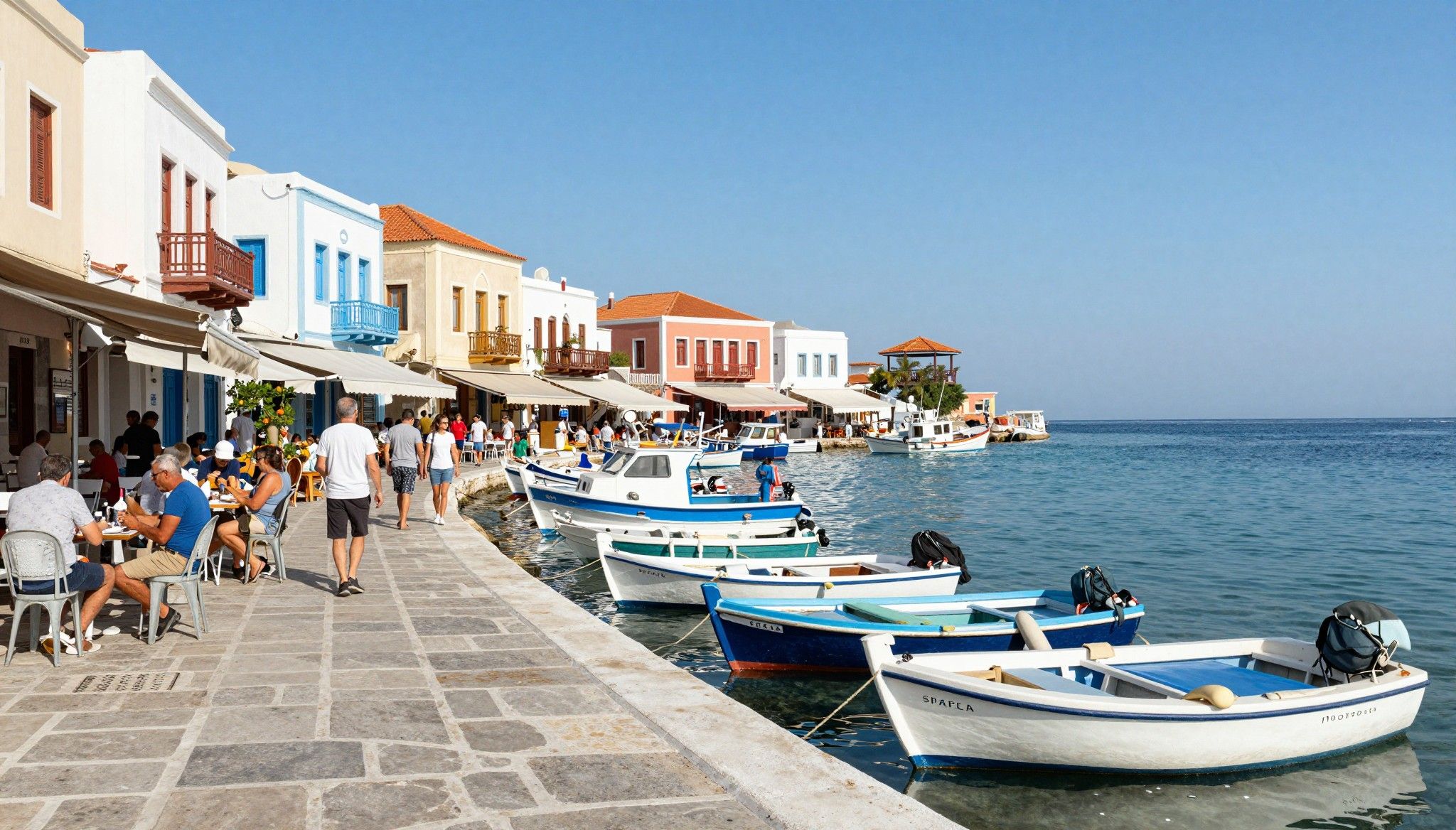
Croatia feels tactile: limestone streets, markets with freshly caught fish, espresso served standing, and late-summer festivals that fill piazzas. Coastal towns — Split, Dubrovnik, Rovinj — pulse with seasonal tourism while Zagreb and Rijeka offer year-round urban rhythms. Seasonal extremes matter: July–August is crowded and rents spike; November–March is calm and reveals neighbourhood character.
Spotlight: Split’s Old Town vs. Bene
Walk down Marmontova to the harbour and you feel how history sells the view. Old Town apartments near Diocletian’s Palace command tourist demand but come with seasonal vacancy risks. Bene, a 20–30 minute drive inland from Split, offers quieter streets, larger plots and steadier long-term rental demand from locals and digital-nomad seasonals.
Food, markets and slow weekends
From Dolac market mornings in Zagreb to pebble‑beach barbecues on the Dalmatian islands, food structures daily life. If you want an authentic rhythm, target neighbourhoods with weekly markets and long-running family konobas — they indicate community resilience and year-round activity that supports long-term rentals.
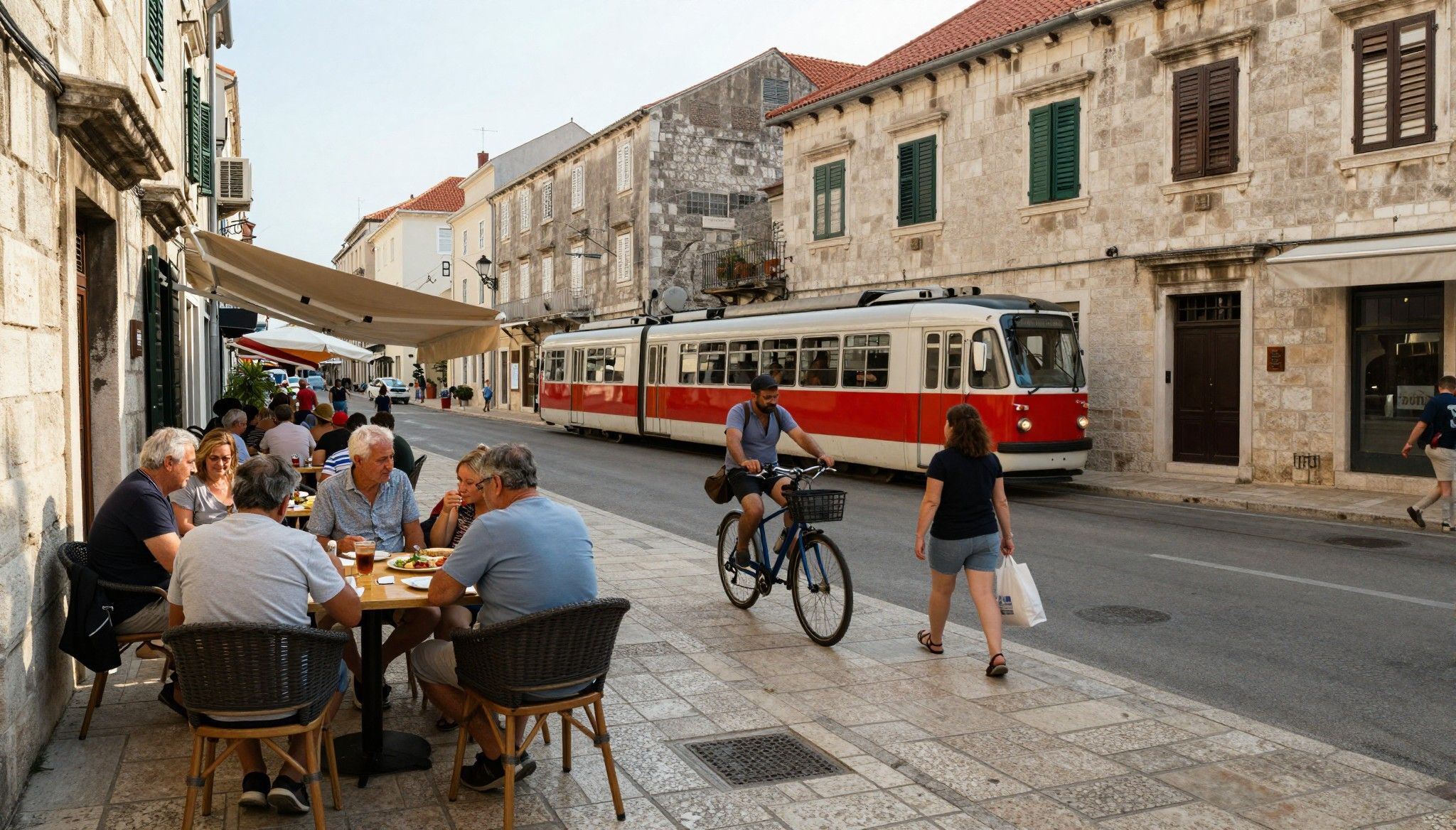
- Lifestyle highlights: Split Riva strolls; Dolac market breakfasts; Rovinj’s arts evenings; Hvar early-season calm; Tramvaj cafés in Zagreb; local konoba fish lunches.
Making the move: practical considerations
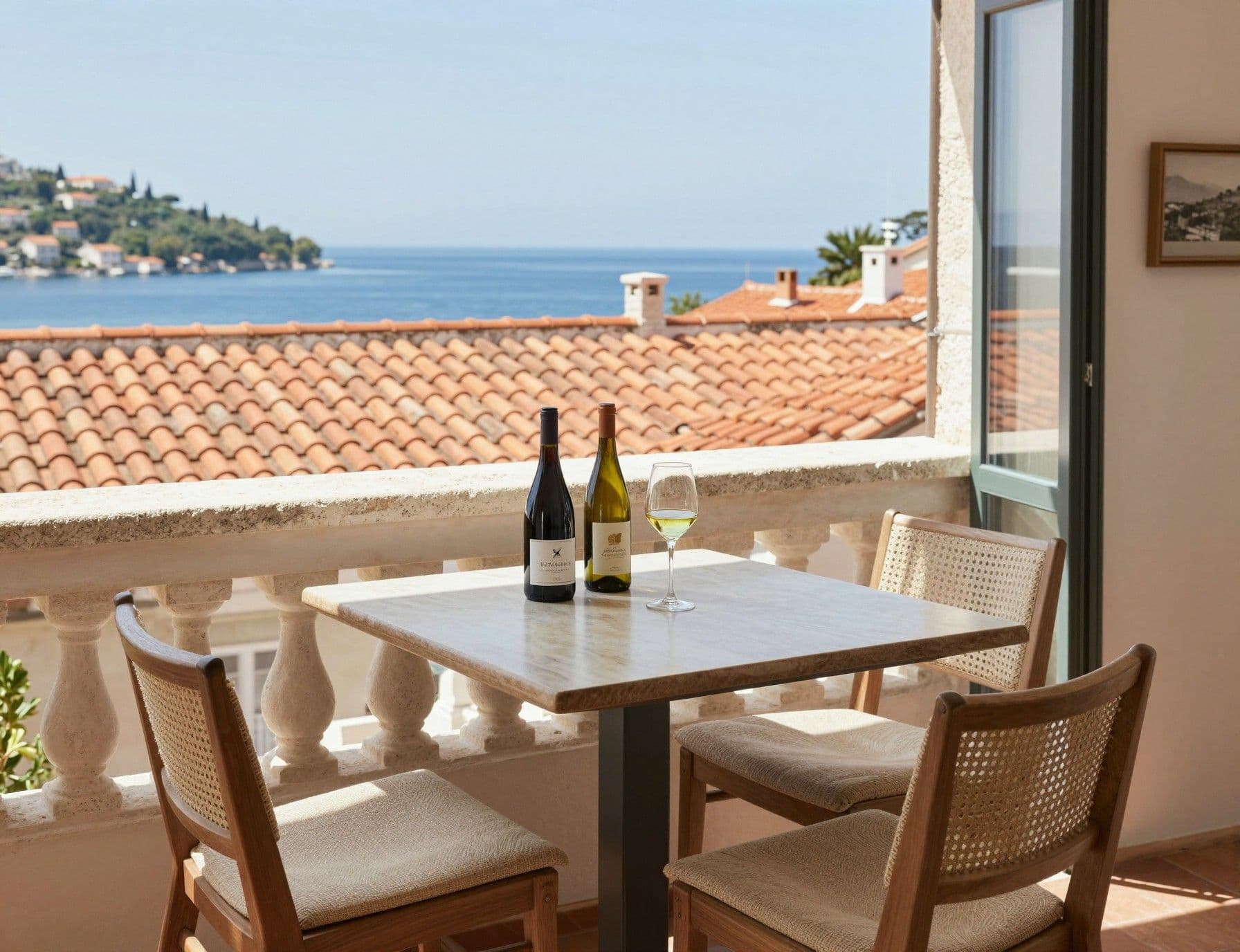
Lifestyle sells the dream; data sells the decision. Croatian asking prices and tourist flows have pushed coastal values higher — Njuškalo and market analyses show strong price growth in Split and Istria — but yields compress where short‑let demand is purely seasonal. Match lifestyle preference to market metrics before committing.
Property styles and what they mean for living
Stone town flats suit lifestyle buyers who prize walkability and views but often need renovation and have small floorplates. Modern blocks in Zagreb or Rijeka offer larger units, easier management and steadier long-term rental yields. Villas on Istrian or Dalmatian hills provide rental premium in summer but carry higher maintenance and insurance costs.
Working with local experts who know the rhythm
Agencies grounded in local rental seasonality, municipal rules and island logistics save time and money. Expect them to provide short‑let occupancy curves, historical monthly rates, and neighbourhood‑level price per m² comparables. Ask for utility-history and maintenance-cost estimates — these materially affect net yield.
- Step-by-step buyer checklist blending lifestyle and returns: 1) Define target rhythm (year‑round vs. summer peak). 2) Request 36‑month monthly occupancy and ADR data. 3) Compare price/m² to three similar neighbourhoods. 4) Estimate net yield after management and seasonal vacancy. 5) Run 10‑year cashflow scenarios including maintenance uplift.
Insider knowledge: what expats wish they'd known
Expats often underweight seasonality and overpay for sea views. National averages mask regional gaps: coastal asking prices can be double inland levels while average rental yields remain modest (often 3–5%). Reliable net yield depends on location, property type and whether you target long‑lets, corporate rentals or short‑lets to tourists.
Cultural integration, daily life and language
Croatians value personal relationships in transactions and neighbourhood life. Learning basic Croatian opens doors to local networks and trustworthy caretaking arrangements. For investors who plan long‑term tenancy, local tenancy customs and municipal practices (like seasonal street cleaning or summer water restrictions) affect operating costs and tenant satisfaction.
Long-term lifestyle and market outlook
Tourism growth and Croatia’s EU membership underpin demand, but buyers should expect periodic policy shifts around short‑let regulation and infrastructure projects that reprice neighbourhoods. Use scenario planning: a conservative case with slow capital growth and steady rents; an optimistic case with improved connectivity and higher year‑round demand.
- Red flags and opportunity signals: watch for: unregistered short‑let history; unclear ownership shares; coastal properties with high seasonal access costs; signs of municipal tourism caps. Opportunity signals: new ferry or road links, municipal regeneration, and growing year‑round services (schools, healthcare, coworking).
If Croatia is the life you want, choose the data that makes that life pay: match neighbourhood rhythm to your rental strategy, demand rigor from agents, and stress‑test cashflows for seasonality. Start with a focused market brief from a locally experienced agency and a 36‑month occupancy dataset — then fall for the stone streets with your eyes open.
Dutch investment strategist who built a practice assisting 200+ Dutch clients find Spanish assets, with emphasis on cap rates and due diligence.