Cyprus: Where Lifestyle Pockets Drive Real Returns
Cyprus sells sun and community — but yields depend on neighbourhood economics. Match product to place and demand, and use micro‑data to turn lifestyle into predictable returns.
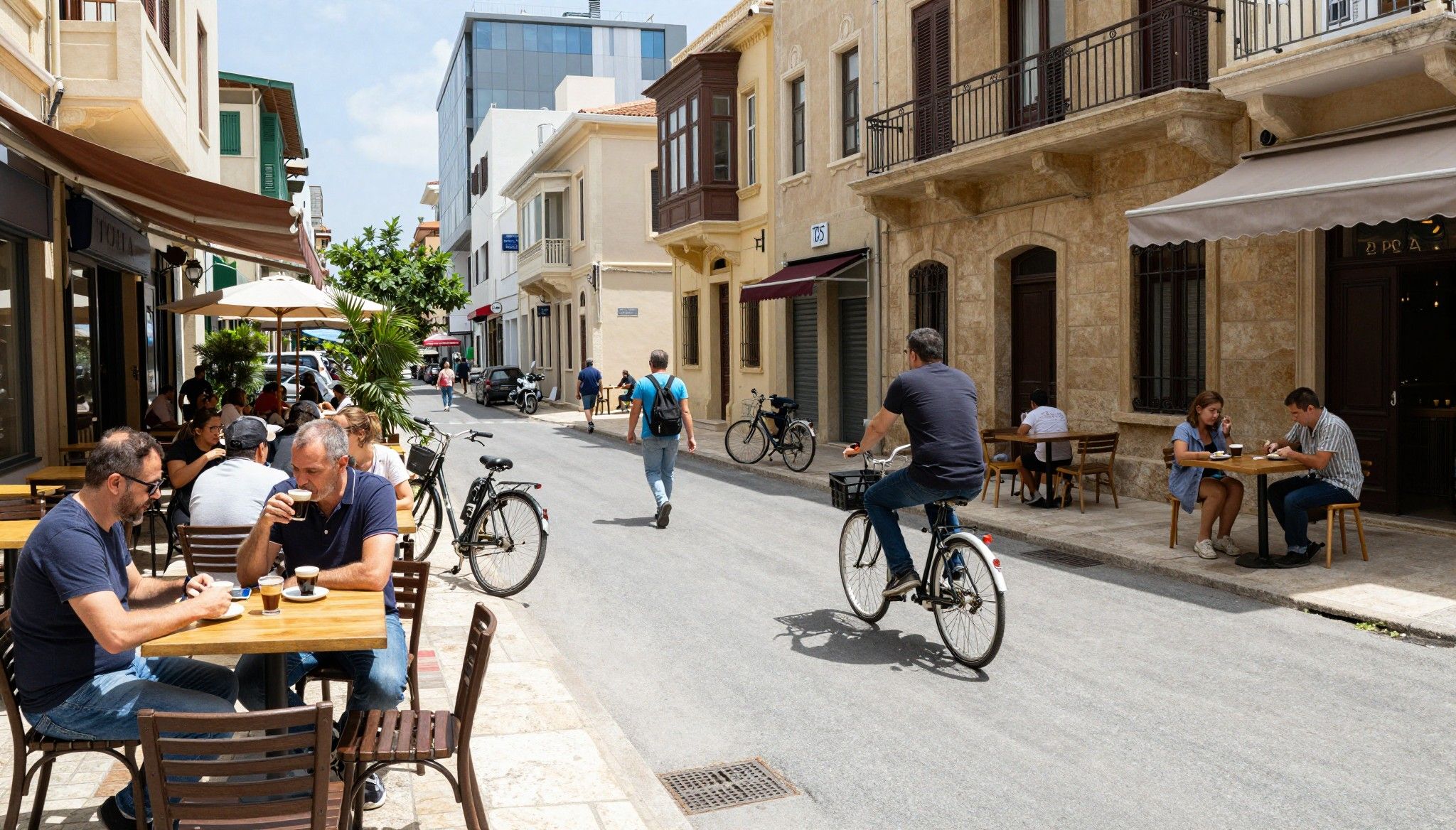
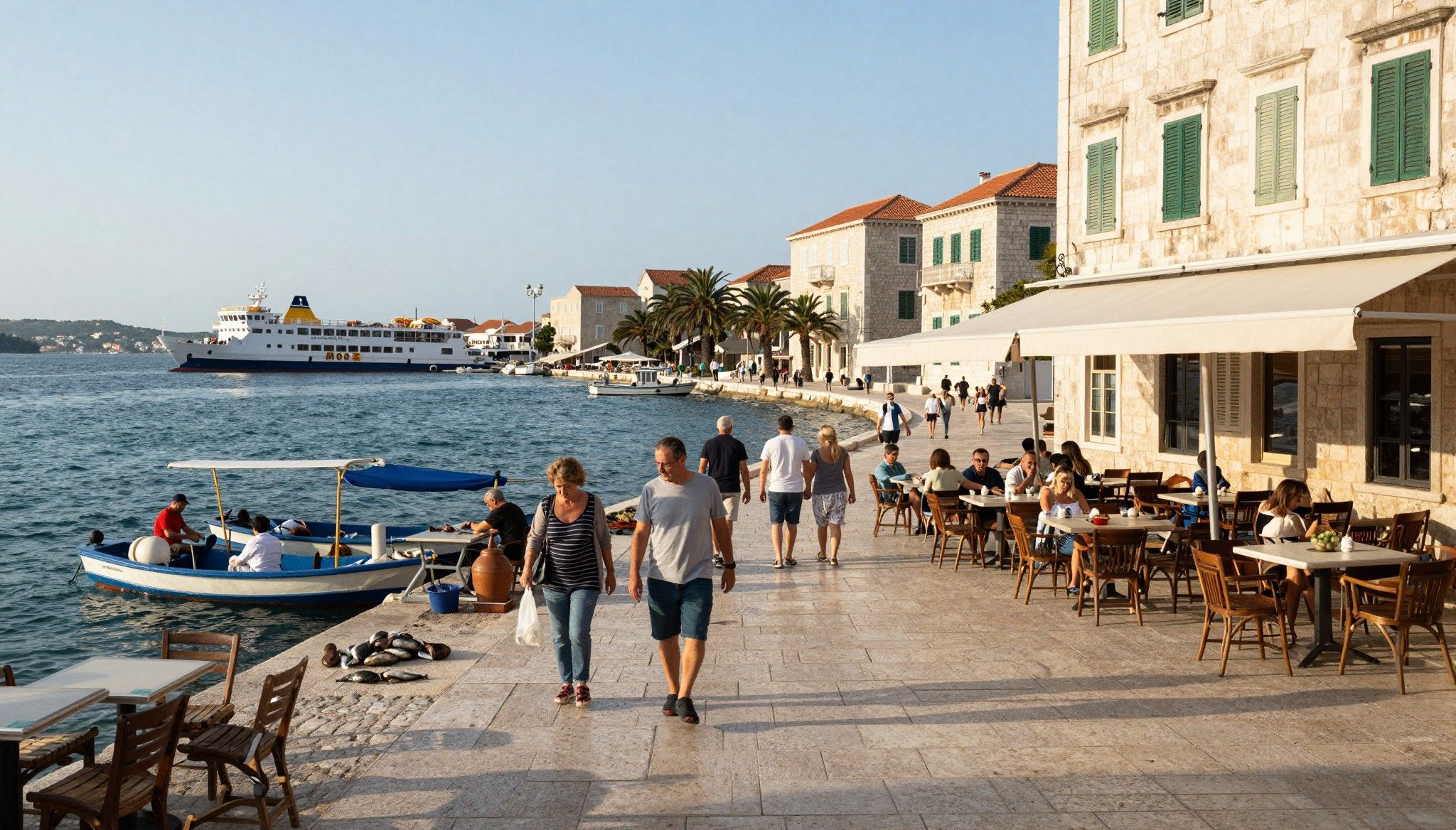
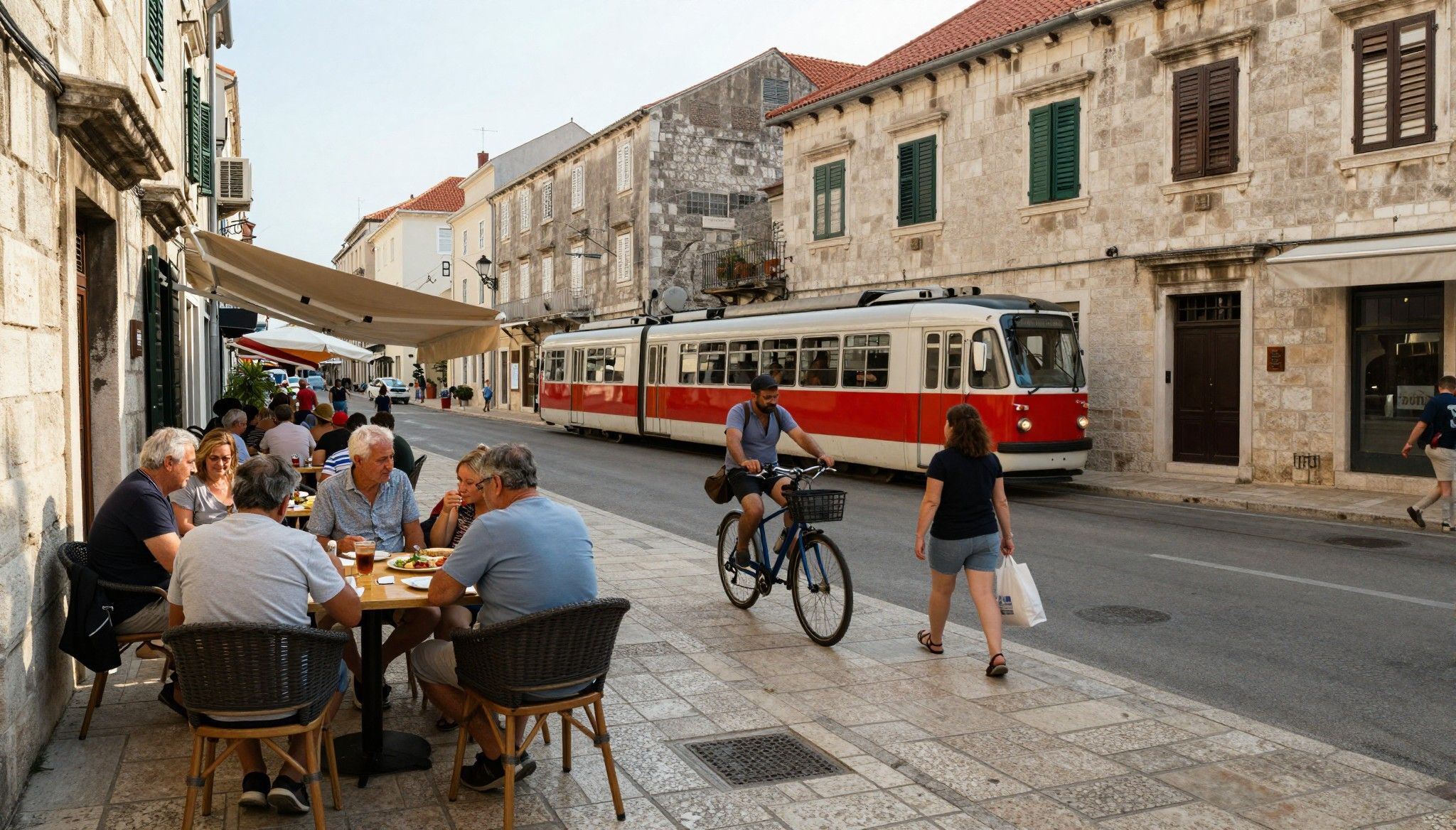
Imagine stepping out for an espresso on Nicosia’s Makariou Avenue at 8am, the smell of warm halloumi from a nearby shop mixing with diesel from a passing bus. Picture weekend swims at Fig Tree Bay, then a late-morning market in Limassol where vendors argue playfully over citrus. Cyprus feels small, sunlit and lived-in — and that everyday life is what underpins the island’s property performance. Recent Central Bank data show steady residential price growth that investors should map to lifestyle pockets, not postcards.
Living Cyprus: rhythms, neighbourhoods, and why life matters to returns
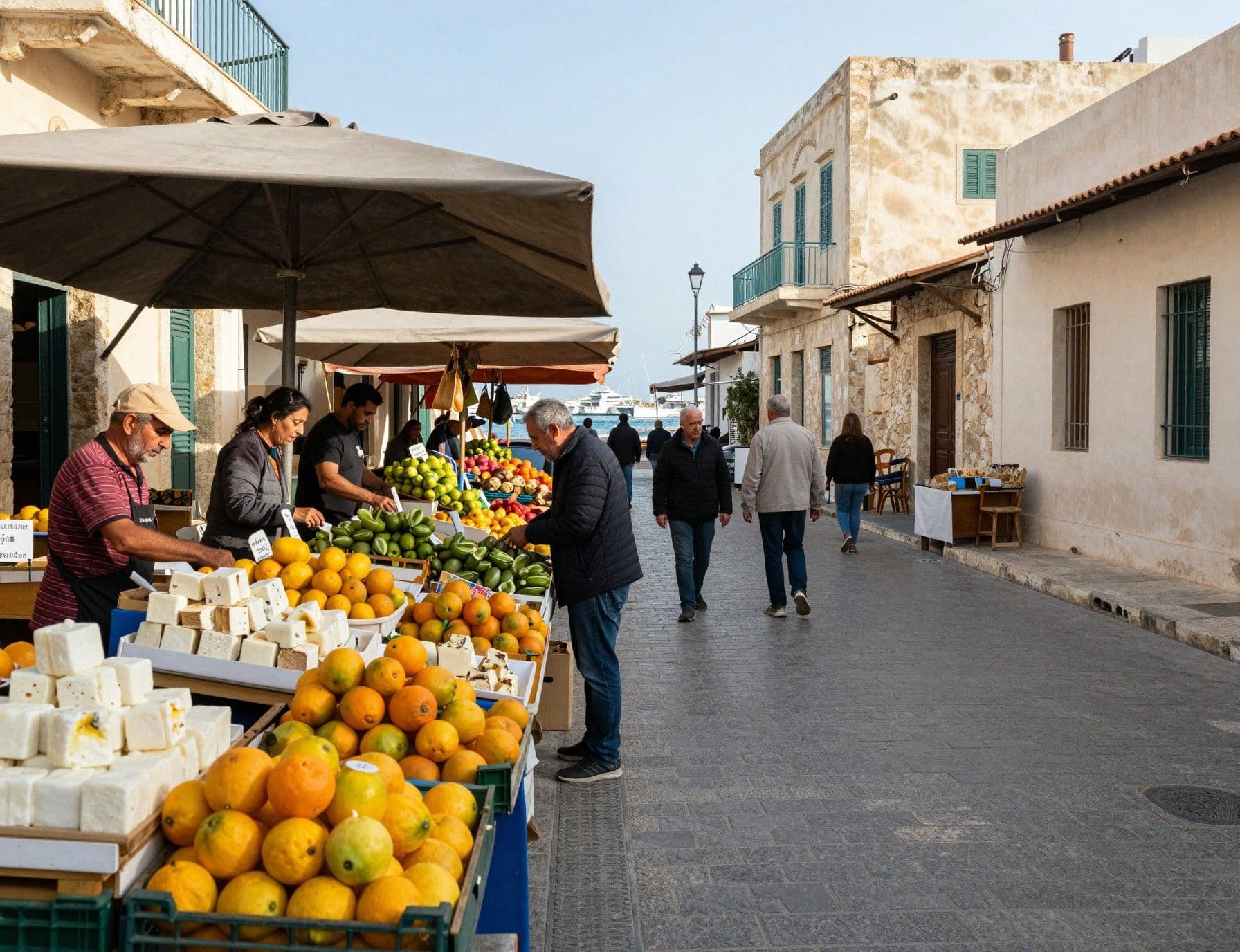
Cyprus is a mosaic of small neighbourhood economies. Limassol hums with finance, short-term tourism and new build demand; Paphos trades on family tourism and retiree appeal; Nicosia is the administrative and rental-demand engine. These micro-economies create distinct rental profiles — EY’s market work shows rent inflation in urban centres that often outpaces headline price growth, a useful signal for yield-focused buyers.
Limassol & the coastal premium
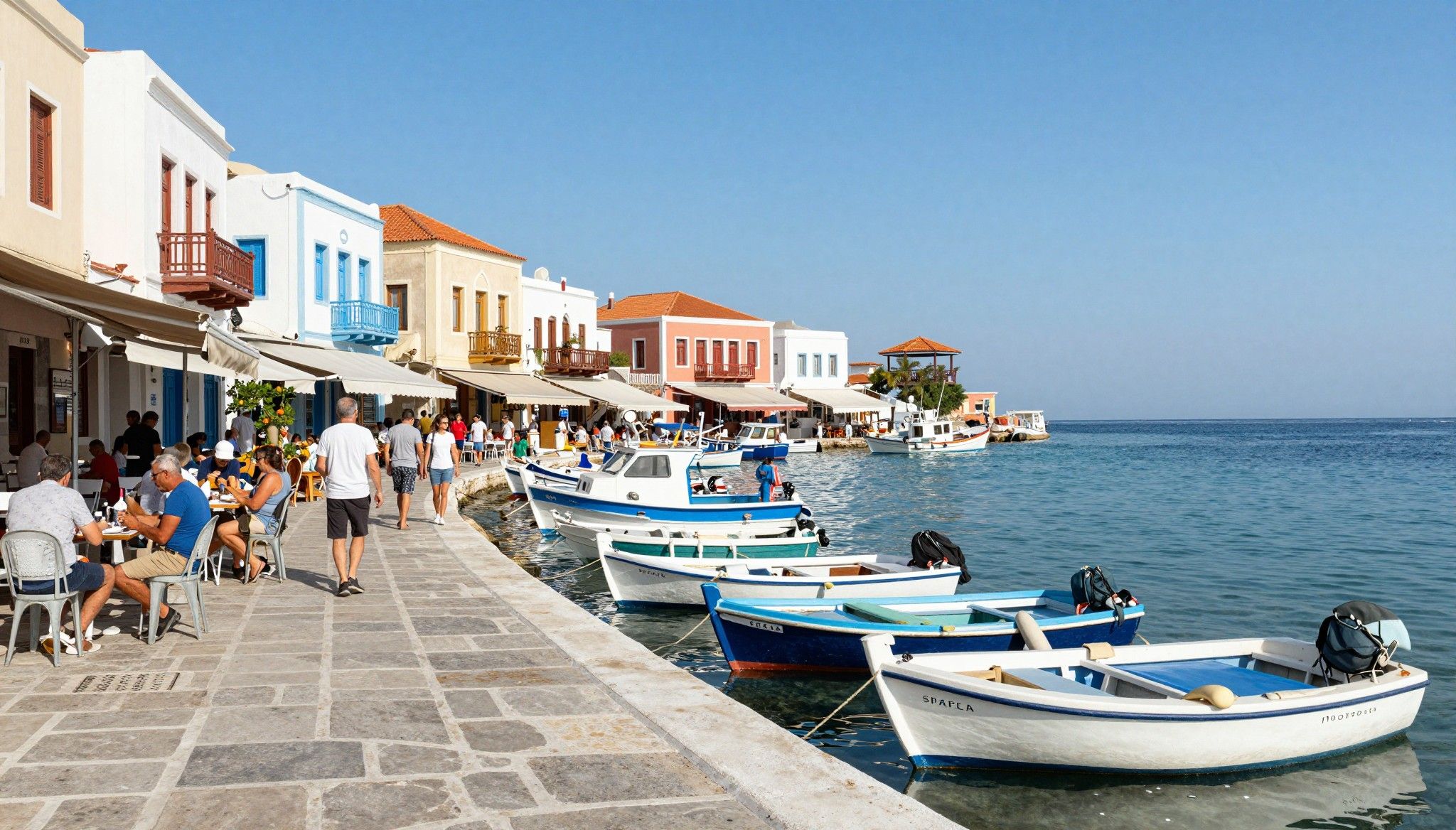
Limassol looks like a classic coastal growth story: marina development, multinational offices and strong short-let demand. Tourism mix (UK, Israel, Poland) and growing business travel raise season‑adjusted occupancy. For lifestyle buyers that means terraces, sea views and higher purchase prices — for investors it means stronger short-term rental income but also sharper seasonality and higher management overheads.
Nicosia, Paphos and income diversification
Nicosia delivers steady long‑let demand from government, education and professionals; yields there trend a touch higher than coastal luxury because purchase prices are lower. Paphos offers a hybrid: retiree buyers and family tourism produce stable annual rents with occasional holiday spikes. Gross yields across the island average around 4–5% — but location-adjusted yields can vary meaningfully between Nicosia (higher) and prime Limassol (lower).
- Lifestyle highlights that influence where rental income comes from: - Limassol Marina and Germasogeia strip — high short‑let demand; international tenants - Old Town Nicosia (Ledra/Lokmaci) — steady long‑letting, proximity to services - Paphos Coral Bay area — family tourism and seasonal reliability - Agia Napa/Fig Tree Bay — strong summer rental premiums but very seasonal - Mountain villages (Troodos foothills) — second‑home market, slower liquidity
Making the move: property types, agency skills and economic drivers

Dreams meet balance sheets when you convert lifestyle preference into an investment case. The Central Bank’s RPPI shows modest house price growth in Q1 2025 — this isn’t a fever market, it’s selective. That means property type matters: new-build seafront condos have different drivers than 1970s townhouses in Nicosia. Work with agencies that map local demand curves to specific product types.
Which property types match which lifestyle and yield profile
New seafront apartments: attractive to holiday letting and expats; higher entry price, lower gross yield. Suburban family houses: steadier long‑let income, slower capital growth but lower vacancy. Restored village homes: lifestyle appeal for owners, thin rental markets. Match your exit strategy — capital gains, recurring rental income, or mixed-use — to the micromarket you pick.
Work with specialists who translate lifestyle into numbers
- Ask your local agent for a written micro‑market brief that includes: 1) measured rent comparables for the last 12 months; 2) typical operating costs (management, utilities, municipal fees); 3) realistic vacancy assumptions by season; 4) cap‑rate range based on recent sales. Blending those four items converts a romantic brief into a repeatable investment model.
Conclusion: Cyprus is a lifestyle proposition that must be measured. The island offers durable demand drivers — tourism, expatriate communities and an improving macro backdrop — but returns hinge on matching product to place and lining up realistic operating assumptions. Start with a neighbourhood visit, request agent-supplied micro-data, and build a 5‑year cashflow scenario before offers. That’s how the romance becomes a repeatable investment.
Danish relocation specialist who moved to Cyprus in 2018, helping Nordic clients diversify with rental yields and residency considerations.