Why Cyprus’ Off‑Season Can Boost Rental Yields
Cyprus’ strong tourism masks an investment truth: buyers who prioritise off‑peak, year‑round demand—not just summer heat—can capture steadier rental yields and lower vacancy.
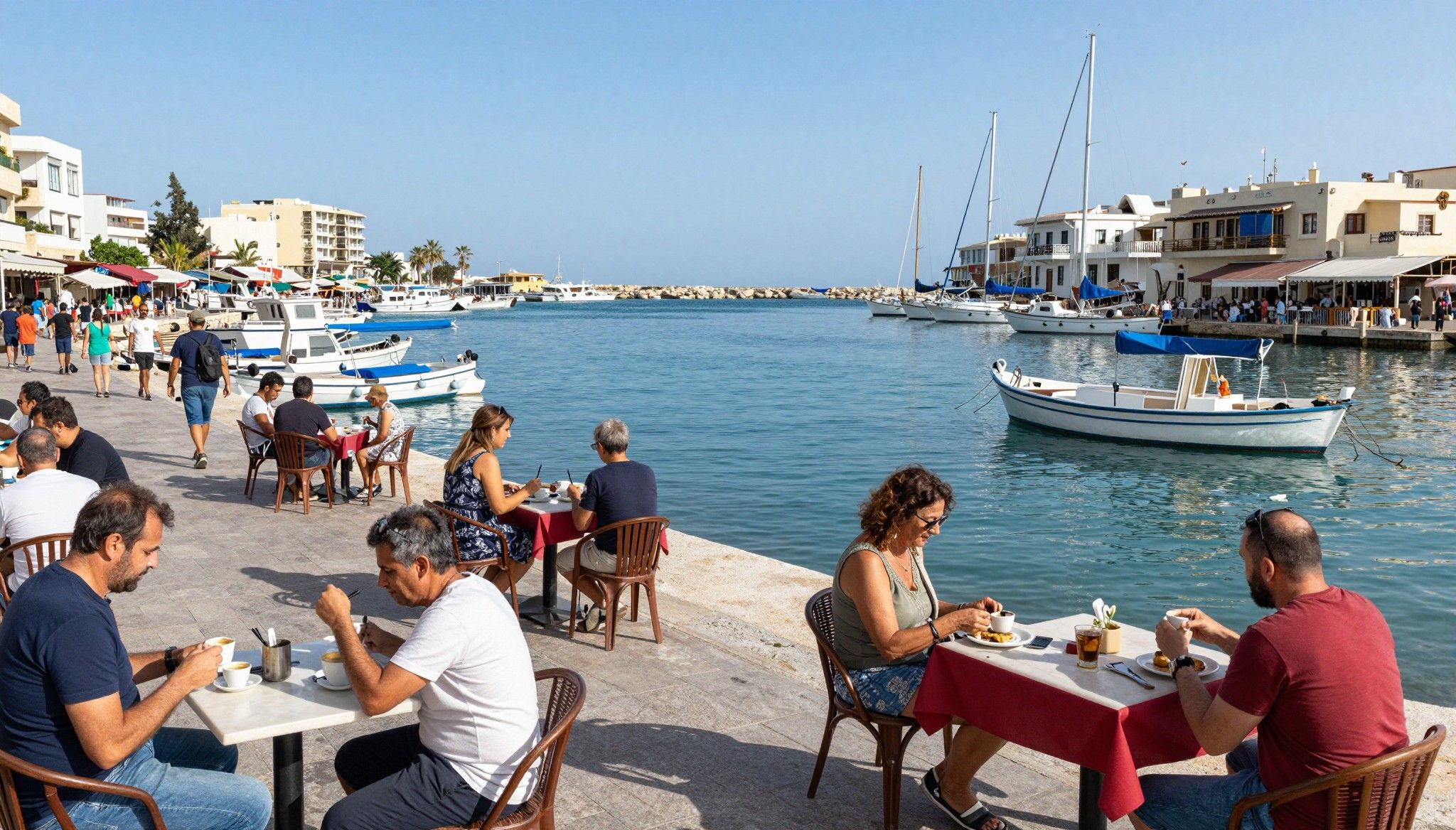
Imagine stepping out for espresso on a Tuesday morning in Kato Paphos, the harbour glinting and the fish market filling the air with sea and lemon. That everyday scene—sunlit promenades, neighbourhood cafés, short ferry-friendly flights to the UK and Israel—frames why buyers romanticise Cyprus. But the practical question remains: how do those rhythms map to returns? Recent tourism and property data reveal a counterintuitive truth: buying for off‑peak life patterns, not only high summer demand, can materially improve net yields. See tourism patterns and government data for context.
Living the Cyprus lifestyle
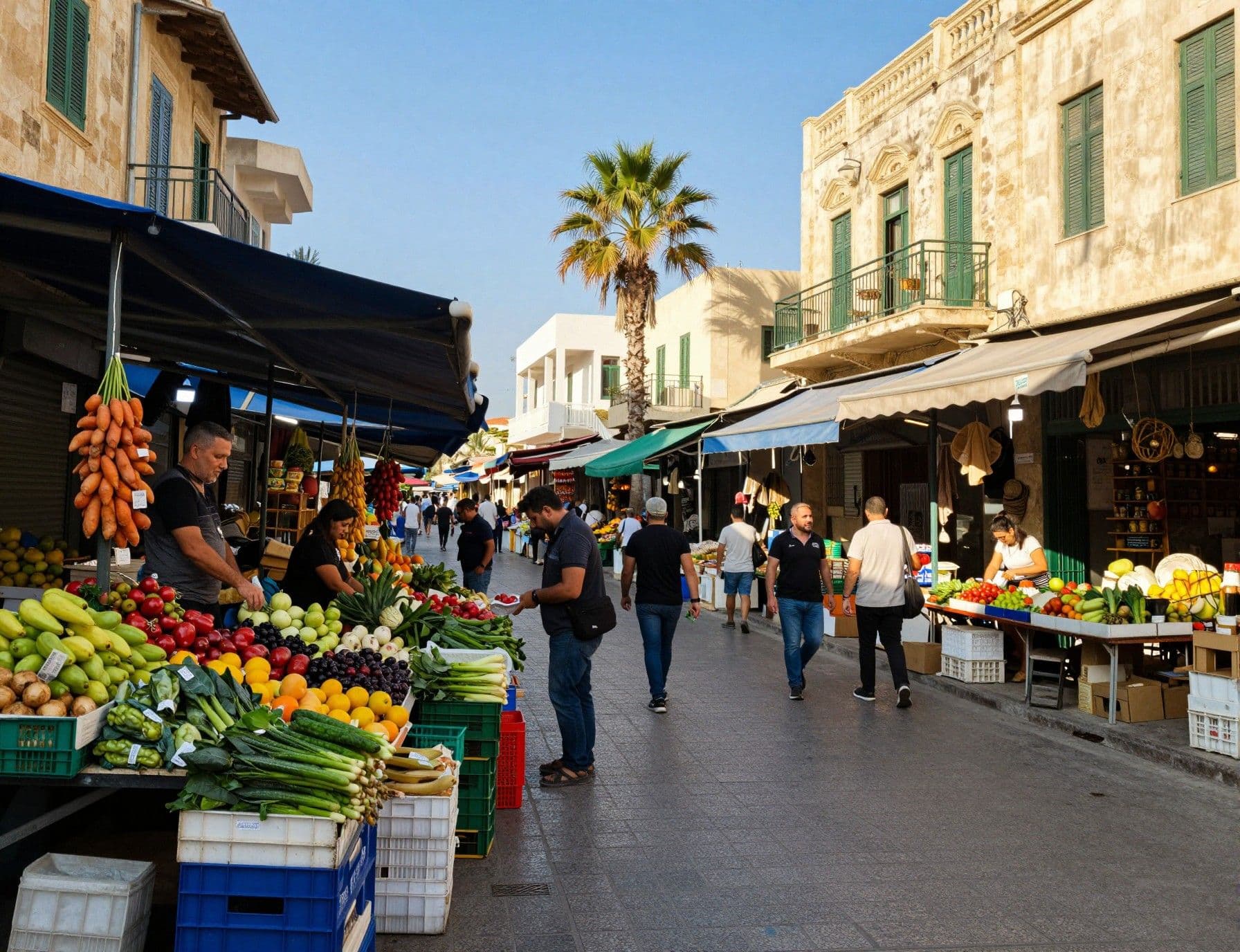
Cyprus is not one uniform summer postcard. Daily life alternates between slow, social mornings in mountain villages and compact, service-driven bustle along Limassol and Larnaca coasts. The island’s dual rhythms—residents’ year‑round routines and a strong, concentrated summer tourist season—shape which properties perform as homes and which perform as investment assets.
Neighbourhood textures: Paphos, Limassol, Larnaca
Paphos leans on cultural heritage and family tourism; Limassol is the island’s financial heartbeat with marina apartments and serviced rentals; Larnaca blends airport convenience with steady local demand. Walk down Kennedy Avenue in Larnaca at 9am and you’ll see commuters grabbing takeaways—that daily footfall supports long‑let demand in a way seasonal hotspots don’t.
Food, markets and the tempo of life
From morning markets in Limassol to evening meze in Ayia Napa, food culture structures occupancy patterns: restaurants sustain shoulder seasons and local renters. Government tourism figures show over four million visitors in 2024 concentrated in summer months—this seasonality creates predictable peaks but also off‑peak shortfalls that savvy investors can exploit by targeting properties that attract long‑stay or year‑round tenants.
- Lifestyle highlights: cafés on Tombs of the Kings Road (Paphos), Kennedy Avenue markets (Larnaca), Limassol Marina promenades, Ayios Antonios tavernas in Nicosia, Troodos mountain hikes and local wineries.
Making the move: practical considerations
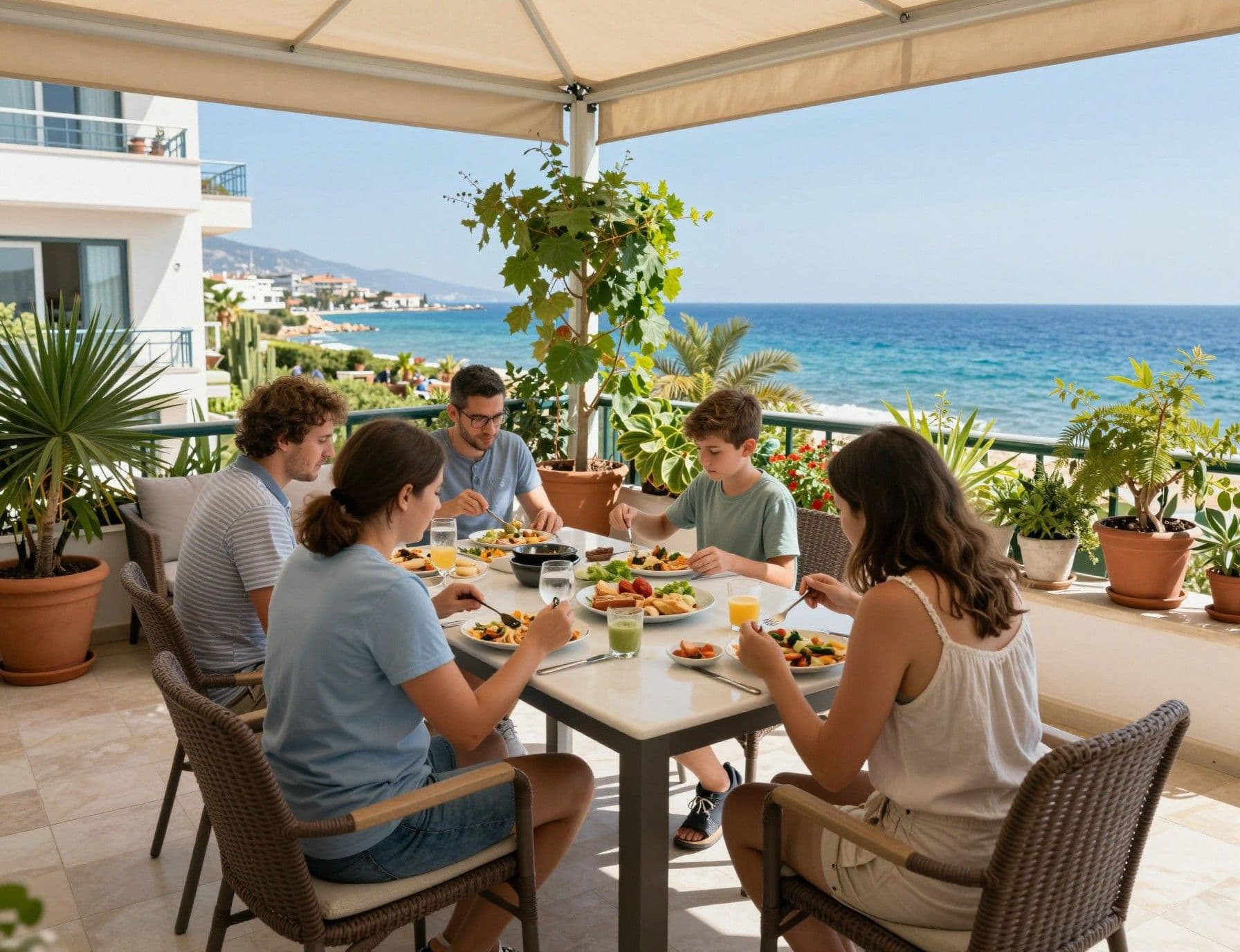
The lifestyle picture matters to tenants—but so do macro drivers. Cyprus saw record property transaction value in 2024, driven by apartment demand and tourism spillovers. That growth sits alongside improving sovereign ratings and stronger fiscal metrics, which reduces macro risk for international capital. Translate those headline trends into search filters: prioritise properties near transport, established food scenes, and areas with steady local populations.
Property types and how they deliver lifestyle returns
Apartments close to marinas or city centres typically deliver higher short‑let gross yields in summer but face occupancy dips outside peak season. Townhouses and small family houses in suburbs or mountain villages perform better as long‑let assets, offering steadier rental income and lower turnover costs. Match property type to your target tenant profile—seasonal tourist, remote worker, or permanent resident.
Working with local experts who understand rhythms
- 1. Ask agents for monthly occupancy curves, not just annual rates—request 12‑month booking data. 2. Seek accountants experienced with Cyprus tax residency rules and double taxation treaties. 3. Insist on property managers with verified short‑let and long‑let references across seasons. 4. Prioritise agencies that can show utility costs and average maintenance outflows for comparable units.
Insider knowledge: what expats and investors actually wish they'd known
Expat forums often focus on sunsets and beaches; experienced buyers talk about water resilience, utility reliability, and renter profile stability. Credit‑rating upgrades and fiscal discipline have strengthened investor confidence, but local infrastructure (water desalination projects, road links) determines whether a property will keep occupancy steady through hotter, drier summers.
Cultural integration and the social mechanics of tenancy
English is widely spoken in urban areas and among service industries, reducing friction for international landlords. However, building strong relationships with local cleaners, maintenance teams and community committees (commonly active in apartment blocks) materially reduces vacancy and dispute risk—an often‑overlooked operational edge.
Long‑term lifestyle and capital considerations
Longer term, Cyprus benefits from favourable demographics for property—a small population, steady inbound tourism, and growing services sectors (ICT, finance). Central Bank housing indices show steady price appreciation rather than volatile spikes; that supports a buy‑and‑hold approach when combined with active yield management across seasons.
- Key red flags and checks: • Check municipal plans for seaside developments that could flood supply in your micro‑market. • Verify water and electricity reliability—ask for recent bills and maintenance records. • Confirm short‑let permissions if you plan summer rentals—regulation can vary by municipality. • Demand 12‑month rent rolls from managers to see true off‑peak occupancy.
Conclusion: Cyprus sells a life—sun, sea and slow mornings—but the smartest buyers translate those scenes into yield strategies. Target properties that combine shoulder‑season appeal with year‑round tenant demand, work with agencies that produce monthly occupancy data, and stress‑test purchases against utility, planning and tourism cycles. If your goal is stable net yield rather than postcard appreciation, Cyprus’ off‑season is not a problem; it’s an opportunity.
Dutch investment strategist who built a practice assisting 200+ Dutch clients find Spanish assets, with emphasis on cap rates and due diligence.