Cyprus: Tourist Boom, Hidden High‑Yield Micro‑Markets
Record tourist arrivals and improving fiscal metrics hide high‑yield micro‑markets in Cyprus. Match street‑level lifestyle signals to yield modelling for repeatable returns.
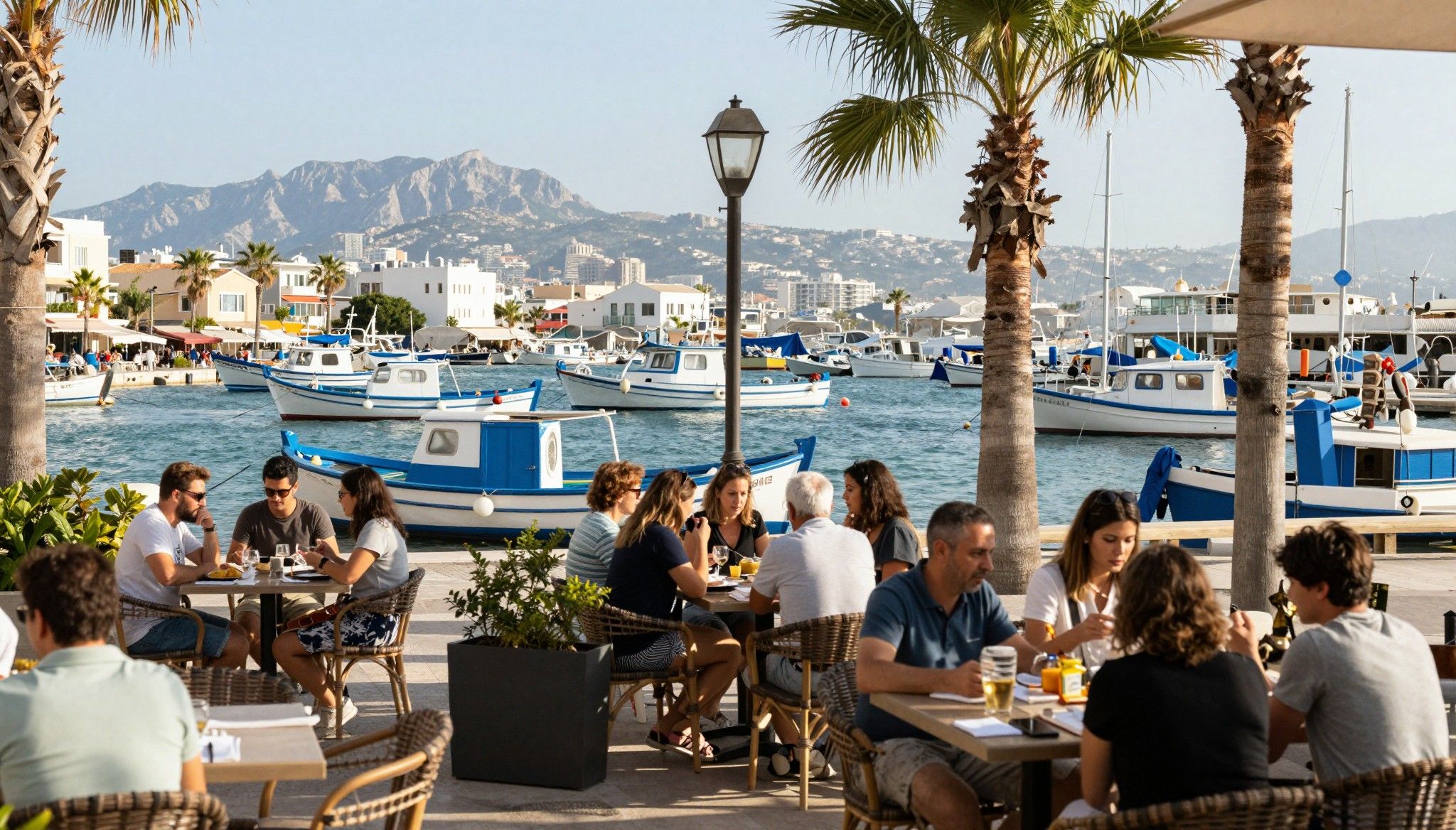
Imagine sipping a late-morning espresso on Agiou Andreou in Limassol, then stepping onto a quiet side street where rental posters quietly promise steady monthly income. Cyprus sells itself as sun, sea and history — but beneath the postcard seasonality are repeatable rental cashflows powered by record tourist arrivals, improving credit ratings and targeted infrastructure investment. For international buyers who treat property as an asset, Cyprus is less a single market and more a lattice of micro‑markets; understanding the macro drivers separates a sentimental purchase from a disciplined yield play.
Living Cyprus: sunlit rhythms, tight-knit streets
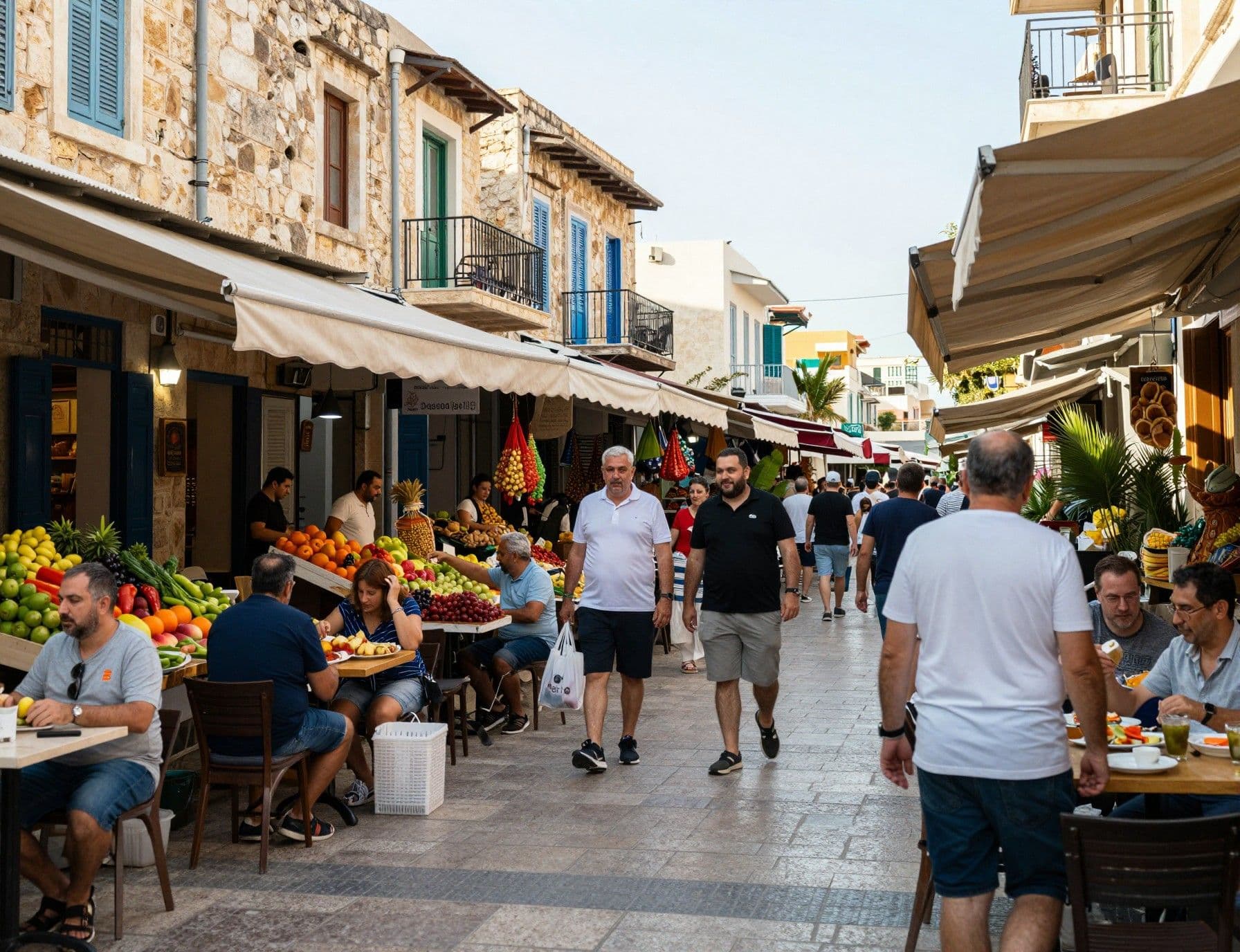
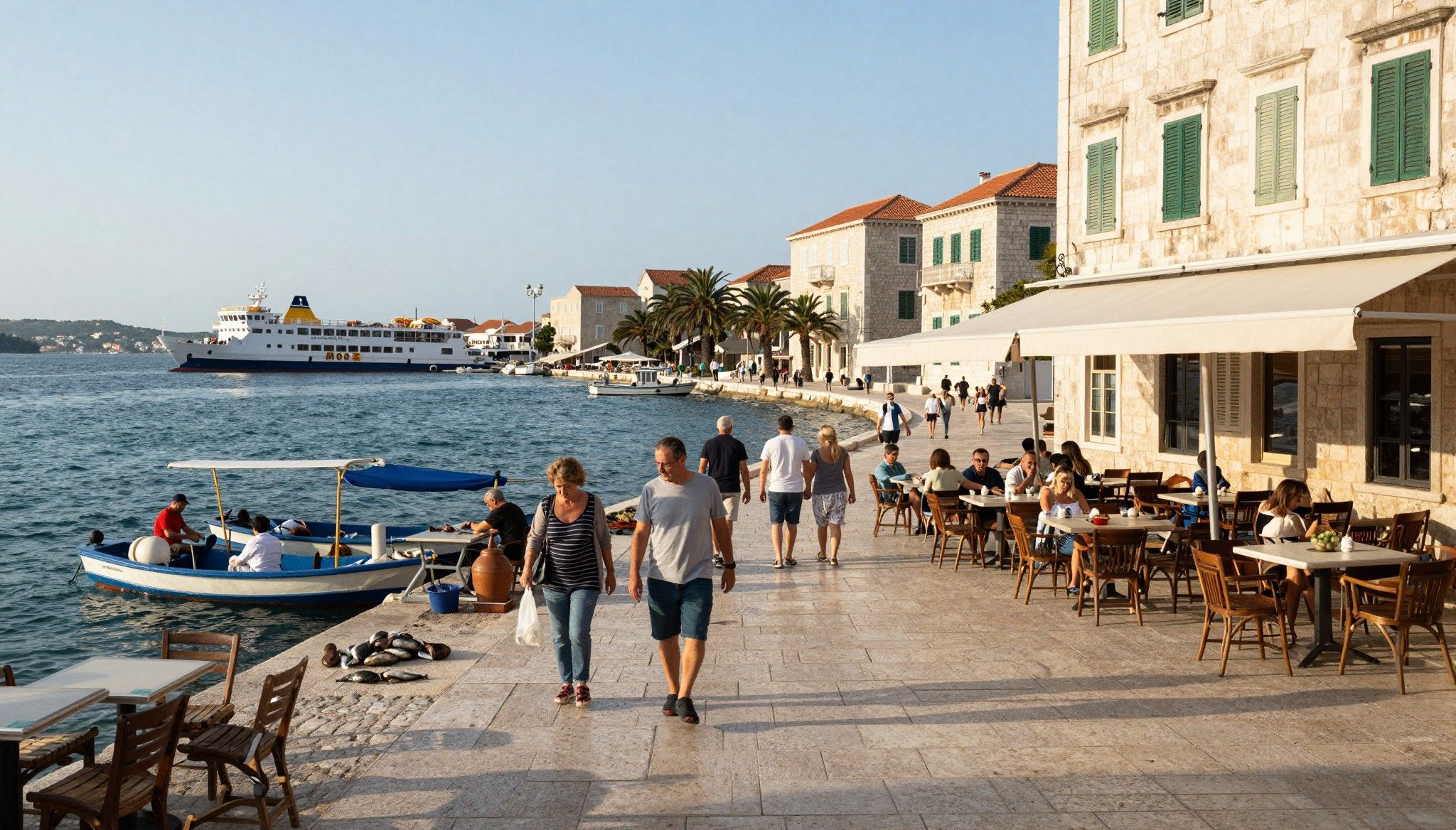
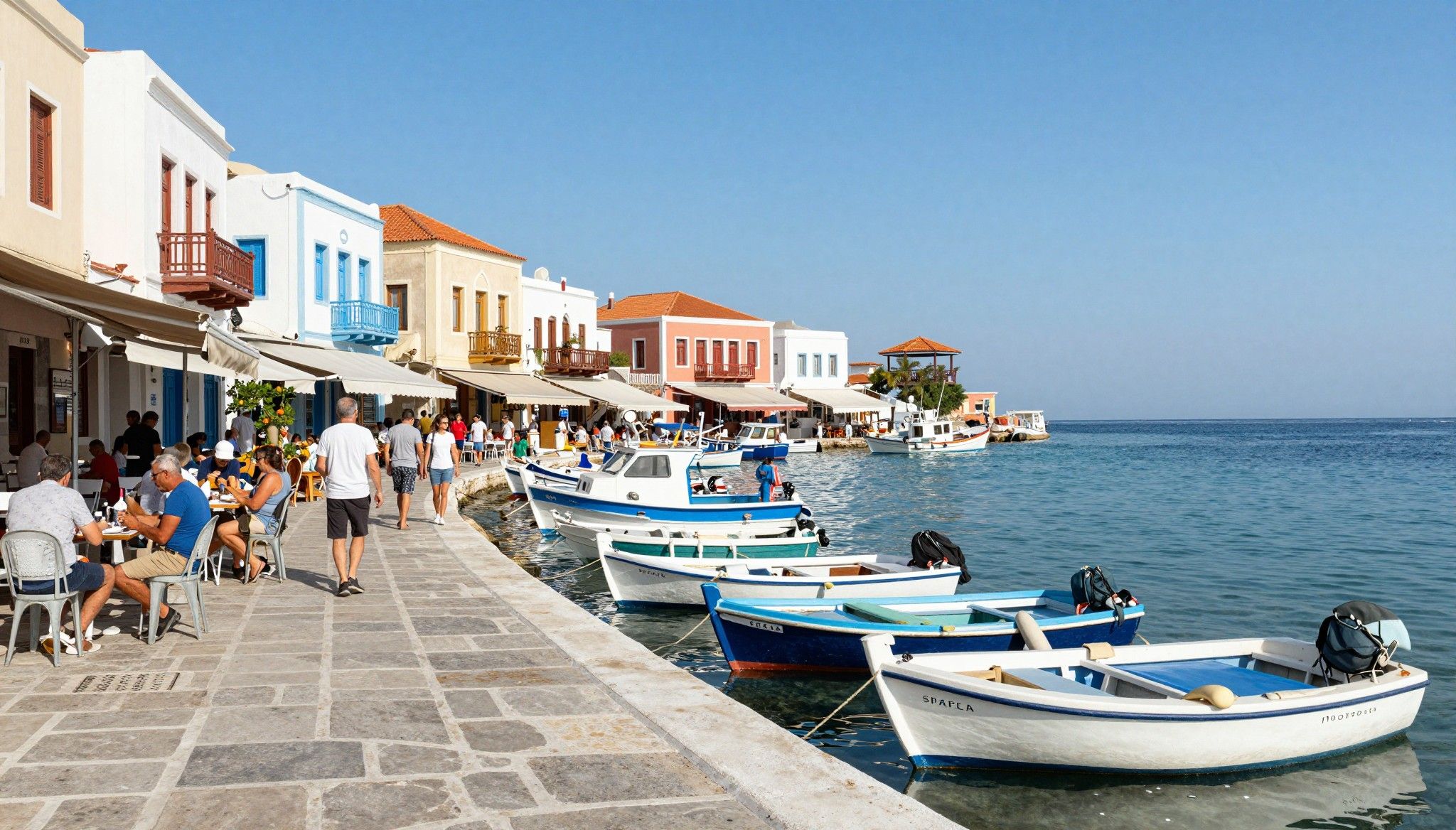
Life in Cyprus moves at an approachable pace. Mornings are markets and frappe; afternoons drift to beaches like Fig Tree Bay or quieter municipal sands in Larnaca; evenings focus on family tavernas and neighbourhood kafeneia. English is widely spoken, expat communities cluster around Limassol, Paphos and the Larnaca corridor, and local rhythms — church festivals, village market days, and weekend coastal escapes — shape housing demand in ways a headline price index cannot capture.
Neighbourhood spotlight: Limassol’s layered market
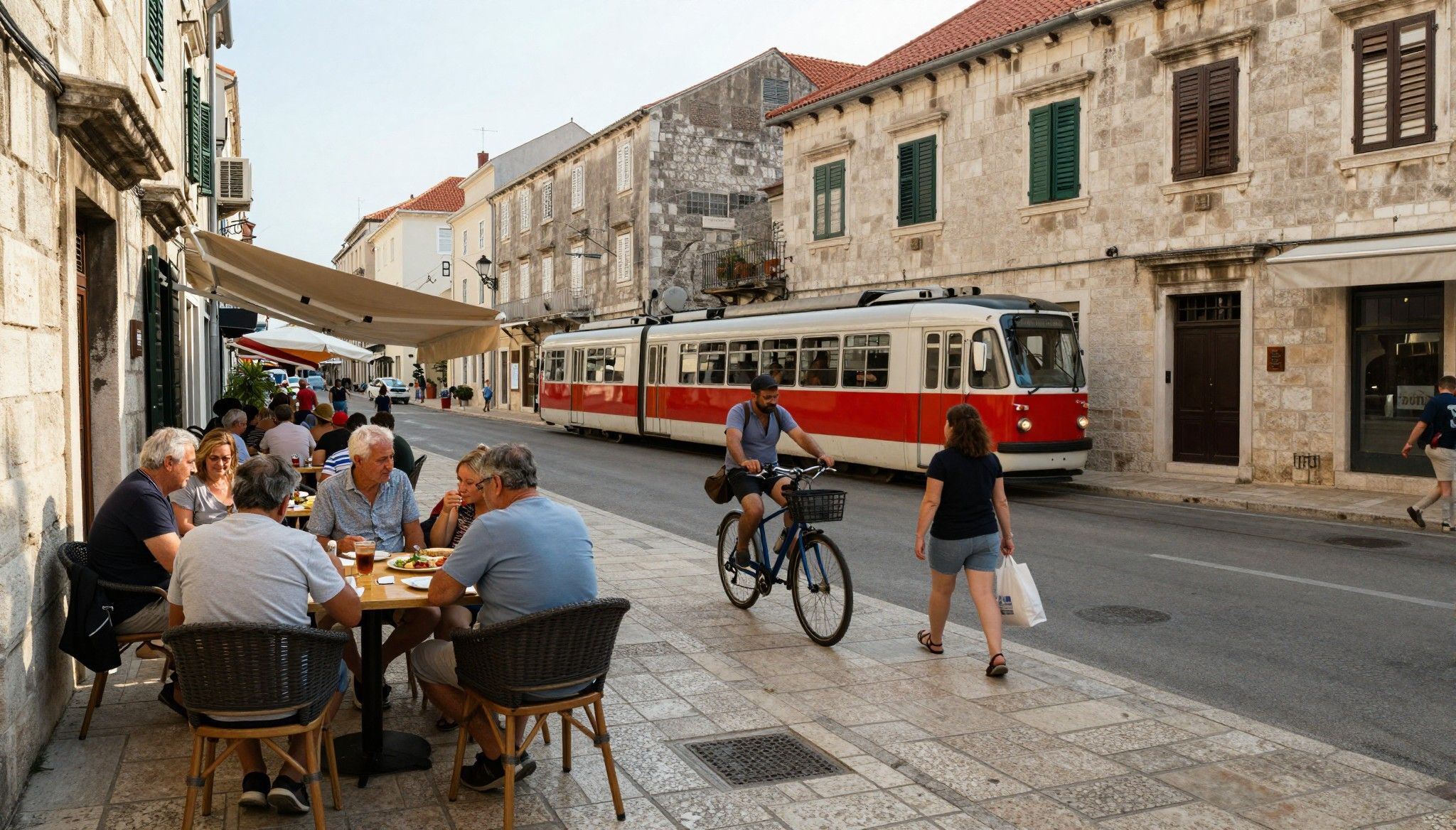
Limassol contains both luxury marina blocks and overlooked 1980s apartment streets a short walk inland. Tourists cluster on the promenade and in the Old Port, but long‑stay corporate tenants and families favour quieter pockets near Agios Nikolaos or the Molos park. That split creates a two‑tier market: high-capital appreciation zones and stable mid-market rental belts that deliver predictable net yields when managed correctly.
Food, markets and micro‑location signals
Where chefs and small boutique hotels open, rental demand follows. In Paphos, the harbour quarter’s growth since 2022 signalled higher short‑let rates; in Larnaca, the Finikoudes strip supports year‑round tourism and more consistent occupancy. Look for streets with new cafés, renovated façades, or a cluster of professional services — these local signals often precede formal price index moves.
- Lifestyle highlights (real streets and spots)
- Limassol: Agiou Andreou cafés, Molos park promenade
- Paphos: Old Harbour, Ktima village restaurants, Coral Bay beaches
Making the move: what the macro data actually tells you

Connect lifestyle to balance‑sheet outcomes. Cyprus recorded over 4.04 million tourist arrivals in 2024, lifting accommodation revenue and supporting short‑term rental demand in coastal and heritage zones. At the same time, analyst reports note a moderation in rental price growth after rapid rises in 2023, implying pockets of re-pricing rather than uniform inflation. Combine visitor growth, a resilient fiscal profile and targeted infrastructure (water and desalination projects, transport links) and you get differentiated income prospects across micro‑markets. Sources: government tourism statistics and industry reporting provide the empirical backbone.
Property types that match the lifestyle — and the returns
Compact city flats near transport nodes suit long‑stay professionals and generate higher occupancy; family houses in suburbs or coastal villas appeal to seasonal long‑lets and holiday rentals. Average gross yields vary by city — Limassol historically shows higher gross yields than Paphos or Nicosia — so match property type to target tenancy: short‑let versus contract lets. Local yield benchmarks and price-per-square‑metre comparisons are essential before committing. (See yield tables and price trends from market analytics.)
Working with agencies who know the lattice
The best local agents are granular: they track street‑level occupancy, short‑let seasonality and tenant mix. They will model net yield after realistic vacancy and management costs, not just headline rent. Ask agencies for recent comparable leases, expected annual occupancy (not just summer months), and maintenance profiles for older stone properties versus new builds.
- Practical steps that blend lifestyle and returns
- 1) Prioritise micro‑market research: compare two streets, not just two towns.
- 2) Stress‑test occupancy: use 12‑month scenarios with 40–60% short‑let seasonality assumptions.
- 3) Add real maintenance and management costs (expect 8–15% of gross rent for professional management).
Insider knowledge: what expats wish they'd known
Expats often arrive enchanted by coastlines and weekend markets, only to learn that micro‑seasonality, utility infrastructure (water pressure, occasional shortages) and block‑level noise significantly affect tenant demand. Understanding local nuances — which streets flood during intense rains, where winter rental demand comes from, which neighbourhoods host corporate relocations — changes acquisition choices from emotional to strategic.
Cultural and seasonal realities that reprice living
Water scarcity and infrastructure projects matter. Recent government and news coverage shows active investment in desalination and pipe repair to protect tourism and resident supply; these projects reduce long‑term operational risk for coastal holiday properties but may temporarily disrupt neighbourhoods during works. Factor infrastructure timelines into renovation and letting plans.
Long‑term view: resilience over headline growth
Cyprus’s improving credit profile and record tourist years point to resilience. But investors should prefer repeatable cashflows over speculative capital gains. That means selecting properties with predictable tenant pools (corporate rentals, year‑round expat families, student lets in certain cities) and building a margin for vacancy and seasonality into expected net yields.
- Red flags to avoid
- Properties marketed only on summer imagery with no off‑season lease comps.
- Blocks with repeated infrastructure works or water restrictions reported in local news.
- Agent valuations lacking recent comparable rents or occupancy data.
Conclusion: Love the beaches, model the balance sheet. If Cyprus steals your heart, let data keep your head. Start with street‑level research, insist on occupancy scenarios from your agent, and price in infrastructure timelines. The island’s tourism boom and fiscal stability create real opportunities — but the investor reward goes to those who map lifestyle preferences onto rigorous yield modelling.
Swedish financier who guided 150+ families to Spanish title deeds since relocating from Stockholm in 2012, focusing on legal and tax implications.