When Croatia's Coastal Allure Kills Your Yield
Croatia’s tourism boom masks seasonal and social pressures that can erode net yields; match lifestyle appeal to occupancy‑adjusted returns and local micro‑risk.
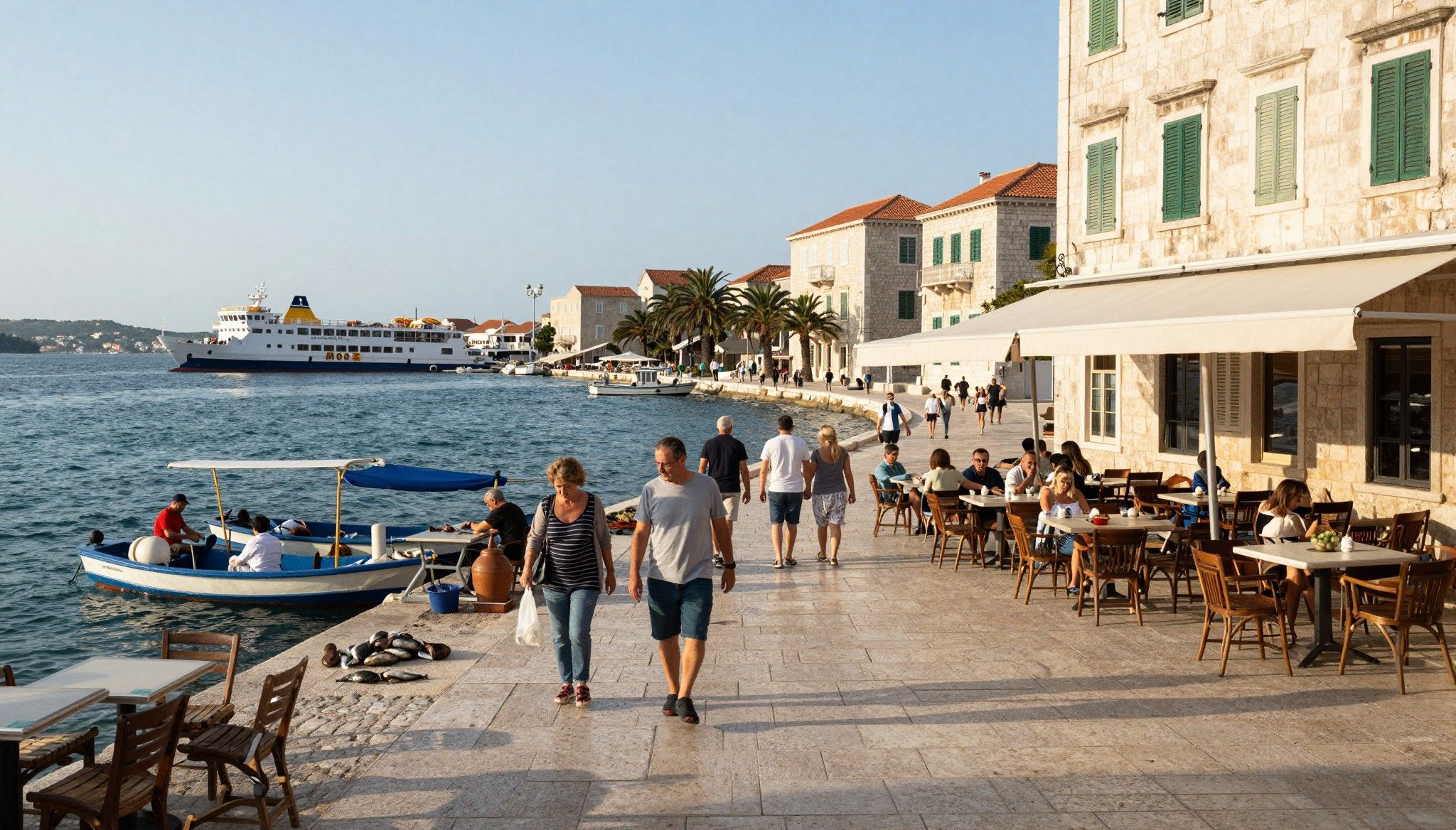
Imagine sipping espresso on Split’s Riva as a fisherman unloads his morning catch, then stepping back into a rental market where peak-season cashflow masks a year-round vacancy problem. Croatia’s Adriatic charisma — sun-drenched islands, UNESCO old towns, and seafood markets — is the emotional reason buyers come. But for investors who measure opportunity in net yields and occupancy-adjusted returns, that postcard is only half the story. Recent market analysis shows record tourism but also structural housing pressure that changes how returns actually look on paper.
Living the Croatian Rhythm
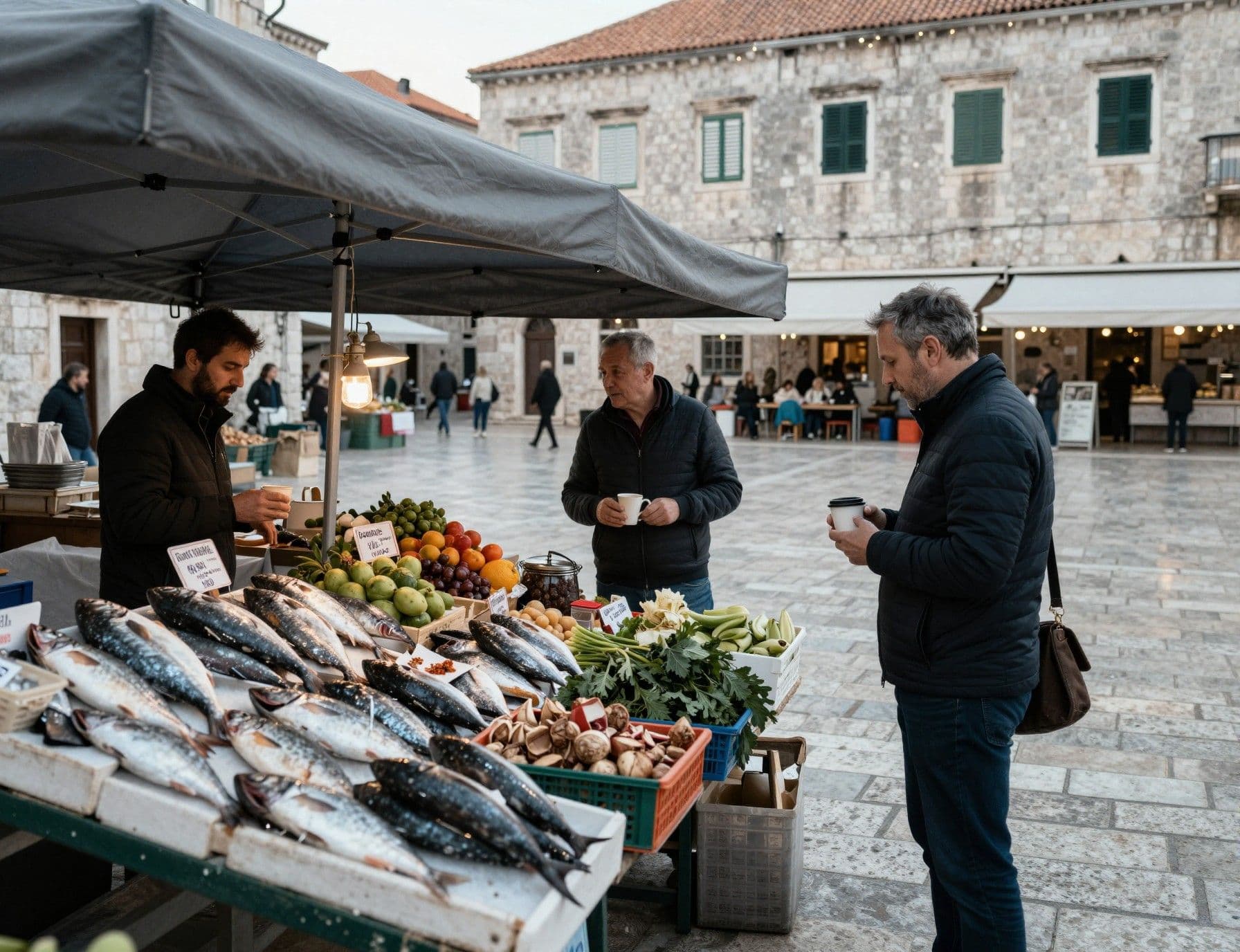
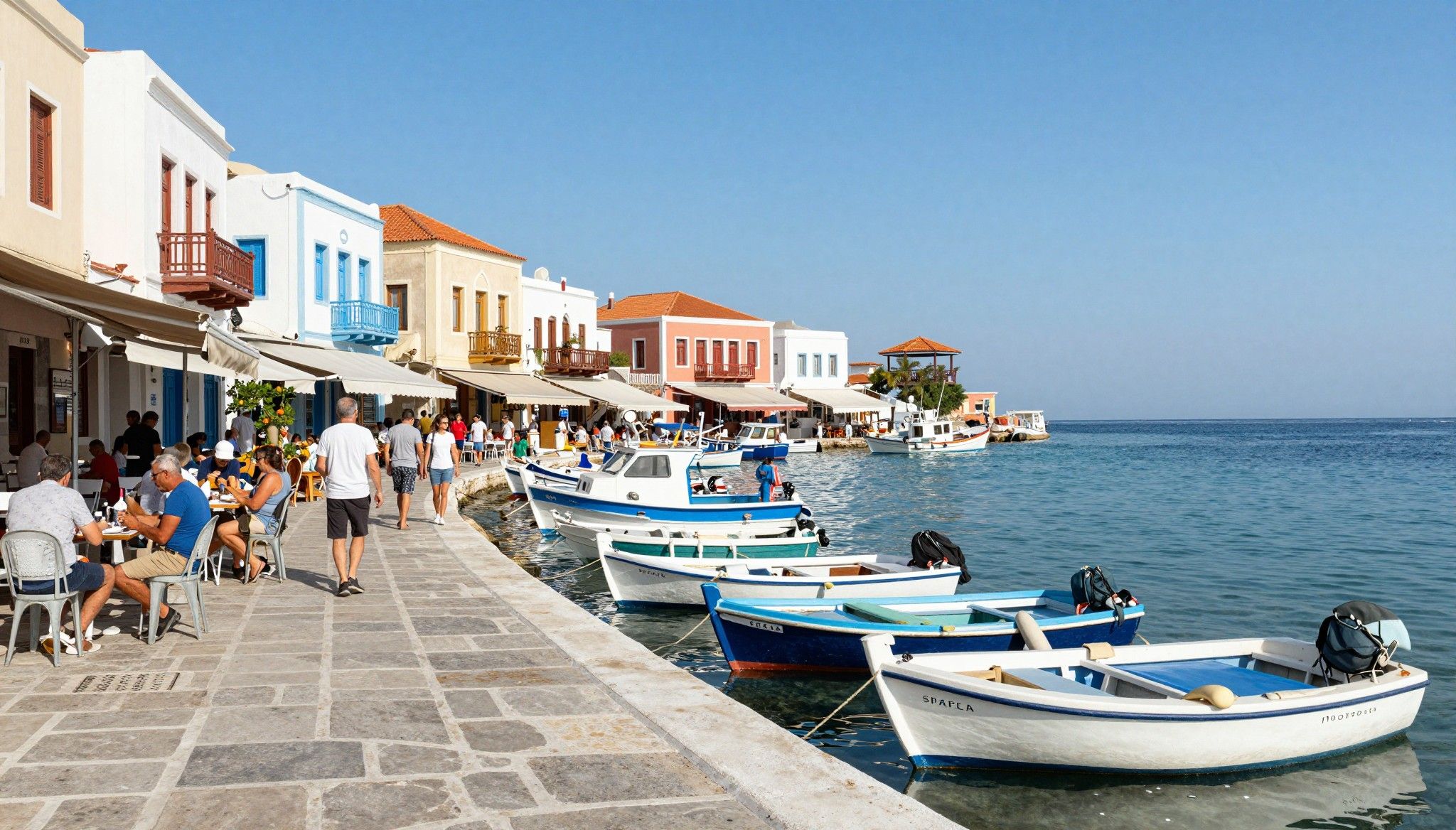
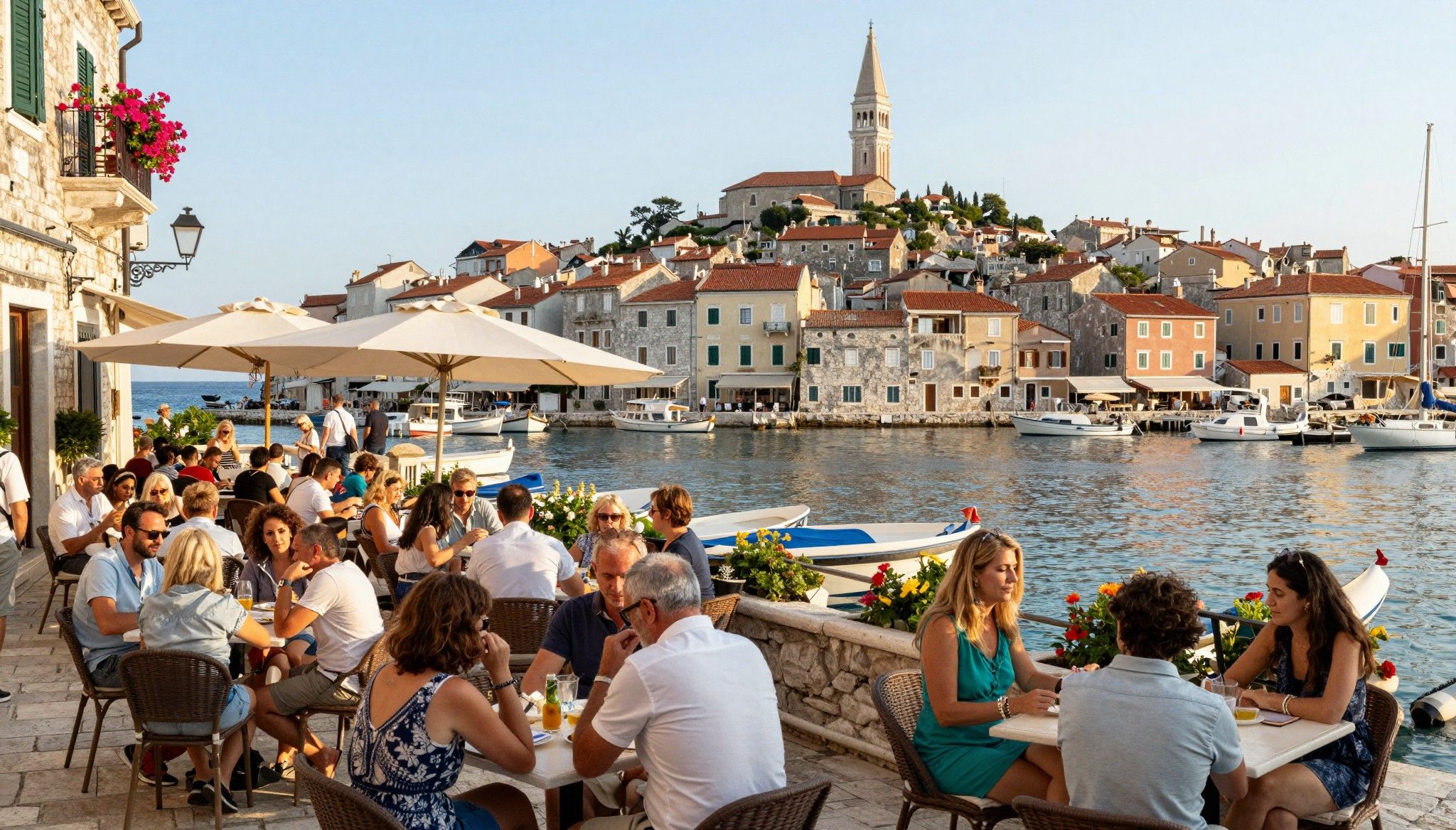
Croatia lives in two tempos. Along the coast (Dalmatia, Istria), summers are kinetic: cafés hum from morning until late, private boats dot the bays, and towns like Hvar, Rovinj and Dubrovnik feel like open-air festivals. Inland—Zagreb, Slavonia—life is steadier, with weekly markets, neighborhood bakeries, and a more muted rental cycle. For buyers this means choosing between seasonal liquidity and steadier, lower-volatility rental demand; each rhythm requires different property types and management strategies.
Neighborhoods worth picturing
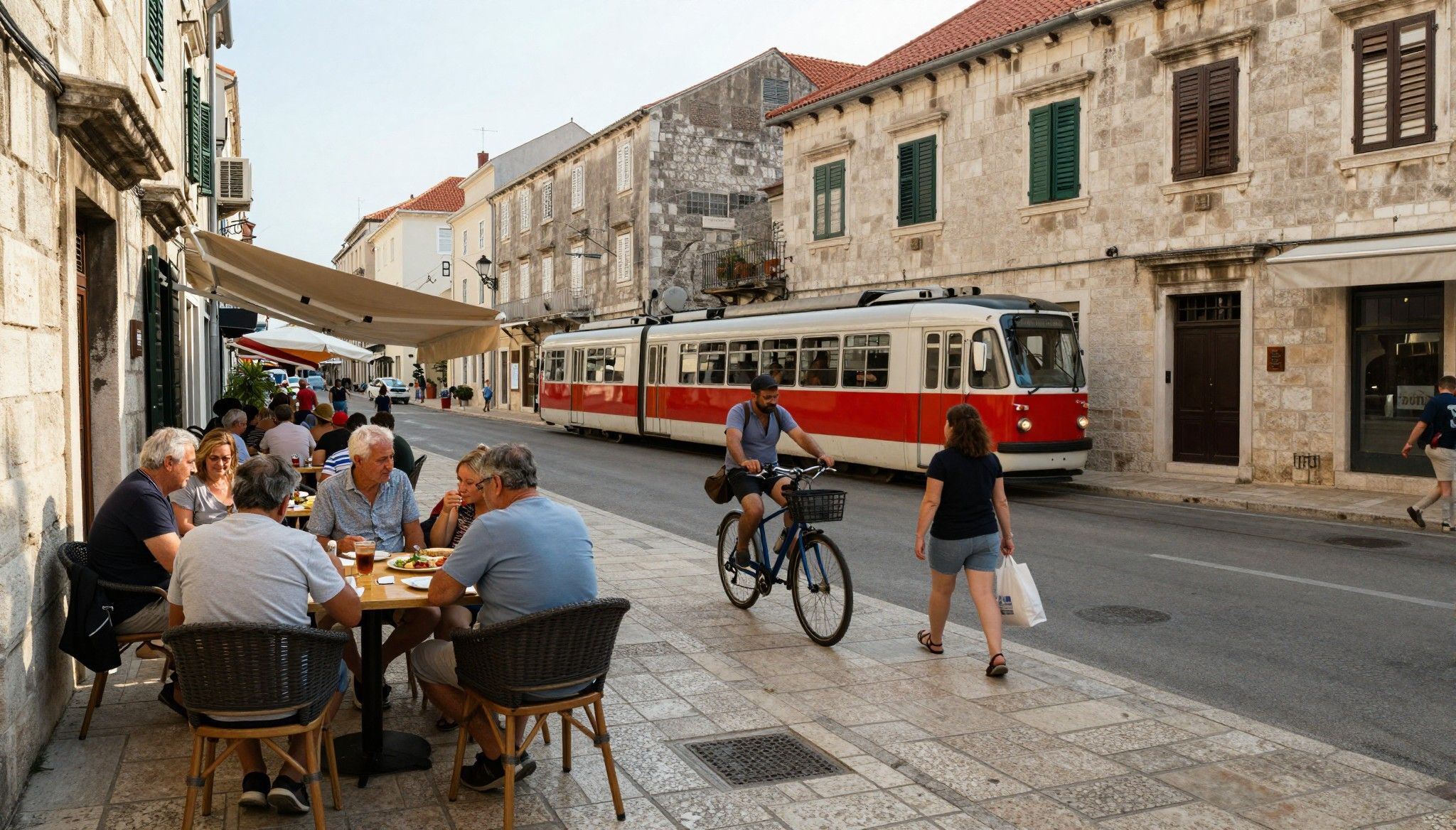
Split’s Veli Varoš offers narrow stone streets and easy access to ferries — attractive to short-let guests who prize location over square metres. In Zagreb, Maksimir and Britanski trg deliver suburban calm with consistent long-term rental demand from professionals and families. On Istria’s coast, Rovinj’s old town trades liquidity for high purchase prices and management headaches during July–August peak seasons. Each micro-market has a distinct tenant profile that shapes achievable yields.
Food, markets and the weekday rhythm
Mornings begin at fish markets — Split’s Pazar or Zagreb’s Dolac — and dinners close with a glass of Plavac Mali on a seaside terrace. Tourism growth is real (record arrivals and overnight stays in 2024), but it concentrates demand into months, not a uniform year-round cashflow. That seasonal spike is excellent for gross revenue in summer but dangerous if you underweight occupancy-adjusted operating costs and management complexity.
- Lifestyle highlights investors should know: Split’s Riva and Veli Varoš, Zagreb’s Britanski trg and Lower Town cafes, Rovinj’s old harbour and Trg marun, Hvar Town nightlife and off-season quiet, Pakleni Islands day-boat culture.
Making the Move: Practical Considerations

Falling in love with the Adriatic is the easy part. Turning that love into a resilient investment requires translating lifestyle demand into durable yield. That means adjusting price-per-square-metre expectations against occupancy seasonality, calculating net yield rather than headline gross yield, and stress‑testing for regulatory shifts that affect short lets. Data-driven buyers treat Croatia as an asset-class with two correlated risks: tourism concentration and local housing shortages that can distort rental markets.
Property types and how they earn
Apartments in Dubrovnik or Hvar command premium prices per m² and can deliver strong summer rates, but their effective annual yield often falls after management fees, cleaning, and vacancy. In contrast, two-bedroom apartments in Zagreb or suburban Split typically show lower entry prices (often €2,500–€4,000/m² range depending on area) and more stable long-term tenancy, improving net yields and reducing turnover costs. For investors, matching tenant profile to the asset is the single biggest determinant of realized return.
Working with experts who know both life and numbers
Local agencies do two things an international buyer often undervalues: identify micro‑location risk (noise, seasonal closures, access) and translate guest behaviour into financial forecasts. Choose agents who provide audited occupancy histories, utility cost breakdowns across seasons, and vetted management partners. Avoid agents that sell only on lifestyle photos without disclosing operating margins, average monthly occupancy, or historical price per square metre transaction data.
- Step-by-step checklist combining lifestyle and financials: 1) Request 3-year occupancy and revenue statements; 2) Compute net yield after management and maintenance; 3) Compare price/m² to regional comparable sales; 4) Stress-test returns for 40% off-peak occupancy; 5) Verify short-let regulations and municipal restrictions.
Insider Knowledge: The Unspoken Tradeoffs
Three realities locals rarely advertise: Croatia’s macro is solid — growth above Eurozone average and strong tourism inflows — yet local wages and housing supply create social pressure that can reprice neighbourhoods quickly. The IMF notes robust growth and tight labour markets; meanwhile official tourism statistics confirm sustained arrivals. Combine those trends and you get rising demand for housing near transport and services, squeezing long-term rental supply and sometimes elevating purchase prices faster than local incomes.
Cultural and seasonal red flags
A high proportion of locals remain in multi‑generational homes and long-term rental supply is strained. That’s great for owners in theory, but it also means municipalities may tighten short-let rules or prioritise housing for residents — changes that can reduce short-term revenues overnight. Expect higher transaction scrutiny in tourist hotspots and plan for regulatory scenarios that shift a short-let into a long-let world.
Long-term lifestyle and market evolution
Tourism diversification into inland seasons, stronger airline links, and EU-funded infrastructure projects suggest Croatia’s tourist calendar may smooth over time, improving off-season occupancy. For buyers, that means patience: coastal premiums may compress as more inland areas capture year-round visitors, and properties that support mixed-use living (work-friendly flats, reliable heating, sound insulation) will outperform in the long run.
- Insider tips for reconciling lifestyle with returns: choose properties within walking distance of year-round services; prioritise reliable heating and insulation for shoulder seasons; model net yield with conservative occupancy; secure local management with winter maintenance plans; consider inland towns with improving connectivity.
Conclusion: Croatia sells a lifestyle few places match — island hopping, coastal cuisine, and small‑town community life — but investors must translate that allure into sustainable returns. Use occupancy-adjusted net yields, stress-test for regulatory shifts, and pair lifestyle preference with asset-class logic: pick the neighbourhood where your tenant type actually lives or visits outside July and August. If you want to live there too, prioritise agency partners who provide audited operating histories, local management, and candid micro-market intelligence — they’re the difference between a dream house and a performing asset.
British expat who moved to the Algarve in 2014. Specializes in portfolio-focused analysis, yields, and tax planning for UK buyers investing abroad.