When Cyprus’ Summer Postcard Kills Your Yield
Cyprus’ summer postcard inflates prices; model year‑round occupancy and NIY, pair lifestyle buys with pragmatic yield pockets to protect returns.
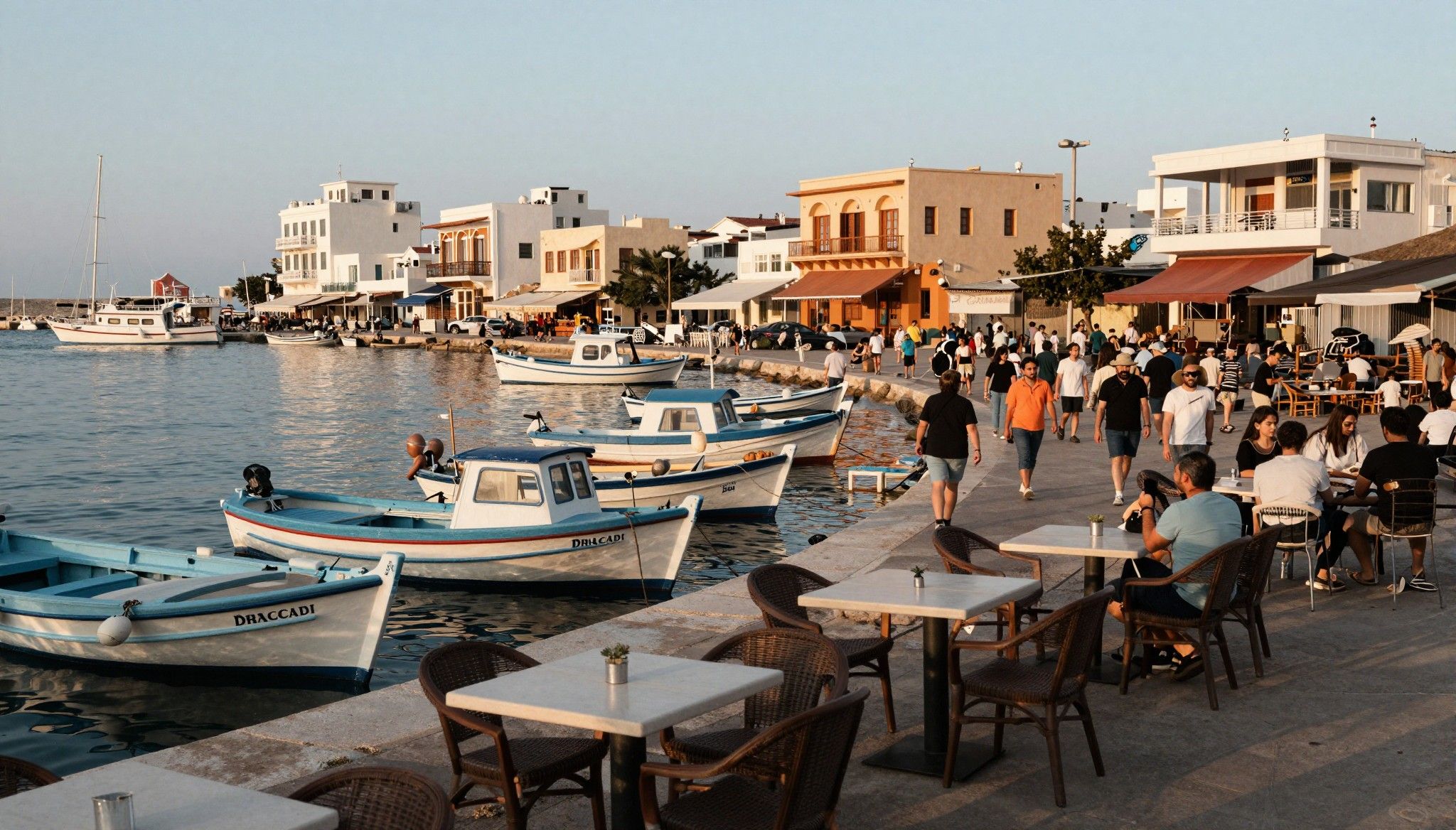
Imagine sitting at a shaded table on Limassol’s Molos, coffee in hand, boats bobbing and a market’s citrus scent on the breeze. That postcard calm is why international buyers fall for Cyprus—but it’s also the market shorthand that hides seasonal distortions in price and rental returns. This guide explains how Cyprus’ everyday life and its tourism-driven rhythm reshape yields, where the data contradicts the postcard, and which neighbourhoods actually deliver steady investment income. Read the lifestyle first, then the numbers that protect your wallet.
Living Cyprus: more than sun and sand

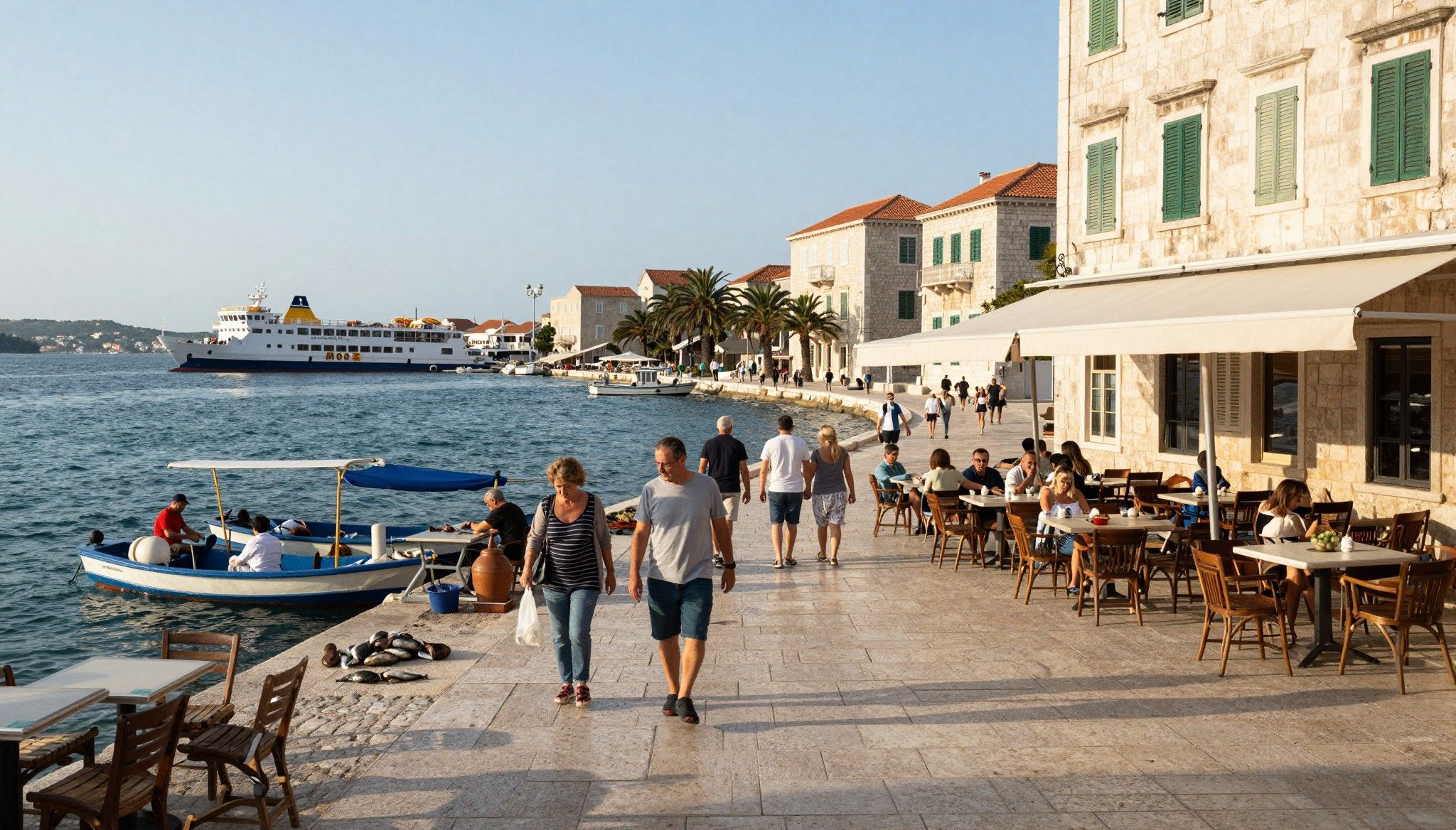
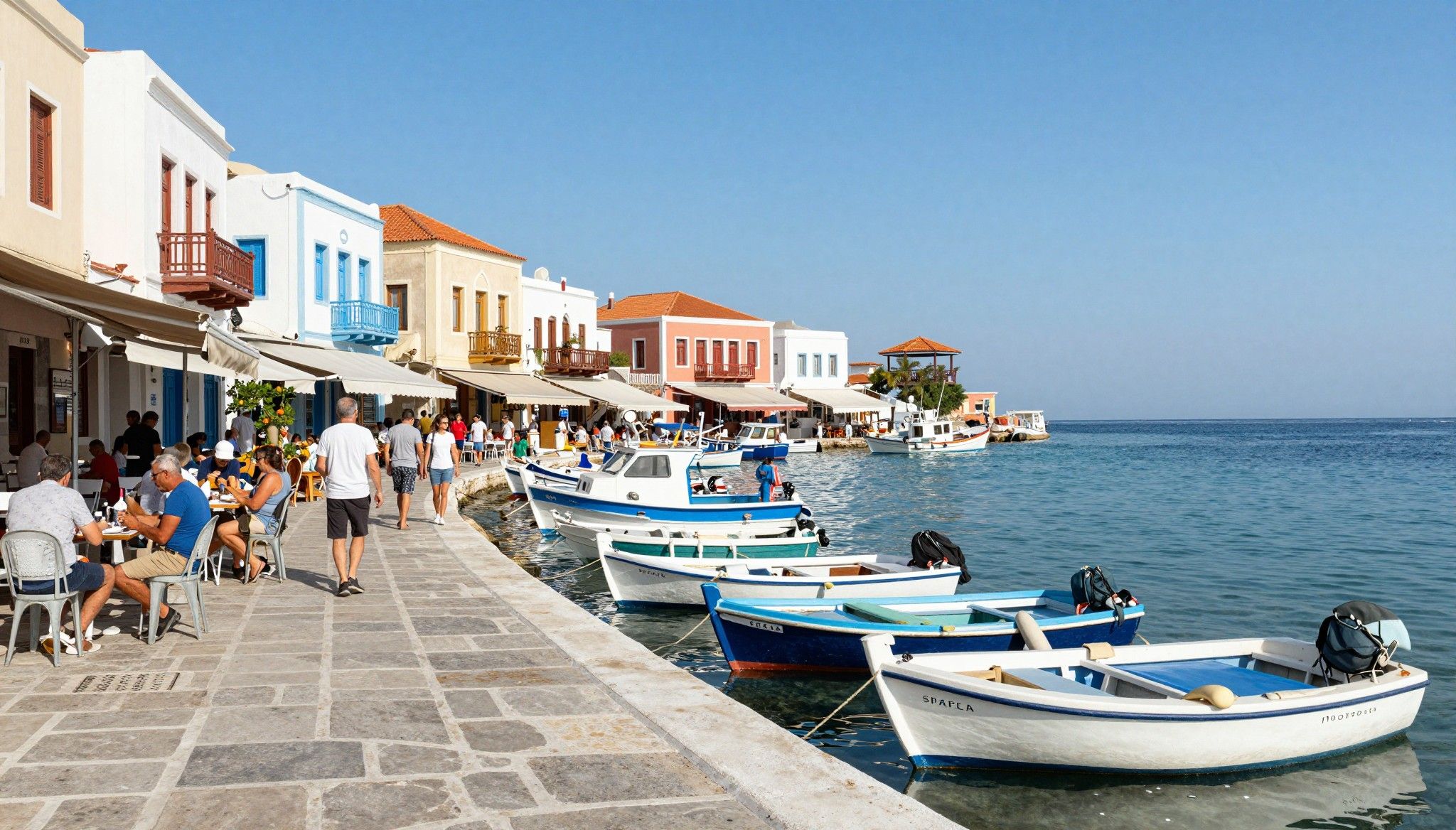
Daily life in Cyprus threads Mediterranean ease with urban practicality. Mornings in Nicosia’s coffee lanes feel purposeful; afternoons on Paphos’ Kato Paphos promenade drift into slow conversations; evenings in Larnaca are anchored by family tavernas where children run between tables. Tourism is a major background rhythm—Cyprus recorded over four million tourist arrivals in 2024—so coastal towns swell seasonally and many rental behaviours are shaped by short-let demand rather than long-term tenancy. Understanding that rhythm is the first step to separating lifestyle desirability from investable cashflow.
Neighbourhood character: where locals and visitors collide
Limassol’s marina and old port combine luxury new-builds with a hefty price premium—great for capital appreciation but prone to yield compression when values outpace net rents. Paphos offers a quieter coastal rhythm where villas and holiday apartments dominate; the result is high seasonal occupancy but lower year-round rental stability. Inland villages like Tala or the Troodos slopes offer authentic Cypriot life and lower purchase prices, but they attract fewer short-let tourists, meaning steadier long-term rental yields for local tenants and retirees.
Food, markets and the weekday pulse
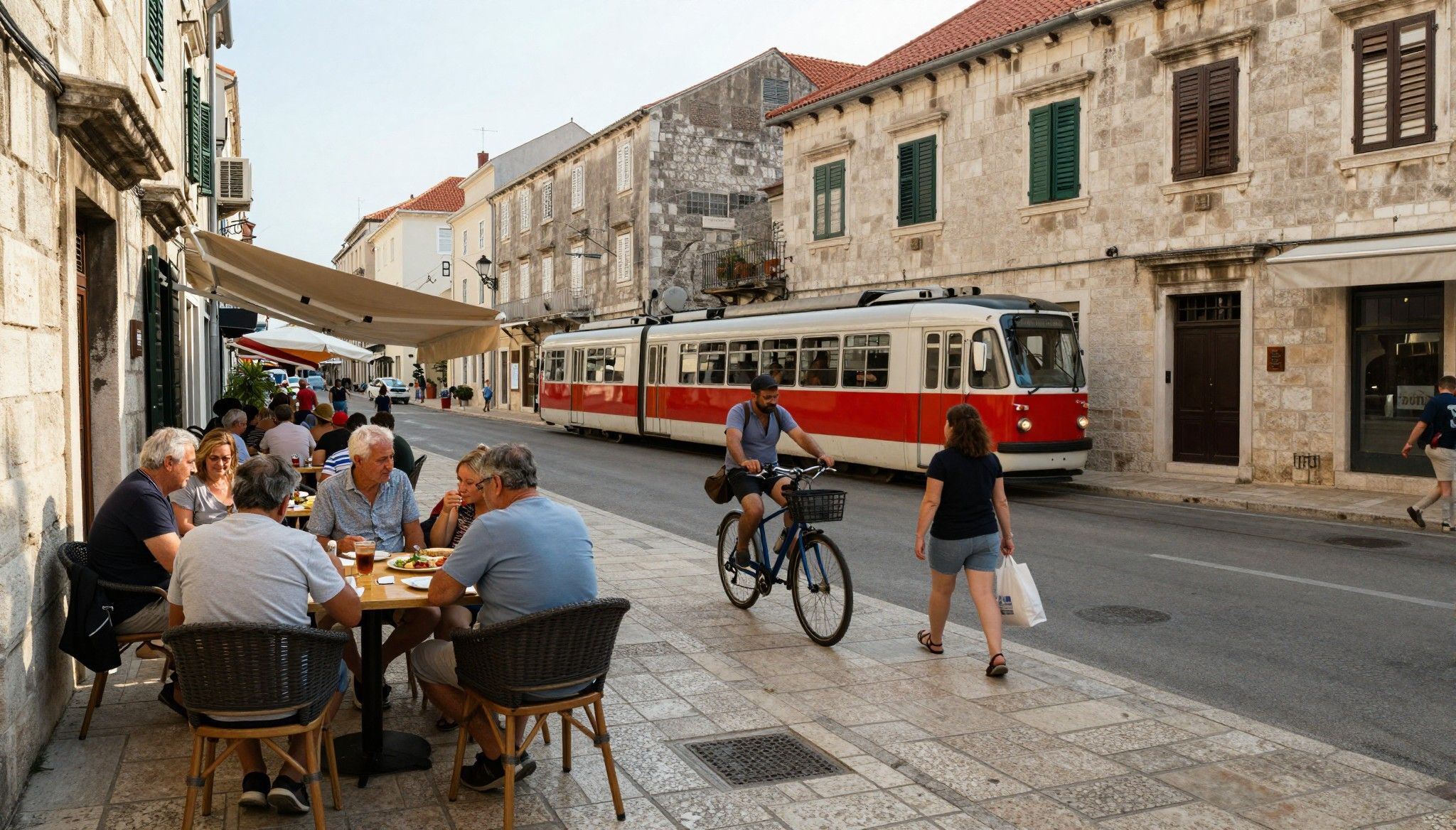
Weekends centre around markets—Limassol Municipal Market, Nicosia’s Ledra Street cafés and Paphos’ harbour tavernas—where the island’s social life plays out and rental demand patterns begin. The local food scene, from meze tavernas to modern bistros, concentrates demand in central districts and drives short-term bookings. Those micro-cultural draws create rental pockets that look attractive until you overlay occupancy seasonality and operating costs; this is where lifestyle desirability diverges from investable yield.
Making the move: practical considerations that respect the lifestyle
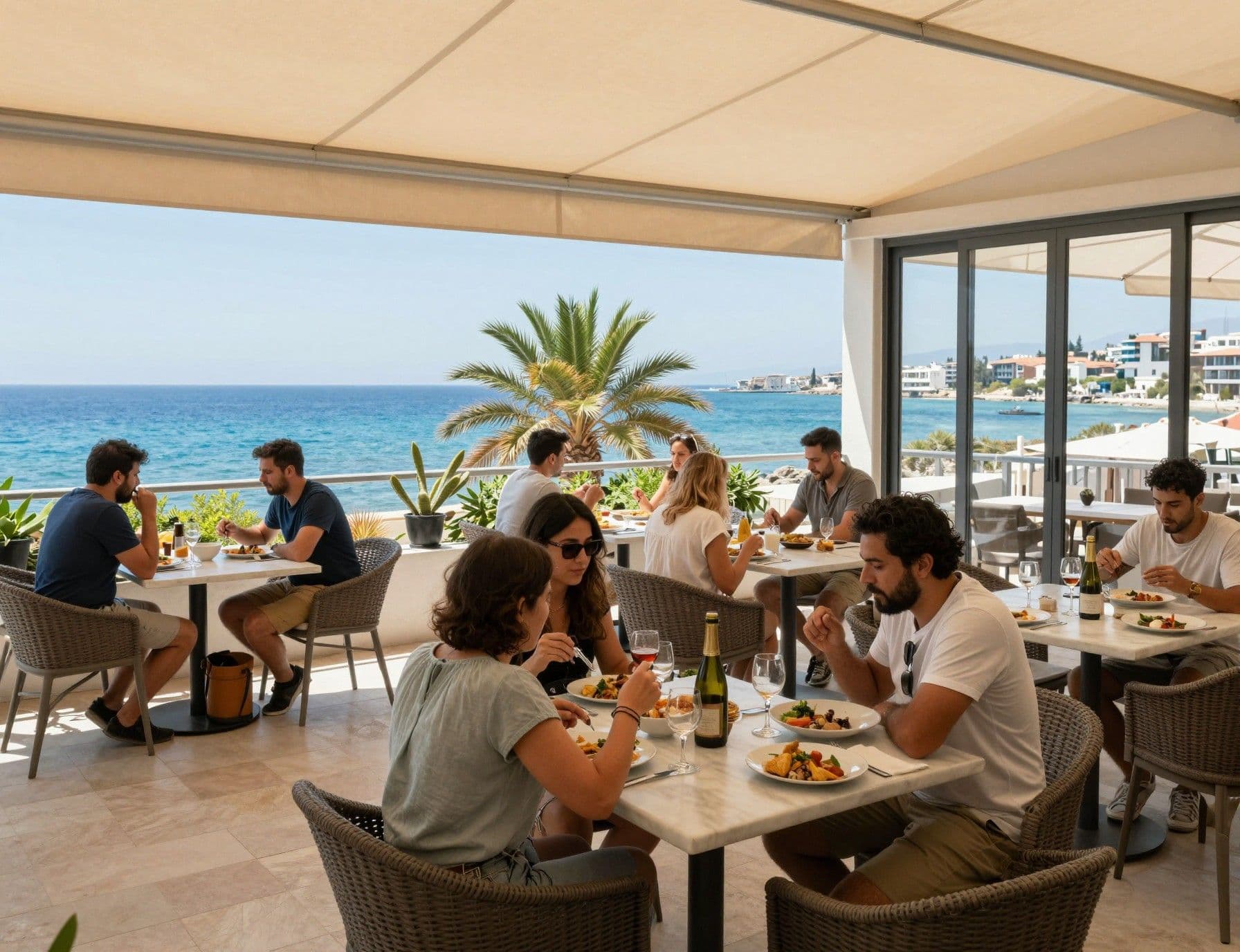
Cyprus’ market shows modest price growth but also signs of yield compression in coastal hotspots; national price indices rose in recent years while rental yields stabilized or fell slightly. Buyers chasing the summer postcard without modelling year-round cashflow risk overpaying in high-season hotspots. The practical answer is a split approach: pick lifestyle areas for personal enjoyment or capital prospects, and pair them with pragmatic rental‑yield locations to preserve net income.
Property types and how they match daily life
Apartments in Limassol and Larnaca suit professionals and short-stay tourists; they offer liquidity but often return lower net yields after maintenance and management fees. Detached houses in Paphos and rural mountain properties offer lifestyle space and capital appreciation potential but produce lower gross yields and higher running costs. New-build holiday complexes deliver turnkey short-let revenue but face regulatory and seasonal risk; always model net initial yield (NIY)—annual net rent divided by purchase price—rather than rely on headline gross percentages.
How local experts translate lifestyle to returns
Agencies who know which cafés fill up in low season and which streets are buoyed by year-round tenants are worth their fee. A strong local agent pairs hyperlocal rental data with verified occupancy calendars and expense profiles; they will also flag municipal plans (infrastructure upgrades or rezoning) that shift demand. Use agencies as data-augmented lifestyle scouts—not only to find a view but to quantify its effect on cashflow and downside risk.
Insider knowledge: myths, red flags and contrarian tips
Myth: coastal equals higher yields. Fact: coastal areas often command higher prices, compressing yields and exposing buyers to seasonality. Red flag: listings that quote headline nightly rates without annualised occupancy or operating expenses. A contrarian move is to consider Larnaca’s fringe areas or inland suburbs of Limassol where professional tenants seek stability—these areas can deliver higher net yields and lower management friction than the postcard coast.
Lifestyle-aware investment checklist
1) Verify annual occupancy (not just peak-season nights); ask for last 18 months of bookings. 2) Calculate NIY with conservative occupancy (50–60% for holiday apartments). 3) Confirm utility, municipal and strata fees—these erode net returns. 4) Check transport links—frequent flights to UK/Israel/Poland matter for tourist demand. 5) Prioritise agents who provide tenant profiles (students, professionals, retirees) alongside lifestyle narratives.
What expats wish they'd known
Expats often arrive expecting year-round liveliness and discover concentrated summer crowds and quieter winters. Many underestimate recurring costs—air conditioning, water (Cyprus invests in desalination), and seasonal maintenance—that spike in high season. The smart buyer imagines both the summer and the slow season: buys for lifestyle but models for cashflow so the dream doesn’t become a subsidy.
Conclusion: fall for the life, buy with the ledger open. Cyprus offers a compelling blend of Mediterranean lifestyle and improving macro fundamentals—tourism records, fiscal discipline and investment-grade sentiment all support long-term value. That said, the postcard summer can reprice yields; protect returns by combining lifestyle purchases with yield-focused holdings, working with local advisors who bring both café‑level knowledge and balance-sheet discipline. Next step: request verified occupancy and expense statements before making an offer.
Norwegian market analyst who relocated from Oslo to Mallorca in 2016, guiding Northern buyers through regulatory risk, currency hedging, and rentability.