Why House‑Hunting in Cyprus in Winter Often Wins
Seasonal demand, tourism records and infrastructure risks mean buying in Cyprus off‑season often improves negotiation, reveals hidden costs and lifts net yields.
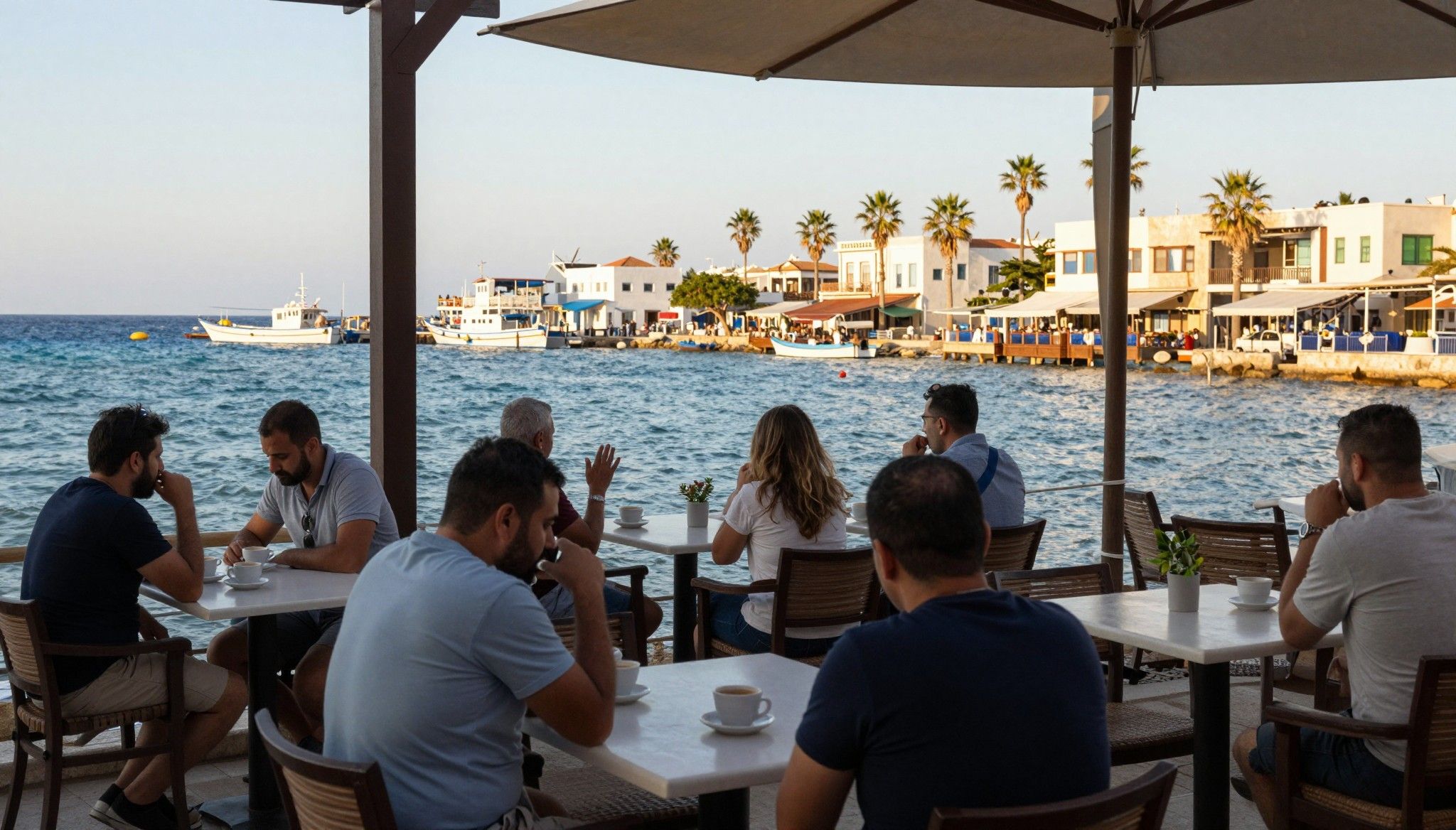
Imagine stepping out at 9am in Limassol’s old port, coffee steam rising as fishermen unload their catch and construction cranes hum in the distance — yet months later, the same apartment rents for 30–40% more to summer holiday lets. The rhythm of Cyprus is public squares and dry summers; its price cycles are tourism-driven. For international buyers who think the island is a single “postcard” market, the data say otherwise, and timing — not just location — often re-prices yields.
Living Cyprus: the daily pulse that shapes demand
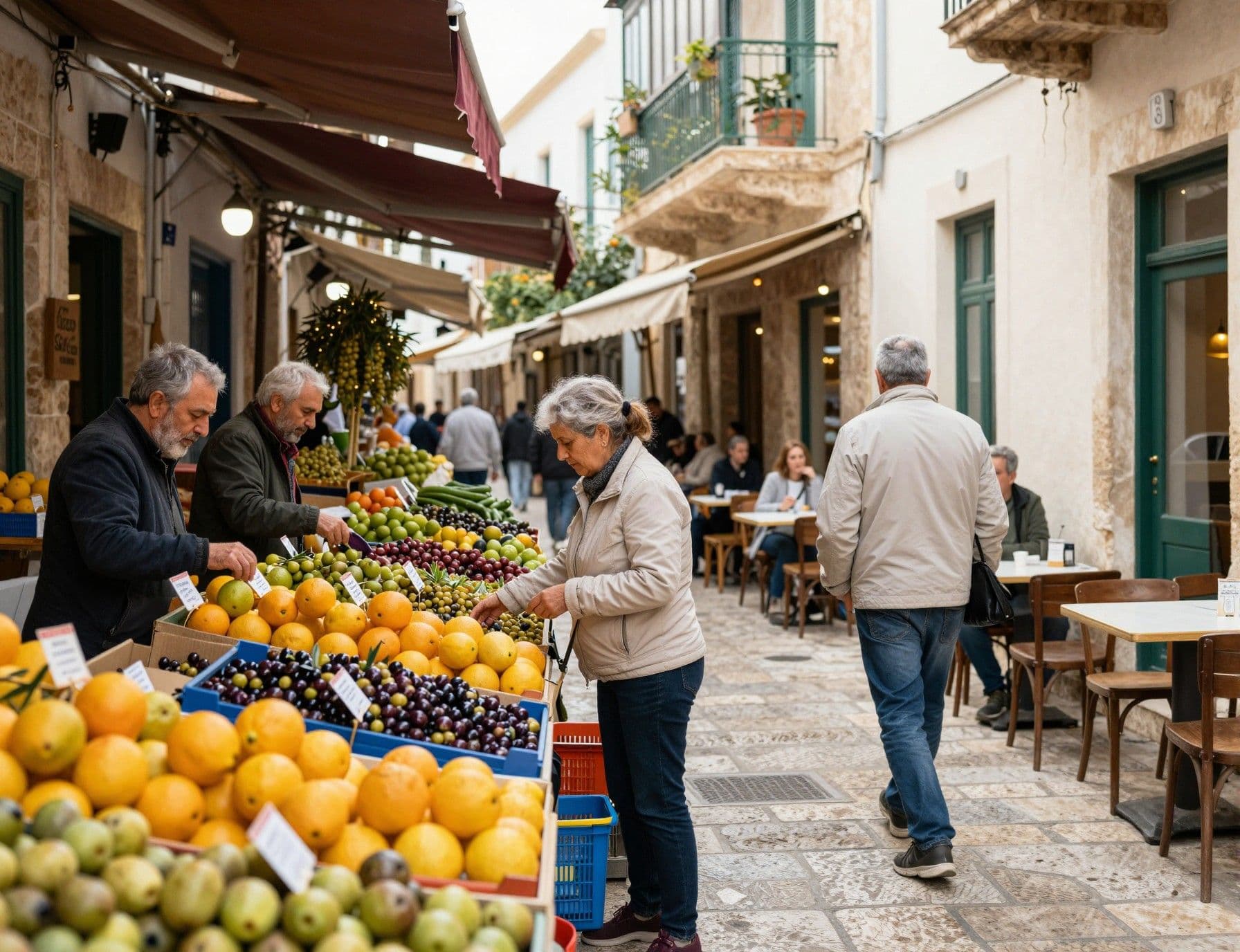
Cyprus feels compact until you start measuring demand in seasons. Coastal towns hum with tourism from May to October; mountain villages slow to a whisper. That seasonality fuels short‑let cash flows and a dual market — long‑term rentals for residents and high‑yield short lets for tourists — which pushes peak‑season rents higher and skews average returns if you don’t account for vacancy and management costs.
Neighborhood textures: Limassol, Paphos, Larnaca and Nicosia
Limassol is polished beachfront development and corporate demand (international schools, shipping firms); Paphos trades on heritage, quieter beaches and steady family lettings; Larnaca mixes affordability with the airport’s connectivity; Nicosia is government and services — steady, less seasonal. Each micro‑market delivers different vacancy curves and tenant mixes, and therefore different yield profiles.
How the seasons feel on the street
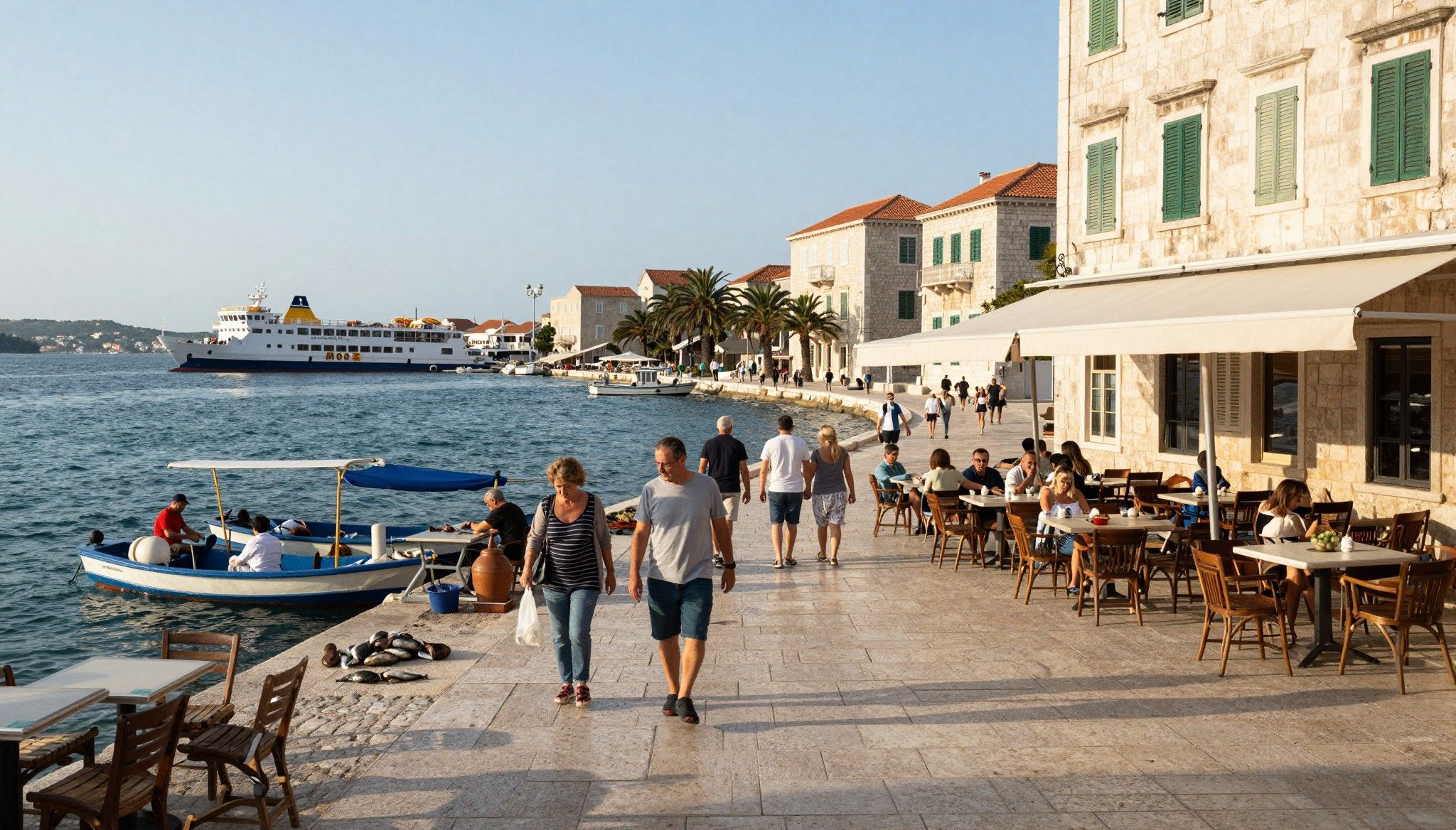
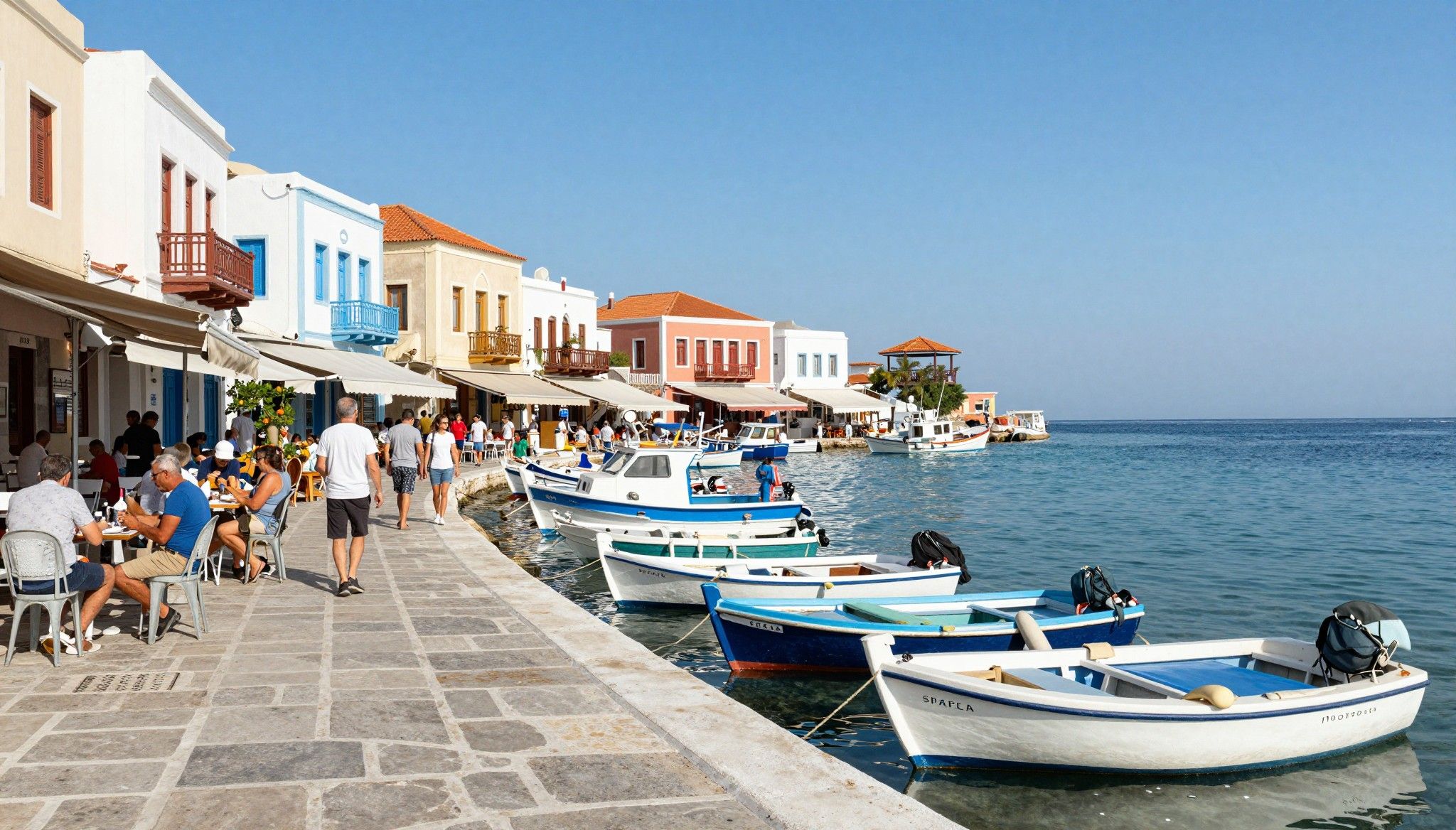
Picture March markets in Paphos where cafes are half full and renovation crews work through weekdays — contrast that with July, when beachfront terraces overflow and property managers rotate guests every three to five days. Cyprus exceeded four million tourist arrivals in 2024, so short‑let demand is real — but concentrated in months and places. That concentration is a double‑edged sword for yields: high headline rent during season, and higher vacancy/management overhead outside it. (See Cystat tourism report.)
- Market textures that shape lifestyle and returns:
- Limassol: corporate rentals, premium sqm prices, strong summer short‑let premiums
- Paphos: heritage tourism, year‑round family rentals, lower price per sqm
- Larnaca: airport connectivity, steady long‑let demand, value entry point
Making the move: when timing beats the postcard
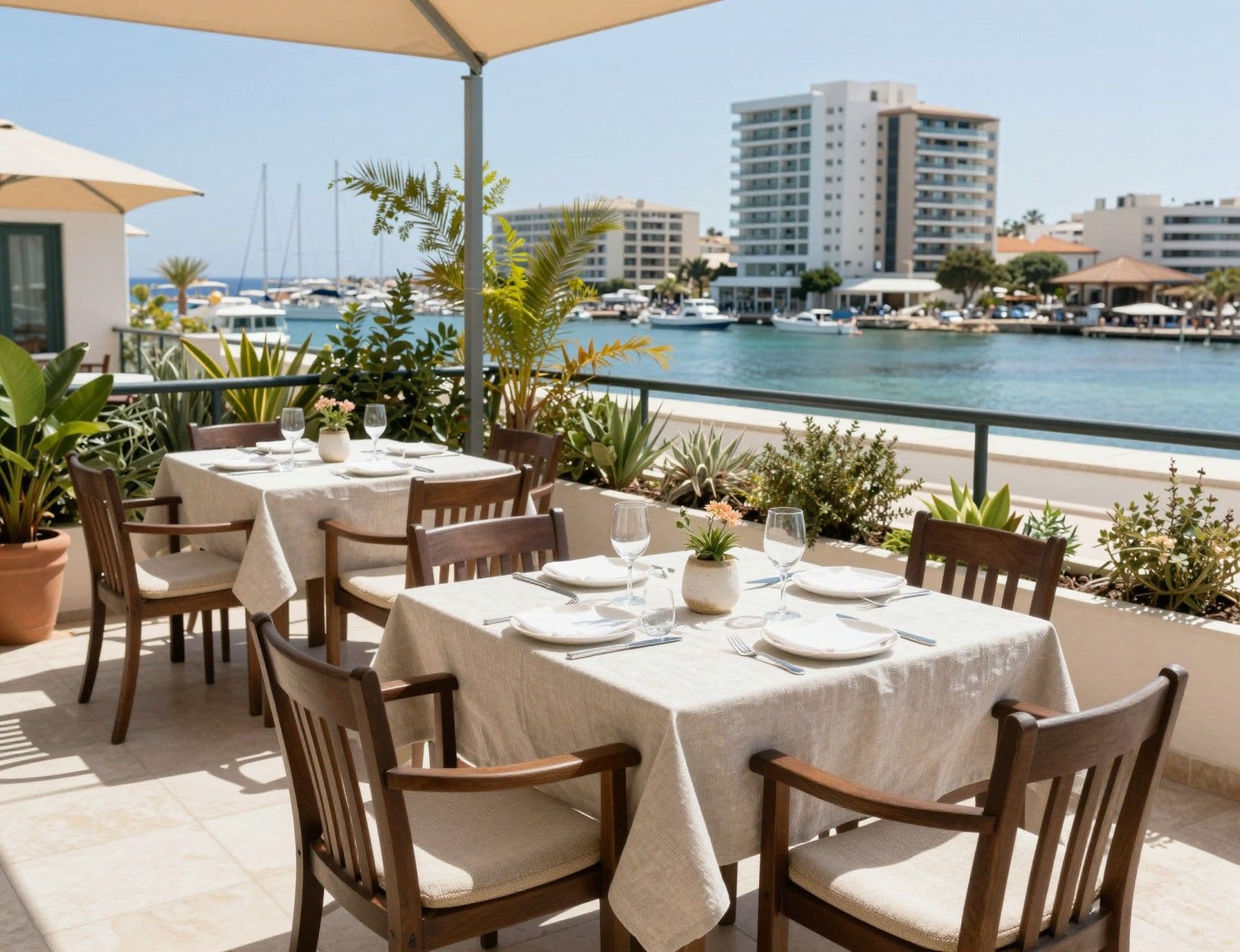
Buyers who treat Cyprus as a single summer island pay a price premium in season. The house price index shows quarterly rhythm in listings, and price growth has been concentrated in coastal hotspots. Buying in quieter months (winter/spring) can reduce competition, reveal maintenance issues, and improve negotiation leverage — all of which materially affect net yields after acquisition costs.
Property types and how they live as investments
Apartments near the coast capture short‑let premiums but require active management and higher capex for turnover. Townhouses and villas command steadier long‑term rents and attract families or corporate relocations, lowering vacancy risk. Older stone village houses offer low entry price and renovation upside but longer hold periods and limited rental demand outside niche markets.
How local experts turn lifestyle briefs into yield models
Work with agents who model seasonality into cashflows: monthly occupancy schedules, realistic cleaning/utility costs, and conservative headline-to-net rent conversion. In Cyprus that means asking for 12‑month rental rollups, historic occupancy by month, and proof of repeat bookings for short‑lets. Good agents also map neighborhood demand drivers — school catchments, marina openings, or planned infrastructure — into five‑year yield scenarios.
- Steps to compare lifestyle vs. yield (practical checklist):
- Request month-by-month historical occupancy and cleaning costs to build a seasonal cashflow model.
- Benchmark price/sqm against city averages and adjust for waterfront or heritage premiums.
- Stress-test yields with 20–30% off‑season vacancy and higher management fees for short‑lets.
Insider knowledge: what expats wish they'd known
Beyond rent and prices, Cyprus faces infrastructure constraints — water stress, road bottlenecks in summer, and pressure on utility systems — that increase operating costs for landlords. An AP feature on the country’s water plans underscores how operational risks can reprice net returns and why infrastructure due diligence matters as much as interior condition when modelling long‑term yields.
Cultural and practical quirks that affect daily life
Cyprus moves at a Mediterranean pace: shops close midday, community ties are strong, and property renovations commonly require approvals that add time. Language is widely English-friendly in urban and tourist zones, but local processes — permitting, notarised translation of documents, and municipal fees — all affect transaction timing and carrying costs.
Long-term lifestyle outlook for owners
Think five years: infrastructure projects, tourism diversification efforts, and residency or tax incentives can shift tenant profiles and capital values. For example, stronger year‑round tourism and airport connectivity raise baseline occupancy and reduce seasonal volatility — altering the risk premium you need to demand at purchase.
- Red flags to surface before you sign:
- No month-by-month occupancy history for short‑let properties
- Unclear water or utility upgrade liabilities on coastal developments
- Sales price benchmarked only to summer comparables (inflated comps)
When you pair the lived experience — long terraces, late dinners, neighborhood coffee rituals — with robust cashflow modelling, the result is a purchase decision that feels both romantic and rational. In Cyprus, winter viewings reveal maintenance issues, owner motivation, and negotiation space that seasonal buyers rarely see.
Conclusion: think seasonality first. Use winter viewings to buy with leverage, demand month‑by‑month performance data, and model water/infrastructure overheads into net yields. If you do, Cyprus shifts from an emotionally priced postcard to a diversified income market where timing and operational diligence create measurable upside.
British expat who moved to the Algarve in 2014. Specializes in portfolio-focused analysis, yields, and tax planning for UK buyers investing abroad.