Why Croatia’s Coastal Hype Masks Year‑Round Opportunity
Croatia’s summer fame hides year‑round investment pockets — prioritise micro‑location, seasonality stress tests, and local expertise to protect yields.
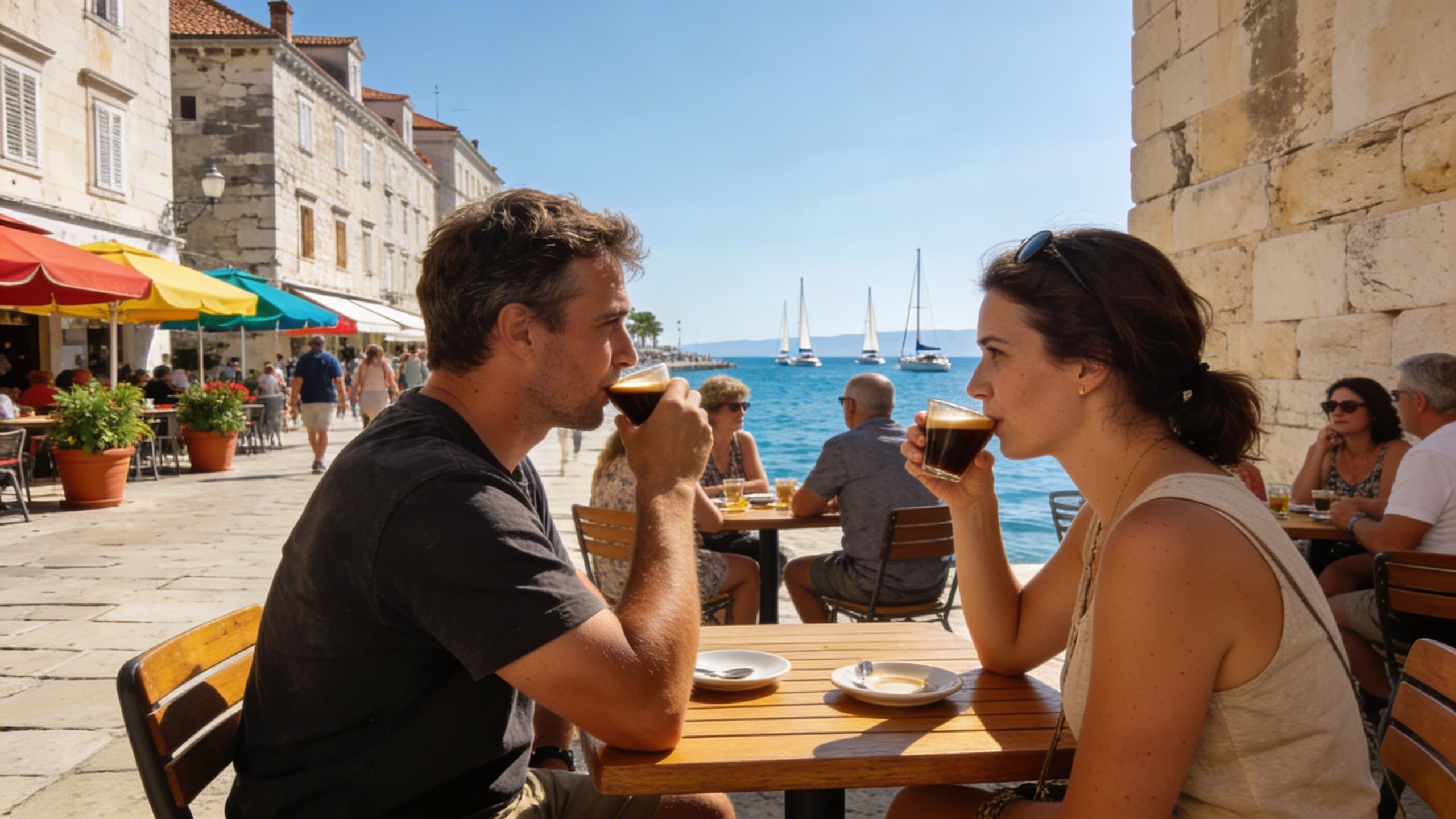
Imagine waking to espresso steam on a narrow stone street in Split, then swapping salt air for a late‑afternoon market in Zagreb. Croatia’s rhythm is split between Adriatic summer spectacle and quiet, lived‑in winters — and that split is the hidden source of investment opportunity many buyers miss.
Living Croatia: more than postcard summers
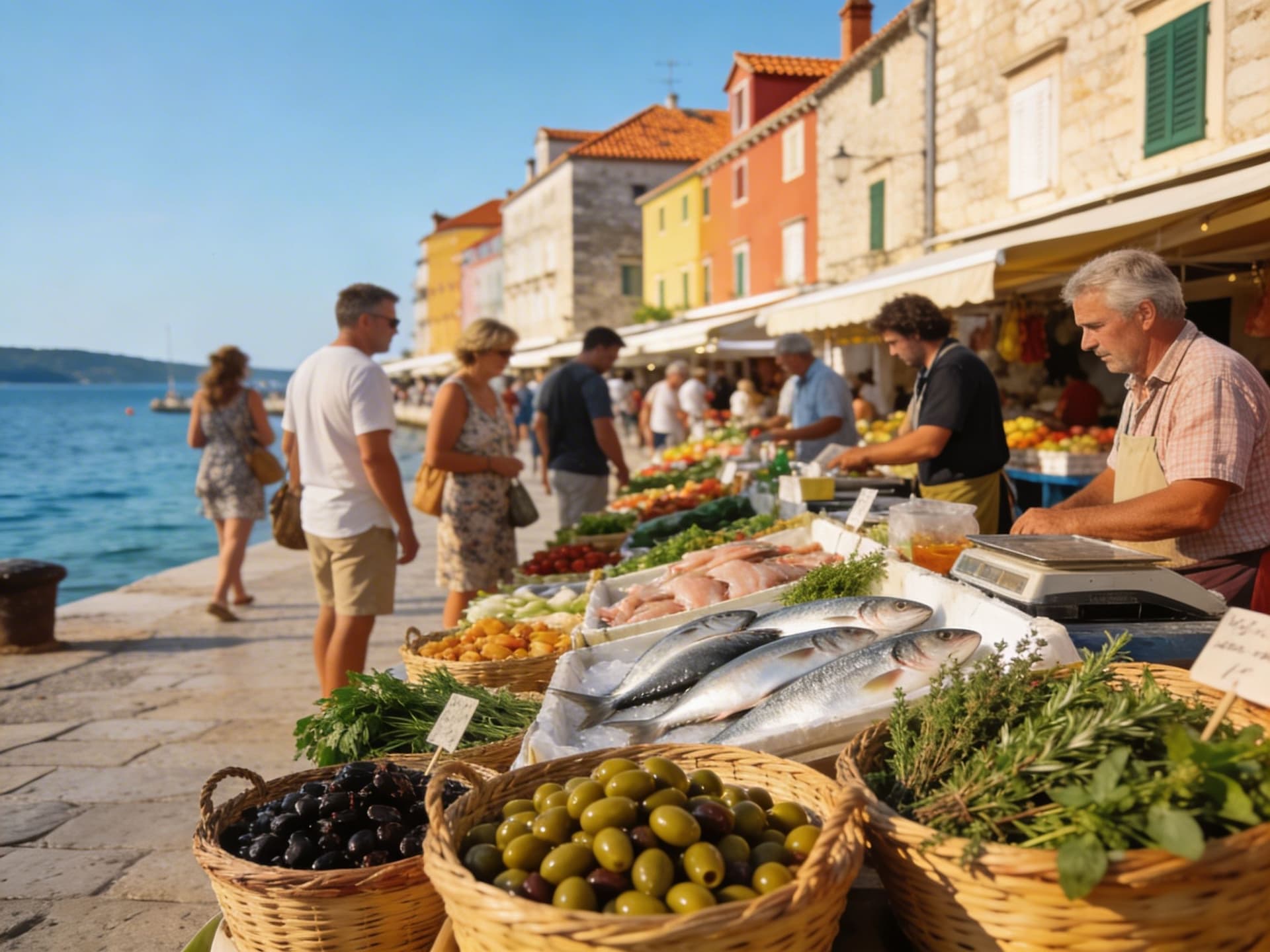
Daily life in Croatia moves at a measured Mediterranean cadence: morning markets, espresso breaks, late dinners and coastal weekends. Tourism is intense — over 20 million arrivals in 2023 — but most of the country is quietly year‑round, with distinct neighborhood personalities that matter for sustainable rental demand. (See national tourism data.)
Coastal rhythm: Split, Dubrovnik, Hvar
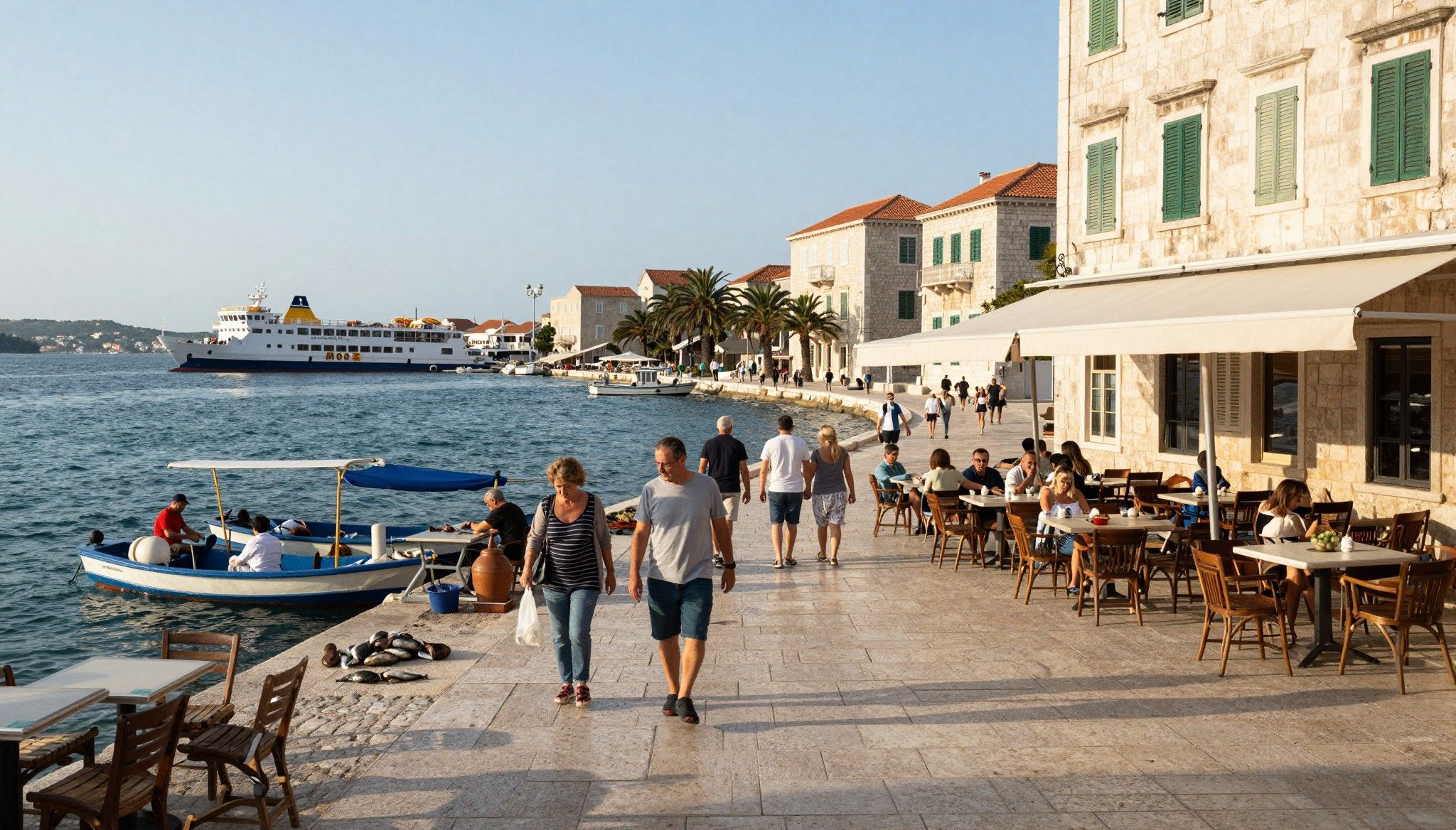
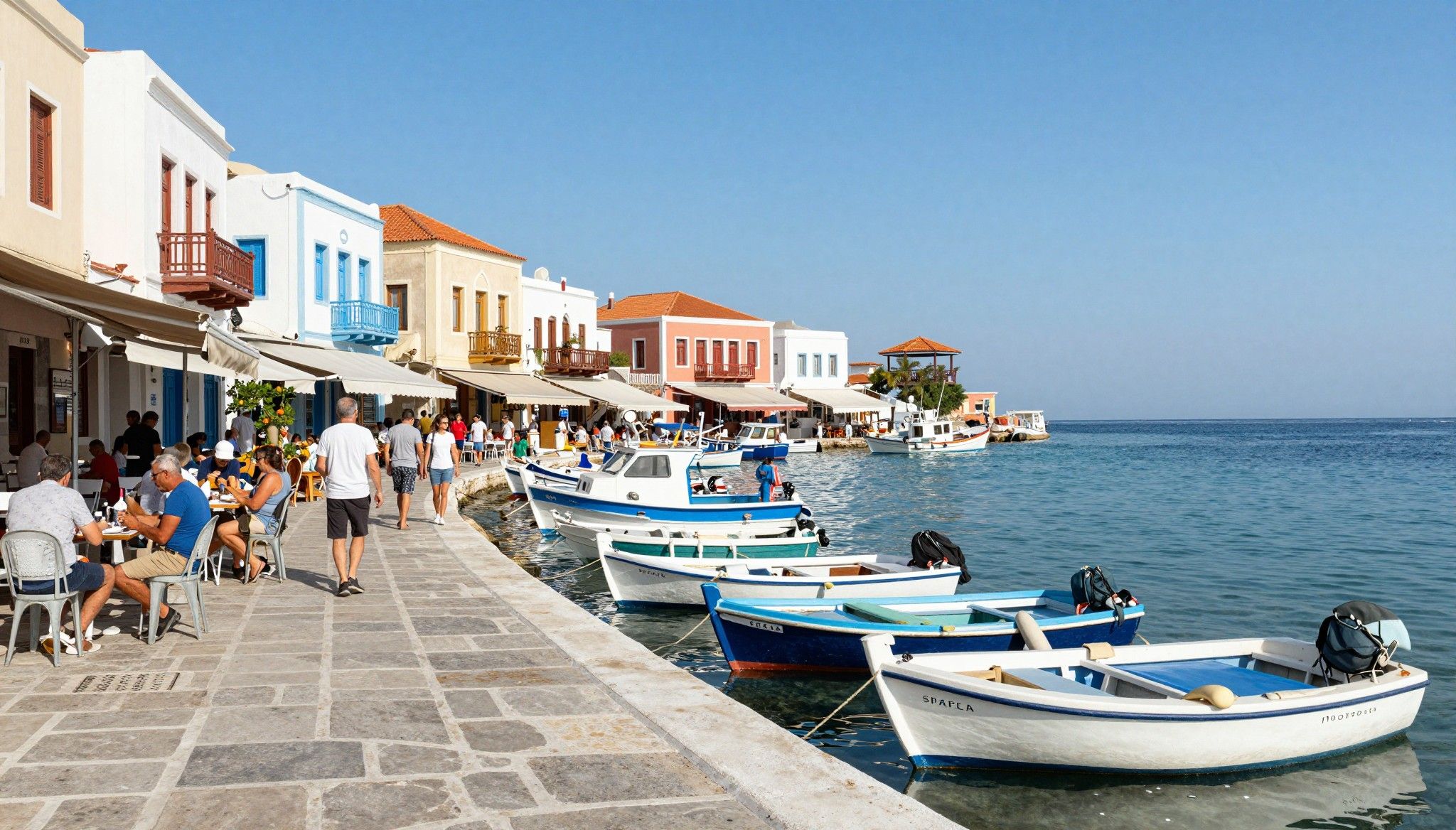
On the Dalmatian coast the day begins with fishermen’s calls and ends with terrace conversations. Split’s Veli Varoš and Bačvice offer a local mix of renters and residents; Dubrovnik’s Old Town is high‑premium but seasonally skewed; Hvar’s harbourfront trades year‑round scarcity for strong peak rents. These micro‑rhythms create different yield and vacancy profiles.
Continental life: Zagreb, Istria and inland calm
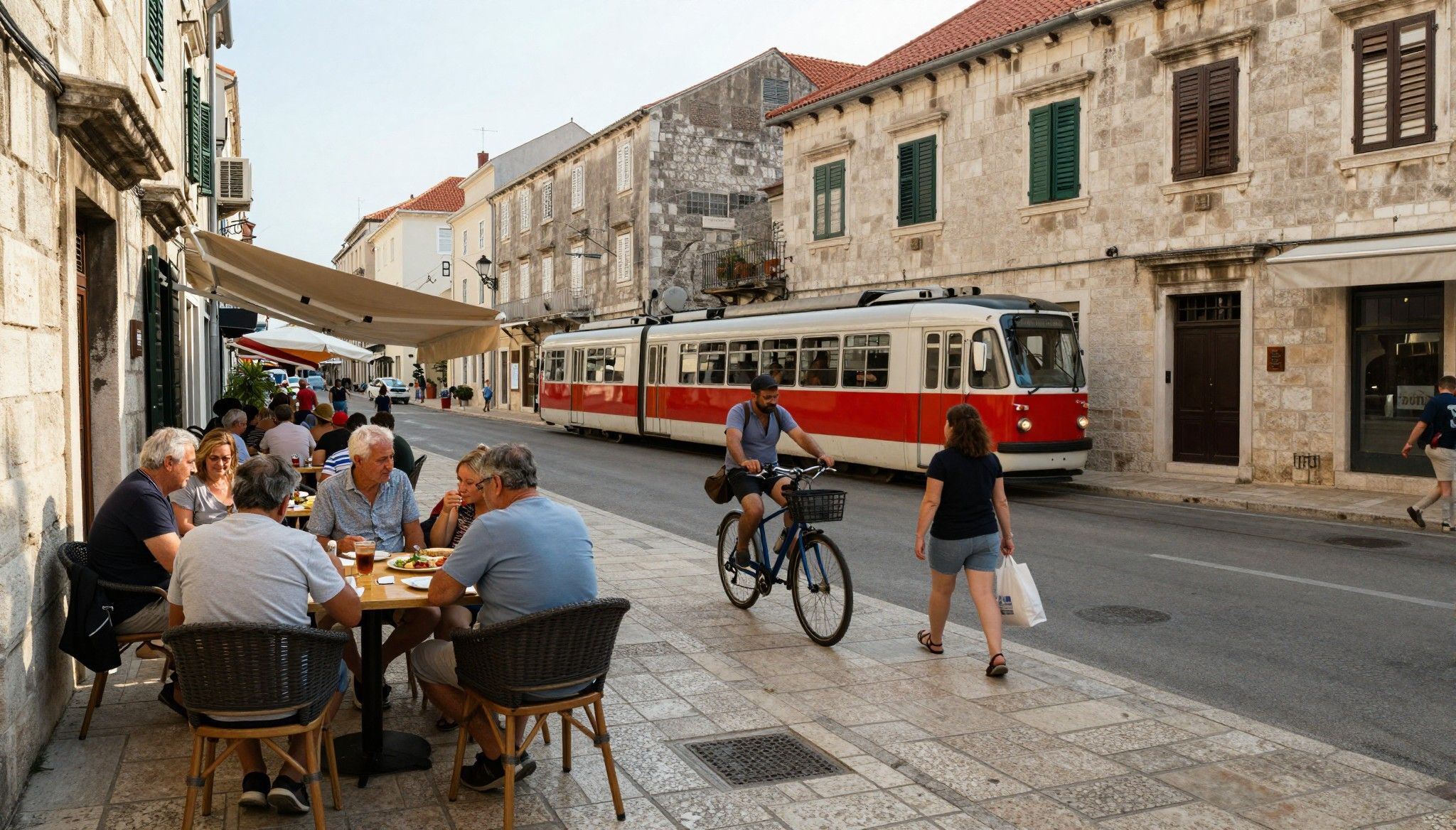
Zagreb’s neighborhoods — Gornji Grad, Maksimir, Trešnjevka — feel like small European cities: stable rental markets, commuter demand, and less seasonality than the coast. Istria (Rovinj, Pula) blends tourism with local professionals and offers more consistent year‑round occupancy. Price growth has been rapid: asking prices per sqm rose strongly in 2022–24, but regional patterns differ.
- Lifestyle highlights
- Morning fish markets in Split’s Green Market (Hvar and Brač nearby for weekend escapes).
- Coastal promenades: Riva in Split, Pola waterfront in Rovinj for daily walks and café culture.
- Continental festivals: Zagreb’s Advent and museum season that sustain off‑peak footfall.
Making the move: marry lifestyle with market metrics
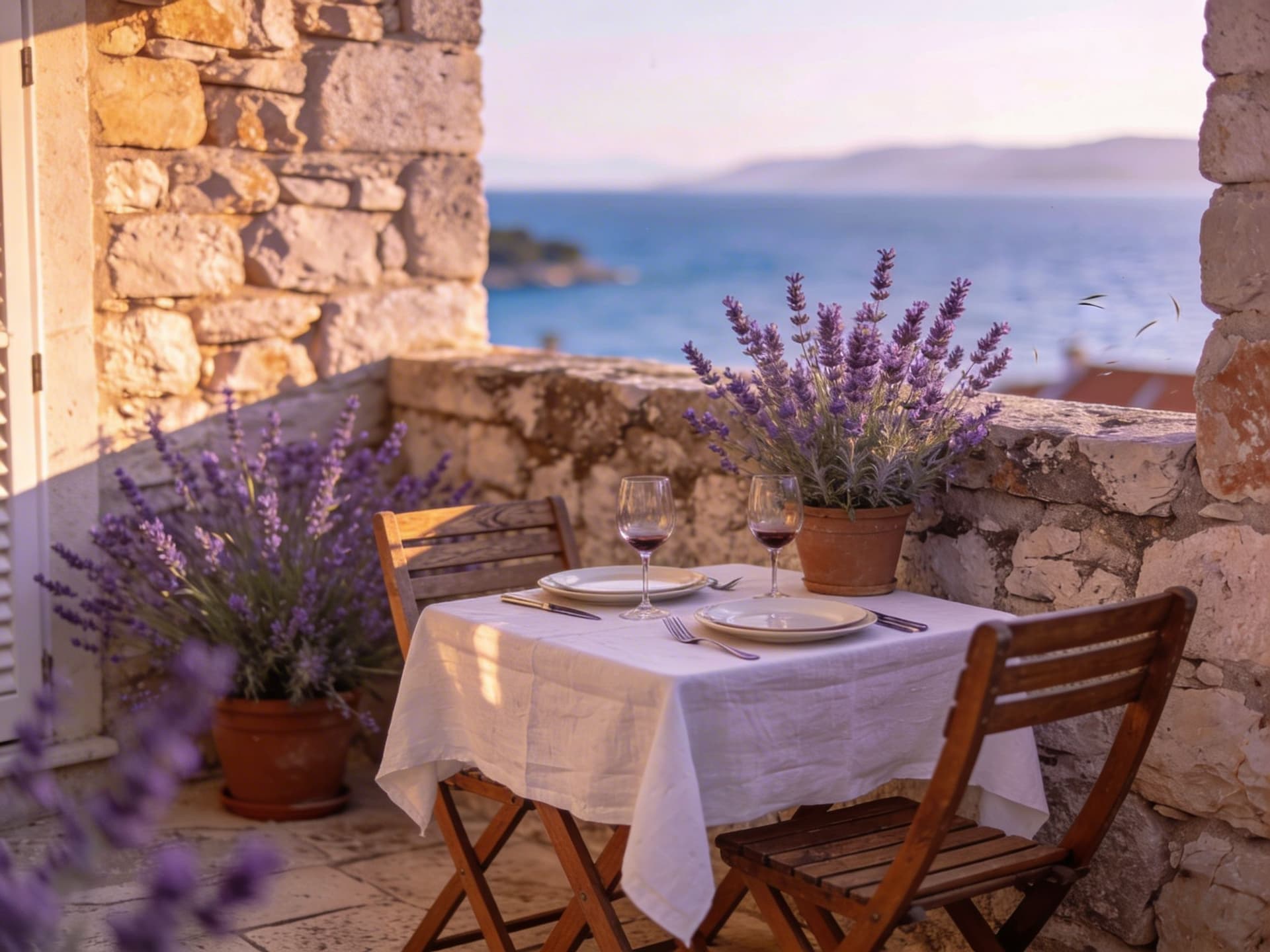
The emotional draw — sea, sun, food — must be tested against three measurable realities: price per square metre, effective rental yield, and seasonality‑adjusted occupancy. National tourism growth supports seasonal rent upside, but rising asking prices mean you must stress‑test yields using conservative occupancy assumptions.
Property types and how they perform
Historic stone apartments near old towns command high per‑sqm prices but often see compressed off‑season rents and higher maintenance costs. Modern apartments in Zagreb or purpose‑built blocks in Pula/Istria deliver steadier long‑let income and lower vacancy risk. Villas on islands can earn premium peak rates but require hands‑on management and contingency for months of low demand.
How local experts shift outcomes
Four practical steps local agents and managers add to your lifestyle brief and protect returns:
- 1. Match micro‑neighbourhood to tenant profile (students, digital nomads, families, seasonal tourists).
- 2. Run a seasonality stress test: base-case 40–50% occupancy for tourist apartments; 70–85% for long‑let city flats.
- 3. Include management and maintenance at 15–25% of gross rental income for holiday properties; lower (8–12%) for long lets.
- 4. Verify local supply dynamics: new tourist developments raise competition; heritage zones limit rebuild options and support premium pricing.
Insider knowledge: what expats wish they’d known
Expats repeatedly tell the same story: the lifestyle is addictive, but operational realities change the return profile. Strong local networks, realistic expectations about service seasons, and an eye for micro‑location separate satisfied owners from disappointed buyers.
Cultural and seasonal realities
Local wages are lower than many buyer countries and domestic demand is strong — a factor pushing younger Croatians to stay longer with family and tightening long‑let supply in cities. This dynamic supports long‑term rental rates in urban areas but also increases political sensitivity around tourist‑led property conversion.
Long‑term lifestyle and capital‑value view
Expect capital appreciation concentrated in constrained coastal heritage zones and well‑connected continental centres. For income investors, prioritise steadier city long‑lets or premium off‑season locations in Istria over headline‑grabbing island villas unless you can absorb management and vacancy volatility.
- Red flags to watch
- Unsupported peak‑only income projections lacking seasonality adjustments.
- High asking price per sqm in small heritage units with large ongoing maintenance obligations.
- Overreliance on short‑lets where local regulations or community pressure can tighten rules rapidly.
- Ignoring transport links — ferry frequency, airport connectivity and road upgrades directly affect off‑season marketability.
Conclusion: fall for the life, buy with the cycle in mind. Croatia delivers an intoxicating lifestyle and durable long‑term opportunities — but success depends on matching micro‑location to income strategy, stress‑testing seasonal demand, and using local expertise to convert lifestyle appeal into reliable returns.
Dutch investment strategist who built a practice assisting 200+ Dutch clients find Spanish assets, with emphasis on cap rates and due diligence.