Croatia: Where Seasonality Masks Steady Yield Pockets
Croatia’s seasonality hides year‑round yield pockets — match micro‑markets to tenant types, prioritise connectivity and realistic vacancy modelling for steady returns.
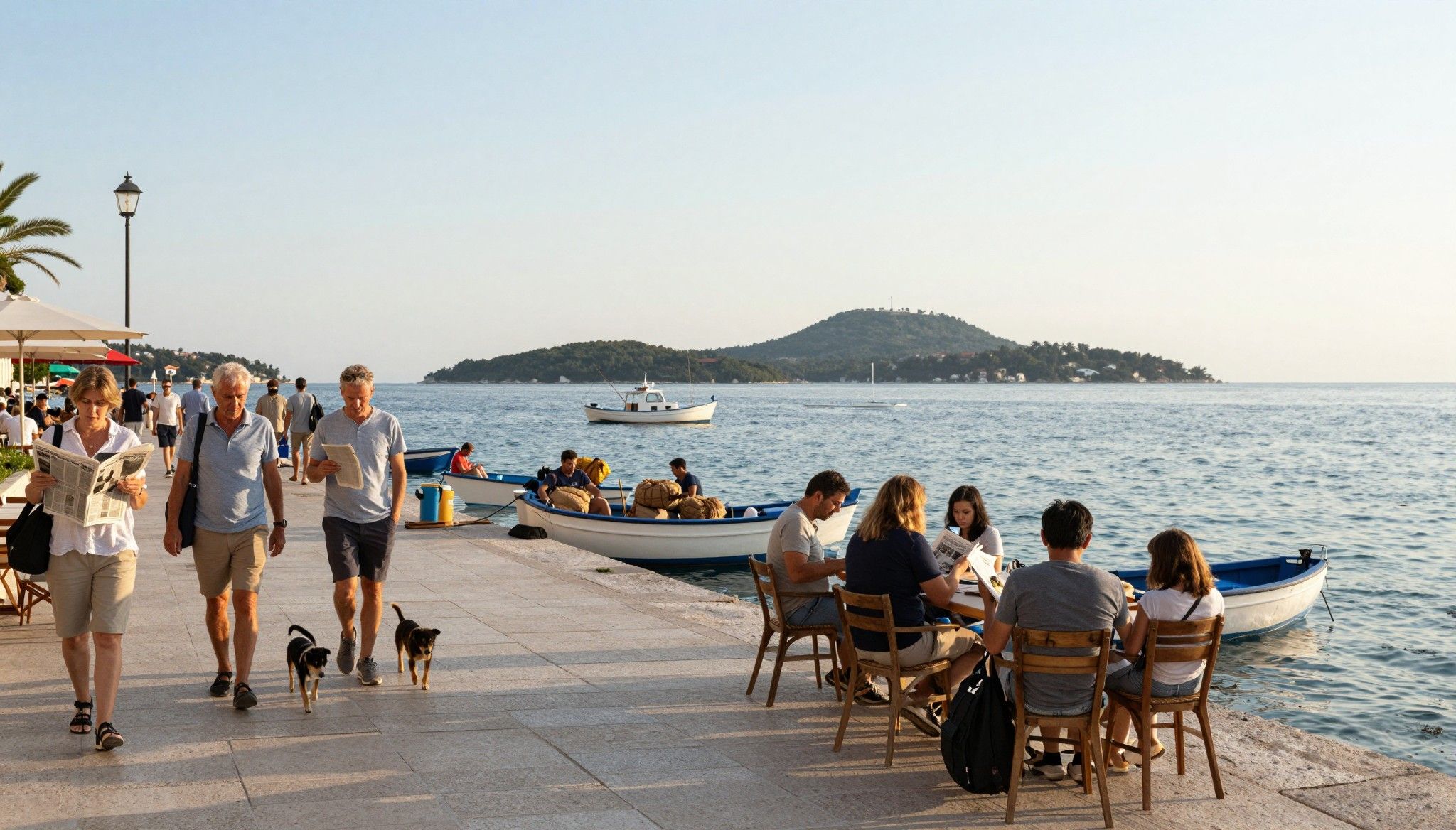
Imagine sipping an espresso on Zagreb’s Tkalčićeva at 9am, taking a ferry from Split at noon and ending the day at a konoba in Istria — all in the same week. Croatia reads like a collection of micro-seasons: bustling coastal summers, quiet island winters, and steady urban demand in cities like Zagreb. That patchwork rhythm shapes property returns in ways headline ‘seasonal’ narratives miss. Recent analysis shows tourism is increasingly year-round, and that matters for rental yield, vacancy risk and price resilience.
Living the Croatian rhythm
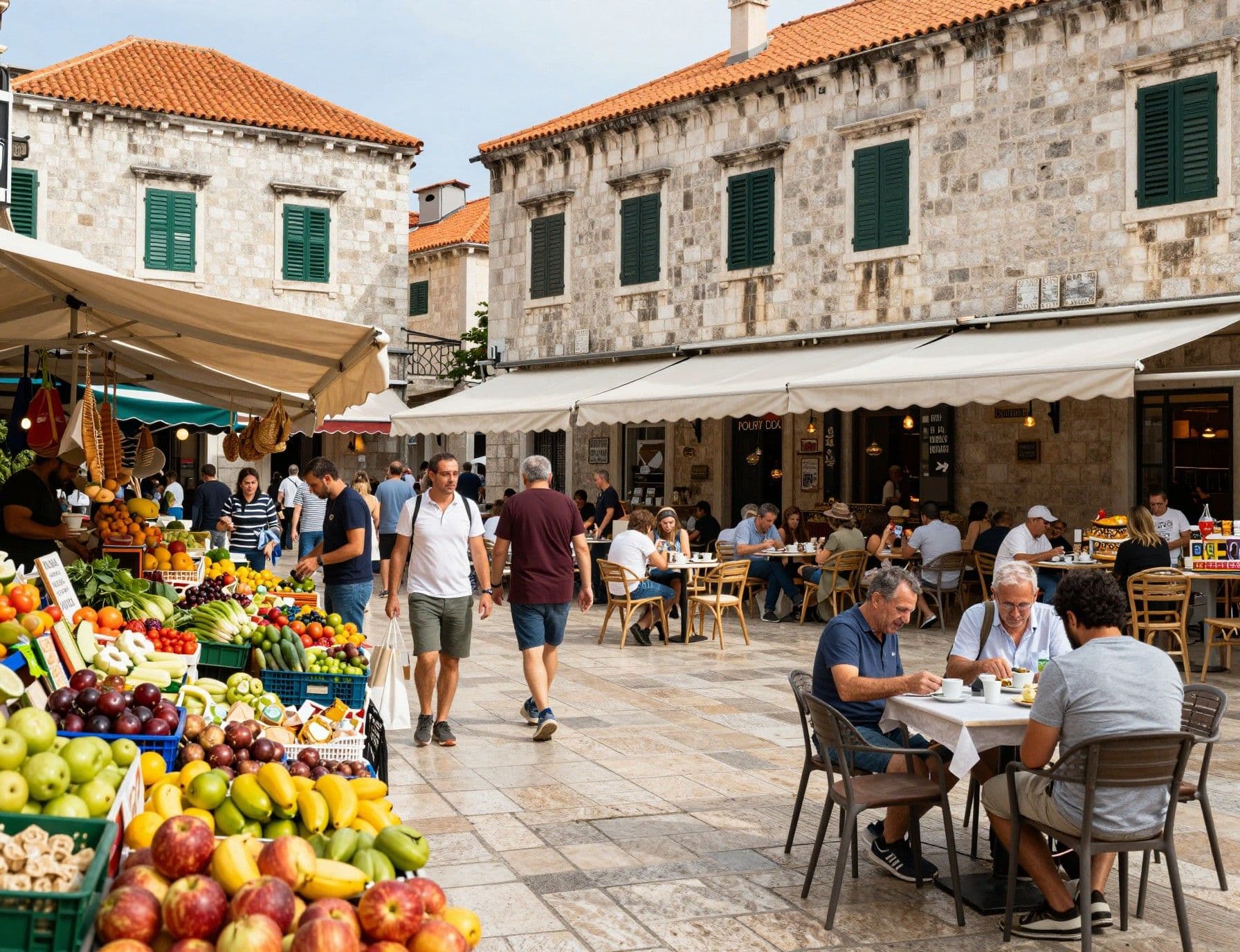
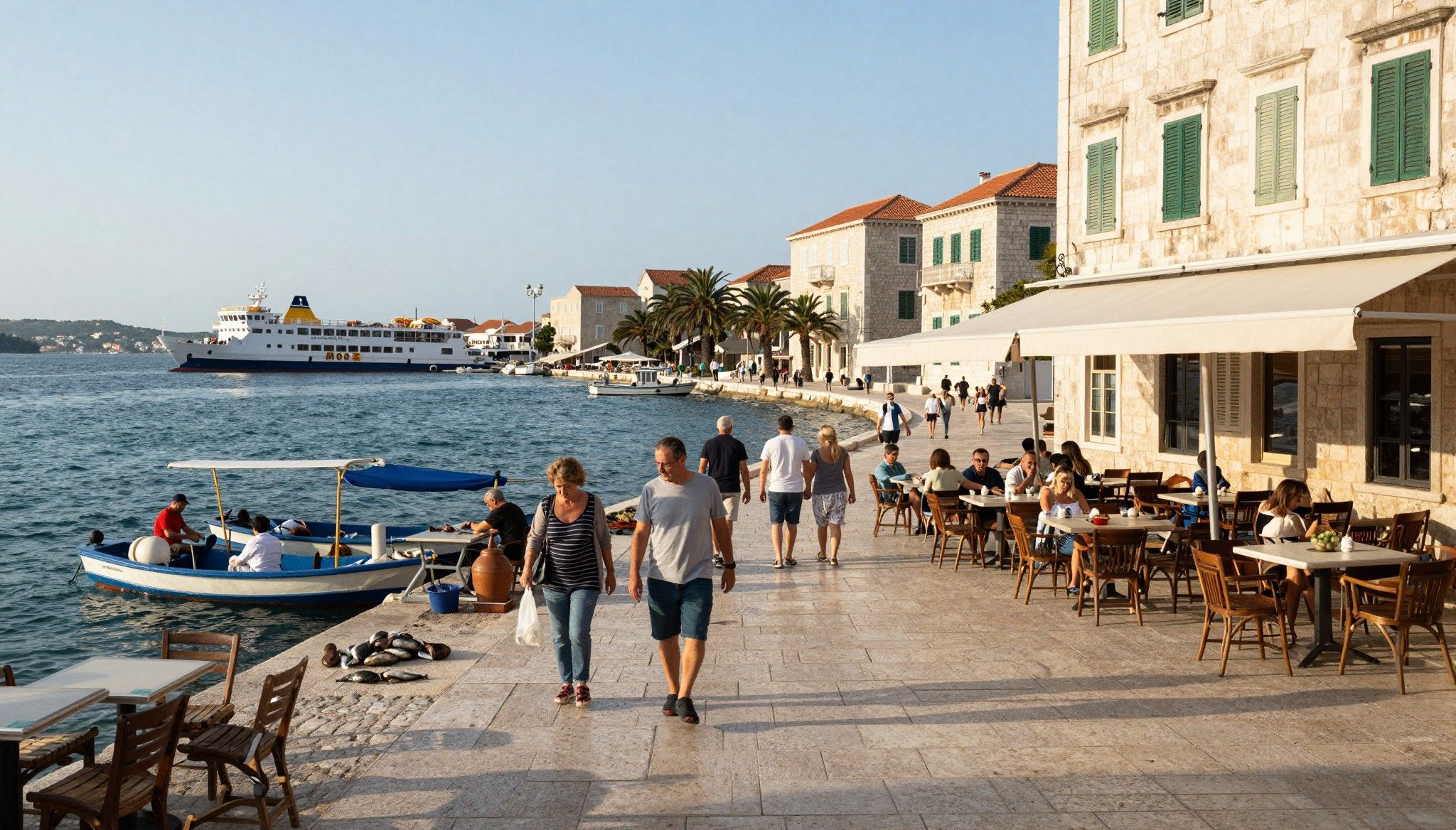
Daily life in Croatia balances old‑town textures and pragmatic modernity. In Dubrovnik’s Ploče and Lapad areas you’ll find late‑morning markets, family-run konobas and a tourist pulse that spikes in July–August. In Zagreb’s Maksimir or the residential neighbourhoods near Britanski trg, mornings are for espresso and papers, afternoons for co‑working cafes and local children’s sports. Istria’s hill towns (Motovun, Grožnjan) trade crowds for year-round gastronomy tourism; Split mixes a working port, a university population and a short‑let economy that supports consistent mid-season demand. These different rhythms are what make Croatian property attractive to investors who segment risk by micro‑market rather than national seasonality.
Neighborhood spotlight: Split — Port life, students and short lets
Walk from the Riva through Varoš and you’ll see why Split is a blend of tourist spikes and steady local demand. The university and ferry connections create shoulder‑season renters: Erasmus students, seasonal maritime workers and digital nomads. That mix supports 7–9 month effective occupancy for well‑priced apartments near the centre — rarely a pure 2‑month summer play. Agents who understand tenant segmentation can convert seasonal peaks into a higher effective annual yield.
Food, markets and daily routines: How lifestyle drives choice
Markets are where lifestyle and rental demand meet: Dolac in Zagreb, Pazar in Split and Rijeka’s Korzo reveal the rhythm of shopping, dining and social life. Properties a short walk from weekly markets or a popular konoba attract longer stays from families and repeat visitors. In practice, proximity to everyday amenities often adds more to net yield than a sea view that rents only in July and August. Think tenant convenience over postcard charm when assessing long‑term returns.
Making the move: market facts that contradict the seasonality myth
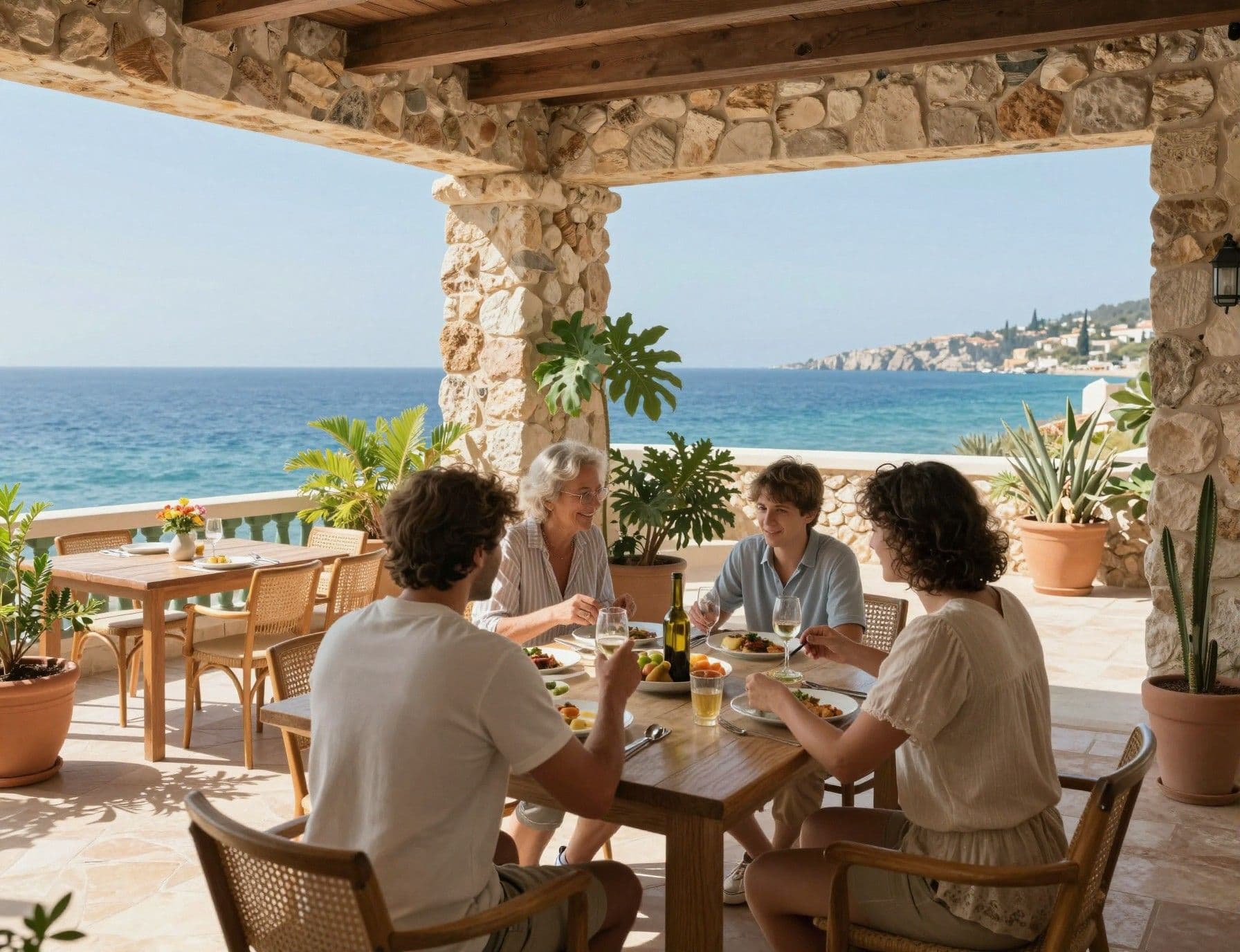
Two data points flip the common script: first, Croatia’s tourism footprint expanded beyond the summer months after Euro and Schengen integration; second, urban rental demand shows measurable stability. The Croatian Bureau of Statistics and OECD report rising arrivals extending into spring and autumn, which lowers vacancy risk for well‑placed assets. For investors, the takeaway is clear: price per square metre and effective occupancy — not calendar months — determine yield. Combine tourist statistics with local rental listings to model realistic annual income.
Property styles and what they actually earn
Croatia’s stock splits between historic stone houses, mid‑century apartments and new builds along the coast. Historic apartments near city centres often command higher per‑sqm prices but deliver consistent mid‑season and long‑term rentals. Coastal stone houses can offer high peak‑season revenue but suffer longer vacancy in winter unless positioned for long stays. New builds in Zagreb and Rijeka target year‑round tenants and often offer better operational efficiency and lower maintenance budgets — factors that improve net yield.
Work with local experts who know lifestyle-driven yield (step by step)
1. Start with micro‑market segmentation: list three target towns and map amenities within 800 metres. 2. Request historical occupancy and pricing for similar listings; cross‑check with tourist seasonality data. 3. Model net yield including realistic vacancy (10–25% depending on market) and maintenance (2–4% of capital). 4. Insist on agency-provided references for property managers and short‑let platforms. 5. Build a renovation buffer — many coastal stone homes need 8–15% of purchase price to become rental‑ready. 6. Use a local accountant to model tax and reporting implications for foreign owners.
Insider knowledge: what expats wish they'd known
Expat owners repeatedly tell the same story: they fell in love with a postcard view, then learned that tenant convenience, connectivity and utility reliability drove returns. Language is less of a barrier than assumed — municipal offices in Zagreb, Rijeka and Split offer English services and local agents accelerate paperwork. The hidden costs that hurt returns are predictable: modernization of plumbing/electrics in older buildings, registration for short‑let platforms, and seasonal maintenance spikes. Plan for those predictable drains when you calculate net yield.
Cultural cues that affect where you buy
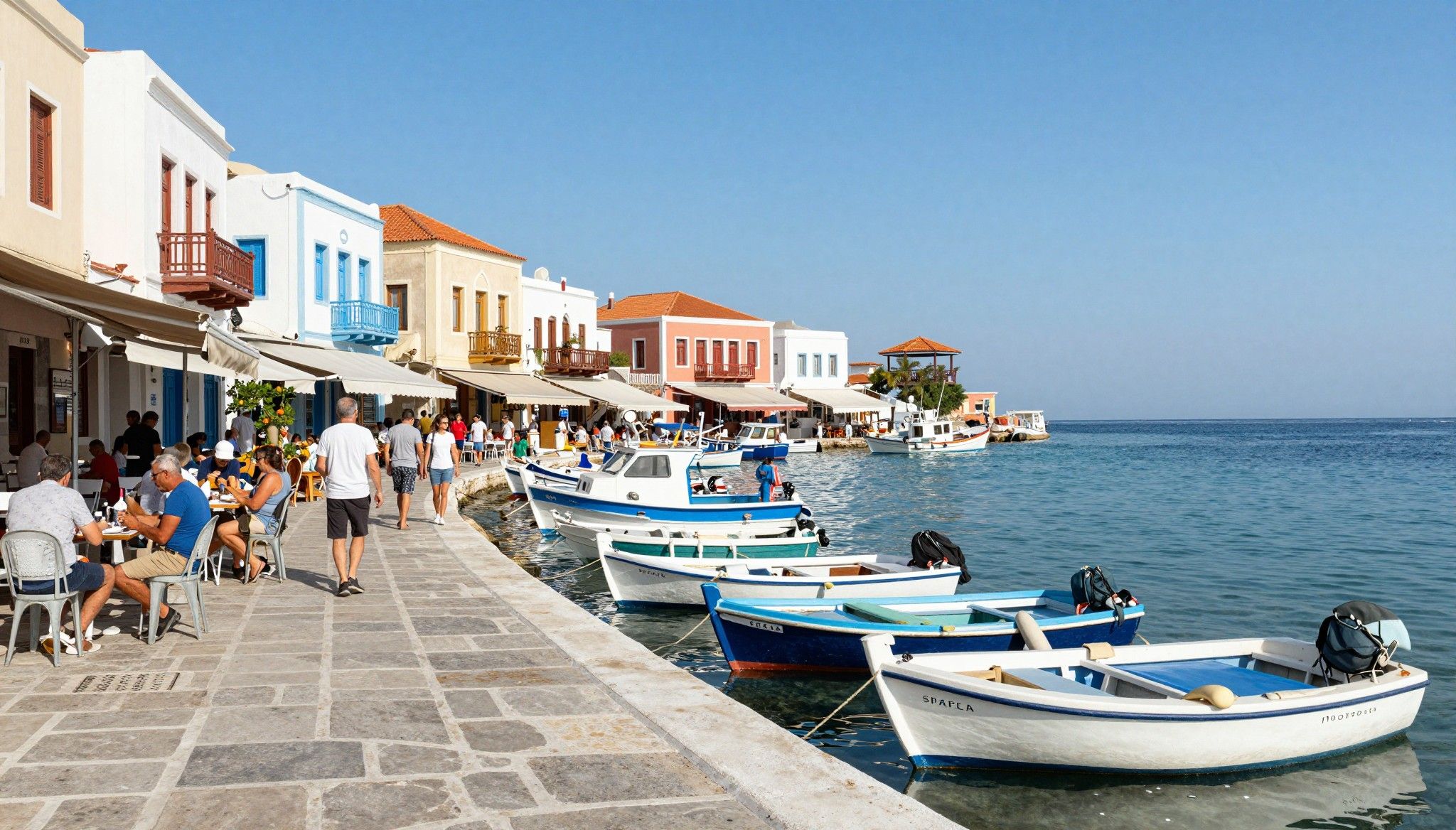
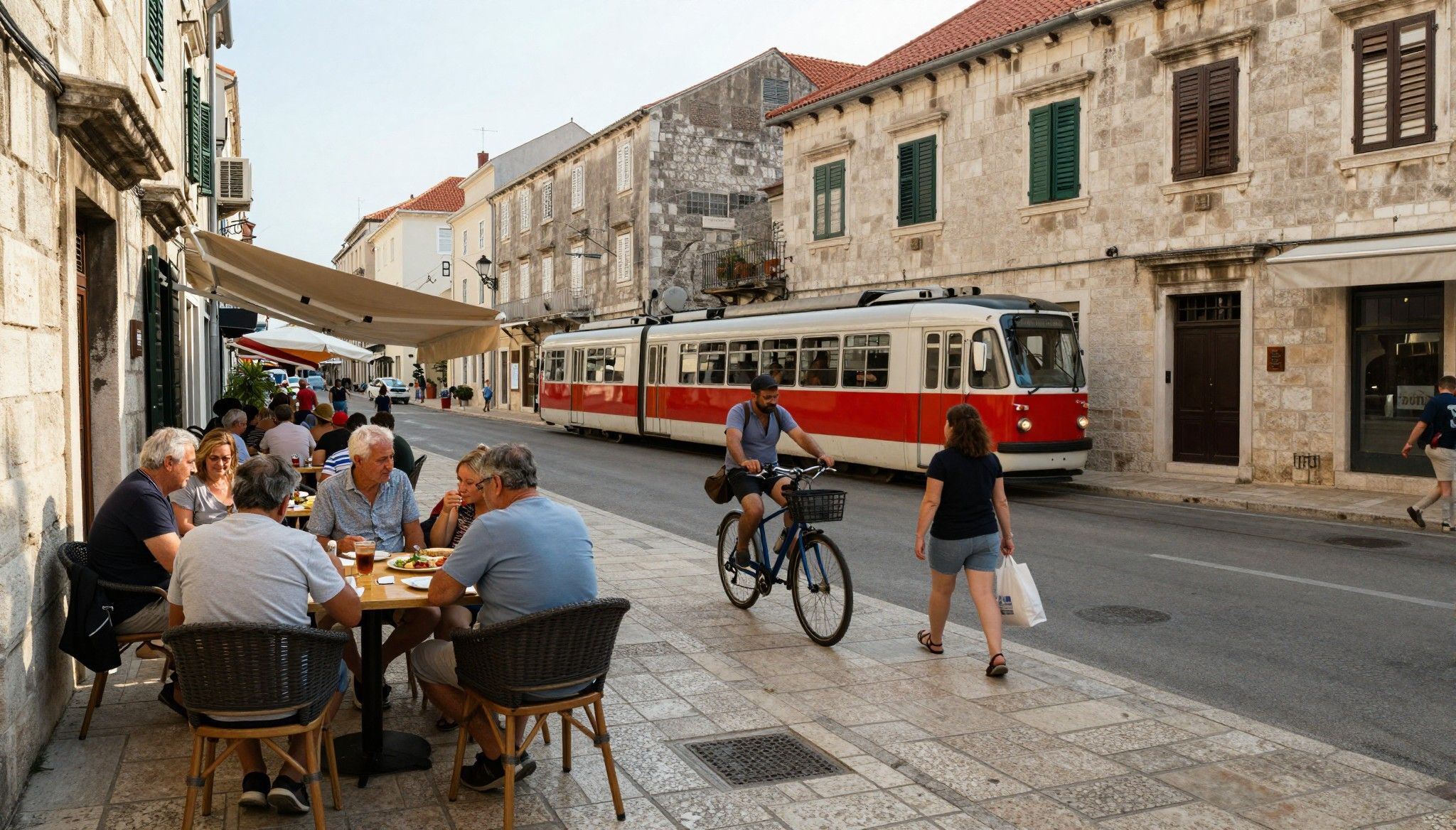
Croatians prioritise proximity to community hubs — markets, small churches, football pitches — which makes neighbourhoods with active public life more resilient for rentals. In coastal towns, look for properties near boat moorings, small markets and bakeries: they attract longer stays. In cities, apartments above family grocers or near tram lines outperform isolated luxury units in yield terms. Think community economics; locals’ routines predict tenant behaviour better than glossy listings.
Long-term lifestyle + market considerations
• Expect gradual capital appreciation tied to infrastructure and tourism diversification rather than sudden speculative spikes. • Monitor local planning: coastal construction moratoria can protect yields by limiting supply. • Prioritise walkable, amenity-rich blocks over isolated luxury properties for lower vacancy. • Use seasonal demand data to smooth cashflow assumptions — Croatia’s shoulder seasons are expanding.
Conclusion: buy the rhythm, not the postcard. Croatia’s markets reward investors who map micro‑seasons to tenant types and prioritise connectivity, services and realistic net yield modelling. Start with municipal tourism and occupation data, verify with local agents and property managers, and budget for refurbishment and seasonal maintenance. If you align lifestyle appeal (walkable markets, good ferries, solid co‑working options) with financial discipline — cap rate modelling, tax compliance, conservative vacancy assumptions — Croatia can be a diversified, resilient asset in an international portfolio.
Norwegian market analyst who relocated from Oslo to Mallorca in 2016, guiding Northern buyers through regulatory risk, currency hedging, and rentability.