When Croatia’s Postcard Season Reprices Yield
Croatia’s postcard coast hides distinct micro‑markets: choose spots where lifestyle demand aligns with year‑round occupancy to protect yield.
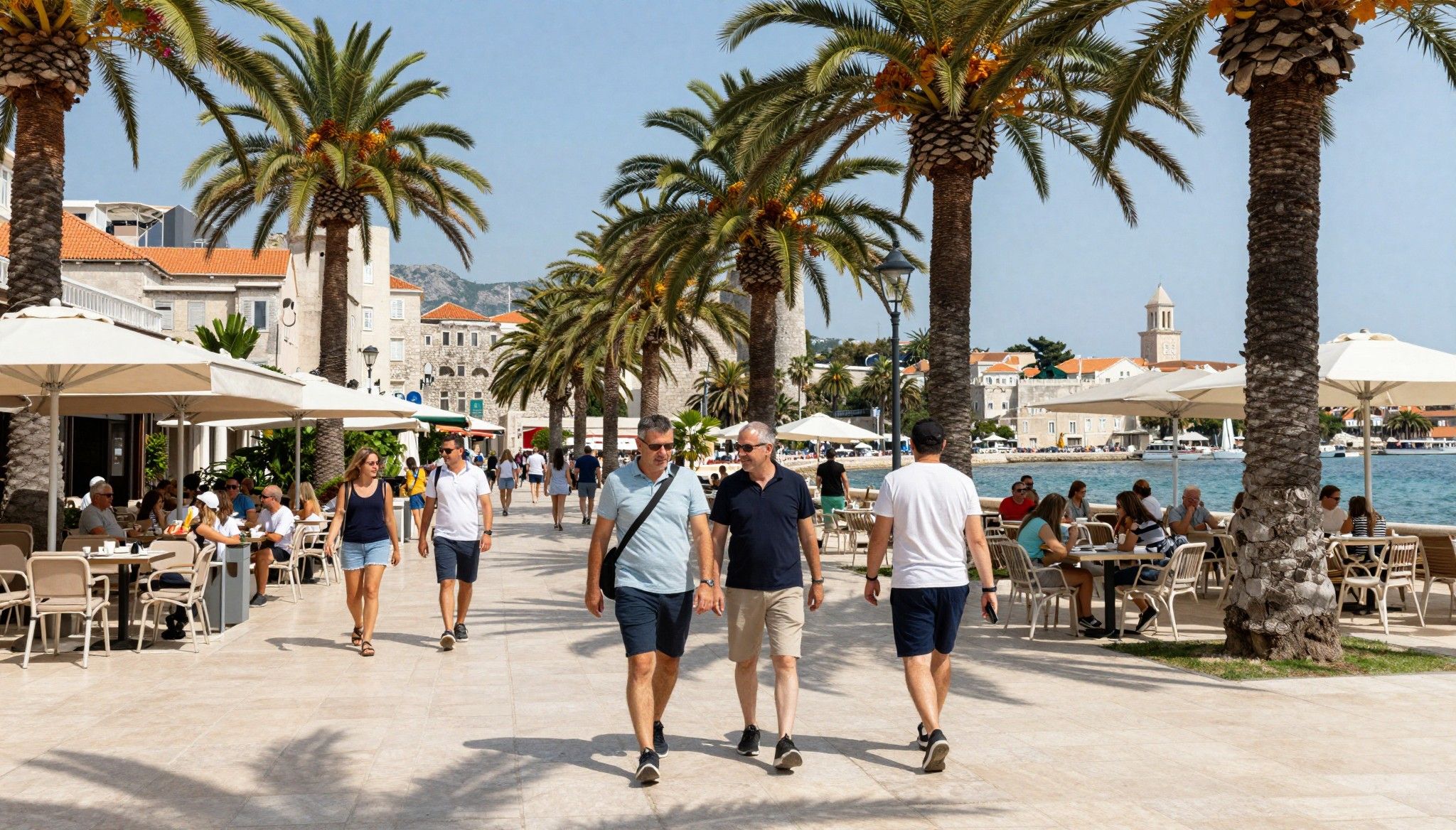
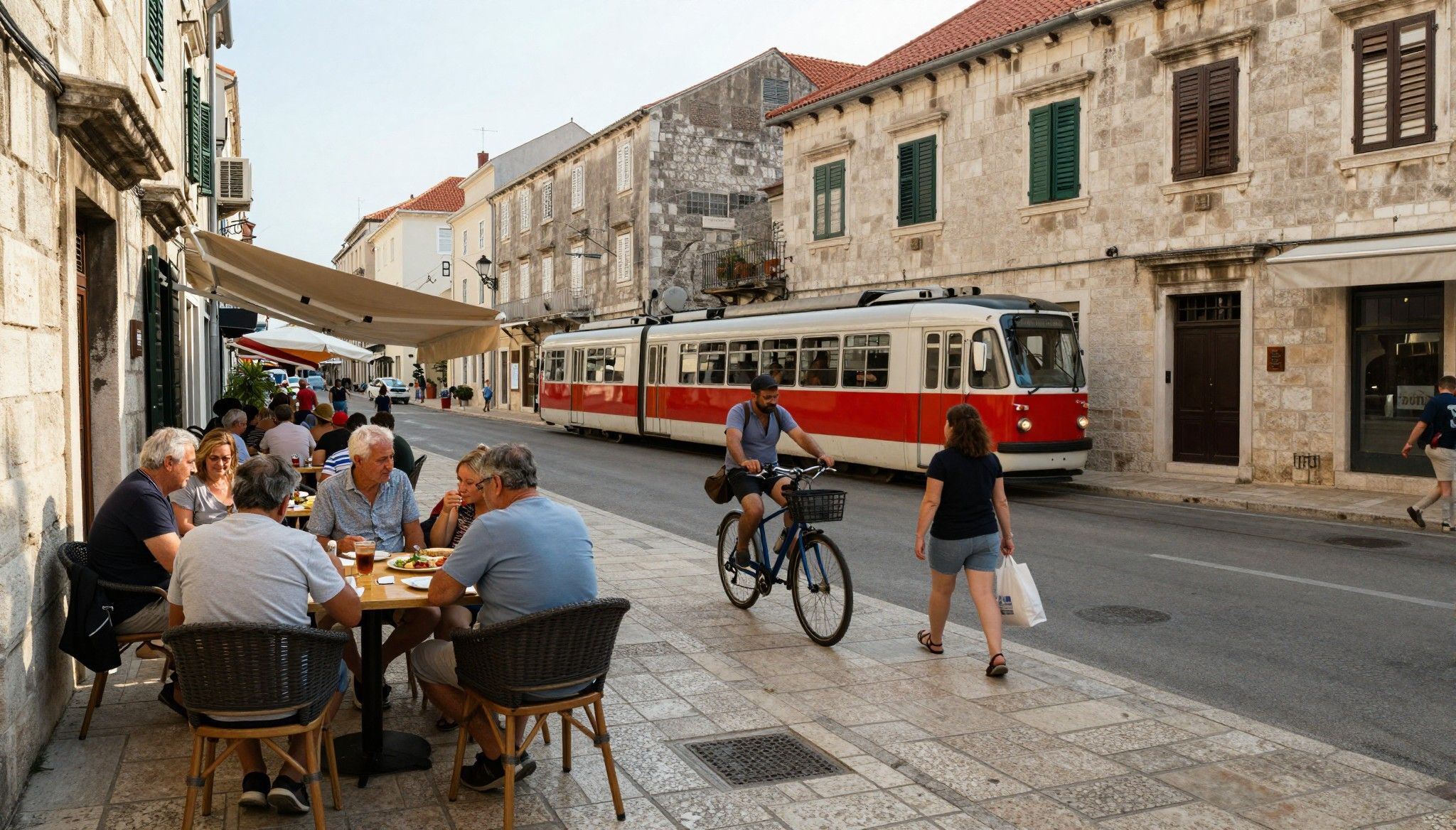
Imagine waking on a narrow stone street in Split, the scent of grilled fish and espresso pulling you toward the Riva. Summer crowds pulse through the old town, but behind the postcard rhythm lies a different, steadier market story that matters to investors. Croatia’s coastal charm sells dreams; the arithmetic of yield and seasonality decides whether that dream pays.
Living the Croatia lifestyle — more than sun and sea
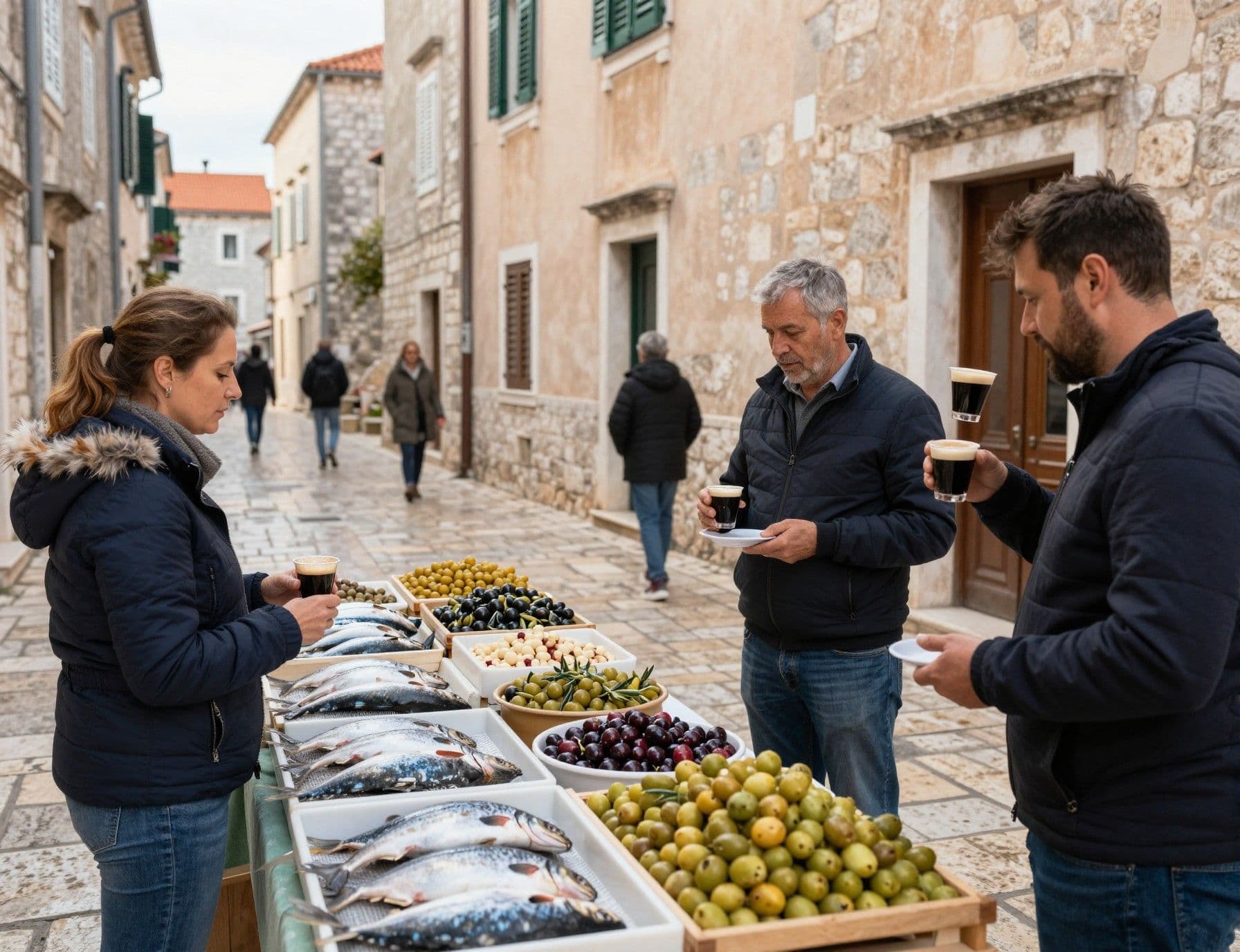
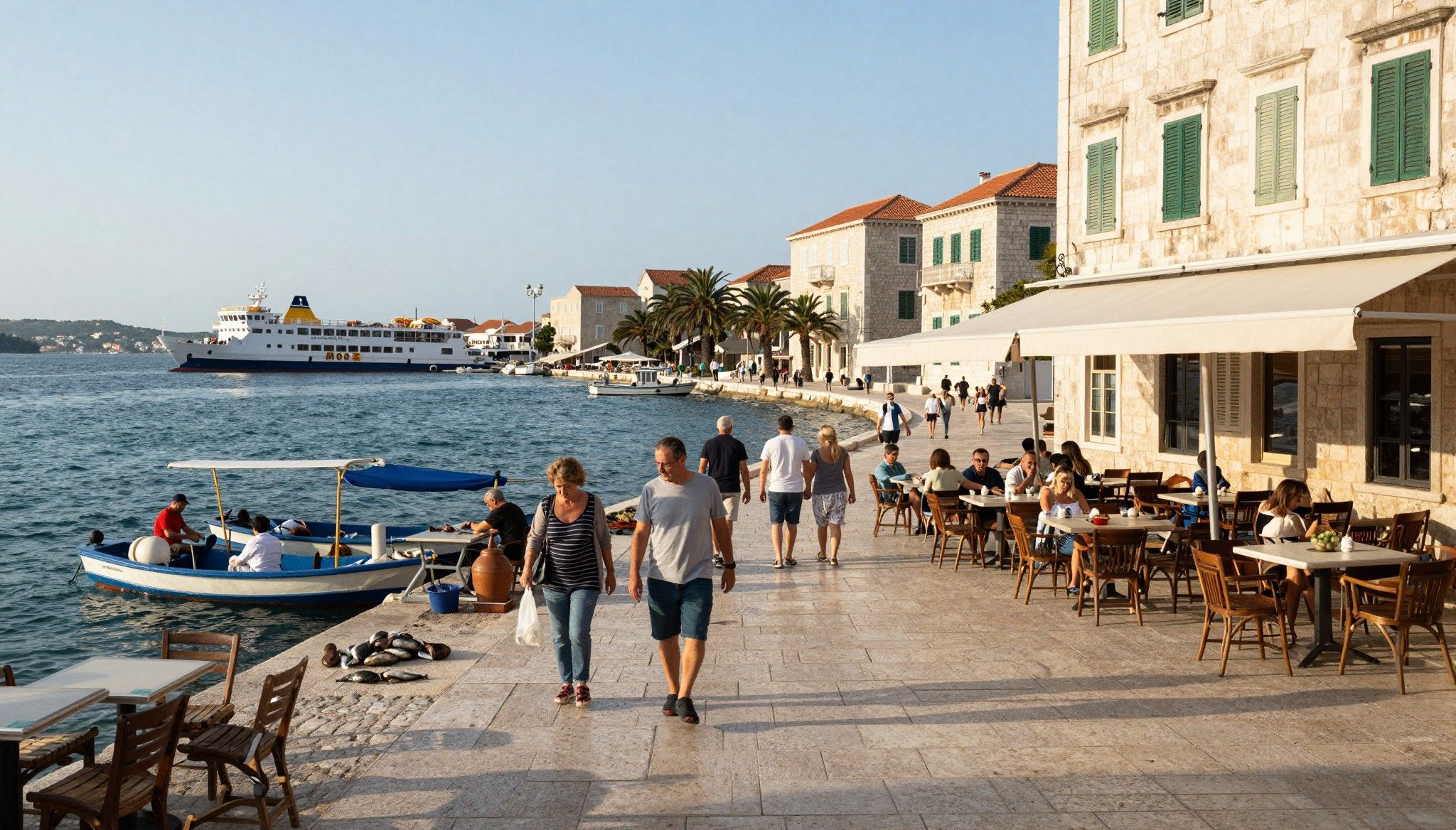
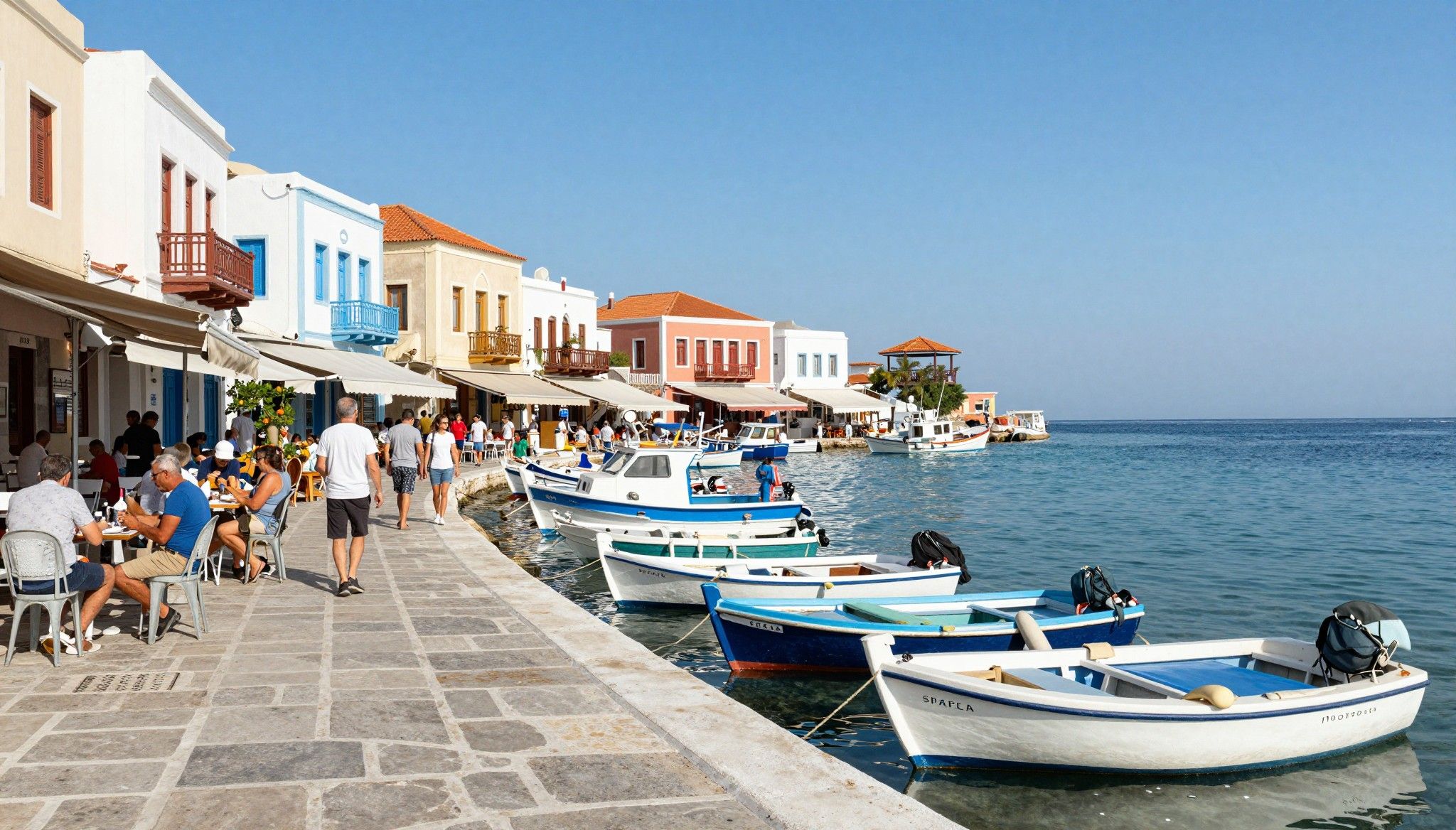
Croatia feels like two countries in one. Along the Adriatic—Dubrovnik’s fortified skyline, Rovinj’s ochre roofs, Hvar’s boisterous harbors—life orbits the sea, outdoor dining and a summer market tempo. Inland cities—Zagreb’s leafy squares, Osijek’s café terraces—offer quieter, year‑round routines. For buyers, choosing between coast and continental Croatia is choosing between seasonal demand and steady urban occupancy.
Coastal neighborhoods: the postcard and the practical
Walk the Old Town in Dubrovnik and you’re amid UNESCO stonework and premium nightly rates; cross to Lapad and you find longer-term rentals that attract families and medical tourists. In Split, Meje and Bačvice command premium m² for views and proximity to beaches; Varoš and Žnjan deliver better rental yield per euro spent because of steadier occupancy. The tradeoff is clear: headline prices near landmarks, better cashflow where locals live.
Food, rhythm and seasonality: how life structures demand
Markets shape daily life: Istrian truffle fairs, Split’s morning fish market, Zagreb’s Dolac on Saturdays. These cultural anchors extend the tourist season and support hospitality jobs that in turn sustain rental demand, but the strongest pressure on prices and short‑let returns remains concentrated in June–September. Outside those months expect quieter streets, lower nightly rates and a different tenant profile—longer stays, remote workers, retirees.
- Lifestyle highlights: Riva promenade (Split), Bačvice beach, Rovinj’s old harbour, Dolac market (Zagreb), Mljet and Pakleni Islands day trips, Istrian wine routes.
Making the move: practical considerations that preserve lifestyle and yield
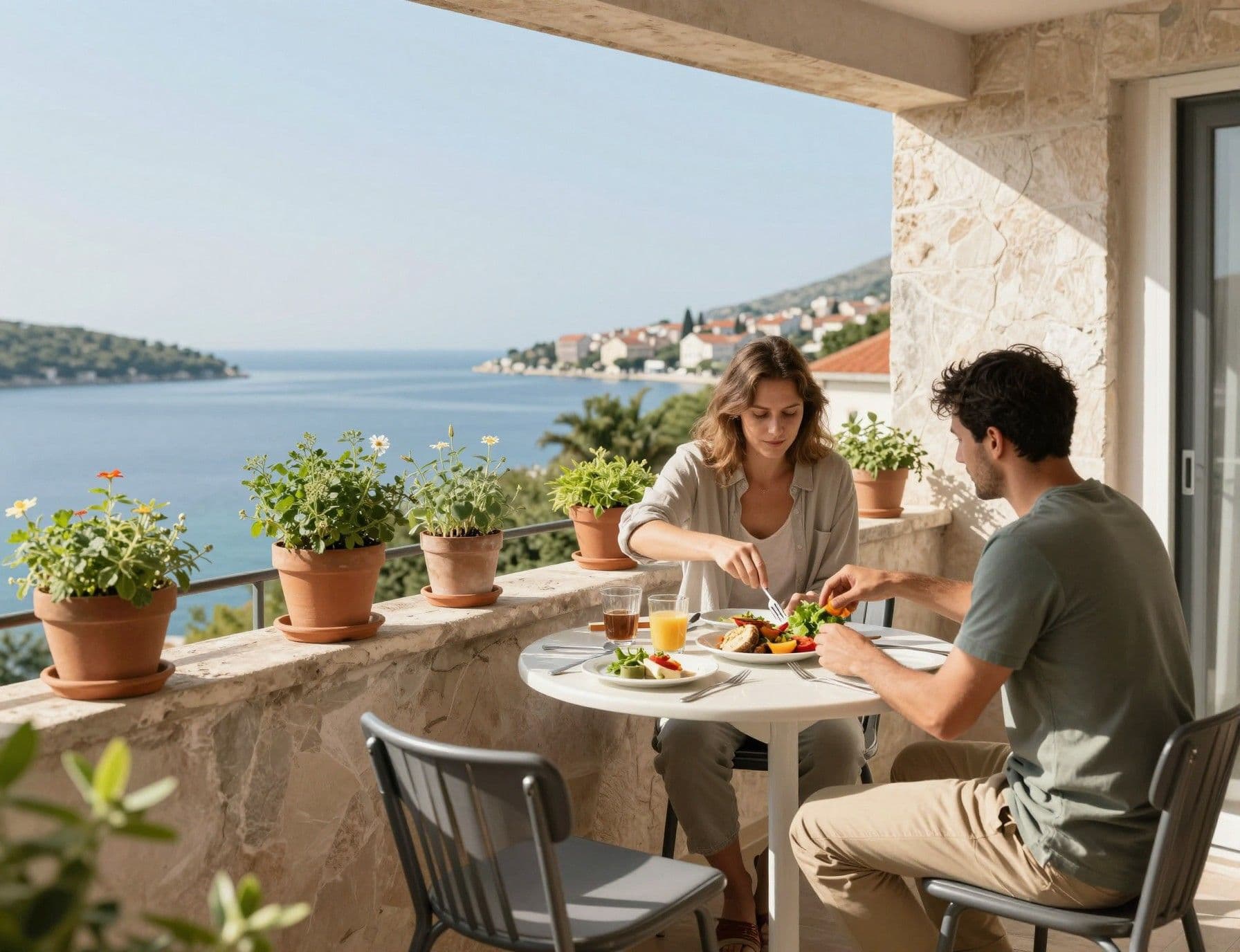
Data matters. Croatia recorded a marked jump in asking prices across 2022–2024, with coastal hotspots and Zagreb leading growth. Simultaneously, tourism remained robust—over 20 million arrivals in recent years—so short‑let demand is strong but concentrated. For investors the question is not whether Croatia is desirable; it’s which micro‑market converts desirability into dependable returns after fees, taxes and vacancy.
Property types and how they map to real cashflow
Historic stone flats near waterfronts deliver headline rents in summer but often require higher upkeep, tourist permits and insurance. New-build apartments in Zagreb or Split’s suburbs cost less per m² and attract year‑round tenants—professionals, students, long‑stay tourists—producing steadier yields. Houses inland can be value plays: low entry price per m², modest rental demand but potential for renovation-led appreciation.
Working with local experts who understand seasonality and regs
- 1. Ask agents for occupancy curves (monthly booking data) not just yearly averages. 2. Require true operating cost breakdowns: utilities, insurance, municipal short‑let registration, and property management fees. 3. Verify energy class and renovation needs—old stone buildings may need facade or seismic upgrades. 4. Insist on past‑performance records for rental pools or management companies before accepting revenue projections.
Insider knowledge: what expats wish they’d known
Expats tell the same practical truths: language barriers are surmountable but local bureaucracy is real; summer brings money but winter reveals carrying costs. Many buyers underestimated municipal short‑let registration timelines and seasonal maintenance budgets. The smart buyers we meet plan for a conservative occupancy rate (40–60% for coastal short‑lets) when stress‑testing yields.
Cultural cues that shape day‑to‑day life
Croatians prize neighbourhood continuity: shopkeepers, markets and local cafés form social infrastructure. Respecting these rhythms—late morning coffee, family Sundays—helps with tenant relationships and local contractors. Language classes and attending market days accelerate integration and reduce management headaches.
Long‑term lifestyle and property evolution
- What to expect over 5–10 years: • Continued coastal appeal but more regulated short‑lets. • Price convergences between renovated inland towns and overheated coastal pockets. • Growth in year‑round tourism products (wellness, gastronomy) that support shoulder‑season occupancy.
Practical next steps: balance the romance with the numbers. Target neighbourhoods where lifestyle demand meets predictable occupancy (Zagreb inner ring, Split suburbs, select Istrian towns). Model yields using conservative occupancy and include a 10–15% buffer for maintenance and management. Use local agents for access to off‑market deals and historical booking data; use lawyers to confirm municipal short‑let registration status and any future regulation risks.
Conclusion: Croatia rewards both imagination and prudence. The life—terrace dinners, island weekends, market rituals—is real. So is the need for sober underwriting. If you love the place, buy where the lifestyle aligns with durable demand and let data, not the postcard, price your investment.
British expat who moved to the Algarve in 2014. Specializes in portfolio-focused analysis, yields, and tax planning for UK buyers investing abroad.