Cyprus: Life, Seasonality and Where Yields Actually Live
Cyprus offers vivid Mediterranean living and investable pockets—model seasonal occupancy, inspect utility histories, and prioritise micro‑markets for realistic yields.
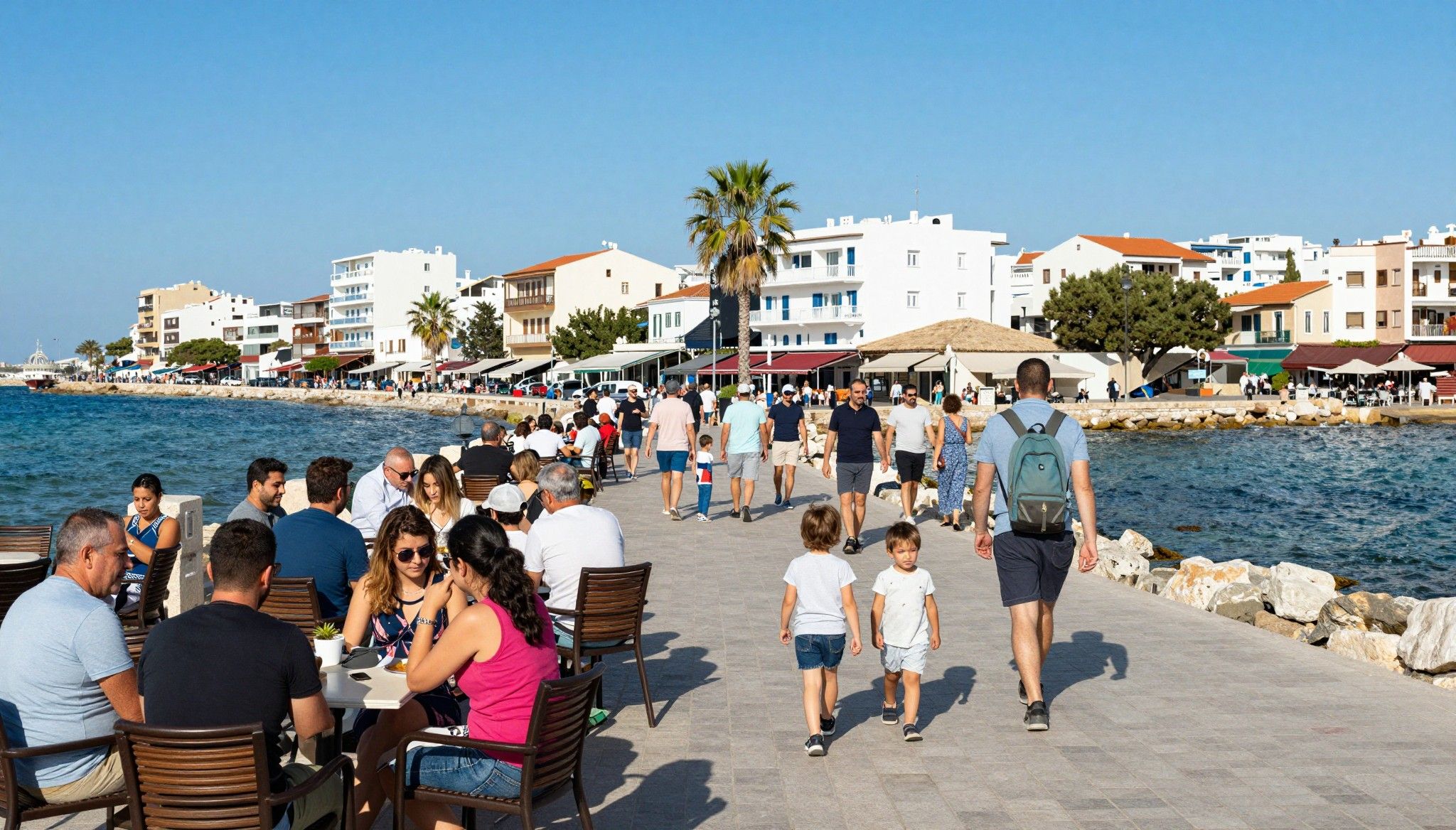
Imagine waking up to a narrow street in Old Nicosia where espresso steam meets centuries‑old stone, then trading that city hum for a sea breeze in Limassol by afternoon. Cyprus lives in short, vivid rhythms: sunny mornings at municipal markets, slow weekday coffees, and weekends on beaches from Coral Bay to Protaras. For many international buyers the island’s appeal is visceral—light, food, a Mediterranean tempo—but the investment case needs equal attention. Recent price growth, surging tourism, and a boom in short‑term lets change where yields actually hide; knowing the local story separates romantic purchases from disciplined investments.
Living the Cyprus lifestyle

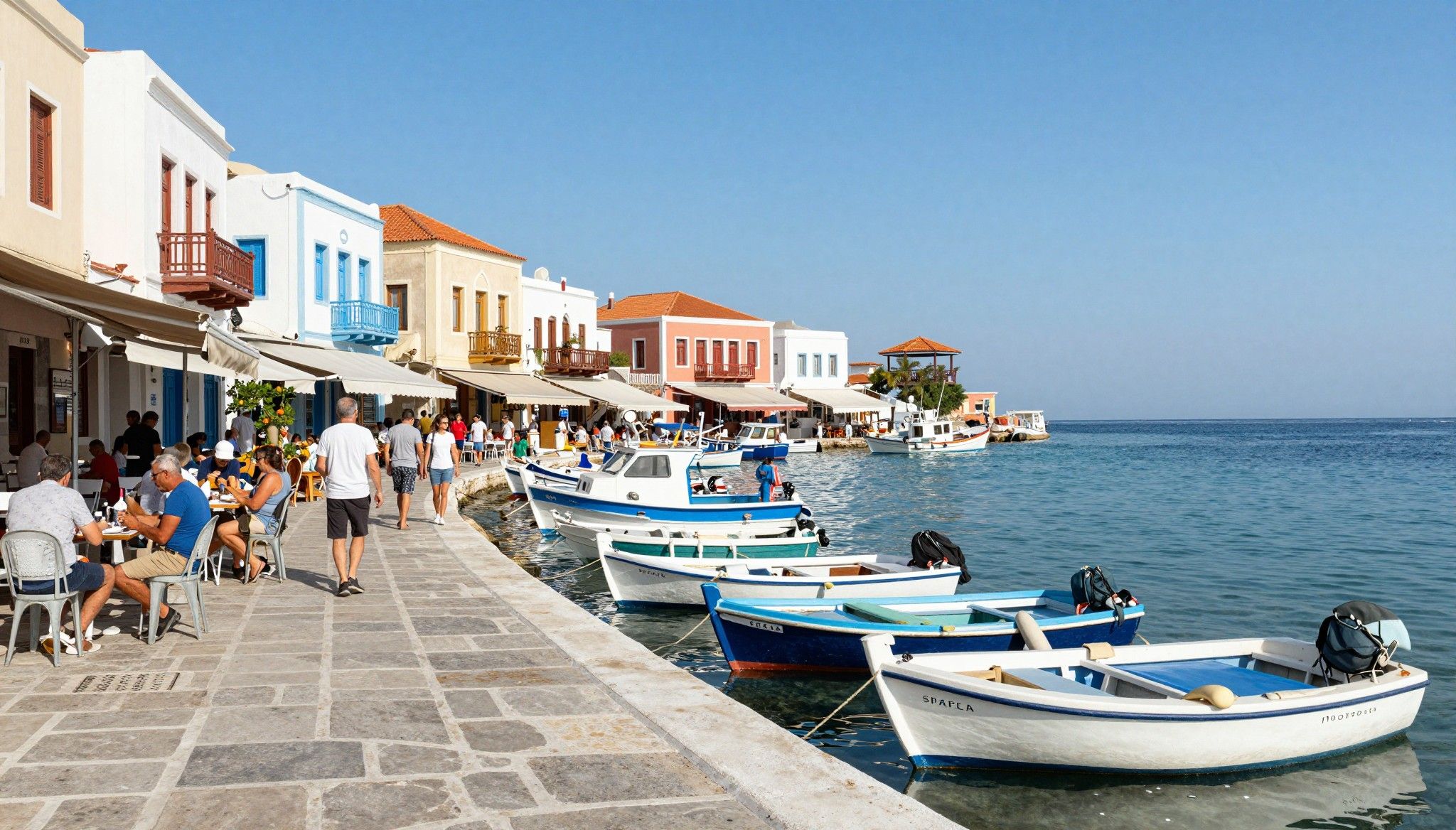
Cyprus is both island holiday and lived‑in country. In the mornings you’ll hear deliveries and market calls in Larnaca, afternoons in Limassol are about boardwalk runners and cafés, and evenings in Paphos are taverna‑centred. The island’s pace is shaped by microclimates—coastal humidity and mountain chill in the Troodos—that affect what you buy: terraces for alfresco living on the coast, insulated walls in mountain villages. That daily texture matters because it determines tenant demand, seasonal vacancy and maintenance profiles—real variables in any yield calculation.
Neighborhood spotlights: Nicosia, Limassol, Paphos
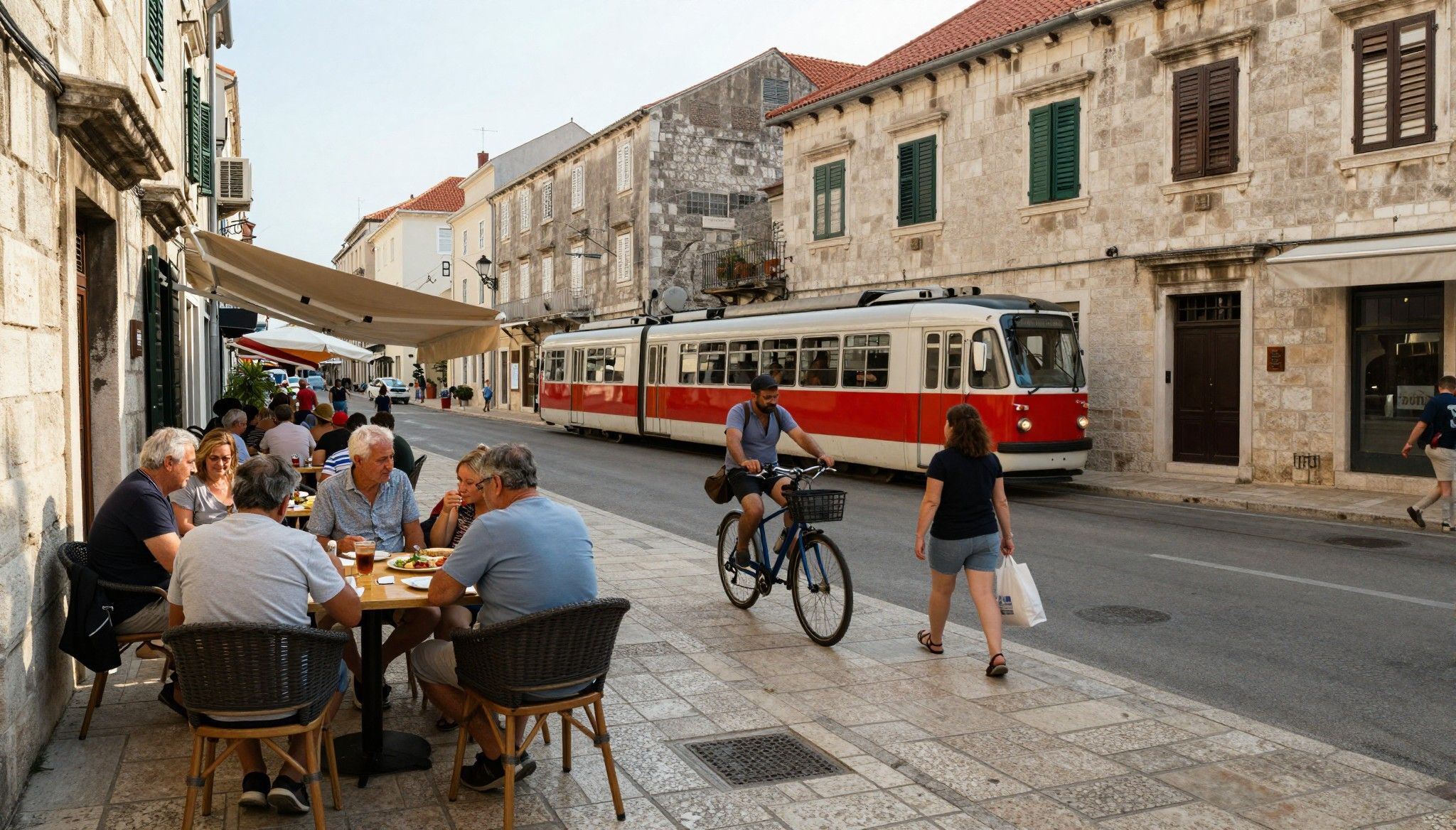
Nicosia: compact, administrative and resilient. Its grid of streets around Ledra and Gladstone is tenant‑friendly for professionals and students. Limassol: the business and coastal hub where short‑ and long‑term corporate lets coexist—expect higher prices but stronger corporate rental demand. Paphos: a more tourism‑driven market with seasonal peaks around Coral Bay and the Old Harbour; yields can look attractive on holiday lets but anticipate winter vacancy. Each pocket carries a different risk‑return profile and cost of ownership—insight local agents and municipal data provide.
Food, markets and weekday life
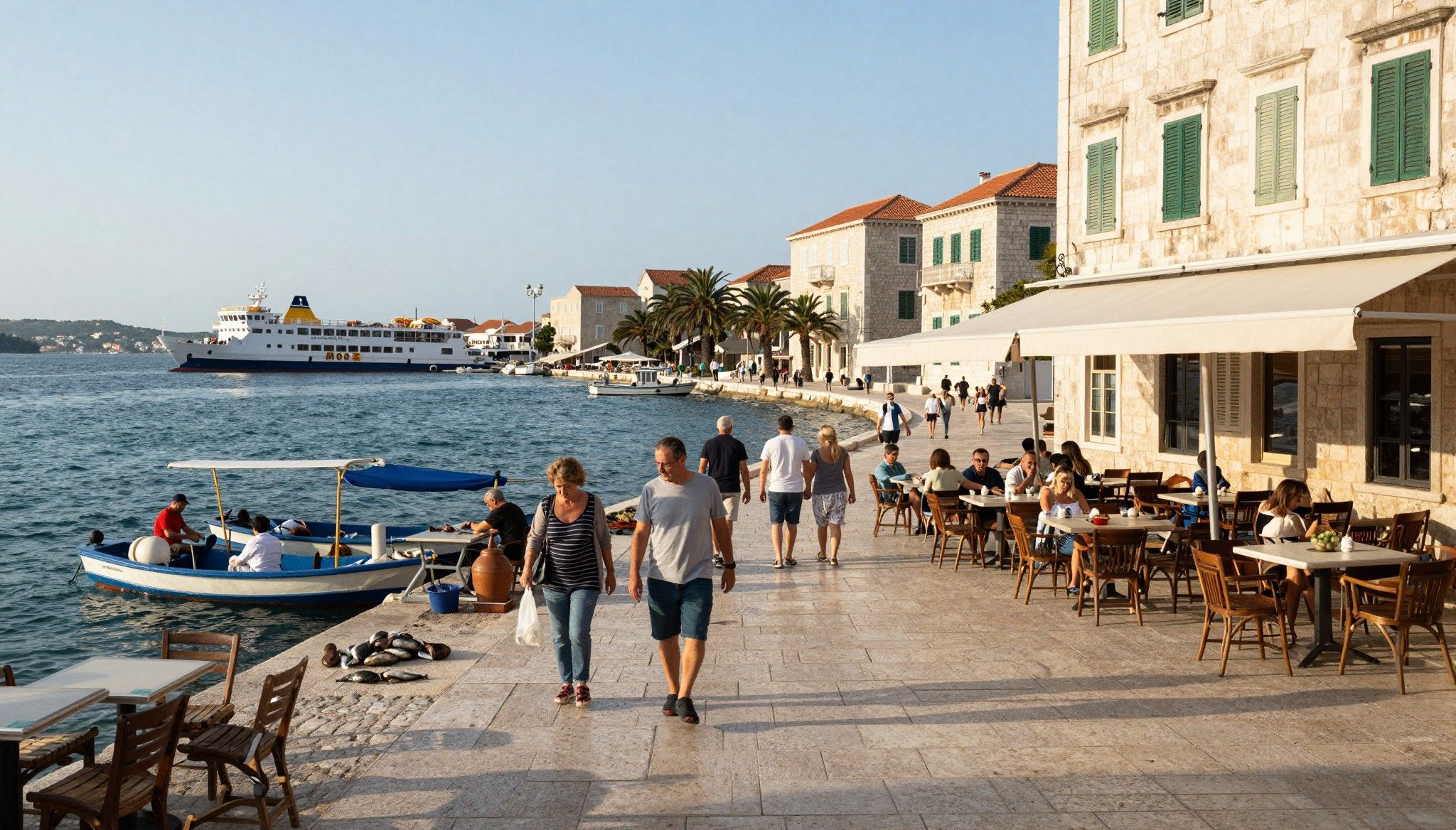
Markets set the tempo: frozen fish stalls at Larnaca’s municipal market, pastries at Fig Tree Street in Nicosia, and seafood at Limassol’s Molos promenade. These everyday anchors create reliable tenant appeal—families want proximity to markets and schools, short‑stay guests want beaches and tavernas. Tourism has been expanding (record arrivals in recent years), which lifts demand for holiday lets but also concentrates seasonal risk. The lifestyle and the revenue cycle are linked; where life is year‑round, yields behave differently.
- Morning markets, municipal cafés and seaside promenades that drive year‑round rental demand
- Neighborhoods that pair local services with transit links (Nicosia suburbs, Limassol centre)
- Tavernas and food scenes that extend the tourist season beyond summer (Paphos culture festivals)
- Microclimate factors: coastal terraces vs Troodos insulation and seasonal maintenance needs
Making the move: practical considerations
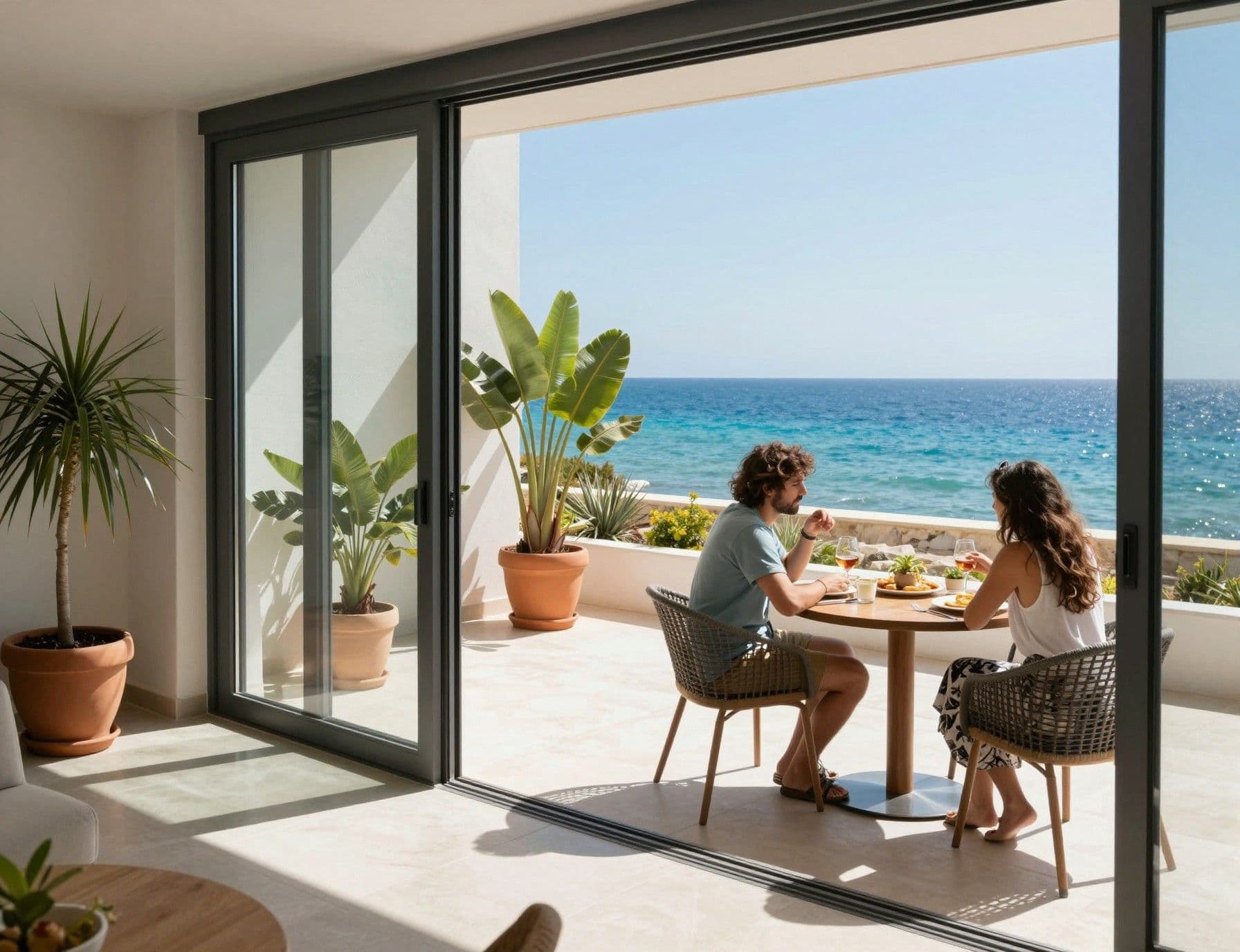
The romantic image of Cyprus must be reconciled with market mechanics. Property prices have risen recently—Central Bank data shows steady annual increases—so buyers should model both purchase price and operating cash flow before committing. Short‑term rental growth inflates top‑line income in tourist hubs, but gross yields vary. Use local indices and municipal rental registries to stress‑test assumptions about occupancy, management costs and seasonal discounts.
Property types and how they earn
Flats in central Nicosia provide steadier long‑let income and lower vacancy than coastal holiday apartments, which can offer higher peak yields but greater off‑season risk. Villas in Paphos or Limassol command premium rates for holiday lets but carry higher maintenance and utility costs. Define your objective: net yield (annual net income divided by purchase price) is the cleaner metric; aim to stress the revenue by -20% to model realistic winter occupancy and management fees.
Working with local experts who know both lifestyle and numbers
- Engage a local agent for market microdata and a chartered valuer for independent price checks; request historical occupancy records for comparable rentals.
- Hire a property manager with short‑let experience if you plan holiday rentals; require minimum 12‑month lookback occupancy and cleaning/commission schedules.
- Insist on utility and maintenance histories (especially water infrastructure and insulation) and factor cyclical repair spends into a five‑year cashflow model.
Insider knowledge: what expats wish they'd known
Expats quickly learn that the island’s four seasons of life affect cashflow. Summer demand can mask poor winter performance; municipal festivals lift small towns temporarily; and infrastructure gaps—water stress and road links—translate into tangible costs. A frequent regret is buying a postcard apartment for summer rental without verifying winter heating, water storage and long‑term tenant appeal. Local nuance—like how villages shut down services out of season—matters for occupancy and resale.
Cultural and practical integration
Cyprus is English‑friendly in business and real estate, but municipal rules, planning and community expectations are local. Building relationships with neighbours, the local mukhtar or community board eases renovations and short‑let registration. Learn the cadastre boundaries and communal ownership rules—these frequently affect terraces and rooftop rights. Cultural fluency reduces friction and hidden costs over a decade of ownership.
Long‑term lifestyle and market outlook
Data show moderate price appreciation and yields in the 4–5% gross range in many areas, with variations by city and asset type. If your plan is capital preservation plus income, prioritize centrally located long‑let apartments in Nicosia or corporate corridors in Limassol. If you seek upside from tourism growth, model a conservative winter occupancy and higher management costs. In all scenarios, stress test interest rate moves, utility shortages and regulatory shifts affecting short‑lets.
- Practical checklist before signing: independent valuation, 12‑month rental records, water/utility history, management agreement, clear communal title
- Three‑step buyer sequence: 1) Define target yield and acceptable vacancy; 2) shortlist micro‑markets with historical occupancy; 3) run 5‑year cashflow scenarios including 20% downside to seasonality.
Conclusion: Cyprus offers a rare blend of lived‑in Mediterranean life and investable markets, but the two don’t always align automatically. Fall for the light and tavernas, but buy with a spreadsheet and local expertise. Start with micro‑market research, insist on historical rental and maintenance records, and work with an agent who can match a lifestyle brief to yield metrics. Do that, and you keep both the dream and the return.
Norwegian market analyst who relocated from Oslo to Mallorca in 2016, guiding Northern buyers through regulatory risk, currency hedging, and rentability.