Where France’s Charm Hides Real Yield Opportunities
France’s postcard charm hides diverse yield regimes—secondary cities often beat Paris for cashflow. Combine lifestyle mapping with Notaires‑INSEE and bank research to pick resilient markets.

Imagine a Saturday morning in Lyon’s Croix‑Rousse: boulangeries scent the air, a tram sighs by, and neighbours queue at the marché for chèvre and heritage apples. France is threaded with these moments—market stalls and riverfront cafés—yet for an investor the question is how these scenes translate into yields, seasonality and long‑term capital performance. According to recent Notaires‑INSEE data, the national housing cycle has shifted from correction to selective rebound, making location-level analysis critical for international buyers.
Living the French life—how place shapes returns
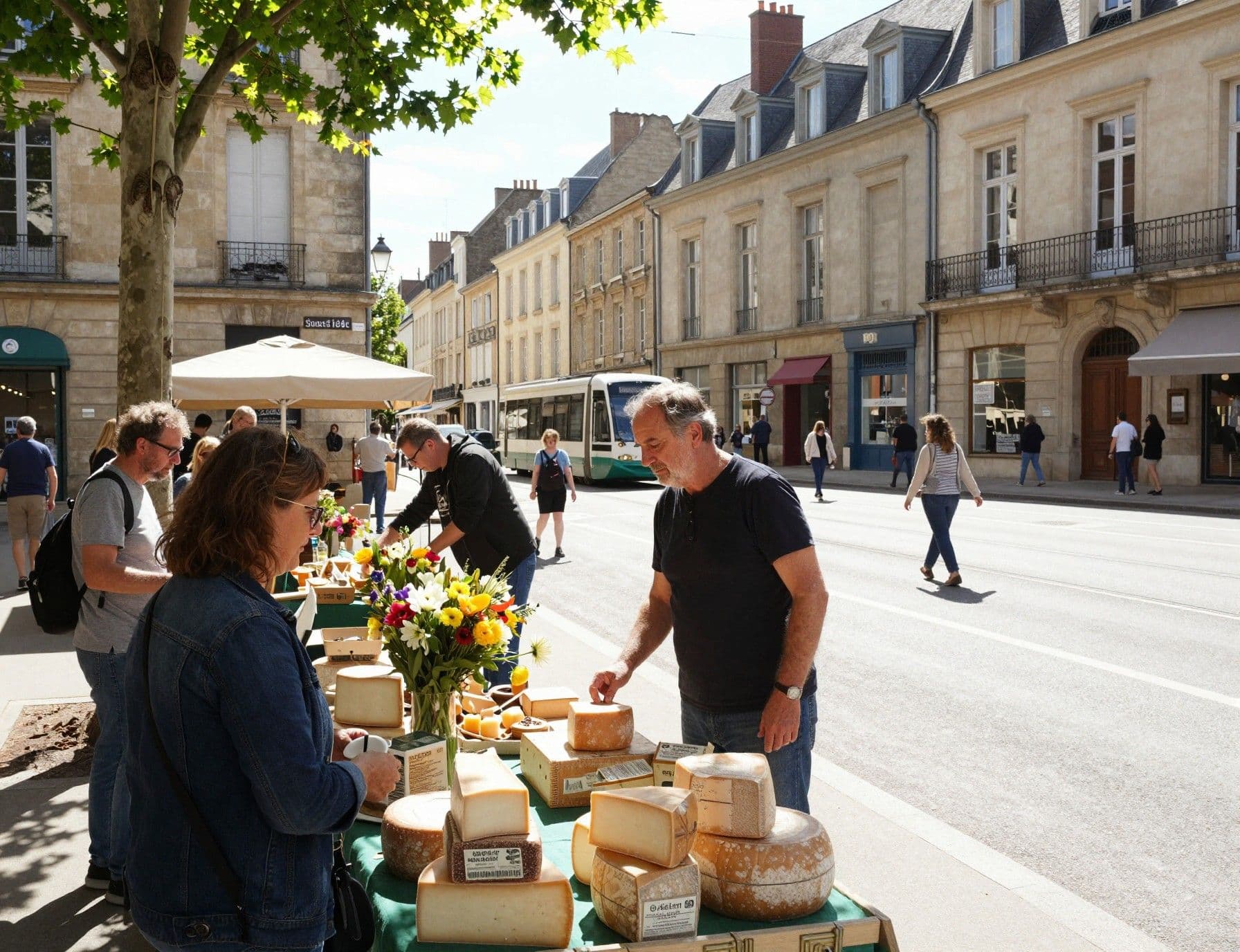
The lived experience in France—markets, markets, and mid‑week cafés—matters because it drives tenant demand. Notaires‑INSEE shows metropolitan price adjustments were uneven in recent years: Paris corrected while many regional cities recorded resilience. For an investor, that difference is not aesthetic but financial: rents, vacancy rates and tenant profiles vary by arrondissement, préfecture and seaside commune.
Paris vs secondary cities: different day, different yield
Paris remains culturally dominant but functionally expensive. Transaction volumes and price stability have returned in pockets, yet gross yields in central arrondissements typically sit below regional peers. Secondary cities such as Lyon, Marseille and Nantes combine lower price per m² with strong rental markets—creating materially higher gross yields and shorter re‑letting times for furnished units.
A day in a regional town: how lifestyle creates rental demand
Picture Saint‑Étienne’s weekday workers, students in Grenoble and families in Nantes: stable local employers, universities and transport links create recurring rental pools. These everyday economies underpin yields that are 30–60% higher than prime Paris on a gross basis, according to municipal‑level studies—an important counterpoint to the 'France = high prices' myth.
- Lifestyle highlights that matter for tenancy and resale • Morning markets (Marché d'Aligre, Paris) that keep neighbourhoods alive • University clusters (Toulouse, Grenoble) supporting long leasing seasons • Port regeneration (Marseille’s Euroméditerranée) creating new tenant demand • Coastal towns (Biarritz, La Rochelle) with strong seasonal short‑let potential • Transport corridors (TGV hubs) that compress commuting and widen catchments
Making the move: practical market considerations
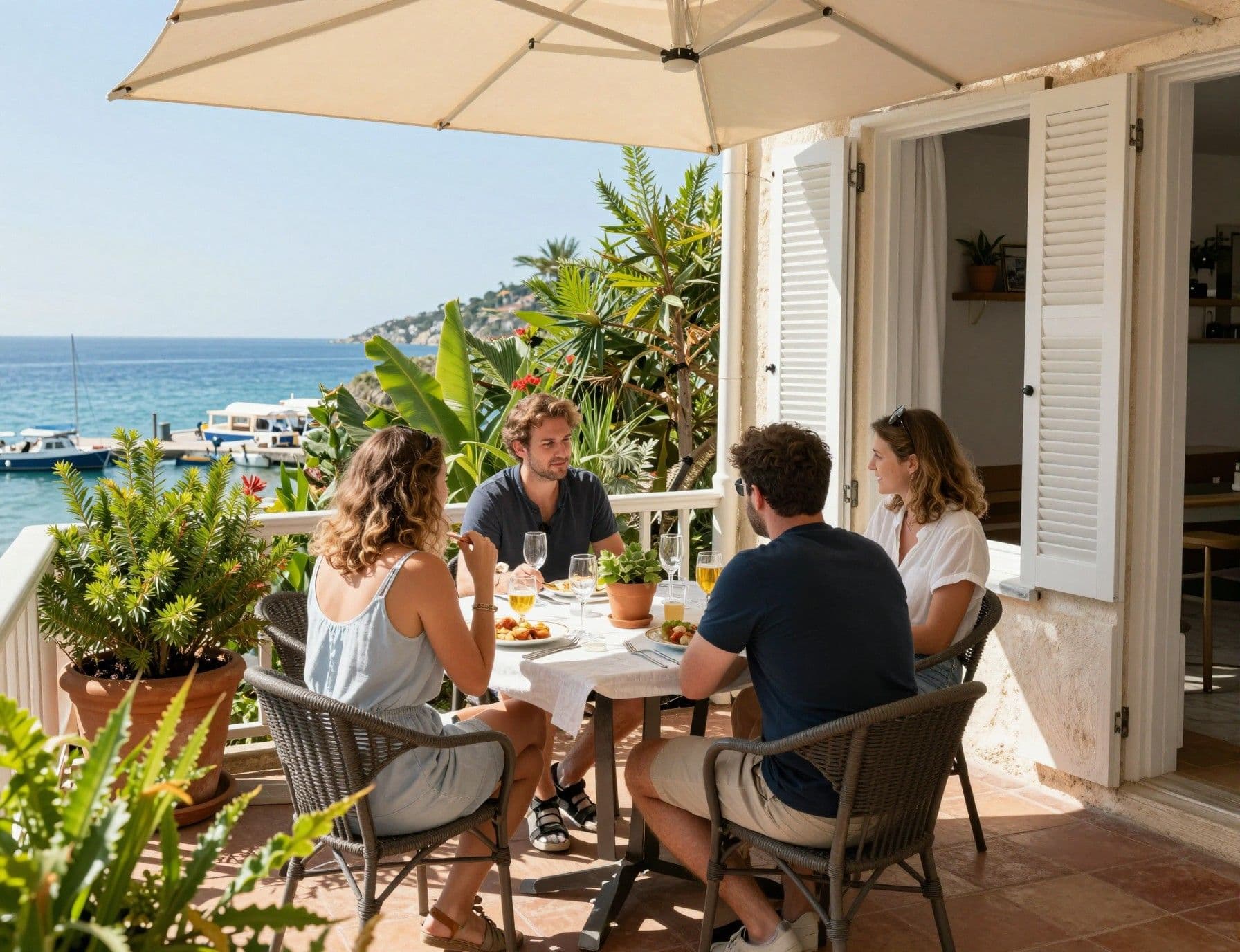
Lifestyle is the hook; financing, regulation and micro‑data determine outcomes. French markets have moved through rate‑driven adjustments; late‑2024 into 2025 saw a rebalancing where buyers with cash or diversified financing regained leverage. Use national and bank research to stress‑test gross yields against realistic financing costs and vacancy assumptions.
Property styles and what they mean for returns
Stone apartments in Paris offer stability and long‑term capital protection but low immediate yield. New builds on the outskirts and renovated flats in secondary cities trade lower acquisition price per m² but higher gross yields. Coastal villas can produce strong short‑let income seasonally but carry higher operational and maintenance volatility.
Working with local experts who know the rhythm
- Practical steps blending lifestyle and finance 1. Map tenant demand: overlay university locations, business parks and transport nodes with rental rates. 2. Stress‑test yields: model gross and net yields after property tax (taxe foncière), management and realistic voids. 3. Check short‑let rules: local municipal limitations and energy performance certificates affect viability. 4. Use a local notaire and agent experienced with international completions to minimise closing surprises. 5. Plan for renovation cycles: older stock often needs energy upgrades that affect rentability and resale.
Insider knowledge: expat confessions and counter‑intuition
Expats often assume Paris is the safest buy; many later say they would have diversified into mid‑sized cities. The counter‑intuitive truth: buying where locals actually live and work (not where tourists flock) tends to produce steadier cashflow. Seasonal glamour—Côte d'Azur villas, Alpine chalets—can be lucrative but needs operational discipline most investors underestimate.
Cultural integration and tenant expectations
French tenancy norms favour long leases and tenant protections; furnished short‑lets (LMNP) can improve tax efficiency but require compliance and quality furnishing. Learning basic language and local customs—greeting with a bonjour, understanding building syndic rules—reduces friction and speeds approvals for renovations or rental registrations.
Long‑term lifestyle sustainability: what changes in 5–10 years
Demographic shifts, stricter energy performance rules and continued regional regeneration will change which assets outperform. Expect premium for energy‑efficient, well‑connected units and for towns investing in digital and transport infrastructure. For long‑term holders, maintenance and adaptability (ability to convert a unit to furnished rental or co‑living) will protect cashflows.
- Red flags seasoned expats list • Overpaying for postcard views with weak local economies • Ignoring syndic arrears and hidden building repair liabilities • Assuming seasonal short‑lets cover high mortgage costs year‑round • Failing to check local short‑let restrictions and tourist tax regimes • Skipping an energy audit on older buildings
France delivers the sensory pleasures—food markets, walkable streets, regional festivals—that make a move feel like a lifestyle upgrade. But those pleasures are the same variables that move yield: seasonality, tenant profiles and local policy. Start with the life you want, translate that into tenant demand maps and yield models, then engage local specialists to execute. That process turns a romantic decision into a disciplined investment.
Next steps: map 3 candidate towns that match your lifestyle (one prime city, one regional university city, one coastal or alpine seasonal market); run a 10‑year cashflow model including conservative vacancy and energy upgrade costs; and brief a bilingual notaire and agent before making offers.
Dutch investment strategist who built a practice assisting 200+ Dutch clients find Spanish assets, with emphasis on cap rates and due diligence.