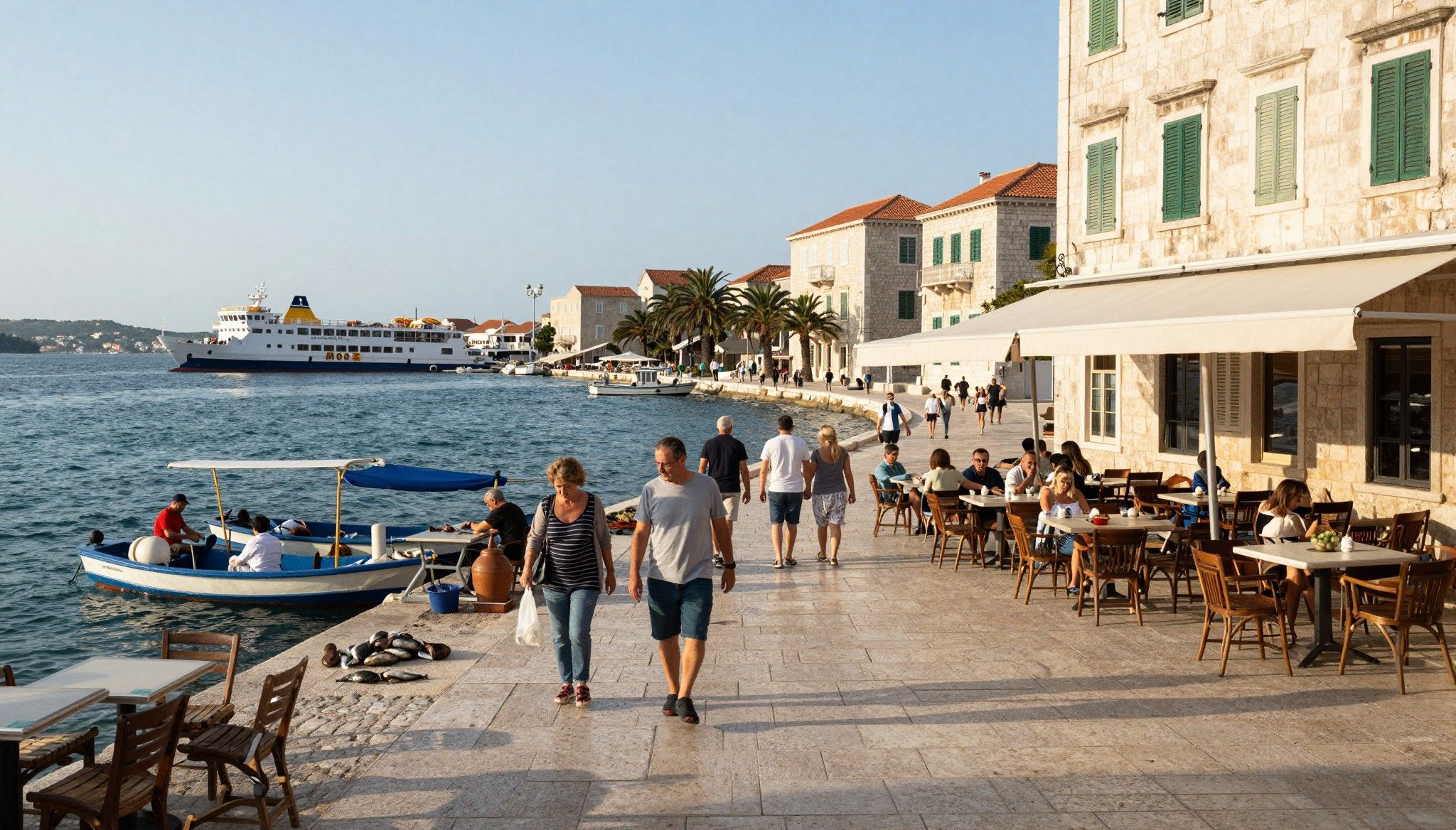
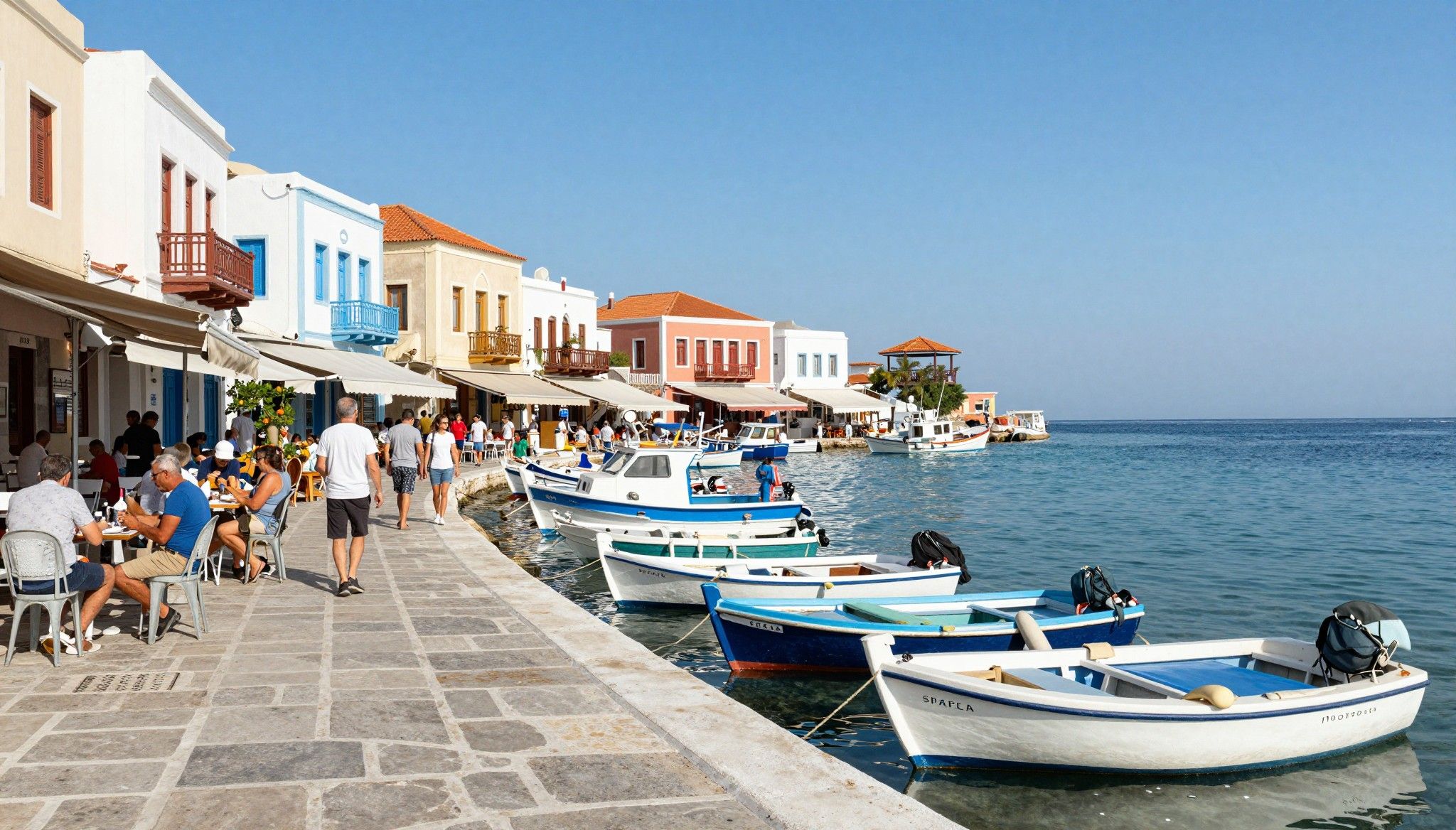
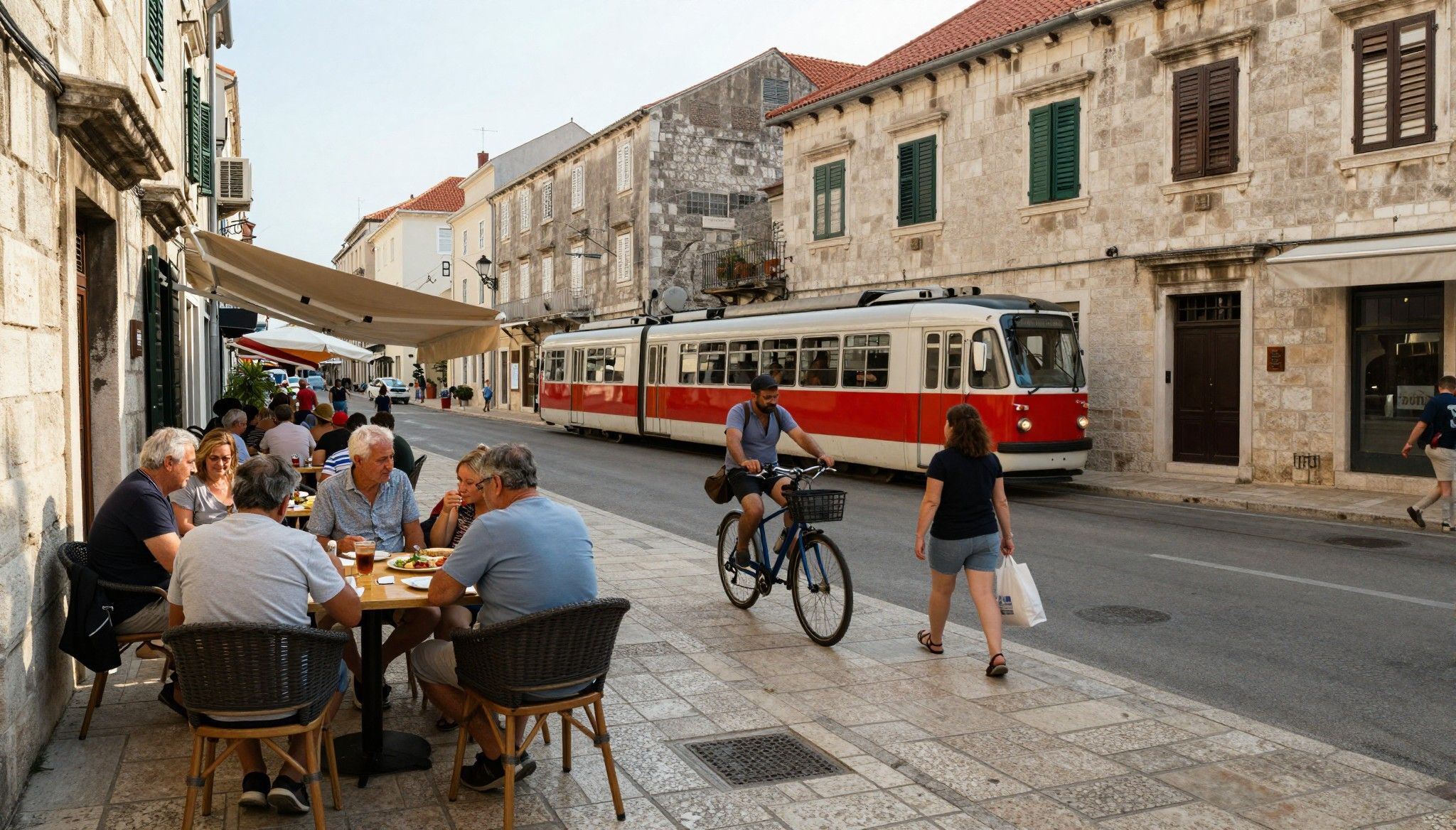
Limassol Hype vs Larnaca Value: A Cyprus Timing Play
Cyprus’s postcard sun masks seasonal yield risks. Match lifestyle wants to data—compare price per sqm, realistic net yields and local demand to find where returns meet life.
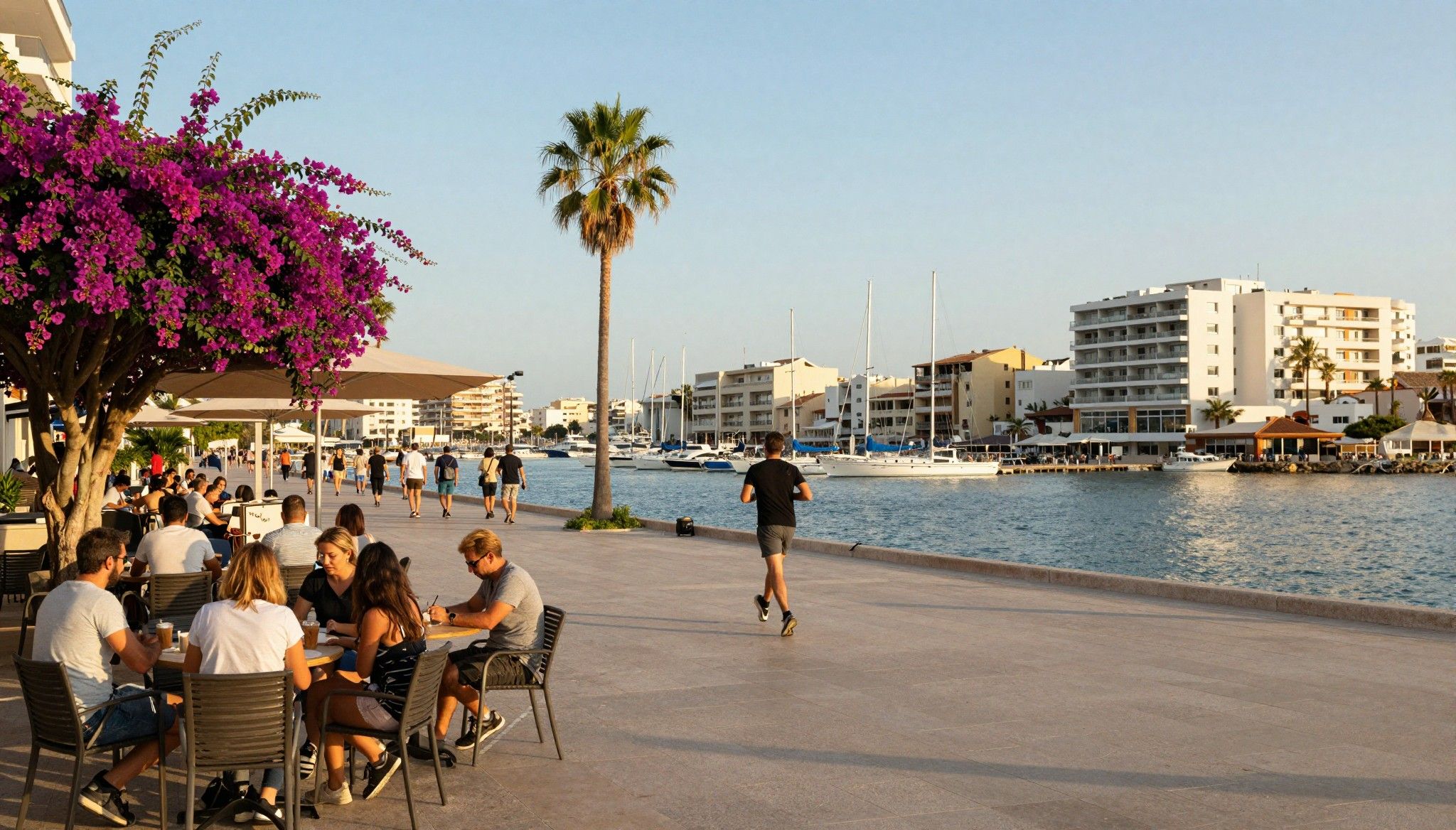
Imagine a late‑afternoon espresso on Limassol’s Molos promenade, children chasing pigeons, delivery scooters weaving past bougainvillea‑lined cafés. That image is Cyprus’s postcard: sun, sea and a busy short‑let market. But for an investor who treats property as capital, the postcard hides seasonal distortions, concentrated demand and yield compression that matter more than curb appeal. This guide pairs those sensory scenes with data and contrarian timing tactics — where to let lifestyle lead and where to let numbers decide.
Living the Cyprus Lifestyle — what the postcard gets right
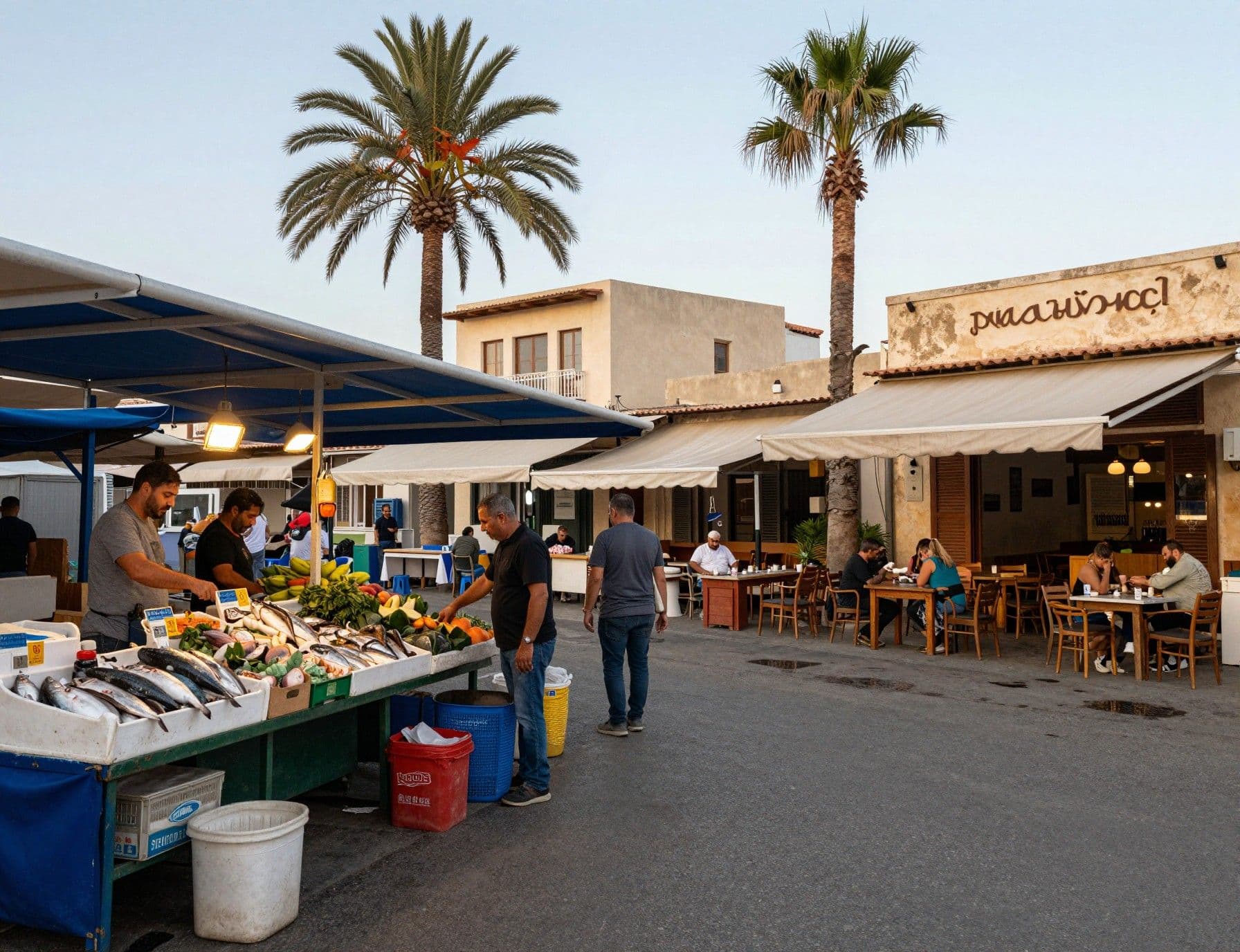
Daily life in Cyprus blends Mediterranean rhythms with practical conveniences: late breakfasts, compact historic centres, and coastlines that double as community spaces. Nicosia feels urban and practical; Limassol hums with expatriate professionals and marina life; Larnaca is quietly balanced between local commerce and growing tourism; Paphos keeps a village pulse alongside international holiday demand. These differences shape tenant types — long‑stay professionals in Nicosia, seasonal holidaymakers in Paphos and Ayia Napa — and therefore the income profile of any purchase.
Neighborhood focus: Limassol’s Marina vs Agios Tychonas
Walk radius matters. Limassol Marina offers high‑end finishes and corporate tenants — prices and rents reflect that, compressing yields. Agios Tychonas, 10–15 minutes west, gives quieter coastal living with lower entry prices and better gross yields for the same tenant pool. Transaction and supply data show concentration around the marina and central Limassol, which increases competition but reduces upside for yield‑focused buyers.
Food, markets and rhythm: Larnaca’s authentic edge
Larnaca’s cafés, fish market and Finikoudes promenade feel alive year‑round; it’s not all summer tourists. That steadiness matters: consistent local demand supports longer leases and lower voids than pure holiday hotspots. With tourist arrivals back above pre‑pandemic peaks, coastal towns have stronger short‑let seasons, but Larnaca’s mixed economy dilutes seasonality and stabilises cashflows for buy‑to‑let investors.
- Lifestyle highlights (actual places to visit and consider)
- Morning espresso at To Kazani (Larnaca) — good for gauging neighbourhood footfall.
- Weekend market at Old Nicosia’s Bandabulya — shows long‑stay resident patterns.
- Stroll the Molos and count short‑let signs — a quick read on tourist intensity in Limassol.
- Paphos Harbour in low season — reveals year‑round local activity versus holiday spikes.
Making the move: practical considerations that match lifestyle to returns
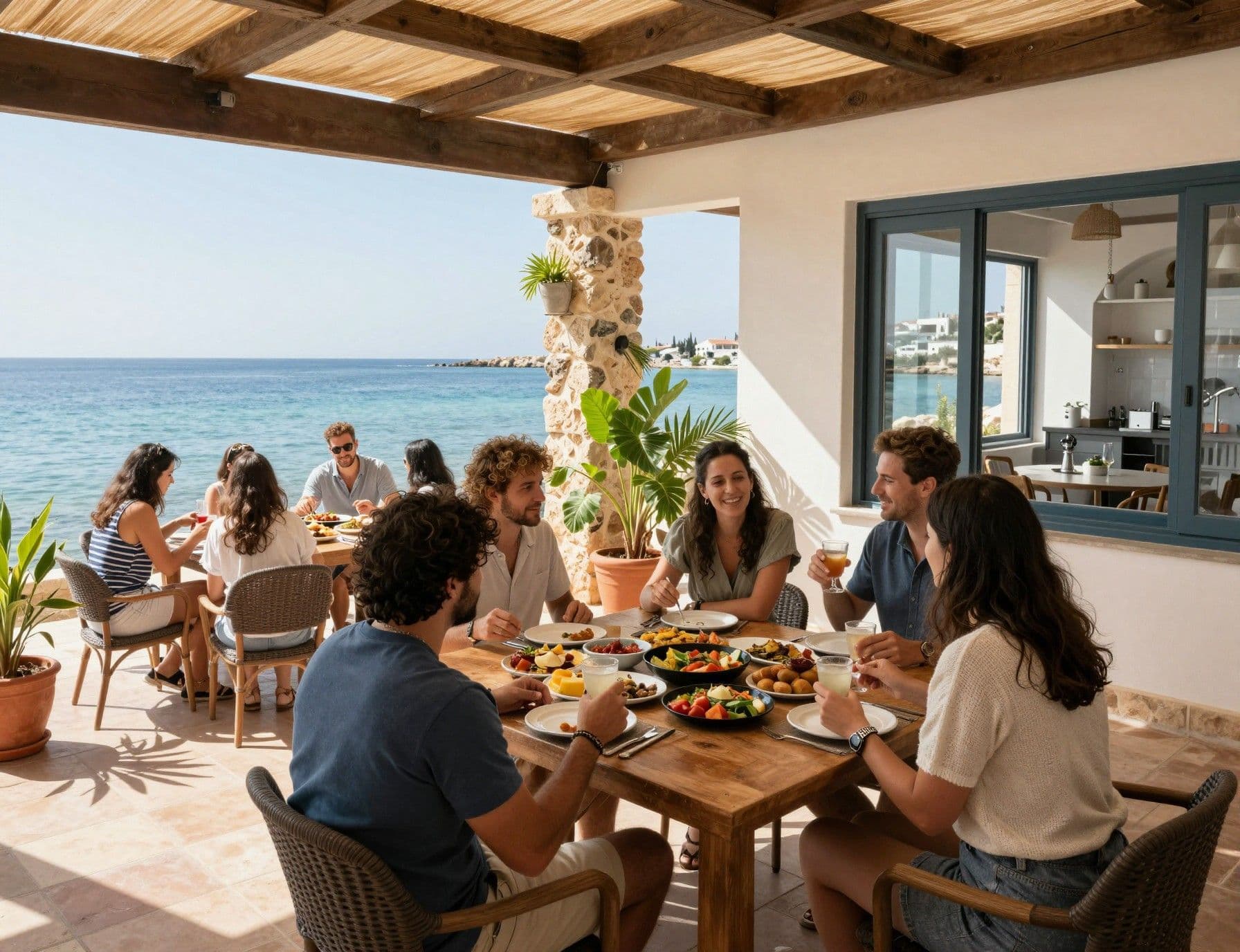
Dreams need balance sheets. National price indices rose again after the pandemic, but growth is uneven across coastal hubs and inland cities. Central Bank data and industry analysis point to steady price appreciation in Limassol and selective pockets in Paphos, while Larnaca and parts of Nicosia offer lower entry‑costs and healthier gross yields. Mapping local price per sqm against typical gross yields lets you identify where lifestyle premiums erode investment returns.
Property types: apartments, townhouses and village houses
Apartments dominate coastal demand and are easiest to manage remotely, but they often carry higher per‑sqm pricing and service charges. Townhouses and village houses offer upside through modest renovation and longer lets to families, but they can mean higher maintenance and local management needs. Use property type as a lifestyle lever: choose an apartment if you want low‑touch rental income; pick a village house if you prioritise quieter daily life and potential capital renovation gains.
- How to align lifestyle goals with investment steps
- Decide your rental model (short‑let vs long‑let) and quantify realistic occupancy for each season.
- Run a three‑year cashflow stress test that includes service charges, property management, and seasonal voids.
- Compare net yields after a conservative 20–30% vacancy/operational buffer; treat headline gross yields with skepticism.
- Factor tourism trends: higher arrivals improve short‑let upside but raise stocking risk in peak zones.
Insider knowledge: red flags, seasonal traps and local fixes
Red flag: high advertised yields in summer hotspots. They often assume sustained July–August occupancy and ignore winter vacancies. Data shows national gross yields cluster under 5% for many coastal apartments, with pockets in Limassol and Nicosia outperforming. Treat any projection that doesn’t include off‑season scenarios and local tax/service charge realities as optimistic marketing.
What expats wish they knew
Many expats underestimate service charges, seasonal utility spikes and the time required to convert holiday interest into year‑round tenants. Also, neighbourhood names can mask microdifferences — the same street can change tenant profiles in two blocks. Local management and granular due diligence — checking recent rental contracts and service charge histories — solve most surprises.
- Practical red flags to check on visits
- Number of short‑let listings within 500m — saturation erodes headline rates.
- Recent service charge increases and planned works — they hit net yields.
- Water stress and infrastructure notes — Cyprus invests in desalination affecting long‑term costs.
A short checklist on regulatory and market signals: rising tourist arrivals benefit short‑lets (CyStat), central bank indices indicate where capital growth concentrates, and industry reports reveal where retail and office demand shift local tenant mixes. Use those signals together — tourism volumes, price index momentum and local supply — to set buying thresholds and exit scenarios.
Where value hides now: non‑coastal and transitional pockets
Look beyond the promenade. Transitional towns between Nicosia and Larnaca, or inland villages near transport corridors, often show lower price per sqm and stable local demand from commuters. These areas offer diversification benefits and lower correlation with tourist cycles — a defensive play for multi‑asset portfolios.
Conclusion — marry the life you want to the numbers you need. Cyprus delivers Mediterranean daily life and solid market fundamentals, but investors must separate seasonal sentiment from sustainable cashflows. Start with a tenant profile, stress‑test for seasonality, and prioritise neighbourhoods where local demand supports year‑round occupancy. Partner with an agency that provides rent roll history, recent service‑charge statements and on‑the‑ground comparisons so your lifestyle choice is also an investment decision.
Norwegian market analyst who relocated from Oslo to Mallorca in 2016, guiding Northern buyers through regulatory risk, currency hedging, and rentability.