Overlooked Cyprus Micro‑Markets Where Yields Live
Explore overlooked Cyprus micro‑markets where lifestyle and measurable yields meet; use HPI, Central Bank and industry data to target higher‑return neighbourhoods.
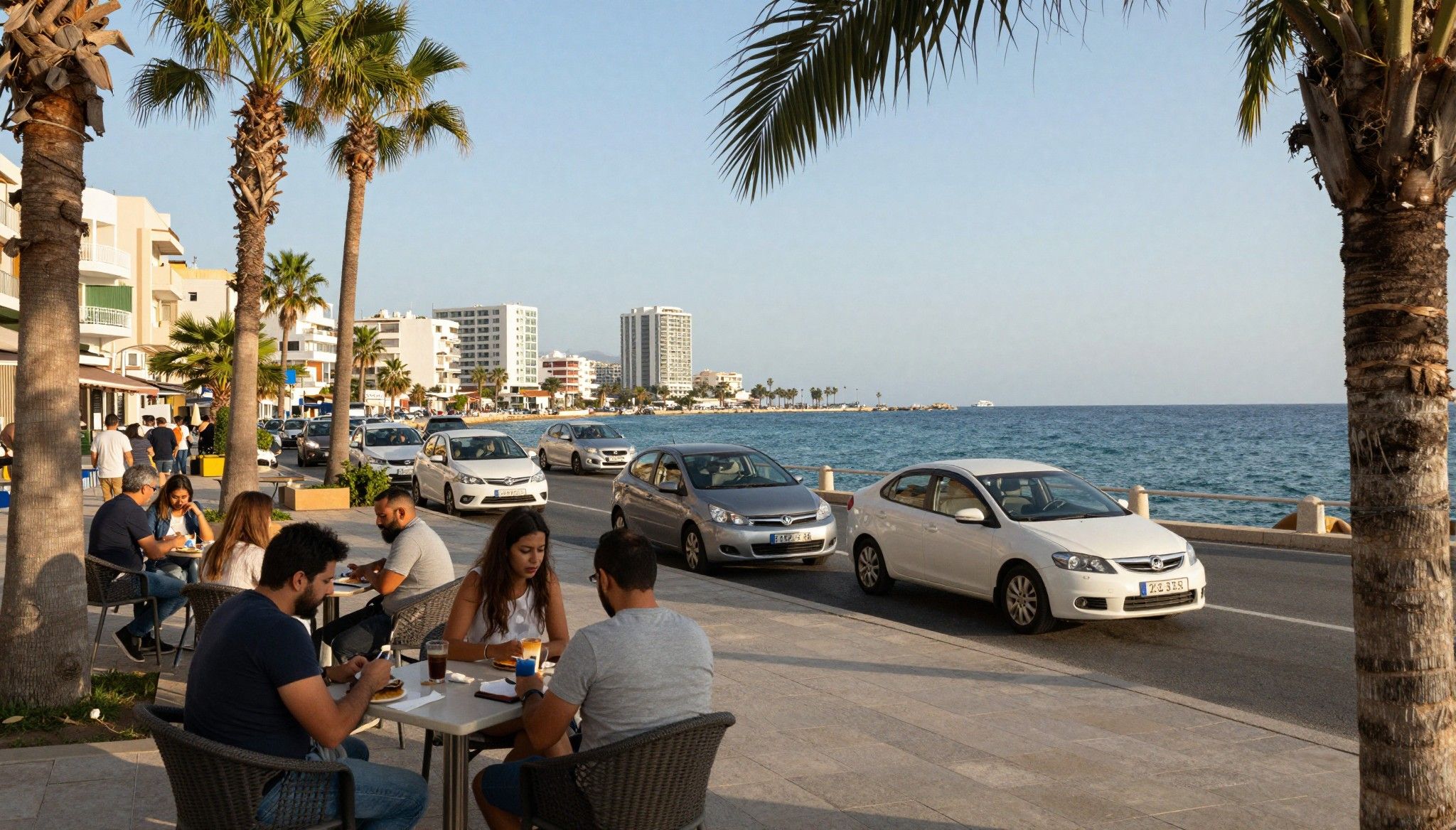
Imagine sipping strong coffee at a café on Mackenzie Beach at 08:30, then walking five minutes to inspect a two-bedroom apartment where morning light floods the balcony — that same apartment can be a holiday short‑let in summer and a steady long‑term rental in winter. Cyprus feels like this: small islands of intense coastal life, slow mountain villages, and compact city grids where convenience and seasonality play tug‑of‑war with returns. For an international buyer, the question isn’t whether Cyprus is charming — it is — but which micro‑market turns that charm into measurable yield.
Living Cyprus: daily rhythms that shape value

Cyprus moves on sunlight and sea breezes. Mornings open at local bakeries, afternoons pull families to tavernas, and evenings congregate in pedestrianised squares. These rhythms concentrate rental demand by district: Limassol and Paphos attract year‑round ex-pat and tourist stays, Larnaca pulses with emerging international buyers, while Nicosia supports steady tenant pools linked to government and services. Those patterns are visible in price maps and explain why price per square metre varies widely across districts.
Coastlines and commuter belts: Limassol, Larnaca, Paphos
Limassol’s waterfront commands the highest asking prices — a premium driven by finance, conferencing and luxury development — while Larnaca’s coastline is quietly building international market share because of lower entry prices and growing airport‑linked demand. Paphos blends retiree attraction with holiday lettings; each coast delivers a different tenant profile and therefore a distinct yield profile for investors.
Inland life: Nicosia’s rental reliability
Nicosia lacks the postcard beaches, but it delivers stability. Public sector employment, universities and a denser, year‑round tenant pool make Nicosia properties less seasonal and attractive to investors targeting predictable occupancy rather than peak summer rates. The national House Price Index records this structural difference between coastal and inland districts.
Making the move: practical buy‑and‑live trade‑offs
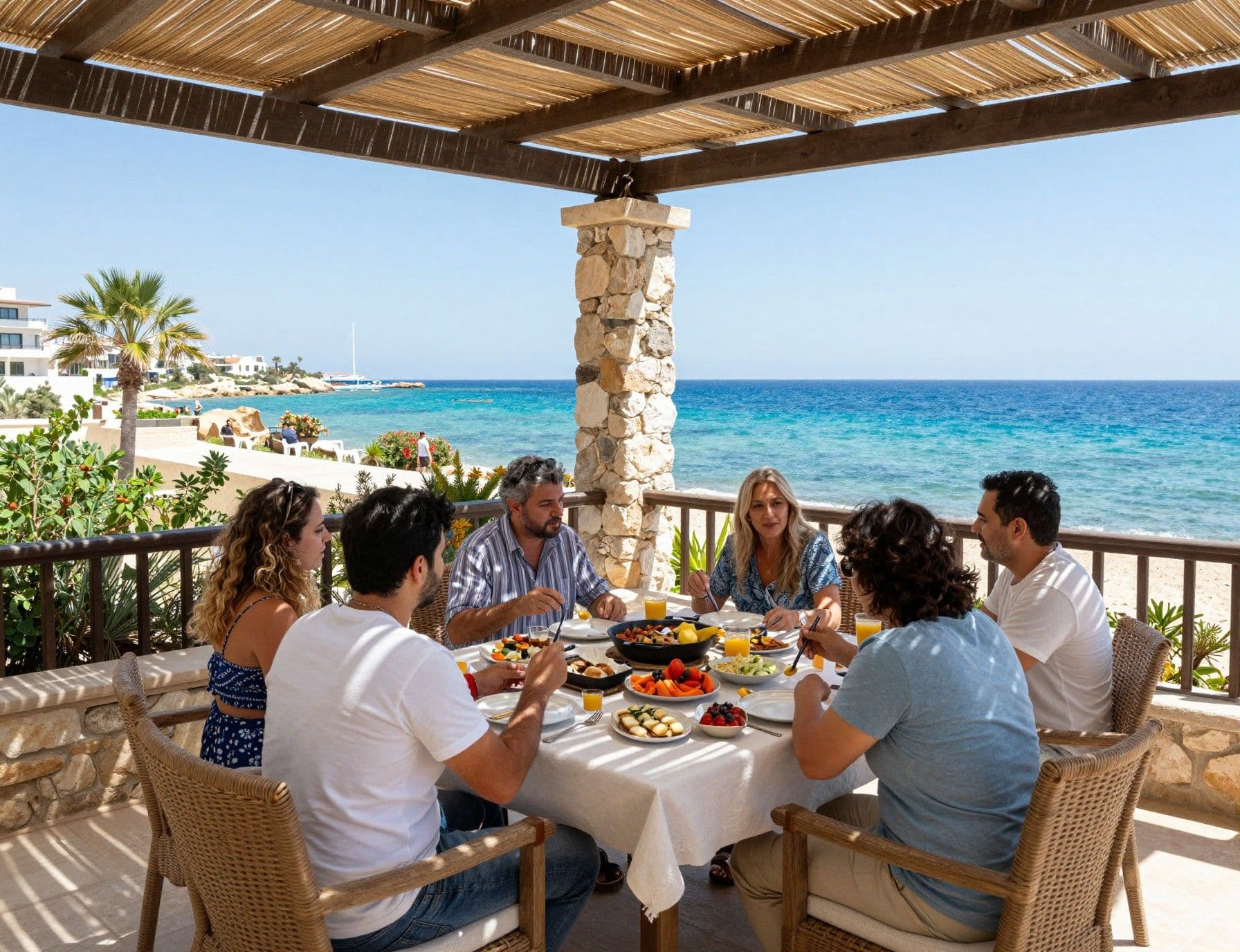
You can fall in love with a terrace view and still lose money if you mismatch use case and market cycle. Recent industry reports show foreign buyers remain a significant part of transactions; that skews demand to coastal apartments and luxury stock. Translate that into action: if you want yield, target neighbourhoods where local rental demand offsets seasonal swings and where asking prices haven’t priced in full tourist premiums.
Property types and the lifestyle‑yield equation
Apartments dominate recent sales volumes — so much so that new‑build apartment stock drives market pricing and rental norms. Apartments deliver higher gross yields (typically 4.5–5.5% island‑wide) and easier management for remote owners; houses offer capital upside but lower yields and higher running costs. Choose the asset that fits your expected tenancy profile: short‑let tourists, medium‑term expat professionals, or long‑term local tenants.
Steps to match lifestyle goals with market realities
Define target tenant and occupancy (short‑let vs year‑long).
Map micro‑markets: compare price/sqm, typical yields and seasonal vacancy for 3 nearby neighbourhoods.
Stress‑test cashflows with conservative occupancy assumptions (use 60–70% for short‑let outside peak months).
Require local comparables from agents and corroborate with official HPI and Land Registry sales data before offer.
Insider knowledge: myths, micro‑markets and seasonality
Myth: Cyprus is uniformly 'expensive'. Reality: national averages hide pockets where price growth lags demand, creating pockets of stronger gross yields. Central bank and CYSTAT data show steady island‑wide price growth but uneven district performance — an investor who drills to street level will find value where locals still dominate pricing.
The neighbourhood locals avoid (and why that helps returns)
Fringe suburbs just inland from Limassol’s seafront, secondary streets off Larnaca’s marina and older blocks near Paphos’s port attract lower headline prices yet sit within easy reach of amenities. Locals may avoid them because of perceived noise or older building stock — but for buyers focused on rental yield and cost basis, these are often the best risk‑adjusted plays after modest refurbishment.
Quick red flags to check before you bid
No clear ownership title history or unregistered extensions.
Planning restrictions that block conversion to multiple units (important for yield stacking).
Energy inefficiency in older stock — upgrades materially affect operating costs and tenant appeal.
Tourism dependence: properties that lose >50% occupancy outside May–September need conservative cashflow modelling.
What expats wish they'd known (practical next steps)
Expats often tell the same story: they bought a 'sea view' and later learned that managing seasonal change, service charges and tax registration mattered more than the view. Start with a local agent who provides verified comparables, hire a solicitor early to check title and planning, and model net yield (after service charges, insurance, property management and conservative vacancy).
How to work with agents without losing objectivity
Ask agents for three sold comparables with transaction dates, request utility and service charge records, and insist on seeing the land registry extract. Cross‑check their asking‑price claims against CYSTAT and Land Registry filings. Treat agents as data providers rather than cheerleaders.
A practical buying checklist (minimum viable due diligence)
1. Confirm title and any encumbrances with a Cypriot solicitor.
2. Verify recent sold prices (not asking prices) for the street/block via Land Registry.
3. Build a 5‑year cashflow model including realistic vacancy, maintenance and tax assumptions.
4. Budget for immediate works (insulation, windows, plumbing) that lift occupancy and tenant quality.
Cyprus offers a blend of sun, culture and compact markets that reward buyers who look past the postcard. Use official data (CYSTAT HPI, Central Bank and audited industry reports) to triangulate asking prices, focus on micro‑markets where local demand steadies seasonality, and treat agents as one input among several. With disciplined due diligence and conservative modelling, the island’s lifestyle and returns can coexist.
Swedish financier who guided 150+ families to Spanish title deeds since relocating from Stockholm in 2012, focusing on legal and tax implications.