Why France’s Secondary Cities Often Beat Paris for Yield
Secondary French cities often deliver higher net yields than Paris; match lifestyle signals (markets, transport, universities) to financial models and check DPE and rent controls.

Imagine morning light on a boulangerie-lined street in Nantes, then imagine the same budget buying a compact, high-yield apartment in Grenoble — two very different French mornings. For international buyers who love France's daily textures (cafés, marchés, neighbourhood boulangeries) the investment question is rarely: "Can I afford France?" It's: "Where in France will my capital work hardest, without killing the lifestyle?" According to recent market analysis, large-city price concentration and local rent controls have rewritten where yields truly live.
Living the France lifestyle — beyond Paris postcards

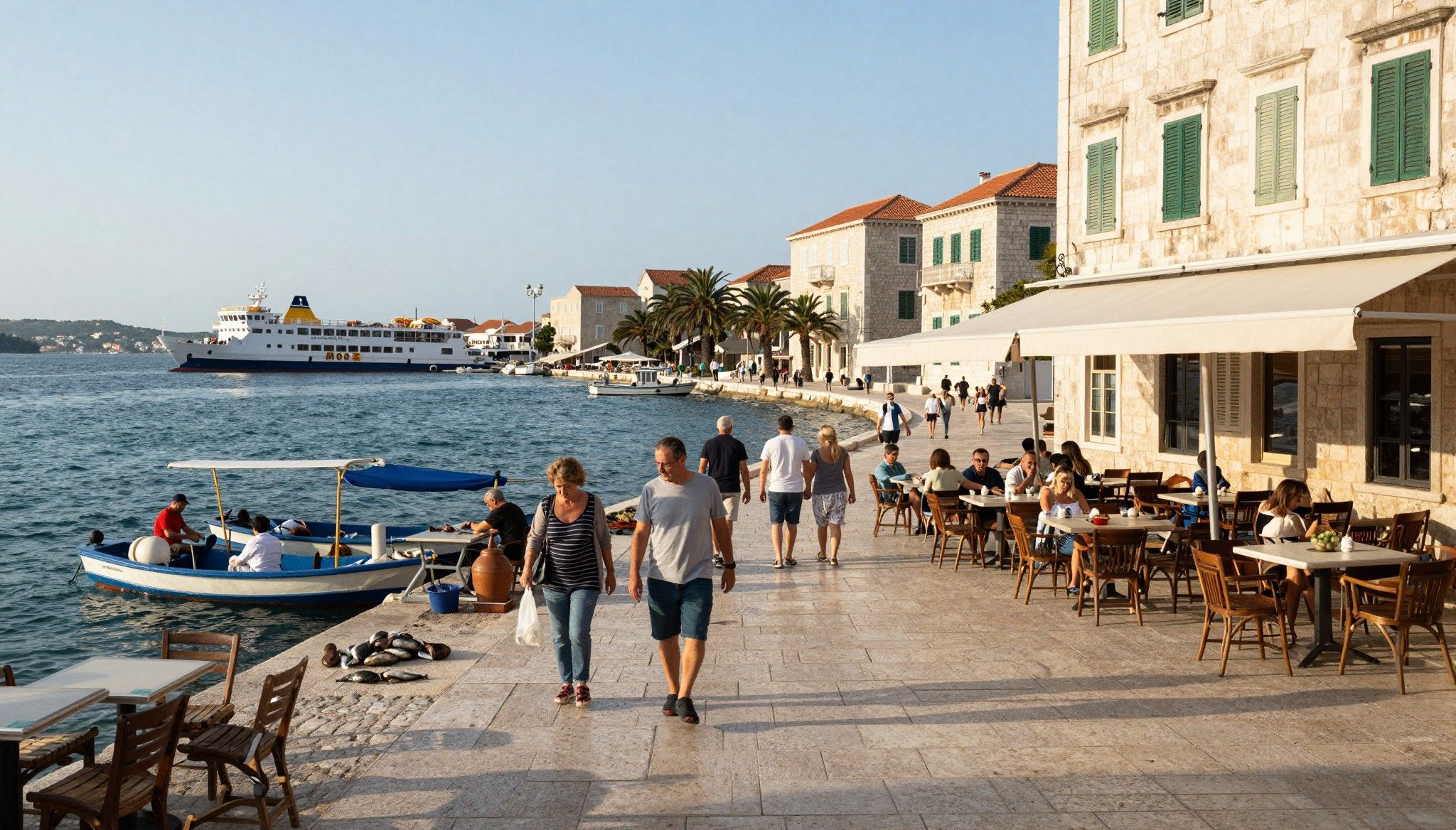
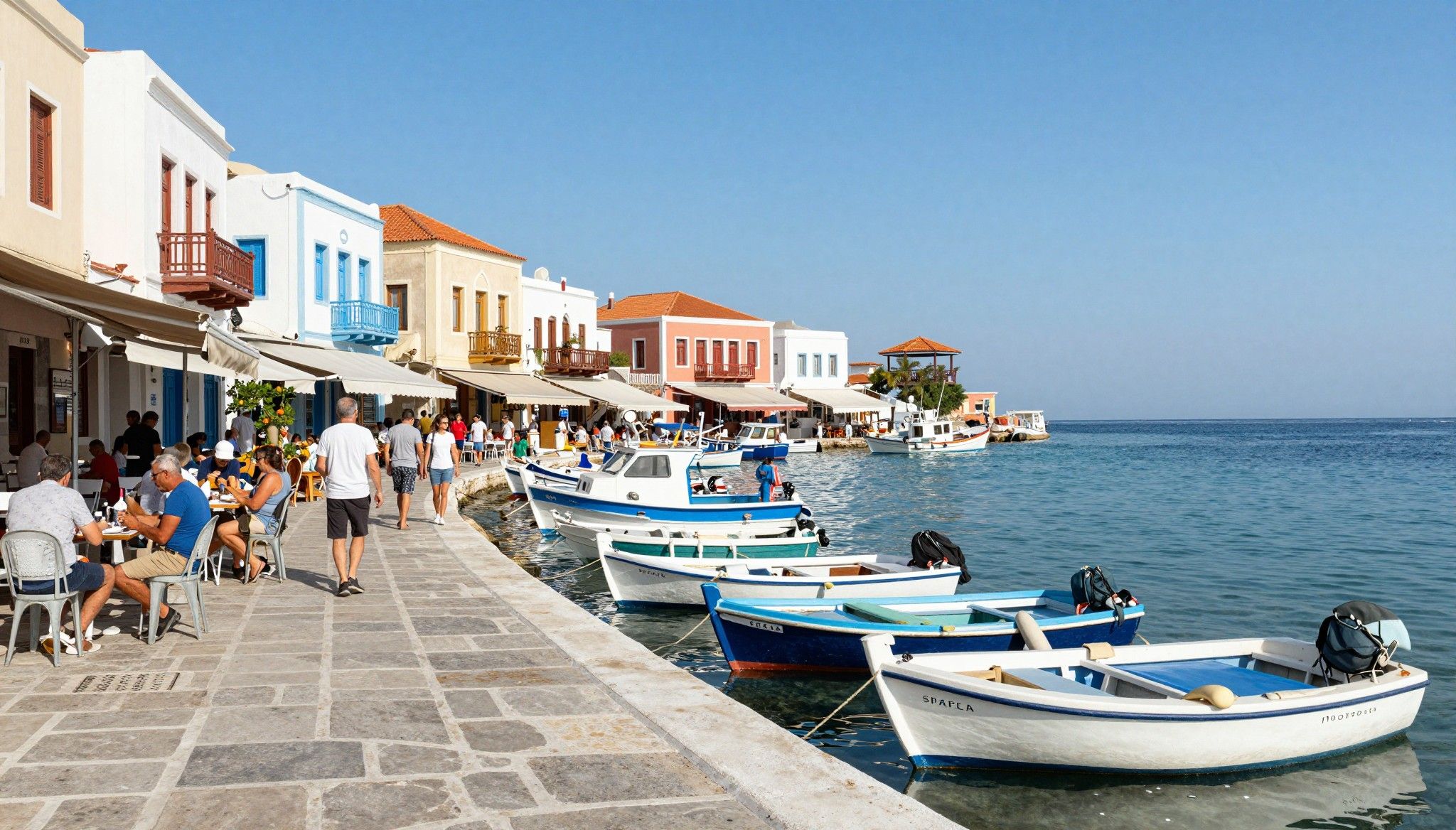
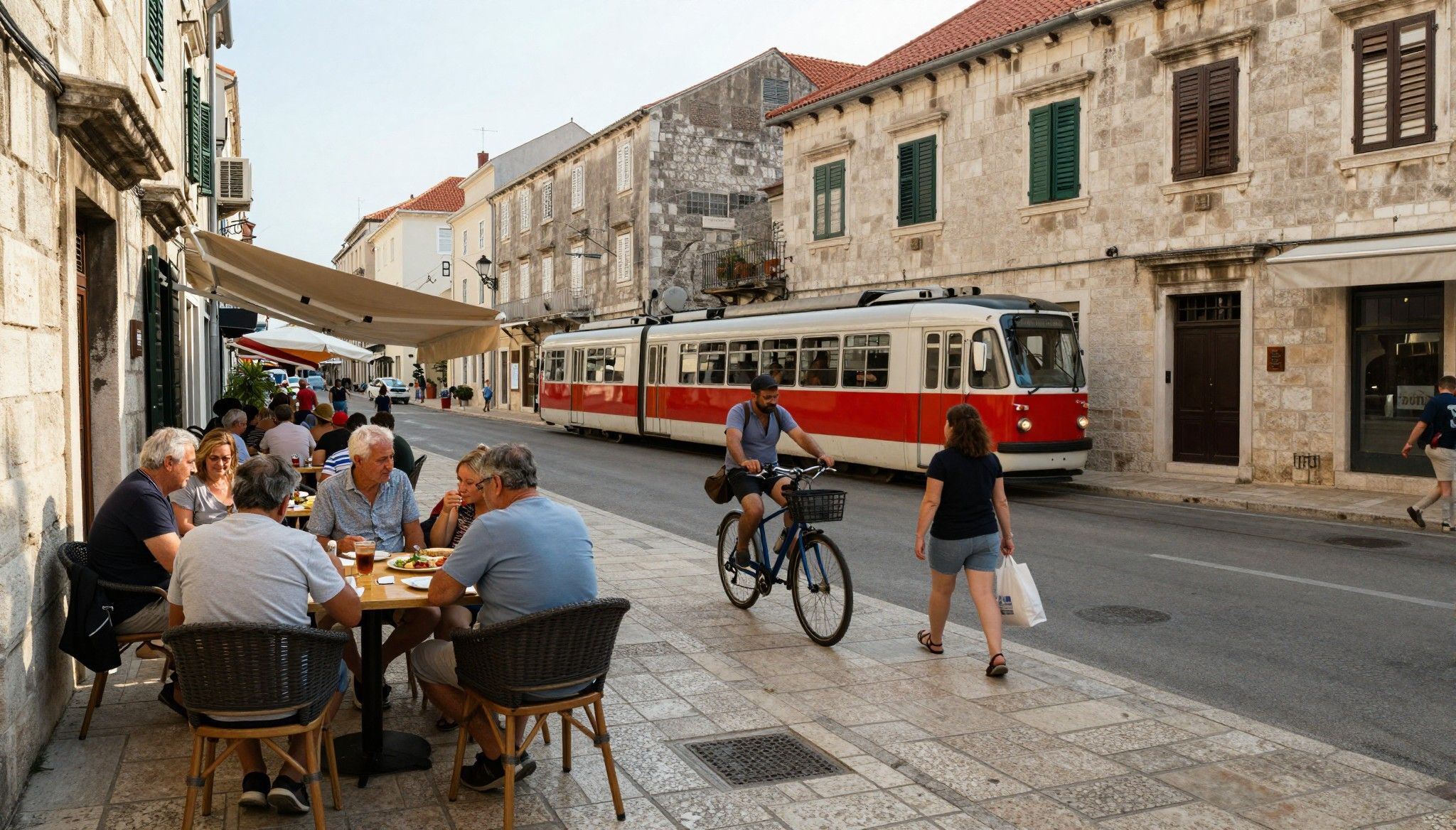
France is not a single rhythm but a collage of daily lives: morning markets in Brittany, terrace aperitifs on the Côte d'Azur, tram-line commutes in Lyon, student energy in Montpellier. For buyers, that means lifestyle choices map directly to micro-markets — a fisherman's lunch at the Vieux Port in Marseille signals a rental market oriented to short lets and seasonal demand, while a rue calme in Strasbourg signals longer-term family tenancies.
Neighbourhood spotlight: Nantes’ Île de Nantes vs Paris 11e
Walk Île de Nantes at 9am and you'll meet young families, start-ups and canal-side cafés — a modern, livable mix that has driven steady demand without Paris-level price inflation. Contrast that with the 11th arrondissement in Paris: instant atmosphere but acquisition prices that compress gross yields. The practical result: similar lifestyle quality at very different price points and yield profiles.
Food, markets and seasons as lifestyle signals
Seasonality in France isn't only Mediterranean sun. Winter markets in Alsace and harvest season in Bordeaux alter rental demand and local economies — meaning a buy-to-let in a wine-region village will follow a different occupancy cycle than a student flat in Rennes. Taste and calendar shape cashflow.
- Lifestyle highlights: real places, real signals
- Île de Nantes — canals, tech incubators, family demand
- Vieux Port, Marseille — seasonal tourists, higher turnover
- Grenoble centre — student and professional rental pool, strong yields
Making the move: practical considerations that respect lifestyle

Market data from government statistics and industry reports show divergent trends: national averages mask city-level swings. Where Paris shows long-term capital security, secondary cities often deliver materially higher gross yields. Use both sets of evidence to match lifestyle wishes with financial targets.
Property styles and how you’ll actually live in them
Haussmannian flats in Paris offer cachet and stable capital values but low gross yields. New-build apartments in Nantes or Rennes offer modern amenities that attract long-term tenants and reduce renovation surprises. Old stone cottages in Dordogne provide style but higher operating costs and seasonal demand profiles — match asset type to intended use (long-let, seasonal, or mixed).
Working with local experts who know both life and numbers
Local notaires, tax advisors and letting agencies are indispensable — not for sales gloss but for granular inputs: actual net yields after charges, realistic occupancy rates, and DPE (energy) compliance timelines. Choose partners who can quantify tenant demand curves and expected capex, not just sell the view.
- Checklist blending lifestyle and practical due diligence
- 1. Confirm realistic gross and net yield assumptions using recent comparable transactions and local rent data.
- 2. Request recent DPE (energy performance) reports and factor renovation timelines and costs into cashflow models.
- 3. Check local rent regulation zones (encadrement des loyers) — Paris, Lille and Lyon have tighter caps.
- 4. Layer lifestyle signals (transport, markets, universities) onto yield forecasts — they drive demand stability.
Insider knowledge — contrarian truths expats wish they’d known
Here are three contrarian observations backed by market behaviour: secondary cities often outperform Paris on yield, rent caps distort short-let strategies in dense metro areas, and energy regulation (DPE) is now a principal driver of hidden renovation costs. These are not anecdotes — they show up in transaction data and policy changes.
Cultural integration and the daily realities that affect tenancy
Language and neighbourhood rituals matter to tenancy: weekly marchés, municipal school zones, and tram connectivity correlate strongly with longer tenancy durations. Notaires and INSEE data show that where local services cluster, vacancy falls — a simple behavioural truth that protects rental income.
Long-term lifestyle sustainability and portfolio thinking
Think in decades. Urban planning (tram lines, university expansions), demographic trends, and national policy on energy and rents will reshape total returns. Data-driven investors favour a portfolio mix: one secure capital city holding plus two secondary-city income engines — that structure balances appreciation and cashflow.
- Red flags and quick checks
- Rapid price growth with no corresponding employment or transport investment
- High DPE 'F/G' rating without a clear renovation plan
- Relying solely on tourist-season cashflow for mortgage service
France offers a daily-life richness few countries match. For international buyers, the smarter move is to localise: choose cities where the lifestyle you want coincides with a market structure that supports net yield. Secondary French cities — Nantes, Grenoble, Rennes, Marseille suburbs — often provide that alignment.
Conclusion — a practical next step: shortlist two lifestyle cities and run parallel financial models (gross/net yield, vacancy sensitivity, renovation capex). Hire a local notaire and an agency that reports on real occupancy and DPE risks. That modest extra work turns a dreamy French morning into a reliable investment return.
Swedish financier who guided 150+ families to Spanish title deeds since relocating from Stockholm in 2012, focusing on legal and tax implications.