Why Croatia’s Coastal Hype Masks True Yield Winners
Coastal romance can mask where real net yields live in Croatia — inland and well‑connected micro‑locations often outperform postcard properties when modelled conservatively.
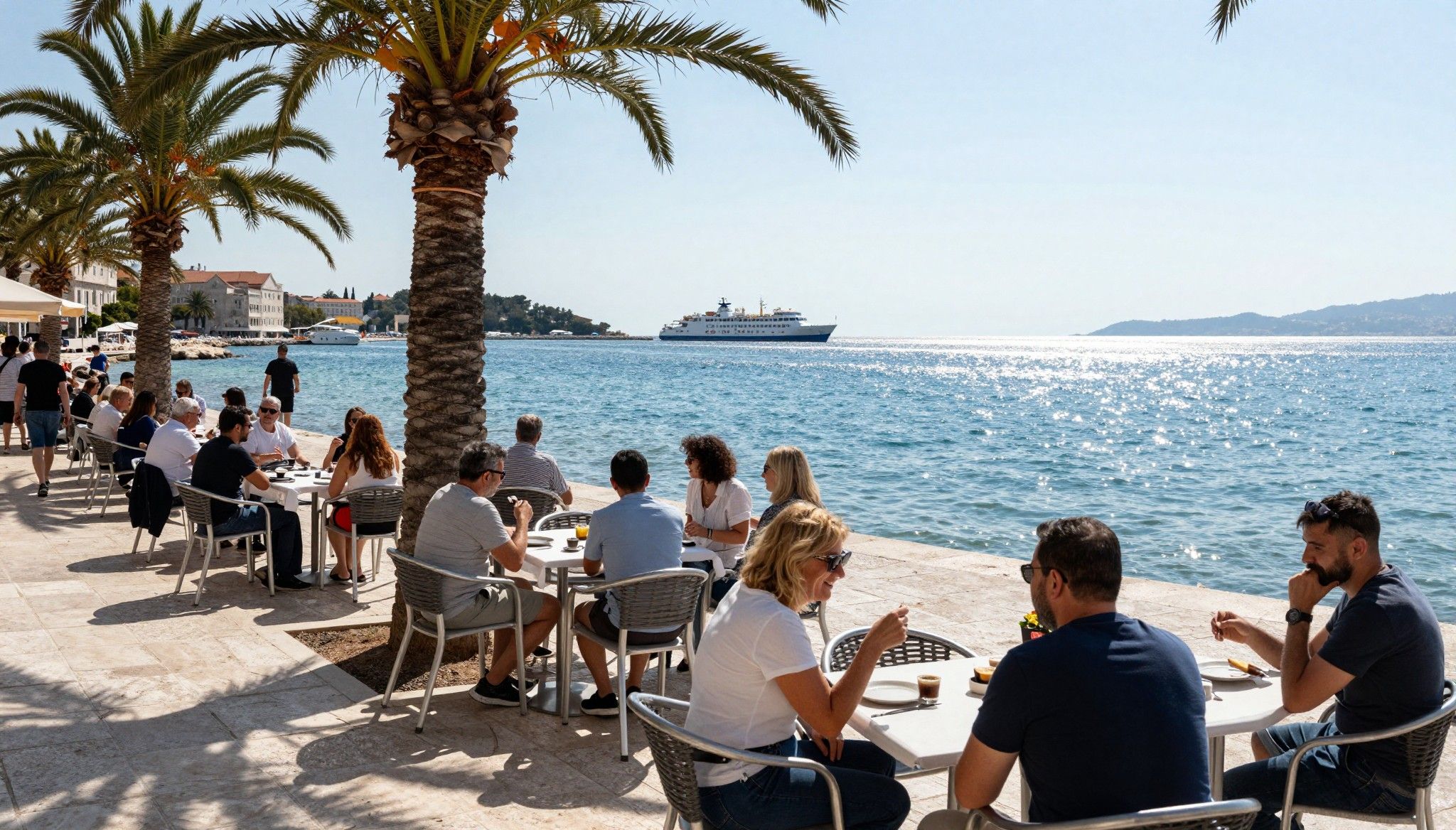
Imagine sipping an espresso on Split’s Riva at 9am, then walking five minutes to a stone courtyard where a one‑bed flat — well‑located for tourists but cheap to run — pulls a steadier yield than the postcard penthouse. Croatia sells a Mediterranean fantasy: islands, UNESCO walls and ferry‑bound summers. The investment truth is messier and more interesting: location, seasonality and tenant type determine income far more than sea views alone.
Living Croatia: the rhythms investors fall for

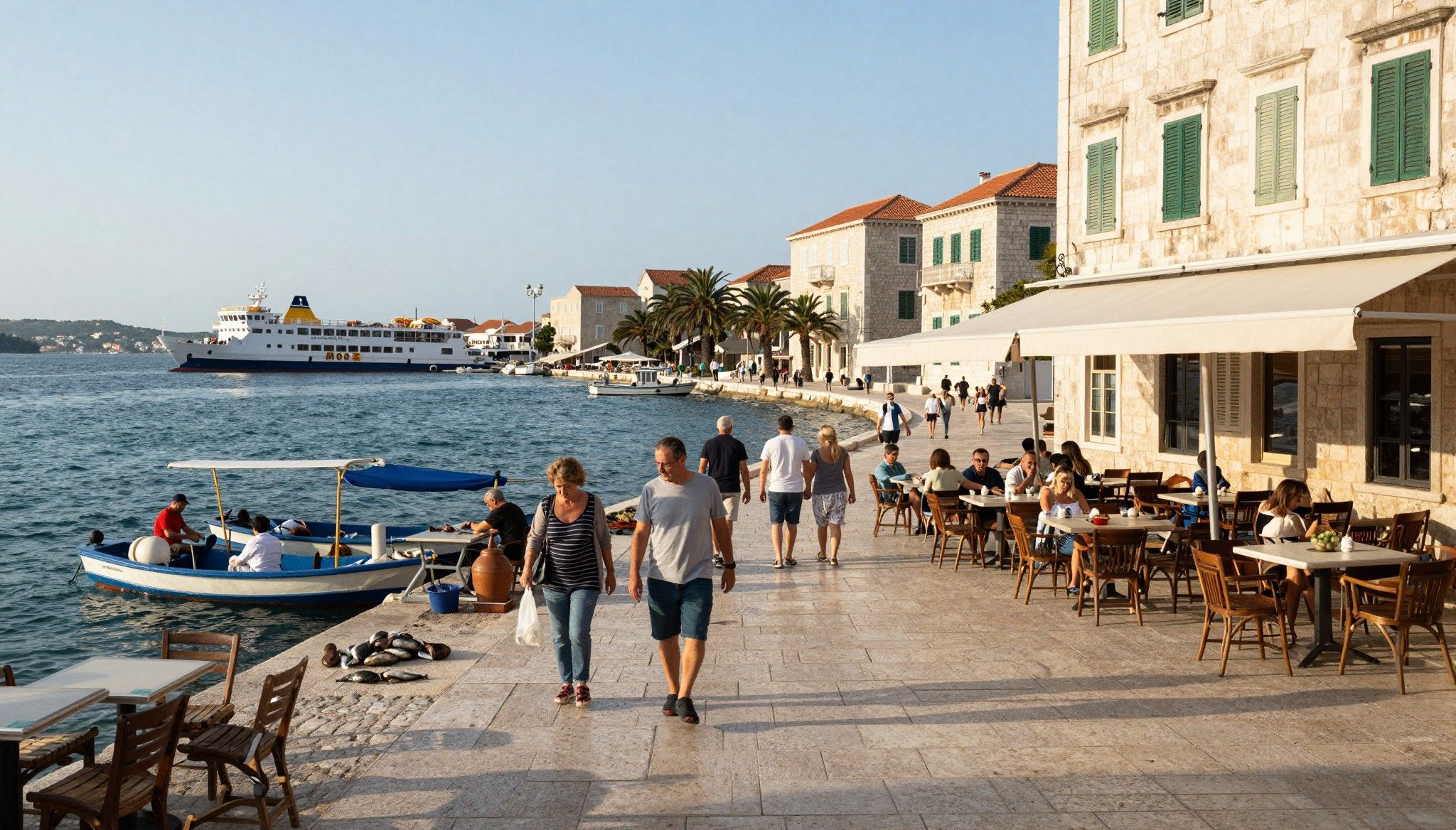
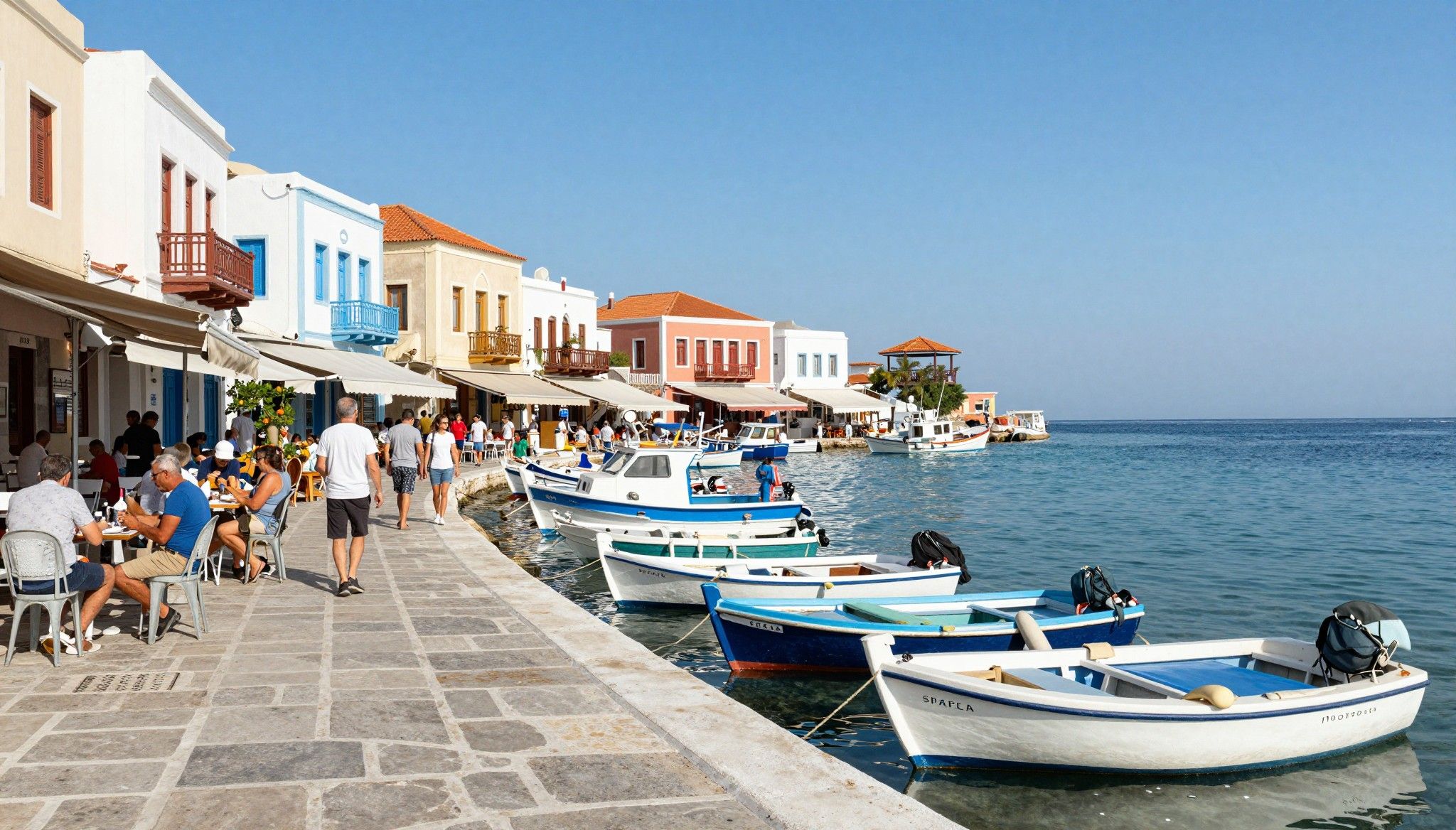
Croatia’s everyday life balances Adriatic leisure with Central European practicality. Mornings begin at bakeries and markets (Dolac in Zagreb, Pazar in Split), afternoons are for beaches or promenades, and evenings move slowly: family dinners, local konobas and small concerts. This tempo shapes demand — short‑let tourists peak in July–August, while year‑round renters prefer central neighbourhoods with services and transport.
Zagreb’s central streets: steady demand off the coast
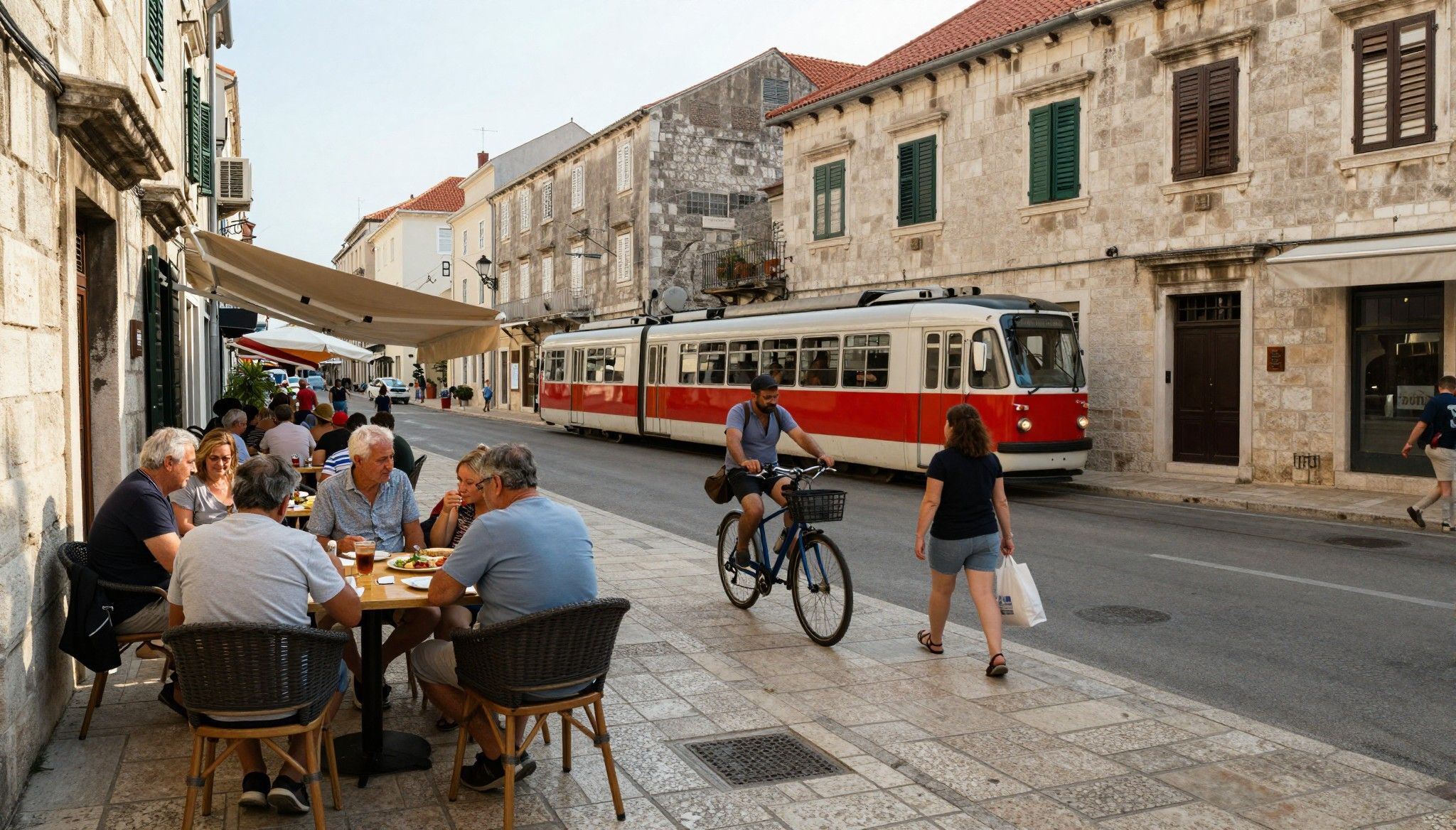
Walk down Ilica or Petrinjska and you’ll see why investors underestimate Zagreb. The city supplies stable long‑term rental demand from students, public servants and tech workers. Prices per square metre are materially below Dubrovnik or Split, but net rental yields are often higher because occupancy is year‑round and maintenance costs are lower than coastal holiday stock.
Split & Dalmatian towns: seasonal upside, specific risks
Split and its islands command premium asking prices — Split’s average asking price rose above €5,000/m² in recent reporting — driven by tourism and limited city centre stock. That premium buys strong short‑season yields but introduces vacancy and management cost risk outside peak months. For yield‑focused buyers, micro‑location (near ferry links, hospitals, or universities) matters more than being on the seafront.
Making the move: practical price & yield considerations

Price growth has been strong: national indices and market portals report double‑digit annual gains at times, but regional dispersion is extreme. The Croatian National Bank shows rising housing loans and tightening lending metrics; Eurostat confirms above‑average property inflation versus many EU peers. For buyers, the key is isolating net yield (gross rent minus operating costs and taxes) and stress‑testing it under off‑season occupancy and loan‑rate scenarios.
Property types that match income objectives
Historic stone apartments in walled towns often command tourist premiums but need higher capex for compliance and wear. Modern apartments near transport hubs attract long‑term tenants and lower management overhead. Villas and detached houses deliver lifestyle value but dilute yield unless rented to villa groups. Match asset type to your target tenant profile: short‑let, academic/medical long‑let, or premium professional long‑let.
A short decision checklist blending lifestyle with yield
1) Define tenant type and realistic occupancy rates (e.g., 70% for coastal short‑lets outside peak months). 2) Model net yield: deduct 10–20% for management, 5–10% for maintenance, local taxes and utilities. 3) Stress‑test loan scenarios with 200–300bps higher interest rates. 4) Prioritise locations with diversified demand (universities, hospitals, ports). 5) Confirm local agency experience in both seasons and tenant types.
Insider knowledge: what expats and local agents actually say
Expats commonly regret buying purely for views and then discovering the management burden and seasonal vacancy. Local agents emphasise micro‑factors: proximity to ferry timetables, municipal parking rules, and age of the building (older stone buildings often lack insulation). These granular items materially affect net yields and tenant appeal.
Cultural and seasonal realities that change returns
Croatia’s slow winter rhythm reduces footfall in resort towns; utilities and repairs are harder in January and February. Conversely, festivals (e.g., Split Summer Festival) and island regattas spike short‑term demand. Factor festival calendars into pricing strategies and avoid assuming summer rates translate into year‑round performance.
Local tips from agents and seasoned expats
• Target flats near hospitals or universities for stable, year‑round tenants. • Choose properties with simple layouts and low bespoke finishes to reduce turnaround costs. • Prefer ground‑floor units with separate laundry/entrance for short‑let groups. • Insist on professional inventory and documented maintenance schedules before purchase. • Budget for winterised storage and off‑season marketing to keep occupancy above break‑even.
Data snapshots: recent market trackers show average asking prices around €3,600–€4,000/m² nationally with coastal hotspots above €5,000/m², while gross yields typically sit in the mid‑3% to low‑5% range depending on city and tenant mix. These figures imply that yield‑focused buyers must rely on careful cost control, higher occupancy, or value‑add renovation to reach target net yields.
A pragmatic six‑step buying process that protects yield
1) Define target yield and tenant profile. 2) Screen micro‑locations (transport, services, seasonality). 3) Request three years of comparable rental data and occupancy patterns. 4) Perform a conservative cashflow model including 20% vacancy buffer. 5) Use a local lawyer for title, technical inspection and municipal checks. 6) Appoint a property manager with off‑season marketing capability.
How local agencies become yield enablers
Good local agencies are translators: they turn lifestyle briefs into data‑checked investment briefs. Expect them to supply comparable rents, seasonal occupancy curves, and realistic refurbishment budgets. They should advise on yield sensitivity to interest rates and offer trusted property management partners — not just glossy brochures.
Final thoughts: Croatia rewards buyers who separate romance from return. The coast sells the dream; inland cities and well‑connected urban pockets often supply steadier cashflow. If you love the Adriatic lifestyle, marry it to rigorous yield modelling, local micro‑analysis and a management plan that treats the property as an asset, not a holiday souvenir.
Next steps: compile a two‑scenario model (optimistic summer‑weighted and conservative year‑round), interview three local agencies with yield‑case studies, and budget a 10–15% renovation reserve for older stock. Do that and the espresso on the Riva becomes a repeatable return, not just a one‑time thrill.
Swedish financier who guided 150+ families to Spanish title deeds since relocating from Stockholm in 2012, focusing on legal and tax implications.