Croatia: The Price–Yield Split Investors Miss
Croatia’s postcard appeal masks a split market: coastal premiums and seasonal risk versus inland and city pockets with stronger yields—model net returns, not just views.
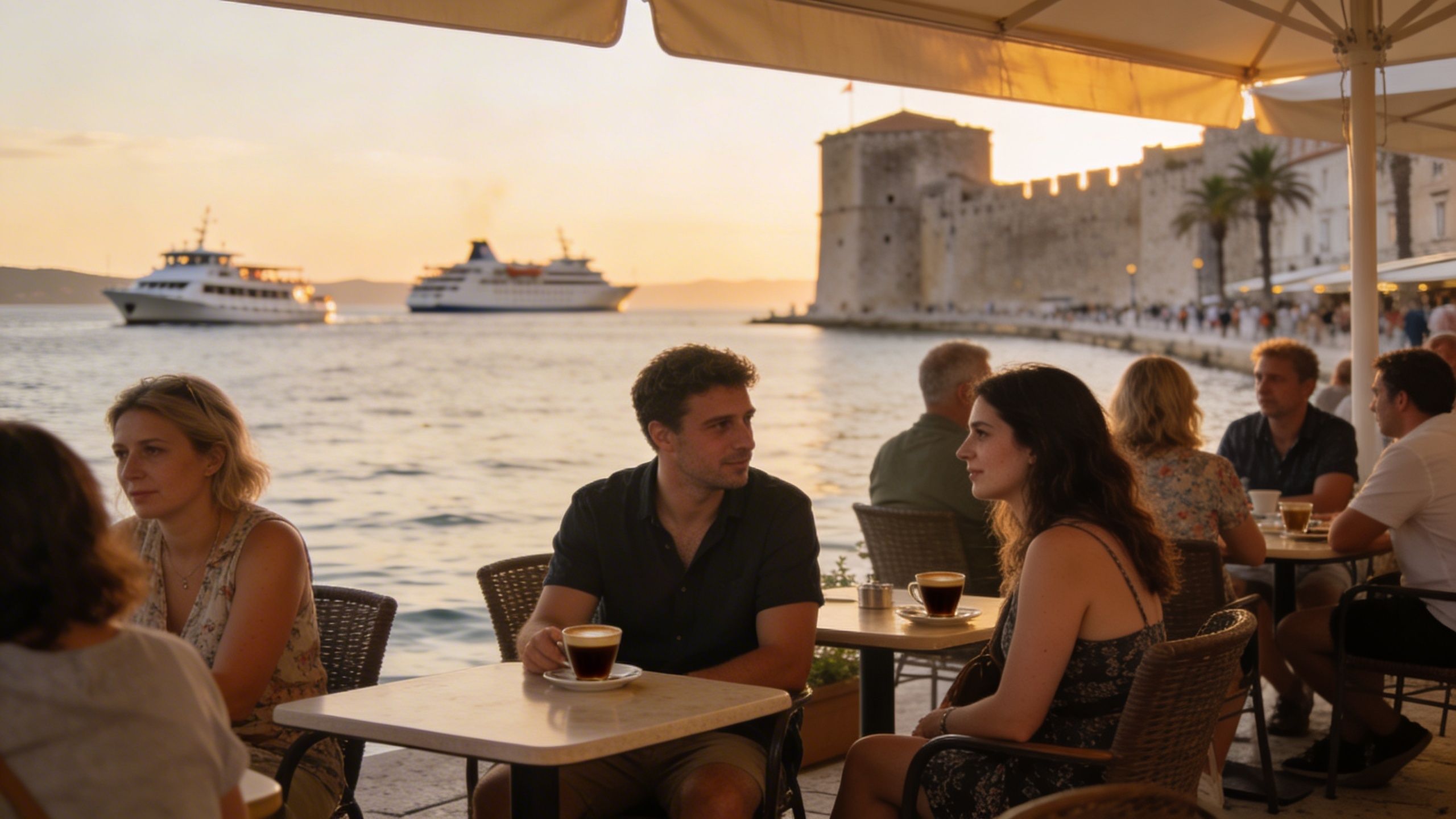
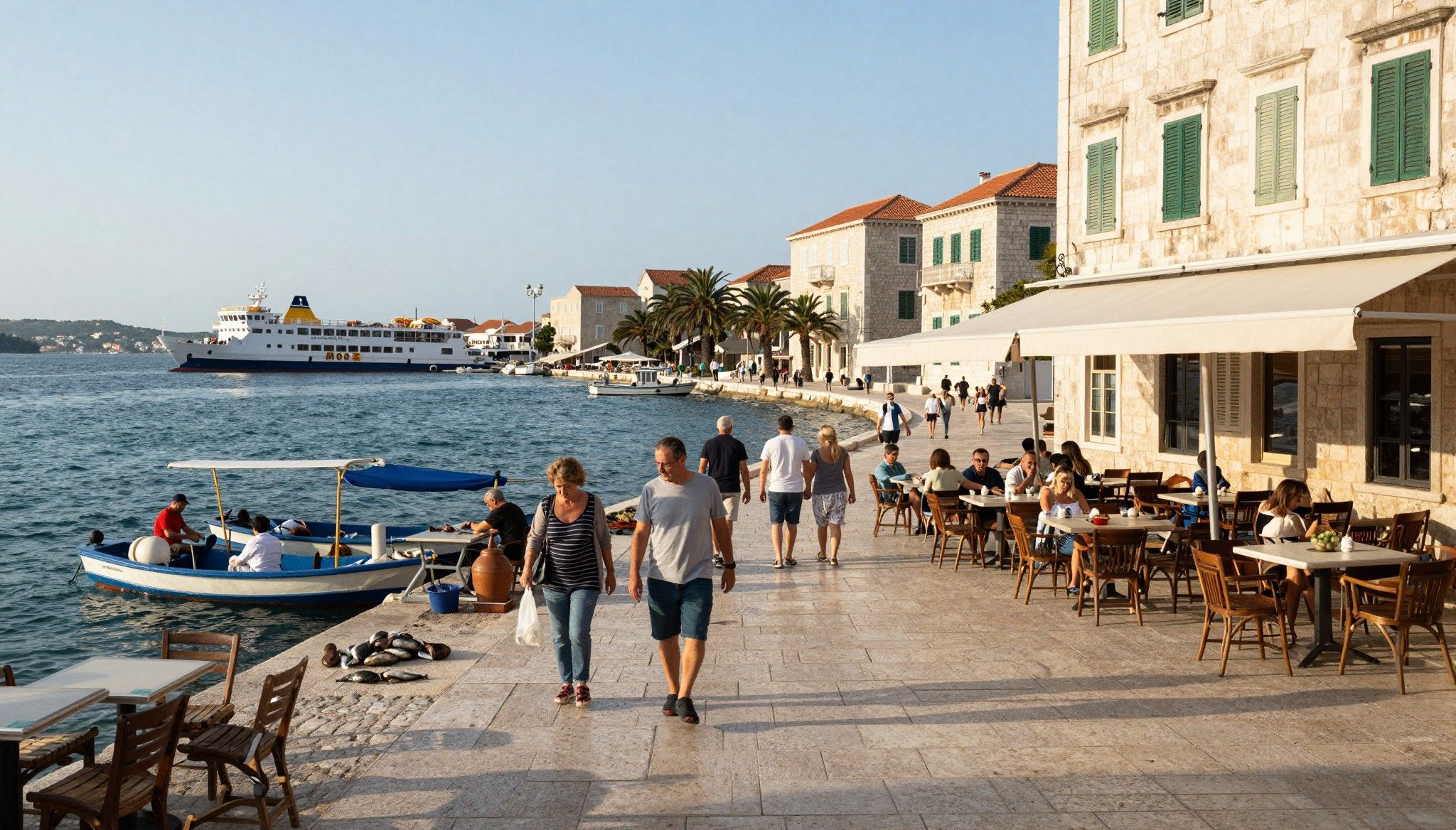
Imagine an early morning in Split: espresso steam rising on Marmontova, fishermen unloading at the Riva, and narrow stone alleys warming in sunlight. That contrast — timeless Mediterranean life beside rapidly modernising markets — is Croatia's real estate reality. For international buyers, the romance is obvious; the analytical question is whether those sunlit squares translate into repeatable returns. This guide combines lived‑in atmosphere with market metrics so you can love the place and still buy with discipline.
Living Croatia: rhythms that shape value
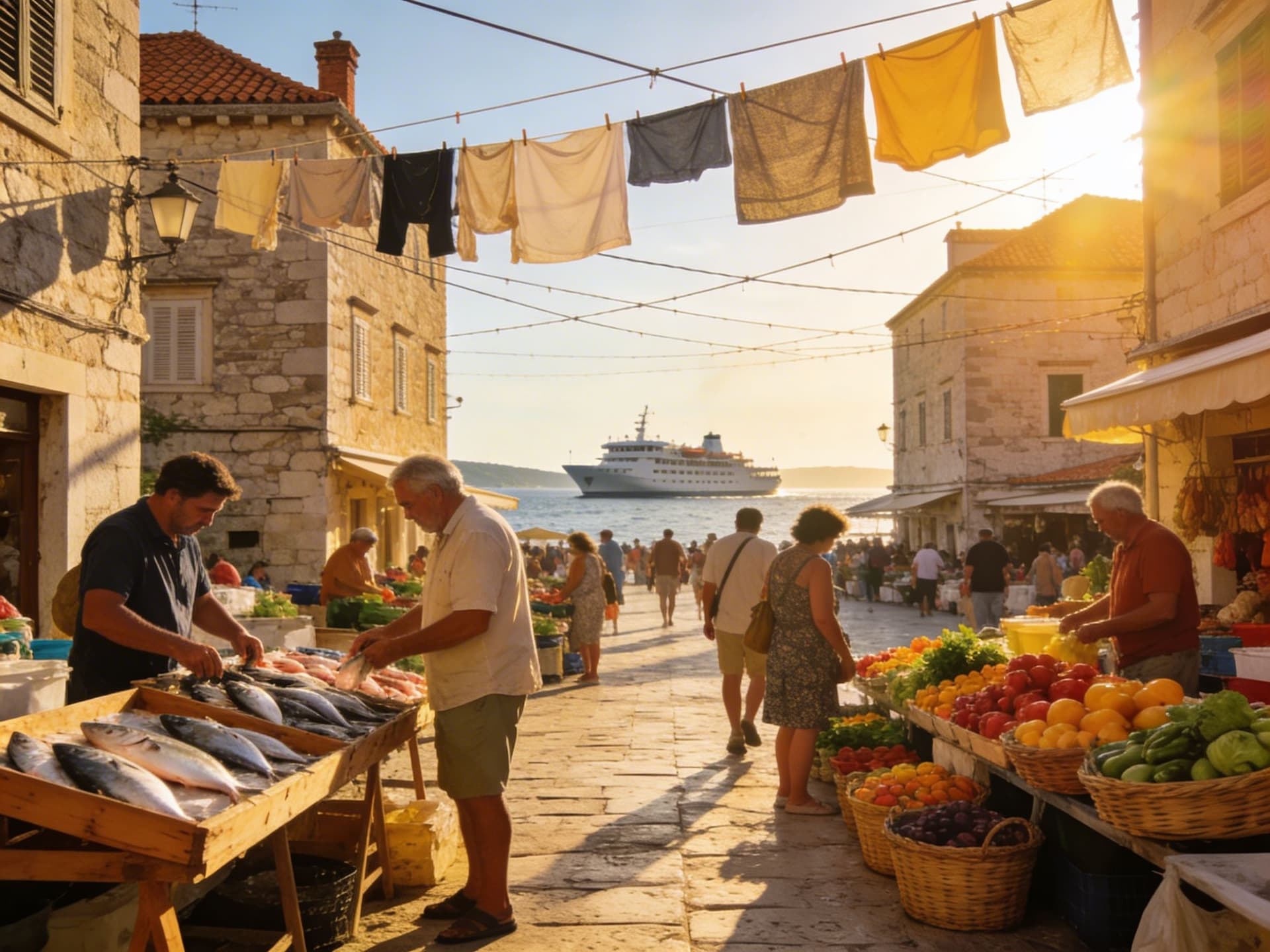
Daily life in Croatia — coastal cafés, weekend markets, ferries to islands — directly informs demand and seasonality. Tourism boom years push short‑let demand on Adriatic islands and Dalmatian cities, while Zagreb’s year‑round economy supports longer tenancy and corporate leasing. Recognising where lifestyle and durable rental demand overlap is central to separating postcard properties from reliable yield generators.
Zagreb and the Continental backbone
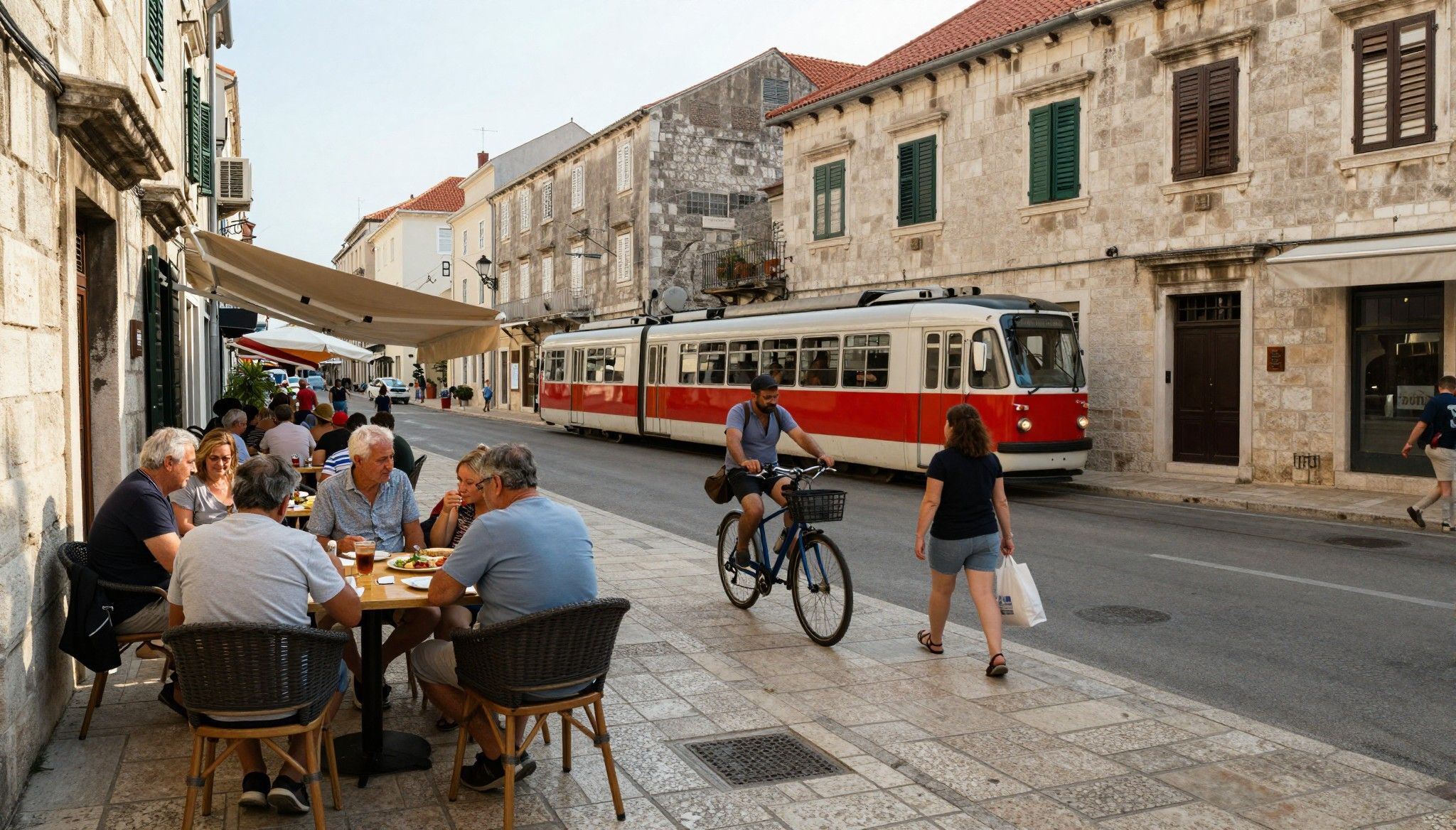
Zagreb feels like a compact European capital: trams, businesses, and a steady student population. That translates into stable rental demand and rising prices; Croatia’s statistics office reported notable price increases in Zagreb relative to coastal areas in 2024. For investors seeking predictable annual income rather than seasonal peaks, Zagreb neighbourhoods such as Vlaška, Ksaver, and Maksimir deserve attention.
Dalmatia: seasonal heat versus long‑term premium
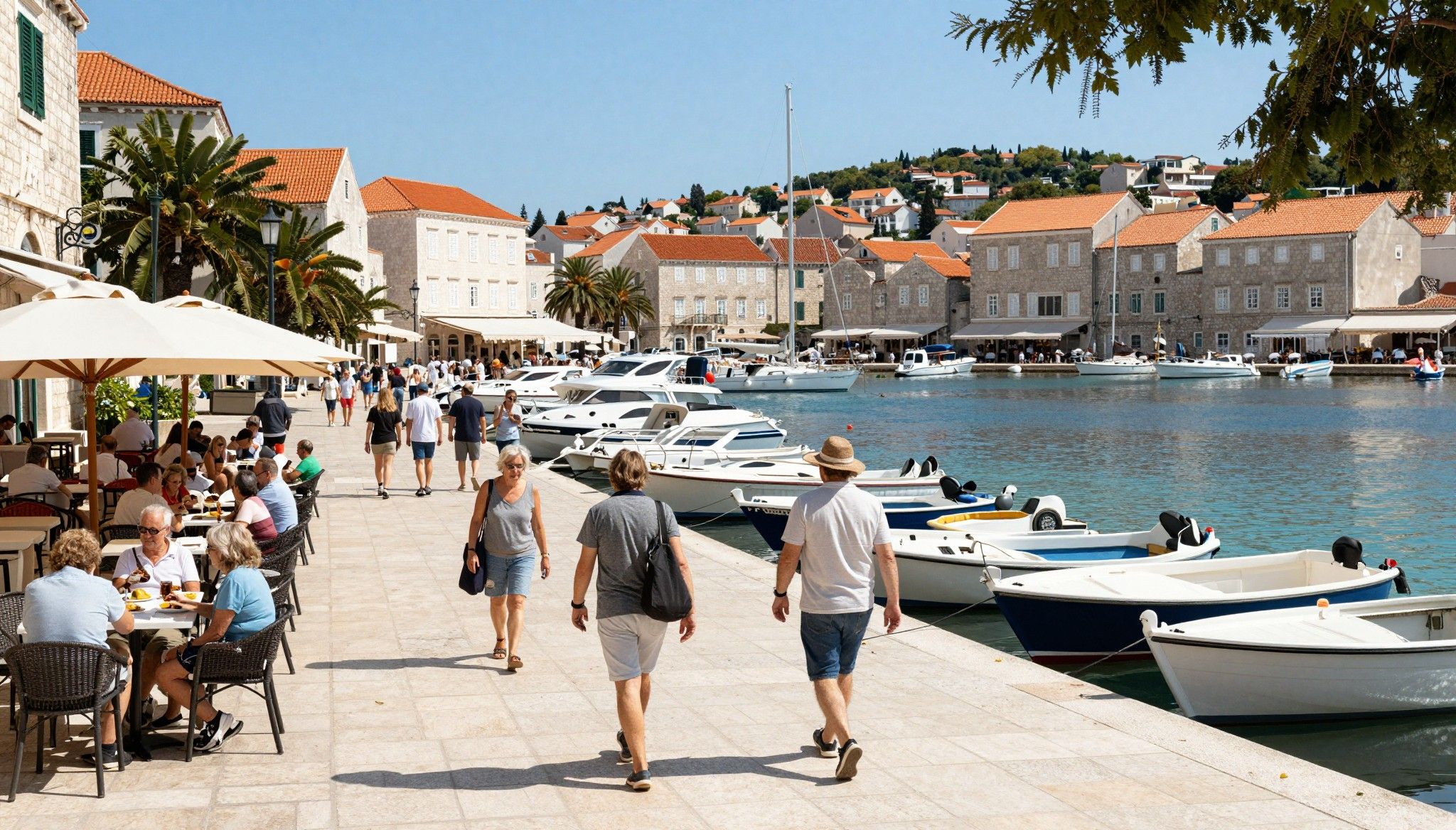
Split, Hvar and Dubrovnik are visceral: turquoise water, UNESCO old towns, and high tourist throughput. Coastal prices, driven by sea‑view premiums and limited supply, can be substantially higher than inland. That premium creates both upside and downside: higher potential resale values but also greater volatility tied to tourism cycles and regulatory shifts in short‑let rules.
Price & yield snapshot — what the numbers say
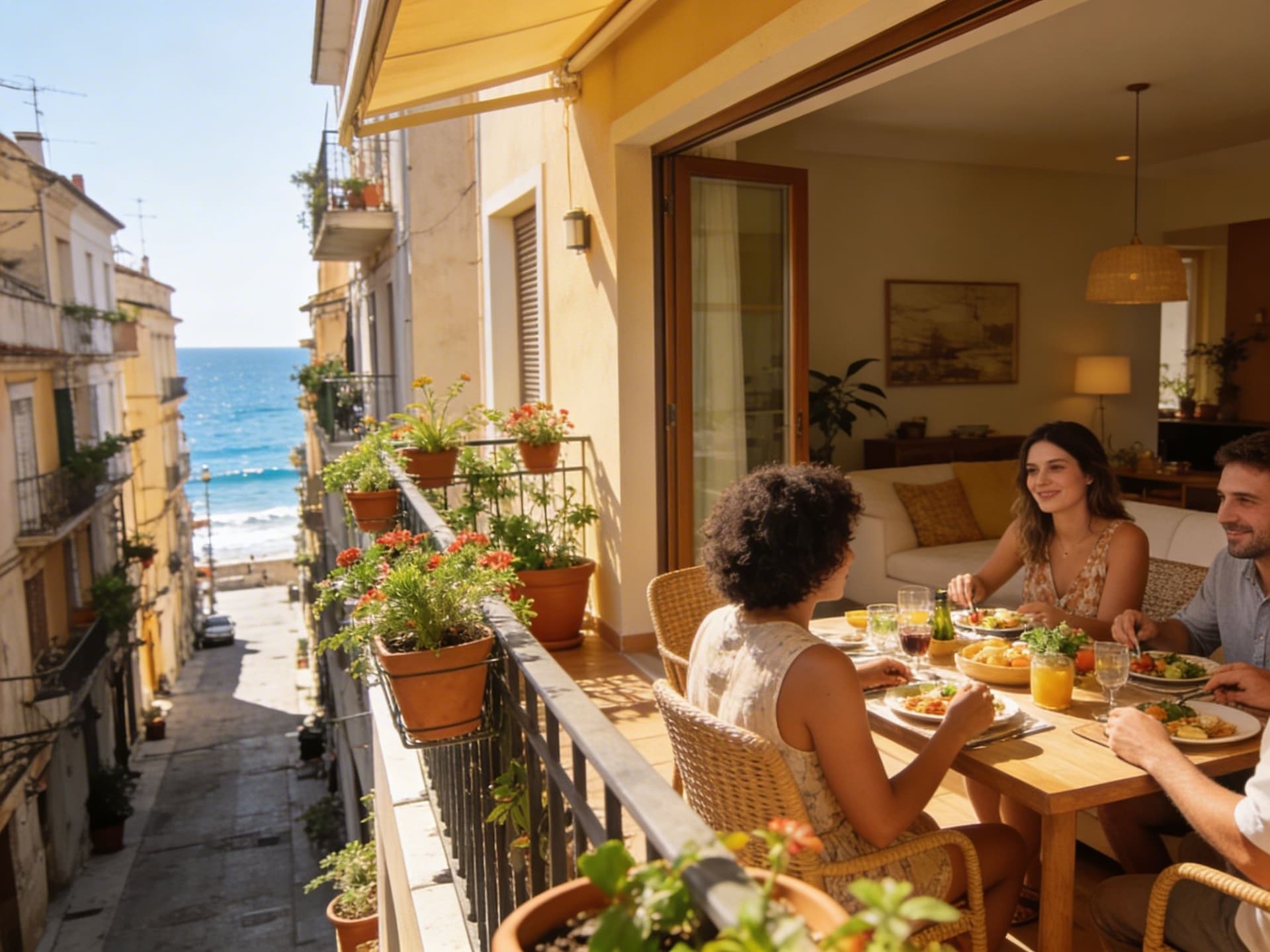
House prices across Croatia posted double‑digit annual gains in parts of 2024; DZS reported a total house price index rise of roughly 10% year‑on‑year in late 2024. Coastal asking prices vary widely: prime Dubrovnik and Hvar can command €3,000–€5,000+/m² depending on location and sea view, while inland counties often sit well below €1,000/m². Rental yields follow this split: prime coastal properties often deliver lower gross yields because prices run ahead of achievable rents, while secondary coastal towns and continental cities can return stronger gross yields.
Where the better yields hide
Contrary to the postcard assumption, the best yield opportunities often appear in mid‑size Dalmatian towns and inland regional centres. These locations combine lower entry prices with steady local rental demand from year‑round workers, students, and domestic tourists. Data from coastal listing aggregates show average coastal m² values rising steeply — meaning an investor must stress‑test rental rates rather than assume every sea‑view will cash flow.
How to read cap rates in Croatia
Cap rate (capitalisation rate) = net operating income / purchase price; use net, after realistic vacancy and management costs. In Croatian coastal markets, expect lower net yields (often sub‑4% gross in prime pockets) once seasonal vacancy, cleaning, and platform commissions are modelled. Inland and student markets can push gross yields into the 5–7% band; after costs, sensible underwriting should target a 3–5% net return depending on location and asset class.
Making the move: a tactical checklist
Don’t buy a postcard; buy a cash flow. Below are practical steps that marry lifestyle intent with robust yield analysis. Each step balances what it feels like to live in Croatia with the financial mechanics that make an investment prudent.
Property types and investor fit
Renovated stone houses deliver character but often carry higher maintenance and conversion costs; modern apartments near transport nodes are easier to manage and appeal to long‑term tenants. Ask whether you want seasonal short‑lets (requires operational capacity) or steady long lets (lower management intensity). Match the property archetype to the tenant profile you can reliably attract.
- Six‑step due diligence process
1) Verify title and coastal zoning with a local notary and municipal cadastre; 2) Model net yields conservatively (vacancy, repairs, utilities, management fees); 3) Cost out any renovation with local contractors and include VAT/taxes; 4) Stress‑test guest nights if planning short‑lets against low‑season occupancy; 5) Confirm long‑term demand drivers (universities, hospitals, ports); 6) Get a local property manager quote before purchase.
Insider knowledge: what expats wish they'd known
Expats often underestimate everyday costs and seasonal idiosyncrasies: ferry timetables that shape island liquidity, summer staffing shortages that inflate service costs, and local festivals that temporarily spike short‑let demand. Many buyers fall for the aesthetic of Dubrovnik or Hvar and neglect tenant mix, yielding disappointment when off‑season rents halve. A practical local network — manager, contractor, tax adviser — turns Croatian charm into repeatable returns.
Cultural cues that change where you buy
Small coastal towns prize local long‑term residents and families; renovations that ignore traditional façade rules can face planning friction. Language matters in negotiation: having a Croatian‑speaking agent reduces friction and surface‑area for misunderstandings. Prioritise agencies with proven local track records, bilingual staff, and references from international owners who rent year‑round.
- Lifestyle + yield tradeoffs to weigh
• Sea view vs. occupancy risk — higher prices, often lower net yields. • Island romance vs. logistics — maintenance and transport costs rise. • Historic centre charm vs. modern amenities — sometimes smaller floorplates and higher refurb costs. • Zagreb stability vs. lower capital appreciation compared to prime Adriatic hotspots.
Conclusion: Croatia rewards investors who pair place love with rigorous underwriting. Use official indices and market reports to benchmark prices, model conservative net yields, and pick locations where lifestyle demand overlaps with year‑round rental drivers. If you want both the life and the numbers, start with market data (DZS, Colliers), shortlist neighbourhoods by tenant profile, and engage a local agency with operational reach to turn seaside dreams into resilient income.
British expat who moved to the Algarve in 2014. Specializes in portfolio-focused analysis, yields, and tax planning for UK buyers investing abroad.