Why Cyprus’ "Expensive" Label Hides Yield Pockets
Cyprus isn’t uniformly ‘expensive’: micro‑markets and seasonality create yield pockets — coastal short‑lets show 6–8% gross while city mid‑market long‑lets offer steadier, lower‑risk returns.

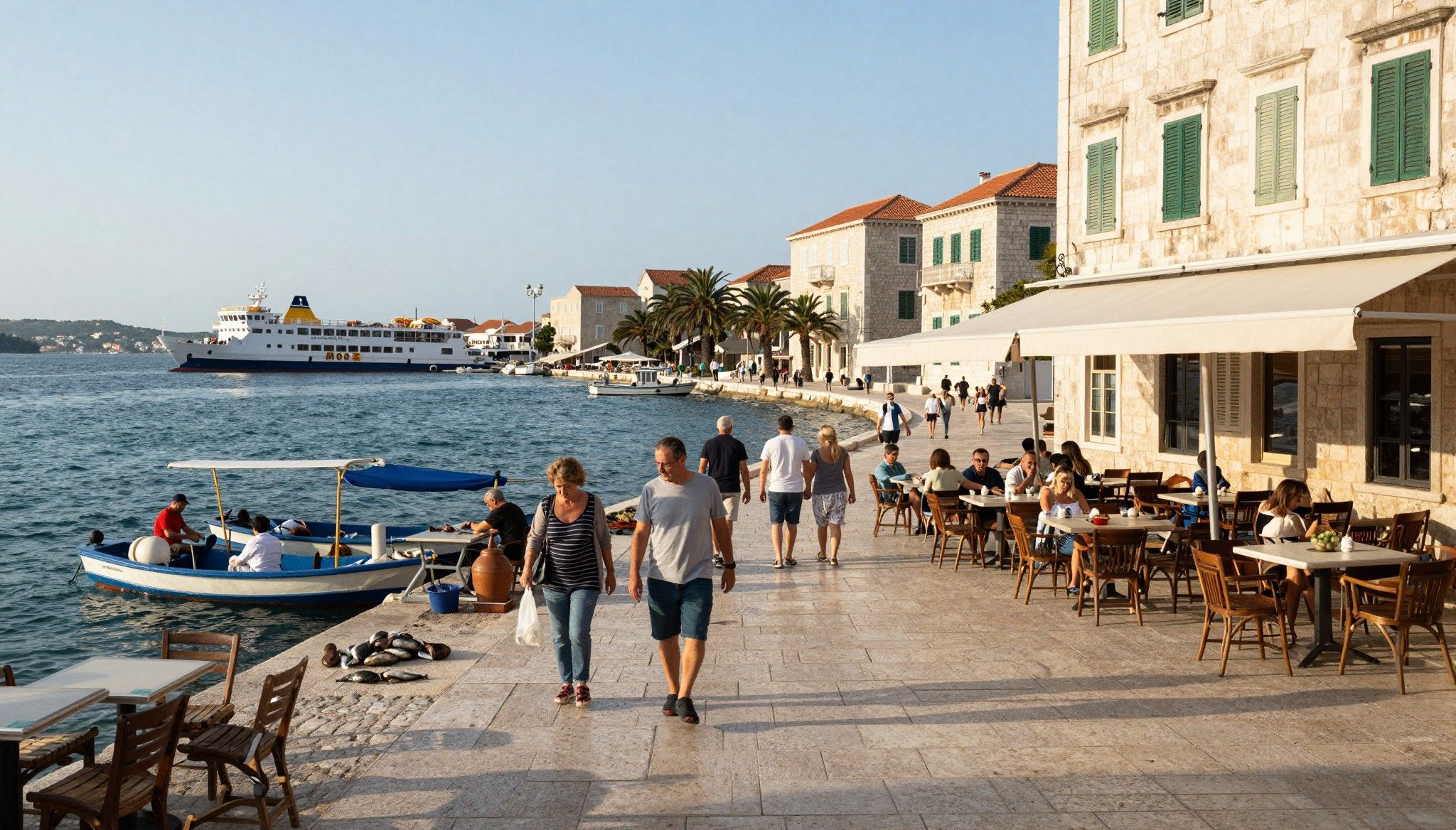
Imagine sitting at a café on Limassol’s Molos promenade, espresso in hand, as delivery vans hum past and a steady stream of tenants stroll the seafront. Cyprus feels like long summers, slow evenings and Mediterranean routines — but beneath the postcard is a market of clear pockets: high-price hotspots, surprisingly resilient mid-market towns, and coastal strips where short‑let demand lifts gross yields. This guide unpicks the numbers behind the feeling and challenges the simple idea that "Cyprus is just expensive."
Living Cyprus: the rhythms that shape value
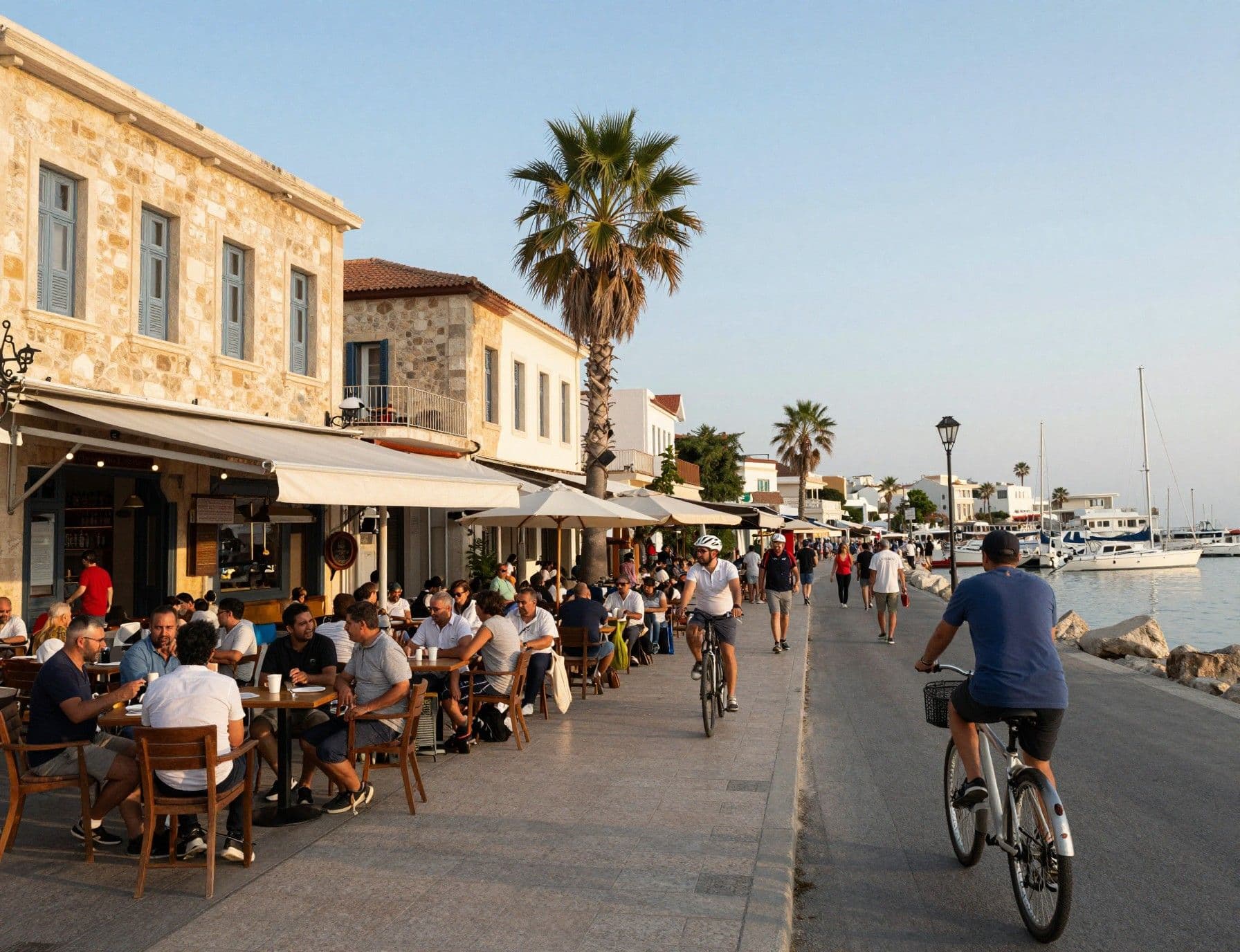
Cyprus’ daily life is tightly seasonal but not binary: mornings are for markets and cafés, afternoons for beaches or mountain drives, and evenings for tavernas and small concerts in village squares. That rhythm shapes which properties command premiums — seafront flats for holiday demand, restored stone houses for long‑stay expats, and compact city apartments for year‑round renters. Understanding these patterns is the first step to reading price and yield data correctly.
Neighborhood spotlight: Limassol’s contrast — marina glamour vs. Agios Nikolaos edges
Limassol contains extremes. The marina and Germasogeia waterfront command the highest euros-per-square‑metre on the island, driven by corporate demand and new high‑end supply. Walk two kilometres inland and you find neighbourhoods with far lower asking prices and similar tenant pools. This divergence creates micro-markets where gross yields can be materially different within the same municipality.
Food, markets and small cues that matter to investors
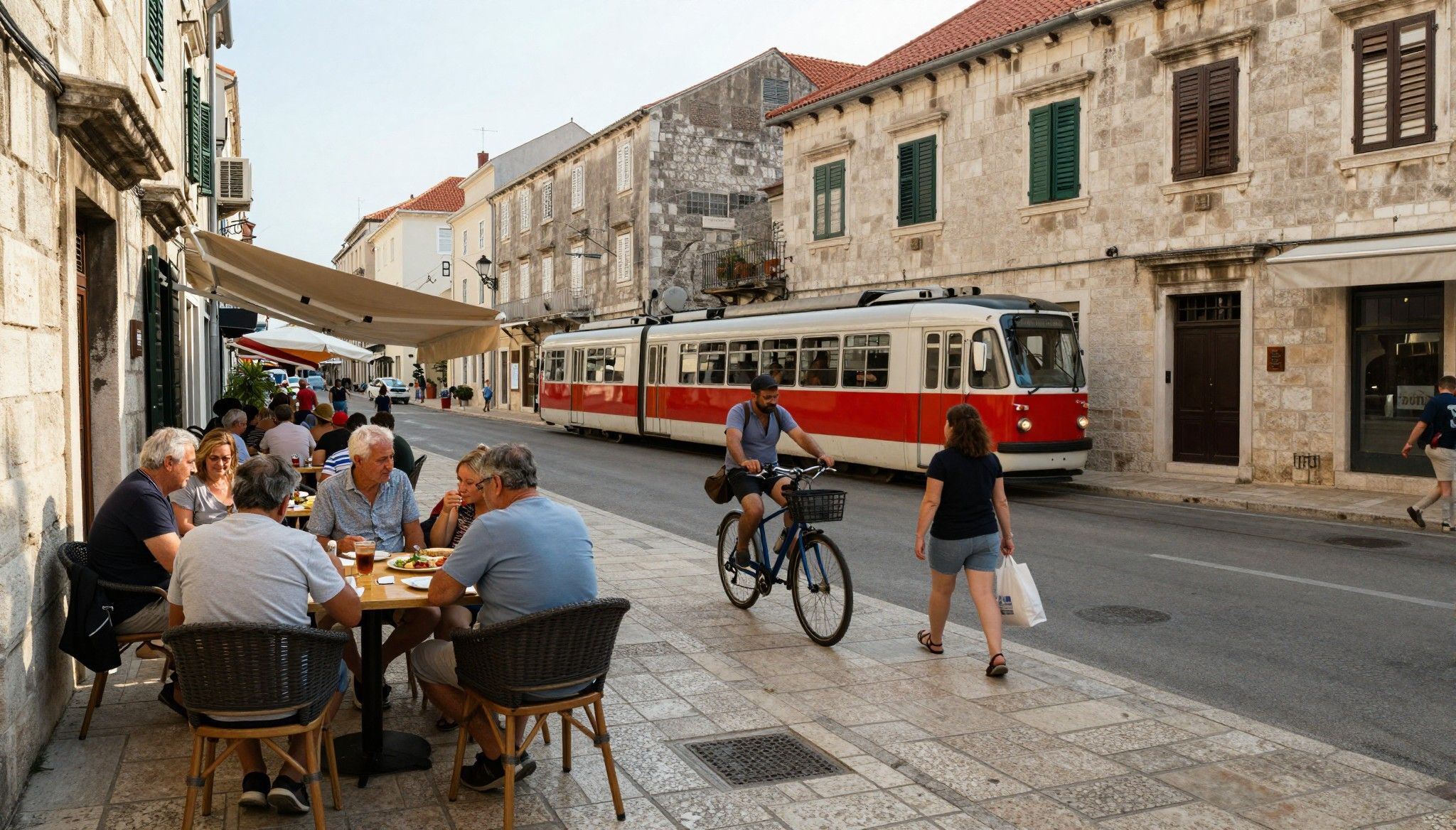
Local markets (from municipal bazaars to Larnaca’s old port cafés) reveal demand signals: frequent market days, active cafés, and steady pedestrian flows correlate with stronger long‑let demand. For example, Paphos’s combination of heritage sites and an established expat cluster supports consistent rental interest beyond summer months, cushioning yields against peak-season volatility.
- Lifestyle highlights (what makes neighbourhoods rent‑ready)
- Molos promenade (Limassol) — daily footfall, seaside flats with short‑let appeal
- Old Town Larnaca — cafés, English‑speaking services and year‑round tenants
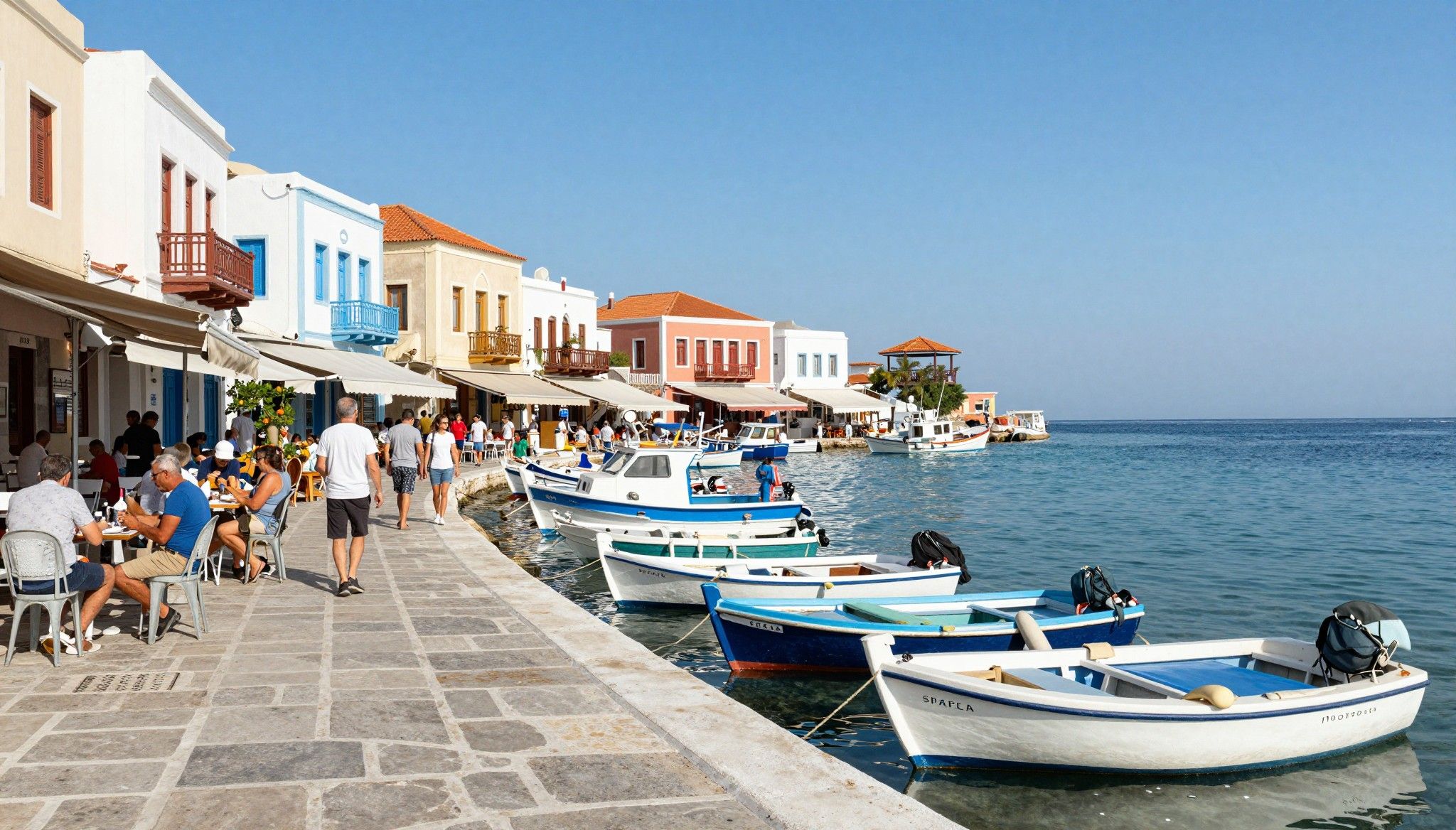
- Kato Paphos harbour area — tourist backbone plus retiree demand for longer lets
Making the move: prices, yields and where the data surprises

Here’s the central paradox: headline price growth in Cyprus has been positive — mid-single digits year‑on‑year — yet gross rental yields vary widely by micro‑market. Tourism growth (over 4 million arrivals in recent years) inflates short‑let returns on coastal stock, while inland and city-centre apartments offer steadier long‑let yields at lower entry prices. Reading both price indices and tourist flows together exposes pockets of opportunity.
Price & yield snapshot (what the numbers say)
Recent market reports show all‑Cyprus house prices rising around 4–6% annually in the last two years, with Limassol and Nicosia as the most expensive districts. Average gross rental yields reported range from c.4% island‑wide up to 6–8% in active short‑let coastal pockets. Remember: gross yield = (annual rent ÷ purchase price) × 100; net yields will be materially lower after taxes, management and vacancy.
How seasonality re‑prices returns (a contrarian timing point)
Buying into a summer hotspot at the peak of season offers headline yields that look attractive — but they mask higher vacancy risk and stricter licensing risks for short‑lets. Counterintuitively, buying in shoulder seasons (late autumn or early spring) often reveals year‑round rental demand and better bargaining power from sellers who have priced for summer optimism.
- Steps to reconcile lifestyle choice with yield expectations
- 1) Map demand: overlay tourist arrival heatmaps with long‑let vacancy data; identify neighbourhoods with mixed demand.
- 2) Stress test yields: model net yield scenarios (gross yield minus 20–35% for costs, taxes and management).
- 3) Time the negotiation: approach sellers in shoulder months when pricing softness appears and stock is higher.
Insider knowledge: what expats and investors wish they’d known
Experienced expats consistently mention three surprises: (1) micro‑market variance — two streets can produce different yields; (2) operational friction — property management and licensing matter more than purchase price; (3) infrastructure risks — water and utility reliability occasionally affect tenant comfort. Accounting for these operational realities often flips a nominally attractive purchase into a mediocre investment, or vice versa.
Cultural cues that affect tenancy and value
Cypriot tenancy patterns show longer leases with local families and shorter, high‑season lets with tourists. Properties adjacent to local amenities (kafeneia, bakeries, municipal parks) attract longer‑term tenants; properties marketed only for holidays often see higher turnover and maintenance demands. For portfolio owners, mixing a handful of long‑lets into a coastal holding stabilises income.
Long‑term view: which neighbourhoods are most resilient?
Resilience favors mixed‑use urban neighbourhoods (central Nicosia, Larnaca Old Town) and established expat enclaves in Paphos. Limassol’s prime waterfront remains most exposed to capital appreciation but also to price volatility. For yield‑first buyers, well‑located mid‑range apartments in Larnaca and inner Paphos offer the cleanest risk‑return tradeoff.
- Quick red flags when assessing Cyprus stock
- Unlicensed short‑let history — regulatory retrofits can force conversions and reduce income.
- Overconcentration on seafront luxury — high entry price, lower marginal yield after costs.
- Poorly connected inland stock with low local services — longer voids expected.
- If you only remember three things
- 1) Price ≠ yield: high prices can coexist with strong short‑let cashflows but worse net yield after costs.
- 2) Read micro‑markets: district averages hide street‑level variance; analyse at street or block level.
- 3) Factor operations: management, licensing, utilities and seasonality materially adjust returns.
Conclusion — Cyprus in three sentences: the island offers both lifestyle magic and pockets of genuine return. But successful buying depends on reading seasonality, micro‑markets and operational costs together. Start with a lifestyle neighbourhood you love, then stress‑test price against net yield scenarios and local operational realities — and use a local agency that provides on‑the‑ground yield modelling, licensing checks and a tenant pipeline.
Dutch investment strategist who built a practice assisting 200+ Dutch clients find Spanish assets, with emphasis on cap rates and due diligence.