Cyprus: Match the Lifestyle to Real Yields
Cyprus sells the sun and sea, but investors should map lifestyle appeal to measured net yields using CYSTAT, Central Bank and short‑let data to avoid seasonal traps.

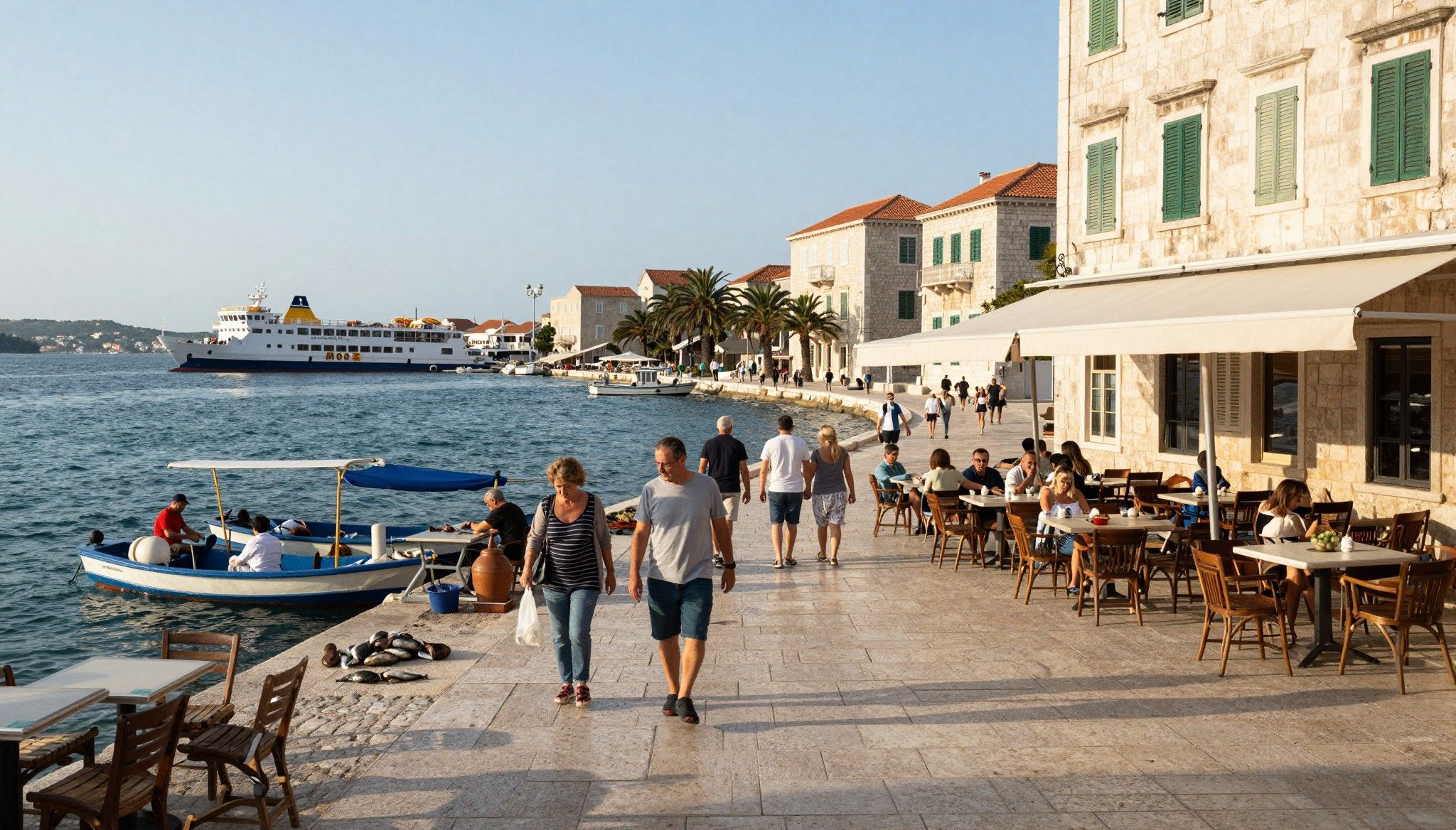
Imagine a morning espresso on Limassol’s Molos promenade, then a late-afternoon walk through Paphos’s old town where limestone streets hum with tavernas. Cyprus offers a rhythm that flips between quiet village life and compact coastal intensity, and that rhythm is what shapes where prices and yields settle. For international buyers the emotional pull is strong; the financial logic needs equal attention. This guide blends the lived experience with hard yield metrics so you can fall in love without losing track of returns.
Living Cyprus: daily rhythms that shape value
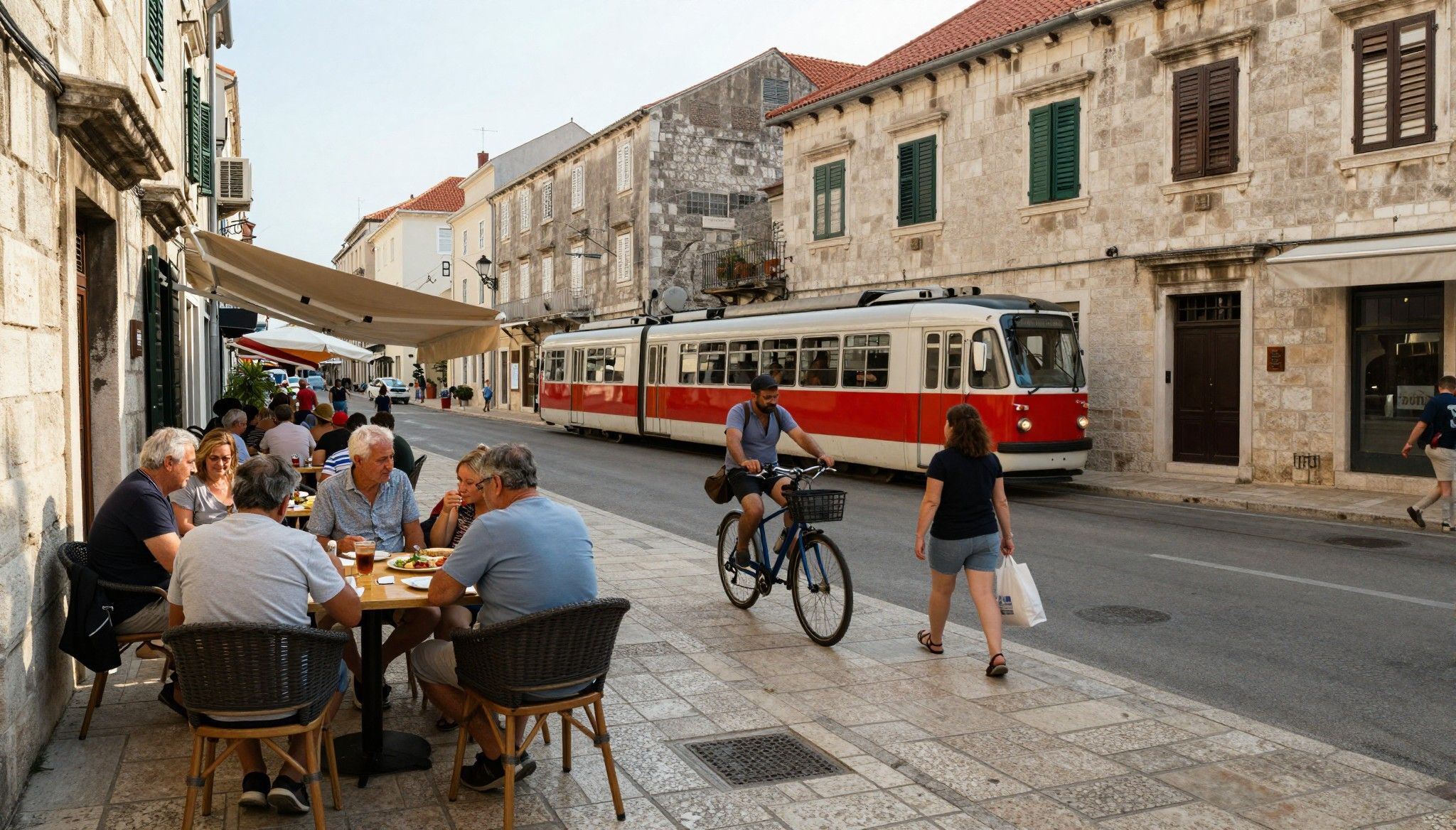
Cyprus’s climate and culture create distinct daily markets for property — long high-season summers on the coast, quieter mountain winters inland, and compact city cores that pulse year-round. These rhythms determine rental seasonality, maintenance needs and tenant profiles; a 40 sqm flat in central Nicosia behaves differently from a 40 sqm holiday studio in Paphos. Walkability, proximity to beaches, and access to medical and international-school hubs are lifestyle attributes that consistently map to price-per-square-meter differentials. Understand the lived pattern first, then match it to the yield profile you need.
Limassol: seaside business pulse
Limassol mixes corporate demand, marina‑side luxury and expatriate families, pushing prices above national averages. New-build apartments here command premium price-per-square-meter and strong long-term capital liquidity, but they typically yield lower gross rental returns than smaller units in more affordable towns. Recent market intelligence points to higher transaction value concentration in Limassol though growth has moderated compared with earlier surges. If you prize stable capital growth and easier resale, Limassol remains the first port of call — but expect tighter yields.
Paphos & Larnaca: seasonal demand and short-let strength
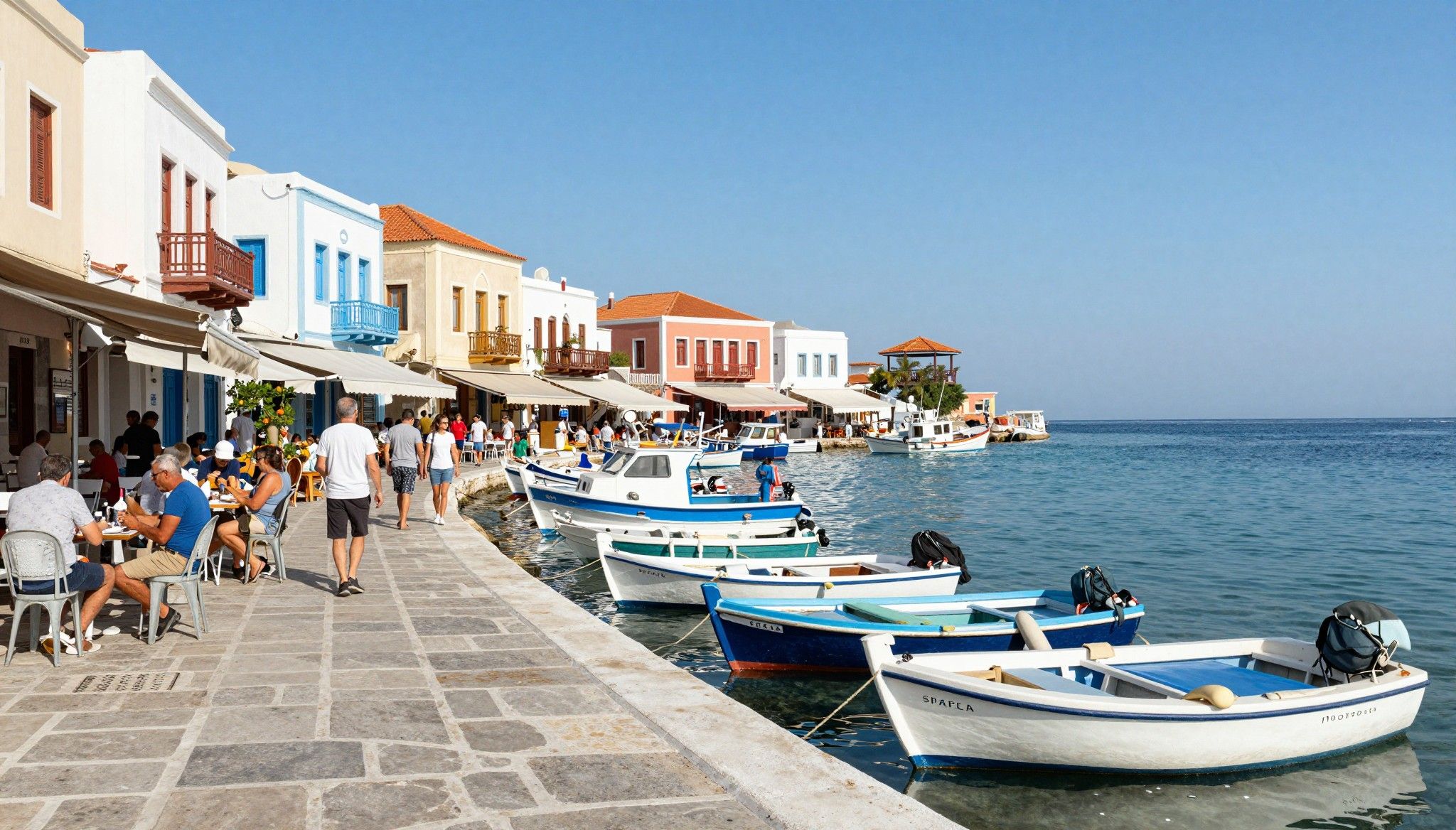
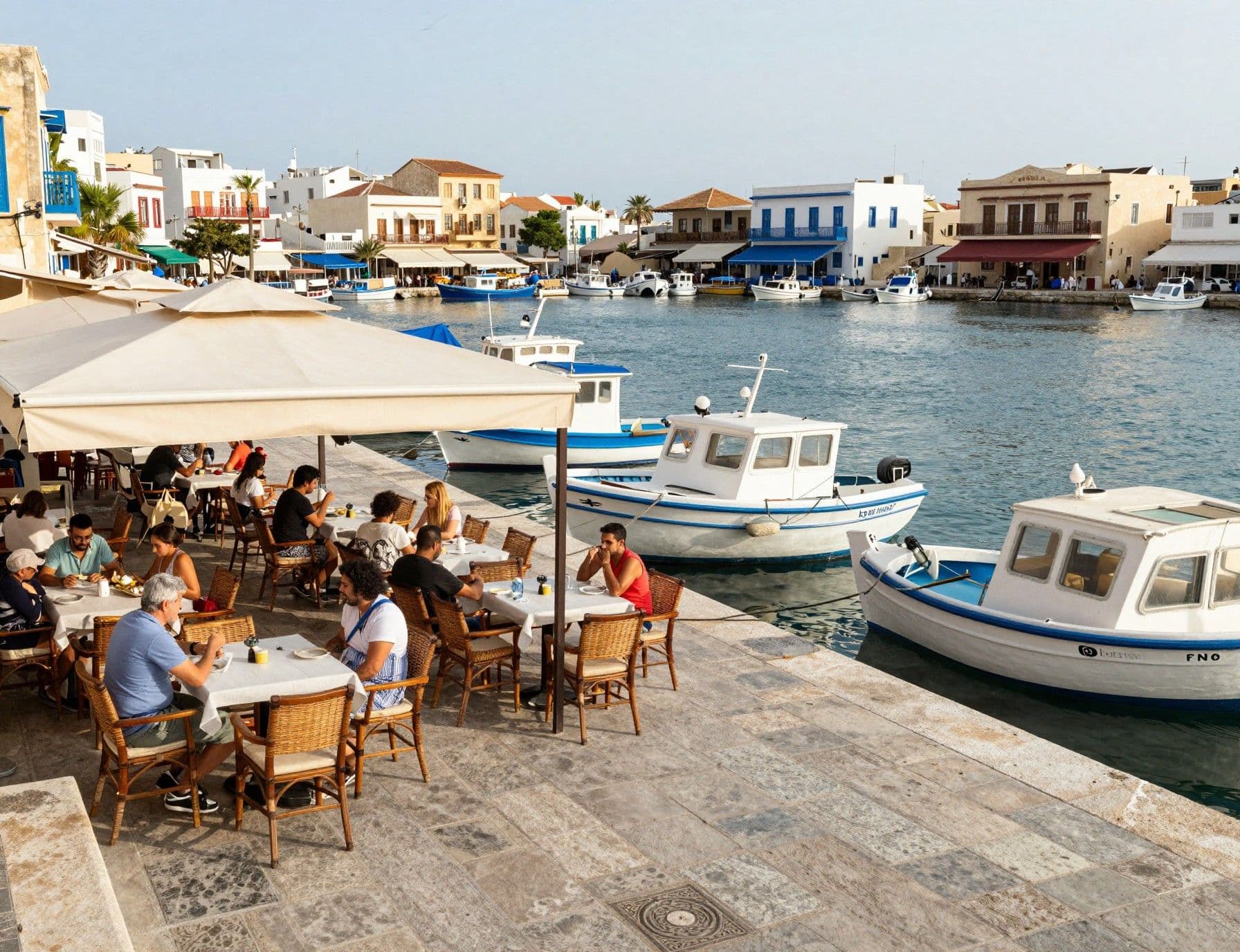
Paphos and Larnaca lead the short‑let market, driven by established tourist seasons and improved flight connectivity. Short-let licensing and strong tourist arrivals lift headline yields in peak months but increase management intensity and vacancy risk in winter. For investors who want to exploit tourist premiums, properties within walking distance of beaches or archaeological sites outperform generic apartments. Remember that higher gross yields require careful net-yield modelling after platform fees, cleaning, licences and seasonal vacancy are included.
Market picture in numbers: prices, yields and what they mean
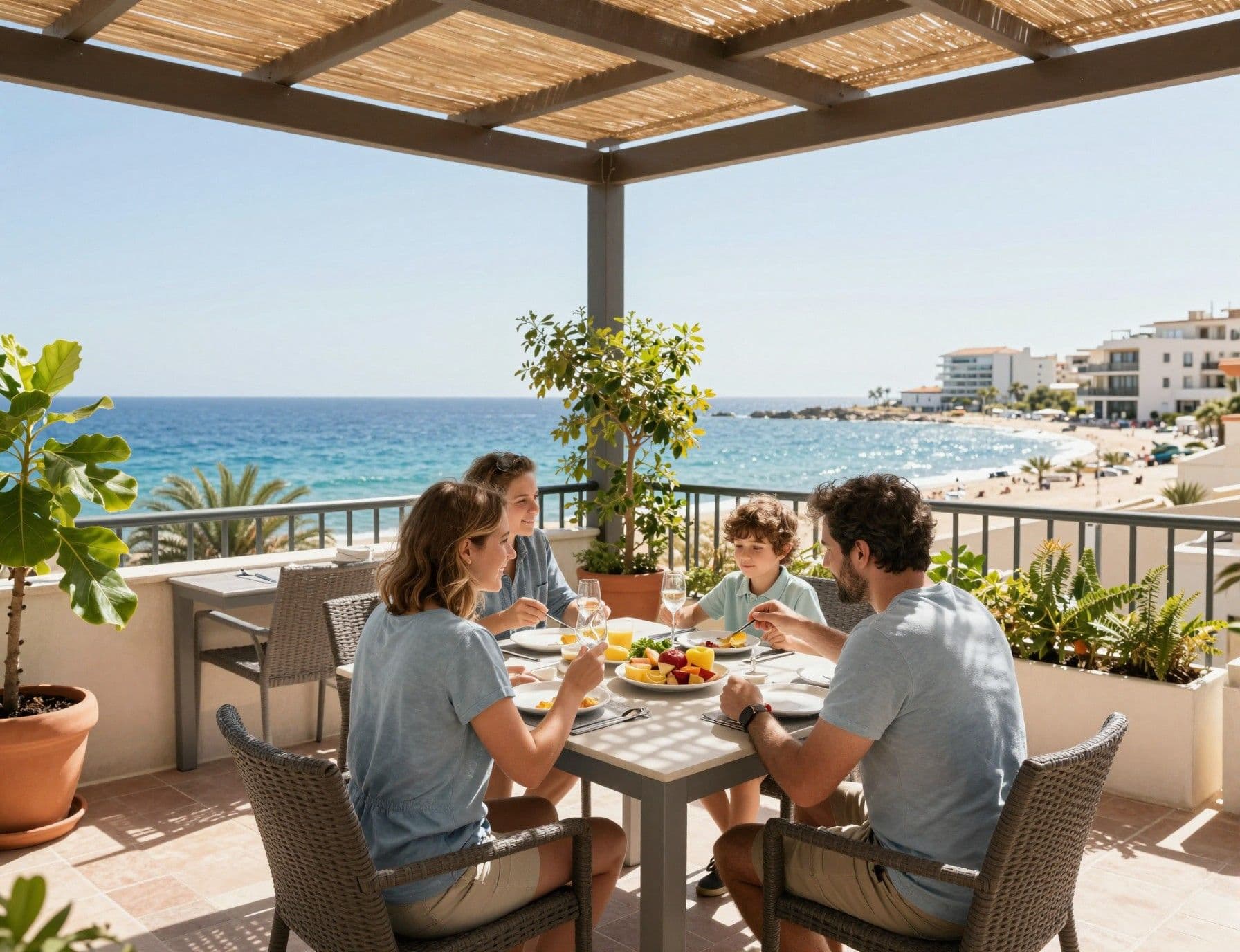
Official indices show steady but moderated price growth: CYSTAT’s HPI registers low single‑digit annual increases while the Central Bank reports continued demand concentration in urban and coastal centres. Median prices and price-per-square-meter vary markedly by district — Limassol and Nicosia sit at the top, Paphos and Larnaca offer better entry points. For yield-focused investors, the headline price growth is less important than local rent-to-price ratios and occupancy seasonality. Use official HPI and central bank reports as baseline checks against agent listings.
Quick yield calibration (how to read the numbers)
Gross yield = annual gross rent / purchase price. Net yield subtracts management, maintenance, vacancy, and taxes. In coastal holiday towns, plan for gross yields that may look attractive (6–8%) but net down to 3–5% after costs. Urban long‑let apartments aimed at professionals often show lower gross yields (3–5%) but steadier occupancy and lower management overheads. Always model both seasonally-adjusted cash flow and a 5–10 year hold scenario to see where total returns come from: rent, capital growth, or tax efficiencies.
- Factors that materially alter yields in Cyprus
• Seasonality: coastal summer peaks versus quieter winters; affects occupancy and pricing. • Licensing & regulation: short‑let licences and tourist classifications add cost and time. • Location micro‑premium: proximity to beach, marina, schools or transport nodes can swing price/m2 dramatically. • Property condition & energy performance: older stock requires capex that lowers net yields. • Management intensity: short‑lets need active property management which reduces net cashflow. • Currency and buyer origin: Euro pricing is stable but buyer mix (foreign funds, locals) affects auction dynamics.
Making the move: practical steps tuned to lifestyle outcomes
Pair the lifestyle you want with a quantified buying plan: define target gross/net yield, acceptable vacancy, and renovation budget before you view. Work backwards from desired income (e.g., €10,000/year net) to the purchase price you can afford at realistic net yields. This prevents emotional overbids in attractive neighborhoods and keeps returns intact. Use local market reports and official indices to sanity‑check listings and ask agents for comparable signed rents, not asking rents.
Property types and how they map to real lives
Modern apartments: low maintenance, easier to let to professionals and families; smaller footfall but lower yield volatility. Sea‑view or beachfront studios: high short‑let potential but management and regulatory overhead. Village houses in Troodos: attractive to retirees and holiday‑renters seeking tranquility, slower liquidity. New‑build complexes with pools and gyms attract longer‑term tenants at higher rents but command higher premiums at purchase. Match the product to tenant profile before applying yield targets.
How local experts turn lifestyle briefs into investment outcomes
A local agency provides comparables, licencing guidance and realistic rent evidence; choose one with demonstrable data workflows and post‑sale management partners. Expect thorough due diligence to include signed tenancy schedules, utility debt checks and construction permits for alterations. Agencies that document historical rents, seasonal occupancy and actual net yields across similar assets materially reduce execution risk. Seek an agent who can run a modelling scenario showing gross-to-net sensitivity for the specific building and season.
- Six steps to a lifestyle-aligned, yield-focused purchase
1. Set investment goals: target net yield, holding period and preferred tenant type. 2. Choose micro‑market: coastal holiday vs city rental vs mountain retreat depending on lifestyle and liquidity needs. 3. Gather data: HPI, recent sold prices, local rents and occupancy figures (CYSTAT, Central Bank, industry reports). 4. Run net-yield models including fees, management and seasonality; stress-test vacancy. 5. Instruct local legal and tax advisors for title, permits and cross-border tax planning. 6. Use a management partner to convert a purchased property into a consistent cashflow asset.
Insider knowledge: expat realities and durable-asset thinking
Expats quickly learn that neighbourhood character matters more than view alone: a quiet street near a weekly market or international school sustains rents better than an isolated sea‑view villa during low season. Language is rarely a barrier in the main markets — English is widely used in professional services — but local relationships speed up permits and maintenance. Long‑term value accrues where infrastructure (roads, schools, health) is improving, not just where Instagram photos are taken.
Cultural cues that change the way you live and manage property
Cypriot social life centers around food, church festivals and coastal gatherings; weekends bring family markets and tavernas packed with locals. Tenants value durable finishes and shaded outdoor spaces; prioritize tiled floors, covered balconies and water-efficient fittings. Neighbour agreements and building common‑area practices are practical realities — check strata rules and sinking‑funds before you buy. These cultural and structural details affect turnover, maintenance costs and ultimately net yields.
Long-term outlook: what to expect from Cyprus in the next 5–10 years
Expect continued urban concentration of demand with moderate national price growth and pockets of high liquidity in Limassol and parts of Nicosia. Short‑let regulations and tourism growth will keep Paphos and Larnaca attractive to holiday‑oriented investors but will also increase compliance costs. Investors who balance lifestyle gains with disciplined yield modelling — and who factor in energy improvements and maintenance — will most likely preserve cashflow while capturing capital appreciation over a decade. Diversifying across micro‑markets reduces seasonal risk.
Conclusion: Cyprus sells a lifestyle — sun, sea, food and compact community — but as an investor you must translate that lifestyle into measurable returns. Use official indices and local market reports to quantify price trends, model net yields with conservative vacancy assumptions, and align property type with tenant profiles. Work with local agents who provide signed rent comparables and a post‑sale management plan. If you marry the island’s daily pleasures with rigorous financial modelling, Cyprus can be both a joyful home and a disciplined asset.
Norwegian market analyst who relocated from Oslo to Mallorca in 2016, guiding Northern buyers through regulatory risk, currency hedging, and rentability.