France: Micro‑Markets Where Yields Outperform the Postcard
France is an archipelago of micro-markets: pair the Riviera’s seasonality with city steady-earnings and model net yields using Notaires and INSEE data.

Imagine waking on a gray-brick morning in Lyon, buying warm baguettes at a rue-side boulangerie, then crossing the Saône to read emails from a light-filled apartment with tall windows. That sensory picture—coffee steam, market chatter, trams—explains why buyers dream of France. But dreams meet spreadsheet decisions: price per m², realistic gross yield, seasonality of rental demand and regional variation matter when you plan an international purchase. This piece pairs the life you want with the numbers you need to test it.
Living France: more than a postcard
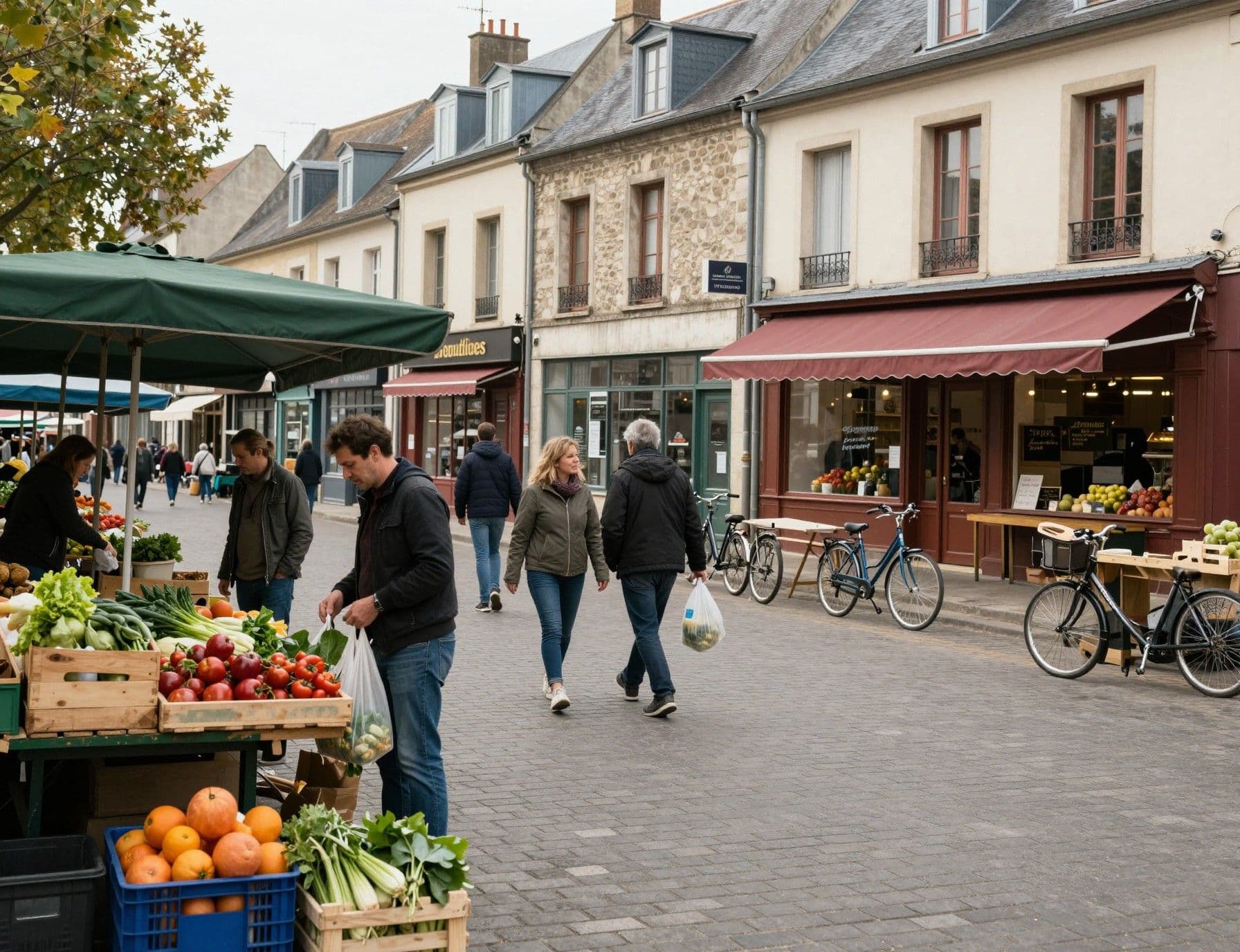
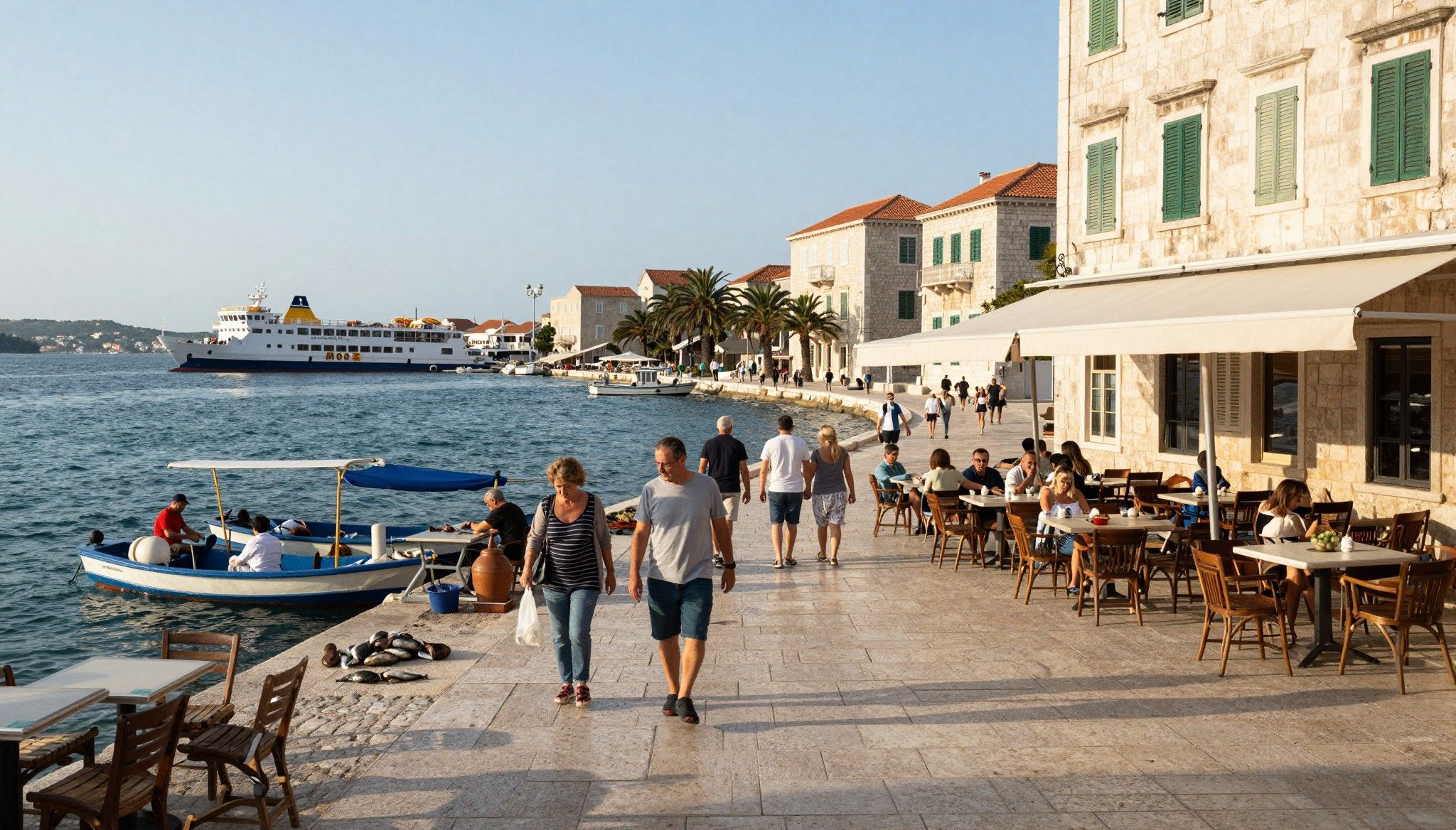
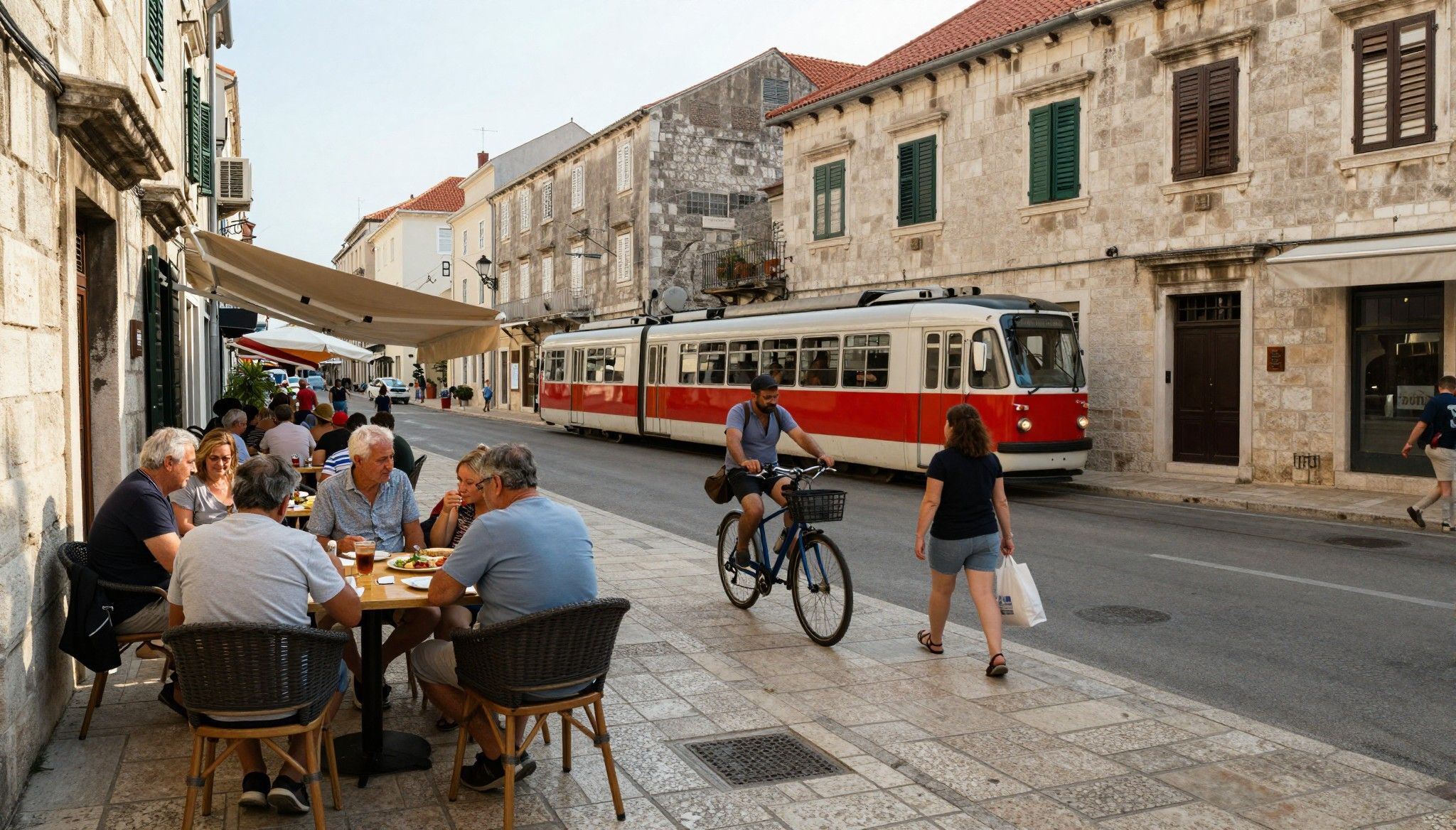
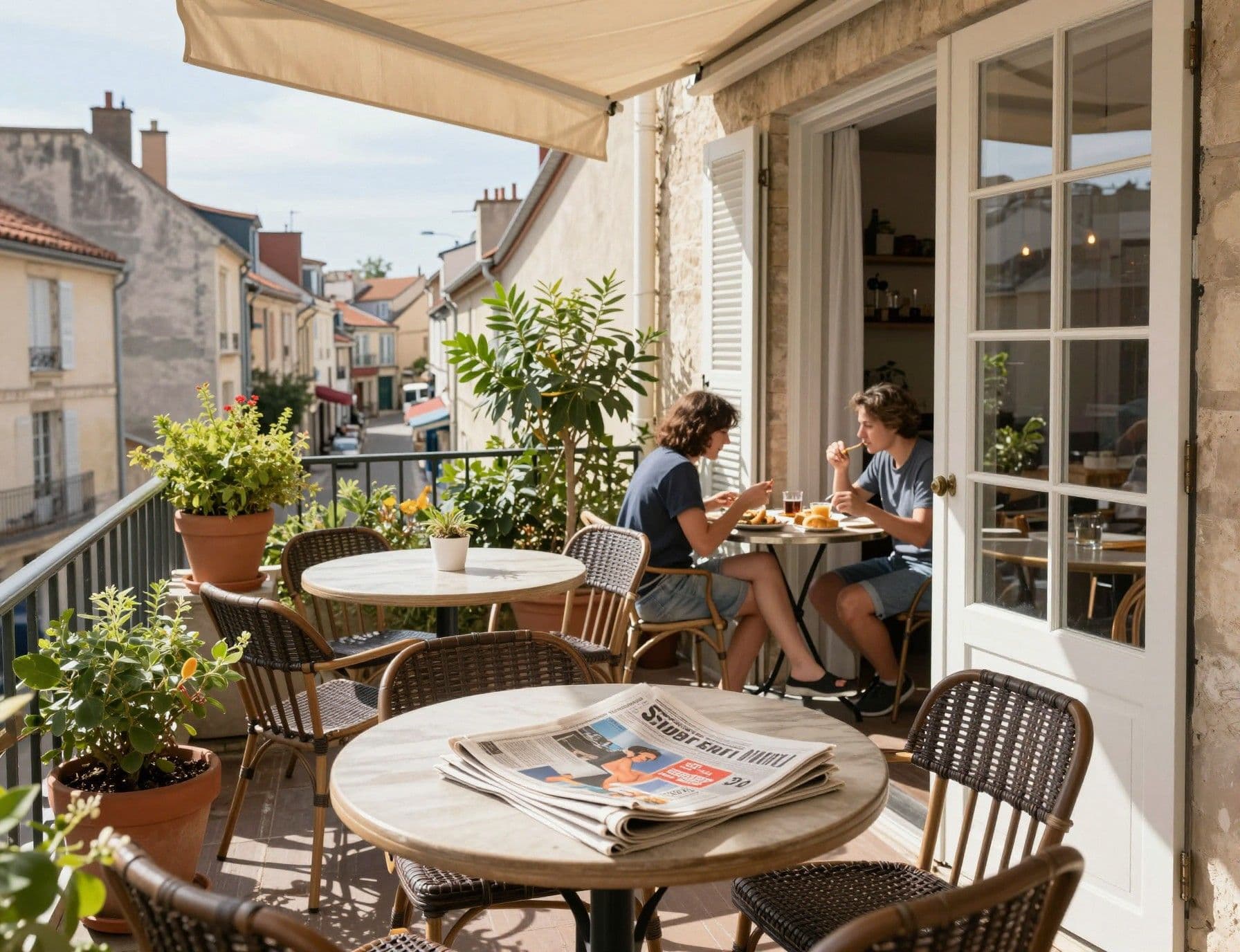
France is multiple countries stacked together: the cobbled courtyards of Aix-en-Provence, the working-class boulangeries of Lille, the sleek tram corridors of Bordeaux and the steep lanes of Nice. Daily life is local—markets on specific mornings, cafés that own the corner square, bike lanes that shape commute choices. For international buyers that means the same country offers radically different tenant profiles and price dynamics; tourists cluster on the Riviera, students drive rental demand in Rennes and Montpellier, while families seek suburban schools outside Paris.
Neighbourhood spotlight: Paris vs. provincial staples
Paris remains unique in price level and tenant mix. Central arrondissements command the highest €/m² and are driven by scarcity and international demand; outer arrondissements and nearby suburbs offer higher gross yields. Outside Île-de-France, regional capitals—Lyon, Bordeaux, Nantes, Rennes—combine professional hiring, universities and transport links that support steady long-term rents. Notaires data show that Paris price structures diverge sharply by arrondissement, altering yield expectations materially.
Food, rhythm and seasonality: why markets breathe
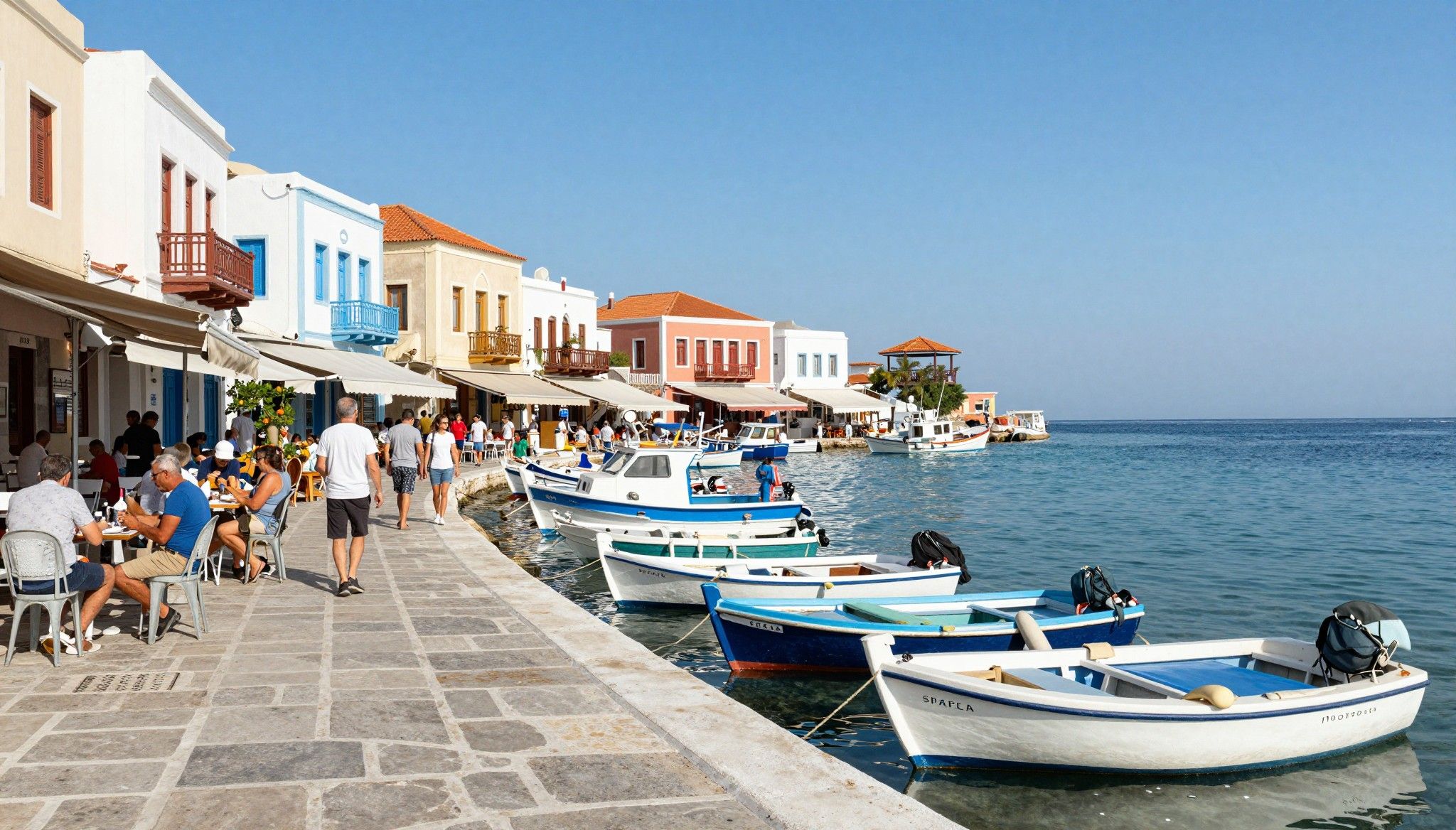
Markets in France are seasonal in demand (short lets spike in summer in coastal towns) and cyclical in price. Farmers’ markets, festival calendars and university semesters shape occupancy and tenant types. Coastal towns show strong summer cashflow potential but heavy winter vacancy risk; mid-sized cities often produce steadier year-round tenancies. Account for seasonality in revenue models rather than assuming stable occupancy.
Making the move: property types and yield realities
Practical choices—apartment size, furnished vs unfurnished, short-let vs long-let—drive net yield more than curb appeal. National indices (Notaires, INSEE) show prices stabilising after 2024–25 corrections; that stability changes the calculus from speculative upside to income reliability. For investors we recommend mapping micro-prices (€/m² by district) against achievable rents and realistic operating costs to calculate net yield, not headline gross yield.
Property styles: what tenants actually pay for
Old Haussmann apartments in Paris rent well for short-term and corporate lets but carry high maintenance and copropriété (condo association) charges. Student towns reward compact studios near universities. Suburban family homes near good écoles and transport lines attract long-term tenants willing to pay for gardens and extra rooms. Align the property archetype with tenant demand to avoid yield erosion from vacancy or cost shocks.
Working with local experts who know the numbers
A Paris-based notaire or a local agency will flag building charges, syndic fees and renovation history that materially affect returns. Agencies specialising in furnished rentals (LMNP tax regimes) can model depreciation and net yield outcomes; property managers show realistic vacancy and maintenance budgets. Use local valuation reports and previous rental ledgers—don’t rely on listing prices alone.
Numbered checklist: pre-offer steps blending lifestyle and numbers
Verify transport commute times against tenant profiles; obtain past 24-month rental ledger or short-let occupancy records; ask for syndic meeting minutes (co-propriété issues); estimate maintenance reserve at 1.0–1.5% of property value annually; model LMNP vs. micro‑BIC taxation for furnished rentals.
Insider knowledge: myths that cost money
Myth: 'France is uniformly expensive.' Reality: national averages hide strong local variation. INSEE and notaires indices show modest price rebounds post‑2024 in aggregate, but pockets with 6–8% yields exist in smaller towns where purchase prices are low and rents are stable. Treat France like an archipelago of micro-markets rather than a single unitary market.
Where yields live (contrarian hotspots)
Contrary to headline coastal hype, high gross yields are frequently in interior regional towns and university cities where prices per m² are modest and long-term rental demand is consistent. Short‑let hotspots (Côte d'Azur, Paris centre) can show headline income but carry higher variable costs and seasonal vacancy risk. Evaluate risk-adjusted yield—not just peak month revenue.
Practical red flags local buyers always check
Recent major works planned (co-propriété special assessments), restrictive short-term rental rules in city centres, rent-control measures for certain municipalities, unusually low estimated maintenance reserves, mismatch between advertised and achievable rents.
Longer-term lens: total cost of ownership
Calculate net yield after mortgage servicing, property tax (taxe foncière), insurance, syndic charges and a conservative vacancy buffer. For furnished rentals, model the LMNP depreciation benefit but stress‑test against lower occupancy. When you include transaction costs (notaire fees typically 7–8% for existing housing), small differences in gross yield can disappear quickly.
Investor action points: quick tactical moves
1) Run a 10-year cashflow model with 3 scenarios (base, downside, strong demand). 2) Insist on documented past rental income. 3) Obtain local syndic minutes and building energy diagnostic (DPE). 4) Use a local property manager quote before purchase to include operating costs.
Conclusion — live the life, but buy the cashflow. France rewards buyers who pair the sensory reasons they fell in love—the markets, cafés, coastlines—with disciplined, micro-market analysis. Start with price-per-m² data from Notaires/INSEE, stress-test yield with local tenancy profiles, and lean on local experts for copropriété, tax treatment and realistic occupancy. Do that, and the baguette mornings become an investment that pays.
Dutch investment strategist who built a practice assisting 200+ Dutch clients find Spanish assets, with emphasis on cap rates and due diligence.