Where France’s Real Yields Hide (Beyond the Postcard)
France’s romance is real — but yields hide in micro-markets. Use INSEE and notarial data to match lifestyle pockets with realistic net yields and regulatory stress tests.
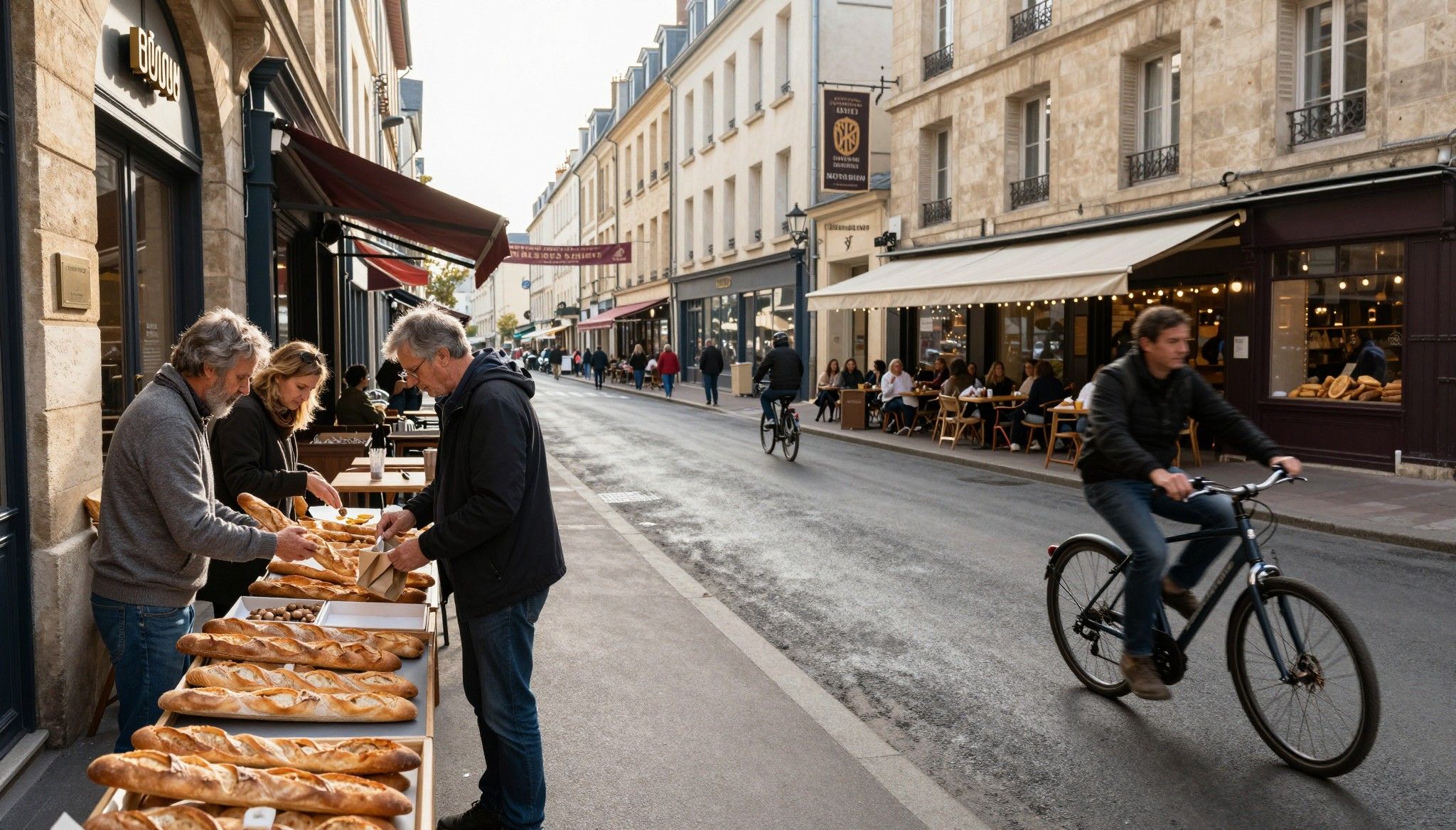
Imagine sipping a café crème on rue Cler at 10 a.m., then stepping into a quiet, light-filled apartment where neighbors still shop the market every Saturday — this is everyday France. But for international buyers the romance collides with questions: where do yields actually live, and which neighbourhoods deliver reliable rent and capital resilience? Our analysis cuts through postcards to show the measurable returns behind the lifestyle.
Living the French life — what you actually get
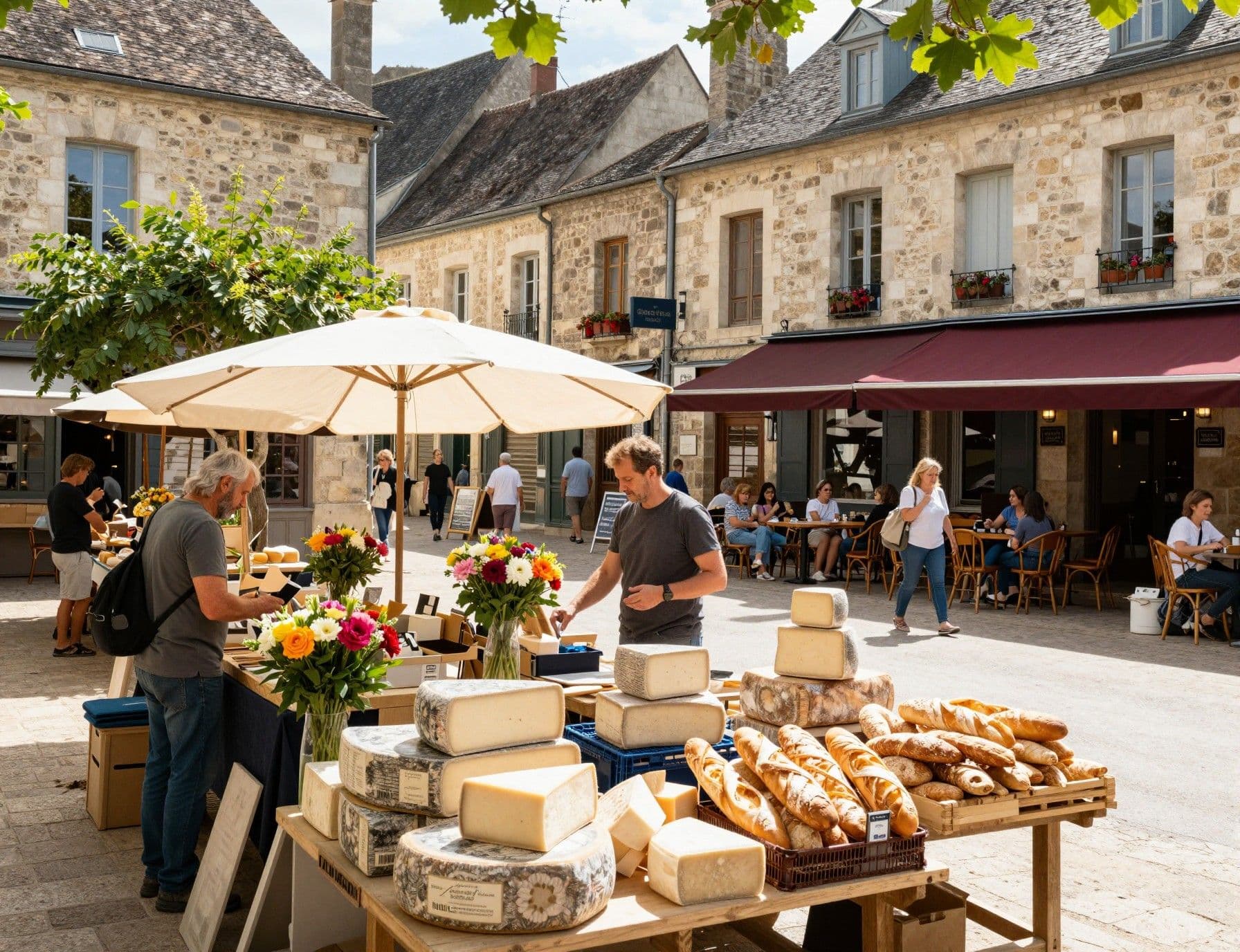
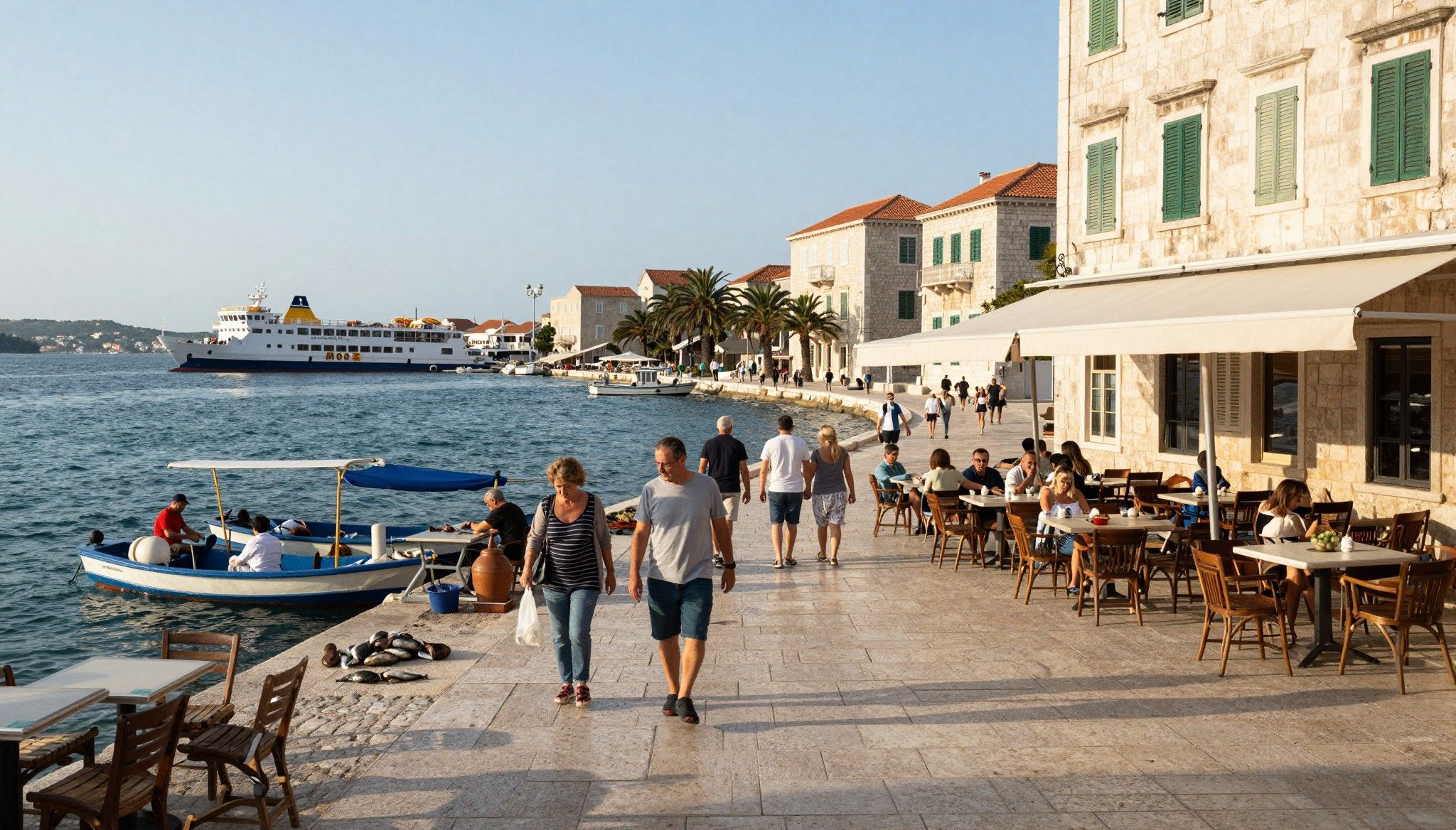
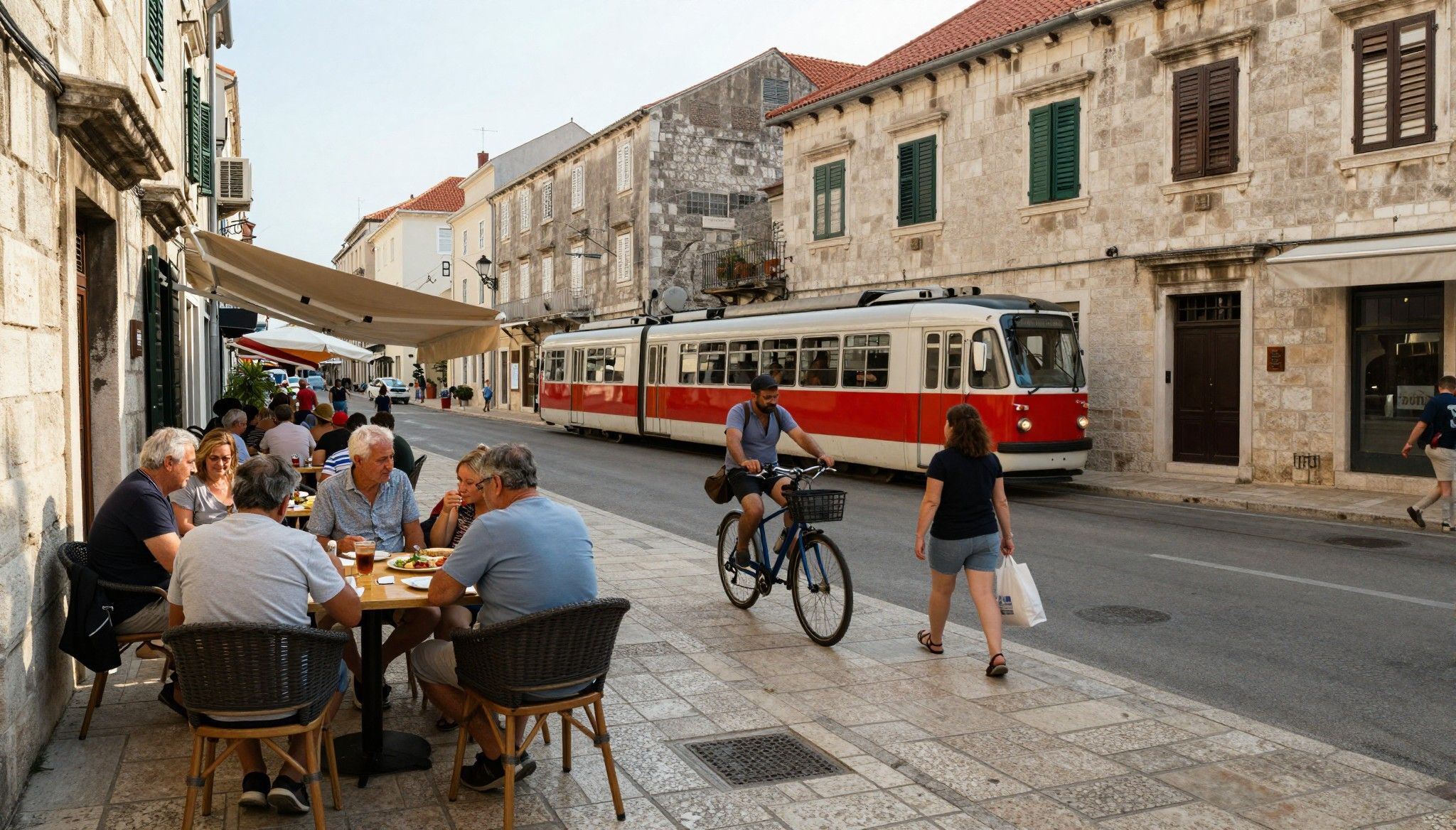
France is a collection of micro-worlds: Parisian arrondissements hum with café culture and short commutes, Atlantic towns trade surf for seafood markets, and inland provincial cities balance lower prices with steady tenant demand. Daily rhythms are sensory — boulangeries at dawn, marché chatter, long weekday lunches in regional towns — and those rhythms shape what tenants want and what investors can charge for rent.
Paris vs the provinces: dense demand, thin yields
Paris delivers unmatched capital value and cultural cachet, but gross rental yields are compressed — many estimates put central Paris gross yields around 2.5–3.5% while provincial cities often sit between 4–7%. Recent INSEE and notarial series show prices stabilising in early 2025 even as transaction volumes recovered, underlining that price strength and yield compression can coexist.
Coastal and alpine pockets: seasonal life, blended returns
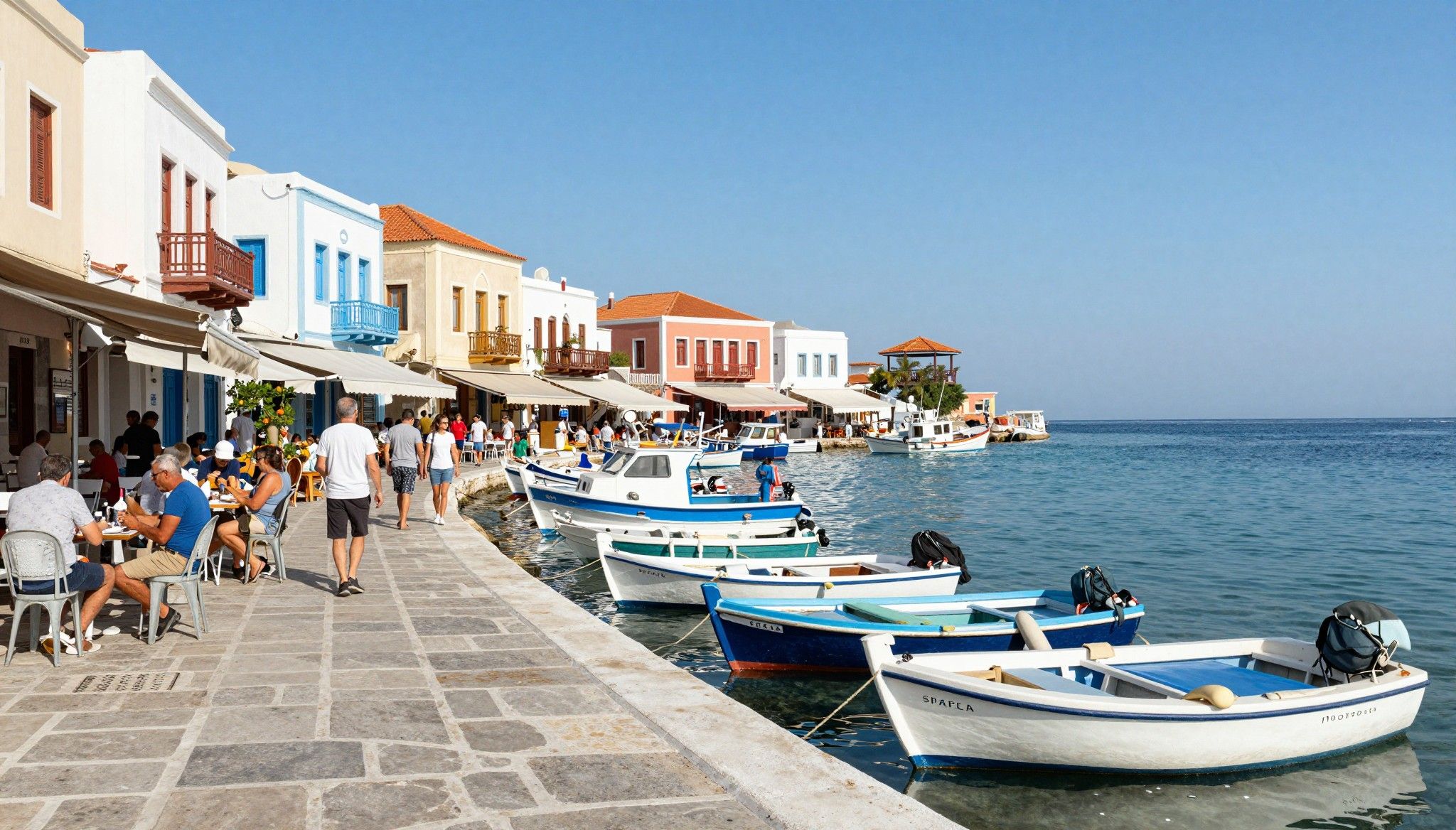
Beach towns on the Côte d'Azur and Alpine resorts deliver high capital per square metre and strong short-term demand, but seasonality and regulation (municipal limits on tourist rentals) often reduce long-term net yield. Prime alpine chalets showed notable price gains recently, but they are liquidity- and seasonality-driven investments rather than dependable yield plays.
- Lifestyle highlights that affect investment appeal: market days, reliable rail links, nearby universities, and active expat communities that sustain year‑round tenancy.
Making the move: practical considerations that protect yield
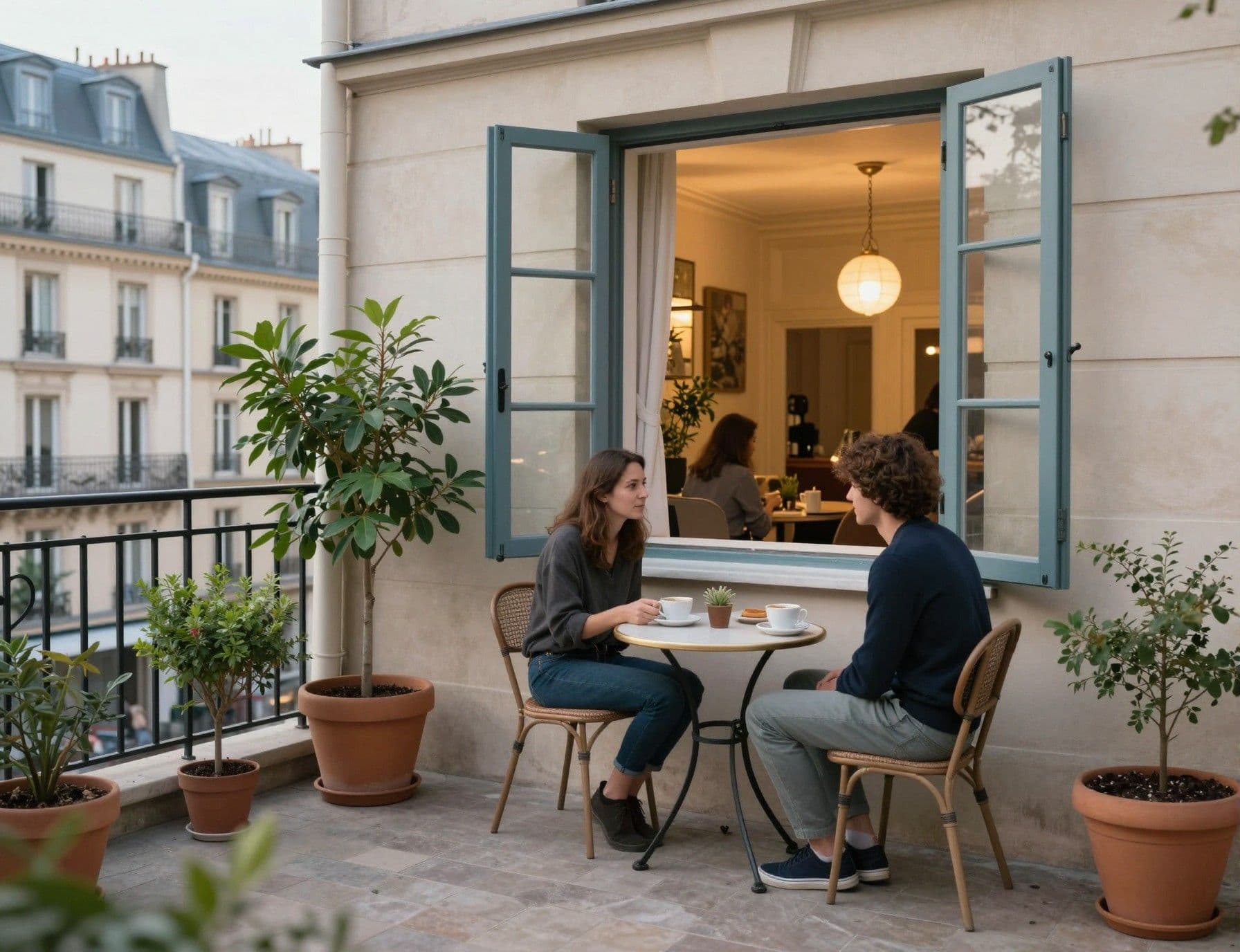
Romance without numbers is risk. Buyers need to balance lifestyle fit with cap-rate realities: price per square metre, achievable rent, vacancy risk and local regulation. France’s data environment is strong — INSEE, Notaires and local chambers publish granular indices — use them to stress-test assumptions rather than rely on headline postcards.
Property types and how they match life — and rent
Apartments in city centres attract professionals and students and typically show lower gross yields but stable demand. Townhouses and small houses on city fringes offer better yield potential and family tenancy. Second‑home villas on the coast can command premium seasonal rates but need to be modelled conservatively for annualised yield after management and vacancy.
Work with local experts who understand lifestyle signals
- 1. Ask agents for breakdowns by micro-neighbourhood (arrondissements, quartiers, or communes), not just city averages; request recent letting comparables. 2. Require yield stress tests: model gross and net yields with vacancy, management fees (~8–15% for furnished rentals), and local taxes. 3. Verify short‑let rules in the commune — Paris and other cities have tightened tourist rental days which can cut STR revenue sharply. 4. Inspect transport links and catchment for tenants (metro lines, TGV access, university proximity) — commute times materially affect rentability. 5. Use notarial data and INSEE indices to validate price-per-m² assumptions and avoid overpaying for postcard desirability alone.
Insider knowledge: myths, red flags and expat truths
Myth: 'France is too expensive to yield.' Counter: national averages hide micro-opportunities. Small cities with stable employers and universities (Le Mans, Clermont‑Ferrand, Angers) can deliver 5–7% gross yields. Red flag: neighborhoods driven purely by tourism with short seasons and heavy regulation—those properties often underperform once municipal rules bite.
Cultural nuance: municipalities increasingly regulate furnished tourist lets — Paris reduced tourist rental allowances recently — so treat STR revenue as fragile and always model a conservative long‑let fallback. Short‑term rental income is taxed as BIC (industrial and commercial income), which also affects net returns.
What expats wish they'd known: small things that matter
- Buy near a marché, not just a monument; choose a building with good insulation and lower charges; prioritise flats with separate kitchens if renting to families; verify syndic health and reserve funds to avoid surprise levies.
Finally, blend aspiration with a spreadsheet. France sells a lifestyle you can taste, but the investment that sustains it must be modelled: use INSEE and notarial indices to benchmark purchase prices, stress-test rental scenarios under tighter STR rules, and lean on agents who provide micro-data (recent sales, rents, vacancy). If you love the boulangerie and the Saturday marché, buy a property that pays for that love — not one that relies on a tourist summer to cover costs.
If you want a quick next step: request a micro‑market report for two target communes, require comparable rents and recent sales per m², and ask your agent to run a 5‑year net yield projection under three scenarios (optimistic, base, conservative). That single spreadsheet separates postcard dreams from durable returns.
Conclusion — live the life, own the return
France offers a rich palette of lifestyles and corresponding investment profiles. Your best outcome pairs a true sense of place — the markets, cafés, beaches or mountains you crave — with disciplined, data-driven underwriting. Treat local expertise as essential and model every lifestyle premium into projected yields before you sign.
Swedish financier who guided 150+ families to Spanish title deeds since relocating from Stockholm in 2012, focusing on legal and tax implications.