France: Where Postcard Prices Hide Real Yield Pockets
France’s romantic image conceals yield pockets—use street‑level price data, occupancy calendars and energy retrofit forecasts to model realistic net returns.

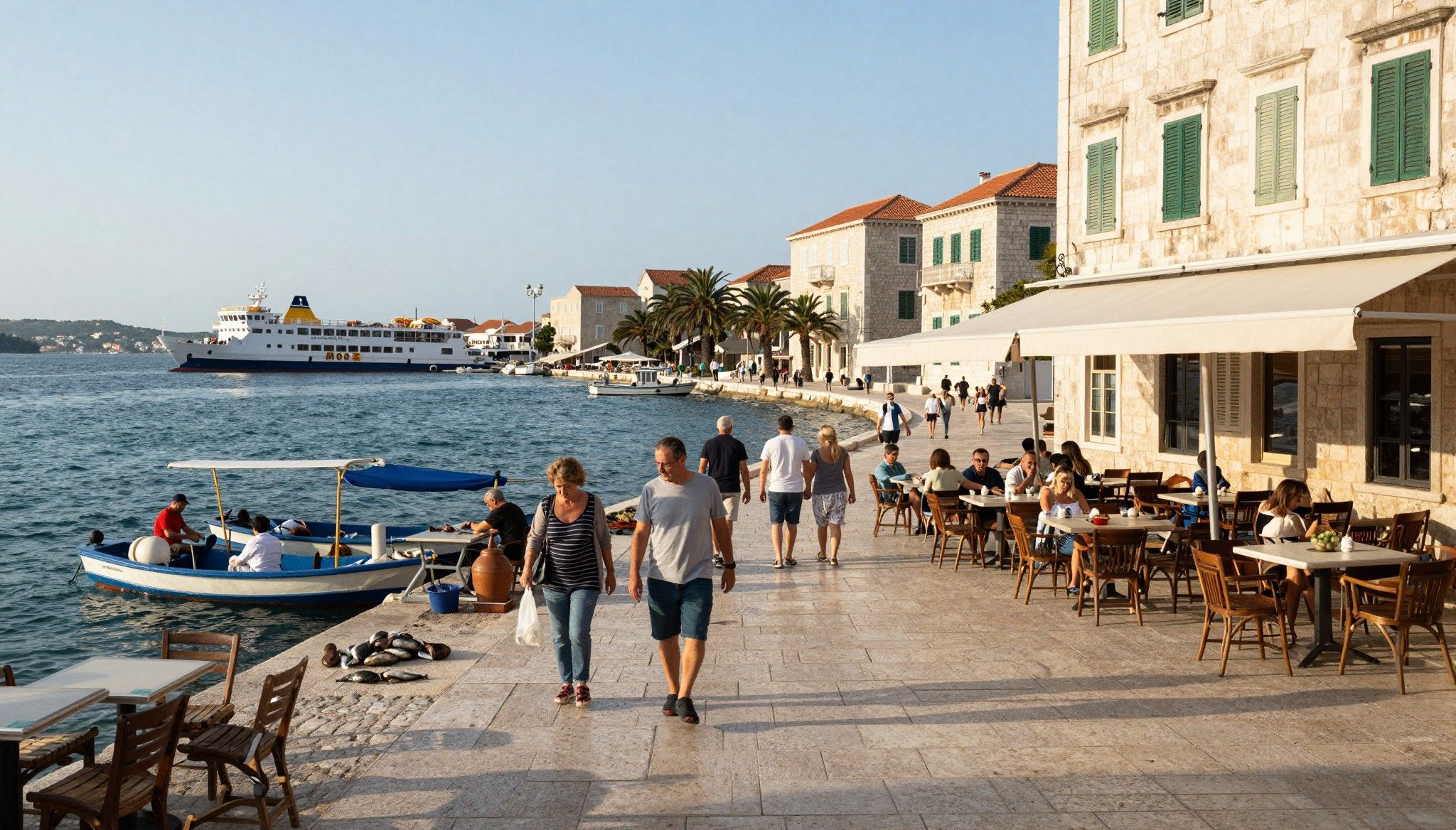
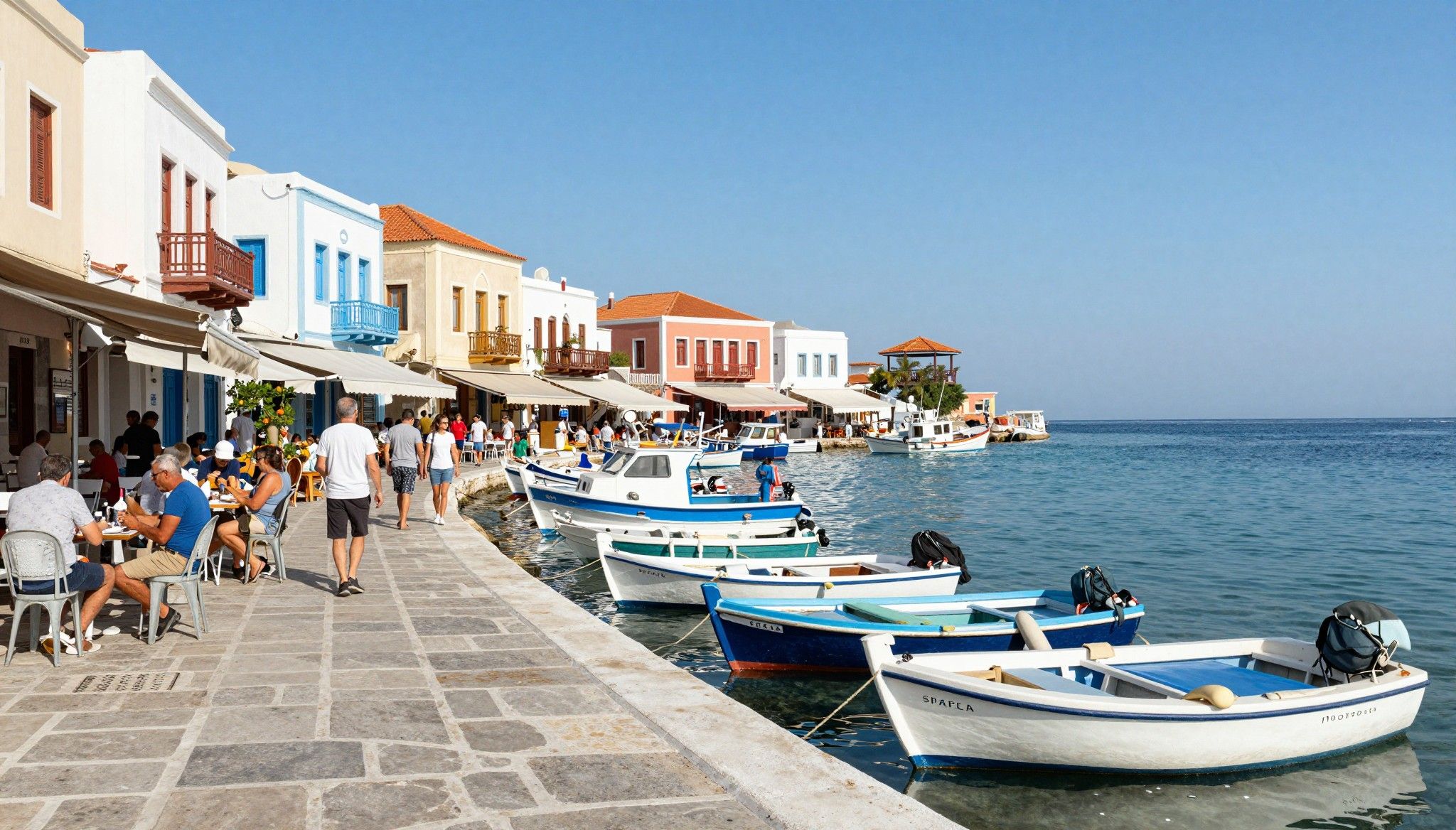
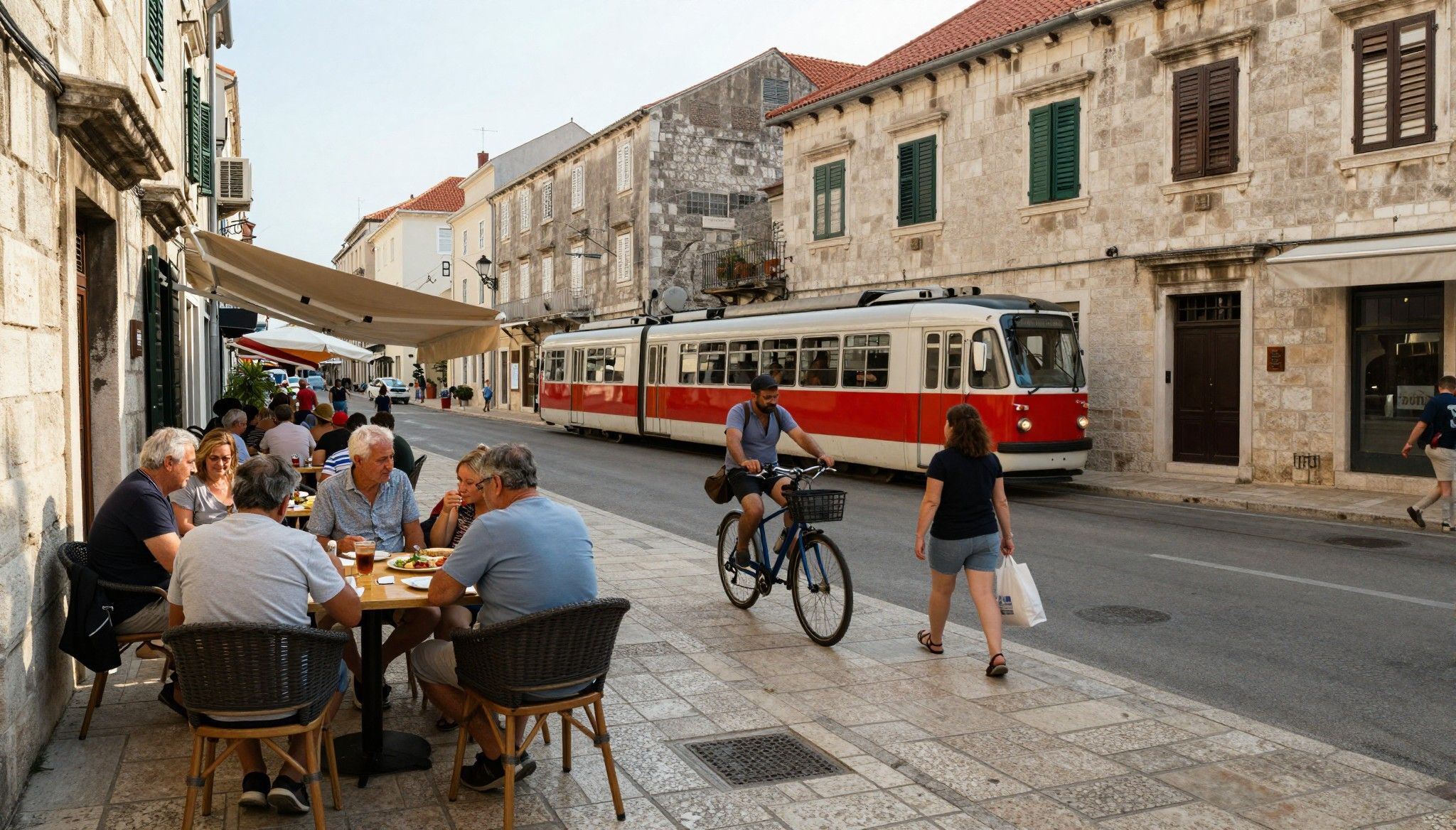
Imagine an early morning in Aix‑en‑Provence: boulangeries steaming, shutters opening on honey‑stone façades, a bike courier weaving through market stalls. That sensory rhythm—markets, cafés, regional festivals—explains why buyers fall for France before they run the numbers. But romance and returns are not mutually exclusive: in many French micro‑markets the 'postcard' price tag masks pockets of genuine yield. We start with the day‑to‑day life you’ll want, then translate those lifestyle cues into concrete price and yield signals for investors.
Living the French Life (and Why It Matters for Yield)

France’s tempo—long lunches, weekend markets, and calendared festivals—shapes demand more than glossy branding. Cities with university cohorts, growing remote‑work populations, or seasonal tourism see demand curves that vary by month but remain remarkably predictable year‑on‑year. Demographic trends from INSEE show an ageing population alongside persistent urbanisation into core metros, which alters rental demand profiles and the type of property that actually rents out. Read those rhythms correctly and you can match a lifestyle asset to its income stream, not just its Instagram potential.
Neighborhood spotlight: Marseille’s Cours Julien to Le Panier
Walk Cours Julien at dusk and you’ll hear street musicians, see grafitti art, and smell seafood from nearby bistros—this cultural density attracts long‑stay creatives and short‑term visitors in equal measure. Those demand layers translated into higher gross yields for Marseille compared with many French cities in recent rankings, making select central neighborhoods yield‑friendly despite headline stories that France is uniformly 'expensive'. For investable stock look for well‑located two‑bed conversions near transport and university satellite campuses; they capture dual demand from tenants and holidaylets.
Food, markets and seasonality: why terroir matters
Markets built around weekly markets, local food economies and commuter links (e.g., Dijon, Nantes) show stable rental floors because residents value proximity to services. Seasonality in coastal towns can inflate summer rents but depress off‑season occupancy; conversely, university towns smooth income across the year. Knowing the local calendar—market days, university semesters, festival weeks—lets you model realistic occupancy assumptions rather than optimistic peak‑season math.
- Lifestyle highlights that signal rental resilience:
- Weekly food market within walking distance (e.g., Marché Forville, Cannes).
- Direct rail link to a regional hub (TGV or frequent TER services).
- University or grandes écoles within a 30‑minute commute.
- Protected historic centre with fixed housing supply and tourist appeal.
Making the Move: Practical Considerations That Protect Yield

Translating lifestyle into investment requires crisp metrics: price per m², gross and net yields, vacancy rates, and cap‑ex for energy retrofits. National indices from Notaires‑INSEE show median prices that mask wide regional dispersion—Paris and Île‑de‑France trade at multiple times the averages of rural departments—so regional granularity matters more than country averages. Factor in the upcoming and implemented energy regulations that force retrofits; ignoring them will overstate net yield projections.
Property types: what tenants actually pay for
Studio flats in central university zones command strong gross yields but often higher turnover; family houses in commuter belts have lower gross yields but longer leases and lower capex churn. Knight Frank reports show net yields compressing in prime sectors while secondary cities offer higher starting yields—a common trade‑off between capital growth potential and initial income. Build your model around net yield (rental income minus predictable costs) rather than headline gross yield.
Working with local experts who know both life and numbers
Local notaires, a fiscally literate agency, and an accountant familiar with non‑resident taxation are the minimum team. Agencies with hyperlocal knowledge (street‑level) can spot when a café opening or a new TER timetable will lift rents in a particular lane. Ask agencies for three data points: recent sold price per m² on the street, average furnished vs unfurnished rent, and expected energy retrofit costs—those three numbers let you triangulate realistic net yields quickly.
Insider Knowledge: Myths, Red Flags and Opportunity Maps
Myth: 'France is too expensive to get yields.' Reality: national averages hide city‑level winners where yields outperform because of rental demand structure or constrained supply. Red flag: a large stock of long‑term vacant units in a commune — it often signals structural mismatch, not opportunity. Use vacancy data and the zoning map of 'zones tendues' to avoid towns where demand is nominally high but effective rental markets are blocked by policy or poor stock condition.
Cultural quirks that change tenancy economics
French tenants prize thermal comfort and efficient kitchens; energy‑poor units are harder to let and subject to regulatory phase‑outs. Savills notes rental growth in many regional centres while prime city yields compress—meaning renovation to meet DPE standards is often essential to preserve net yield. Cultural expectations—longer notice periods, tenant protections—mean due diligence on lease terms is not optional.
Quick risk checklist (what I run before every purchase)
- 1. Compare street‑level sold price/m² (Notaires) vs advertised price. 2. Project net yield after property tax, management fees and energy retrofit costs. 3. Confirm local vacancy and tenant profile (students, families, tourists). 4. Verify transport links and upcoming infrastructure projects.
Inevitably, life in France changes over time—markets too. If you want the Provençal weekender or a Paris pied‑à‑terre, think through liquidity and management: high lifestyle value often means lower gross yield but better capital preservation. Start with a lifestyle hypothesis (who will rent it, when, and why), then stress‑test it with conservative occupancy and retrofit assumptions. If the numbers still work, you own both a home and an income stream.
Final takeaway: France is not a single market; it is a market of markets. Use lifestyle signals—markets, transport, universities, and festival calendars—to find where local demand supports steady rents. Cross‑check those signals with hard data from Notaires‑INSEE and independent yield reports to model net yields conservatively. Then assemble a local team (notaire, agency, accountant) to convert romance into repeatable returns.
Swedish financier who guided 150+ families to Spanish title deeds since relocating from Stockholm in 2012, focusing on legal and tax implications.