France: Where Lifestyle Meets Yield — A Reality Check
Balance the romance of France with data: compare price/m², regulatory limits and seasonal occupancy to model conservative net yields before you buy.

Imagine sipping espresso at a corner café in Le Marais, then catching the RER for a weekend in the Loire châteaux — that contrast is France. The country's daily rhythm blends provincial calm with city intensity, seasonal markets with world-class gastronomy, and neighbourhoods that age like fine wine. For buyers who measure decisions by yields and price per square metre, those lifestyle scenes matter because they drive demand, seasonality and rental income. This guide marries atmosphere with analytics so you can choose places that feel like home and perform like an asset.
Living French Life — what makes it investable

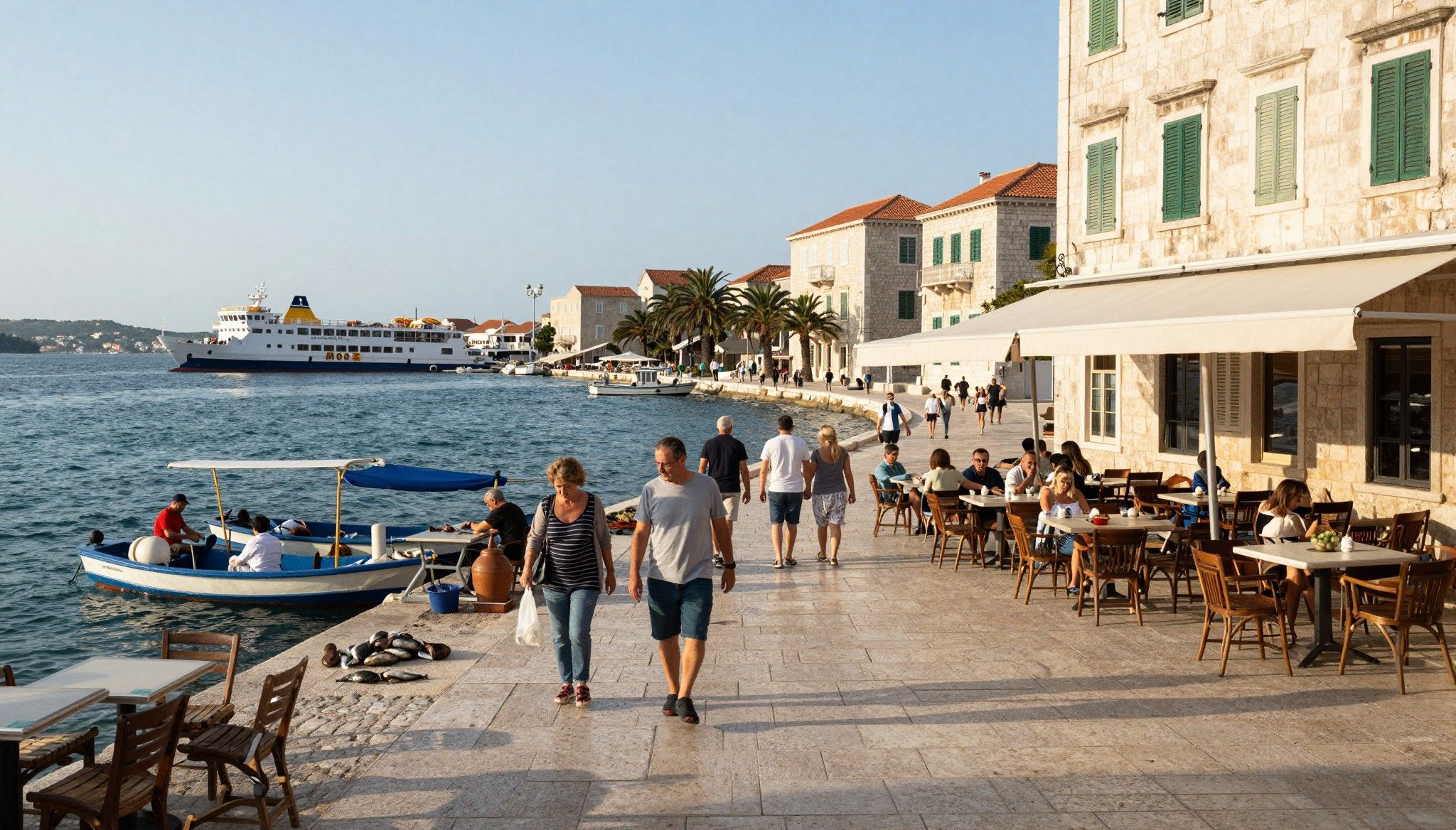
France’s lifestyle offer — boulangeries at dawn, open markets on Saturdays, coastal promenades in summer — is more than romance: it concentrates rental demand. Official transaction data from Notaires‑Insee show both concentration of price growth in a handful of cities and strong activity in second‑home and tourist areas, which matters when modelling seasonal income. That split creates two investment realities: steady long‑let demand in provincial towns and volatile, high‑peak income in tourist hotspots. Understanding which reality you target is the first step to realistic yield projections.
Paris & Île‑de‑France: daily life and yield realities
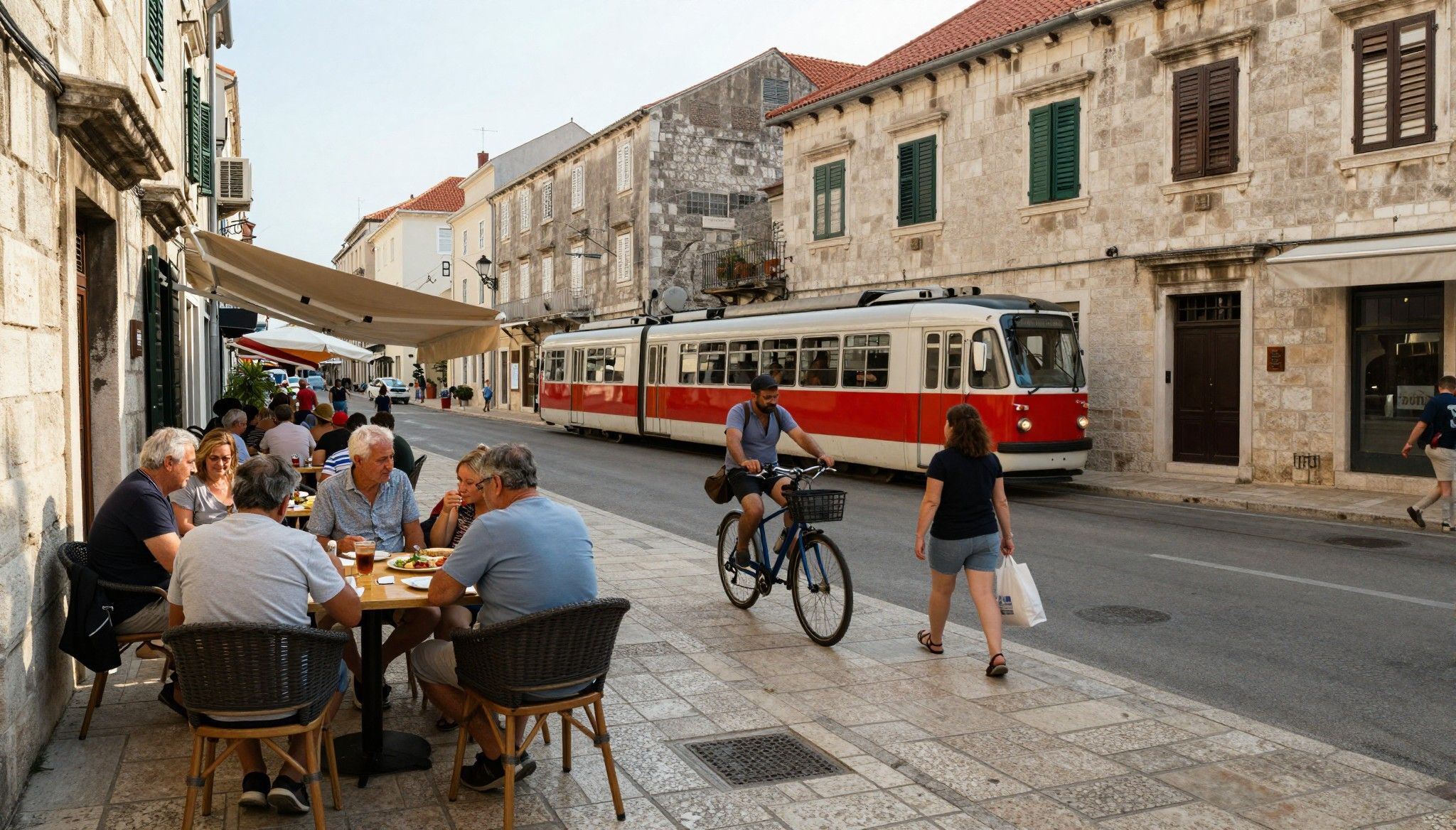
In Paris you live inside a global labour and culture hub: taxis at night, cafés full at 10am, office commuters in the morning. That density keeps vacancy low for long‑lets but pushes purchase prices above €9,000–€10,000/m² in prime arrondissements, compressing gross yields. Short‑term rental rules and registration requirements also reduce the effective nights you can legally rent, which must be modeled into revenue assumptions. Treat Paris as a capital‑preservation and occupancy‑low asset rather than a high‑yield arbitrage.
Coast, Alps and country towns: seasonality and outsized peaks
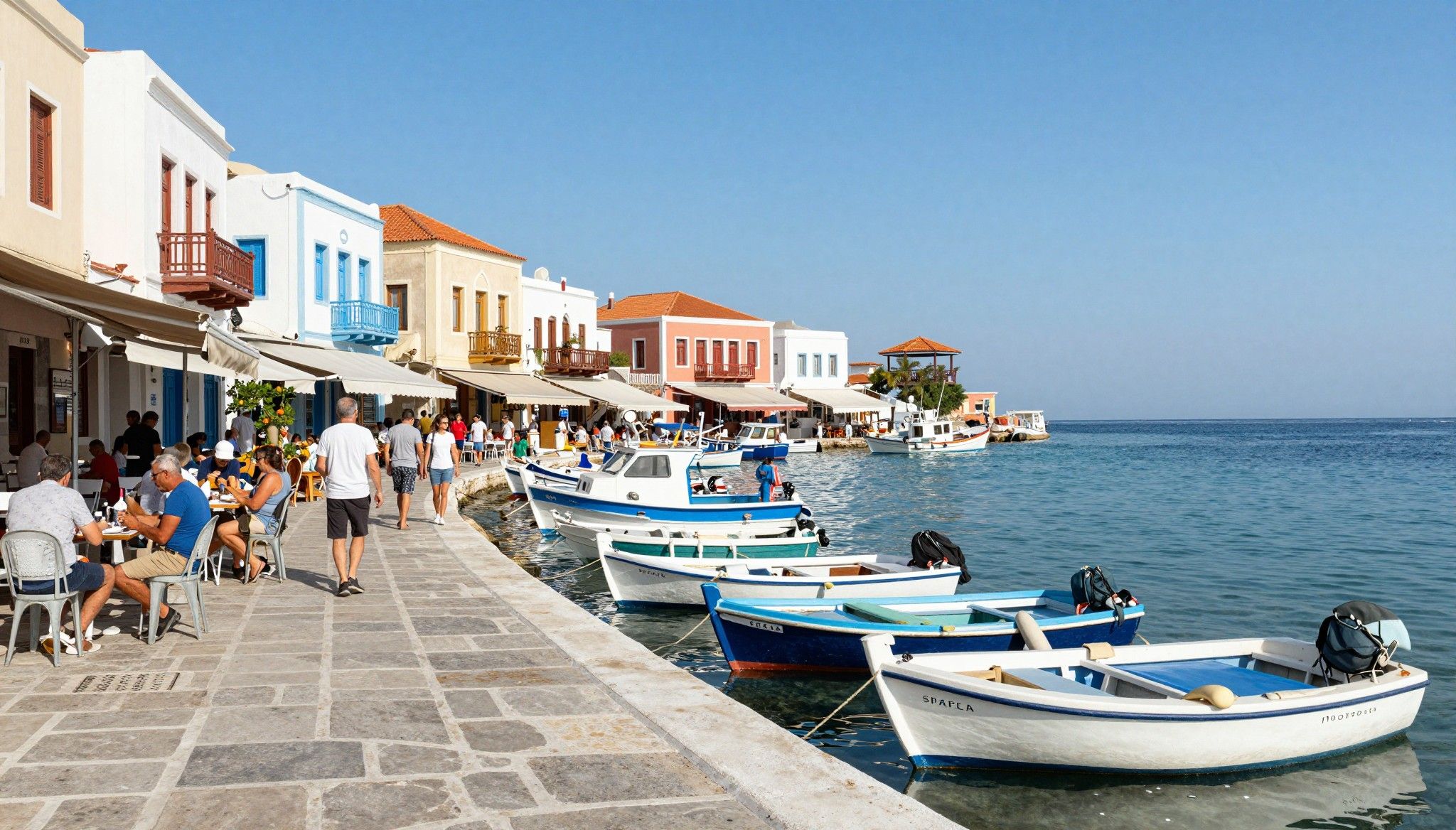
French coastal towns and alpine resorts offer starkly different cashflows: high peak rent seasons with lower off‑season demand. Ski resorts like Méribel and coastal towns such as Biarritz or Le Touquet experience price premiums and potentially high short‑let income, but occupancy is concentrated in weeks or months. Investors must model effective annualised yield (total seasonal income divided by purchase price) rather than peak nightly rates. That means precise assumptions on occupancy, operating costs and permitted short‑let nights.
- Lifestyle highlights that drive rental demand
- Open markets (e.g., Marché des Enfants Rouges, Paris) that attract weekly footfall - Regional festivals (e.g., Cannes Film Fest, Fête du Vin in Bordeaux) that spike short‑stay demand - Proximity to transport (TGV/TER stations) which sustains long‑let markets - Access to good schools (international schools in Lyon/Paris) supporting family rentals - Natural anchors: beaches (Côte d'Azur), ski lifts (Alps), châteaux routes (Loire) that underpin tourism-driven rental seasons
Making the move: how property types map to returns

Your chosen property form — Parisian apartment, provincial house with garden, or chalet — changes both lifestyle and yield mechanics. Apartments in central cities produce steady gross yields typically in the 2–4% range because prices are high and management is simple. Houses and village properties often trade at lower €/m² and can reach higher gross yields when let long‑term, but they carry higher maintenance and vacancy risk. Chalets and coastal villas can deliver strong peak returns via short‑lets, but regulatory limits and seasonality lower sustainable net yields.
How local rules reshape yield assumptions
Since 2019 and with stronger measures introduced in 2024–25, French municipalities can limit short‑term lets, require registration and enforce compensation mechanisms that convert tourist units back into long‑term housing. Paris and several coastal towns have strict quotas and registration rules; failure to comply risks heavy fines. Model net yield with conservative permitted‑nights and add a compliance buffer for unexpected regulatory tightening. When in doubt, prefer long‑let scenarios for staple yield calculations and treat short‑let income as upside.
- How to blend lifestyle goals with yield discipline (step‑by‑step)
1) Define your objective: capital preservation, steady income, or seasonal arbitrage. 2) Select locations aligned with that objective — Paris/large cities for preservation, tertiary towns for yield, resort areas for seasonal upside. 3) Build conservative occupancy and expense assumptions (subtract 10–25% from theoretical peak income). 4) Verify local short‑let rules and energy efficiency obligations that affect demand and legal use. 5) Engage a local agent and property manager to stress‑test cashflow scenarios before committing.
Insider knowledge: what expats wish they'd known
Expats often underestimate the administrative subtlety: energy ratings (DPE), municipal permits and local taxes can materially affect net yield and listing eligibility. Municipalities increasingly require minimum energy performance for tourist accommodations and can reject change‑of‑use requests without adequate documentation. Social integration — learning basic French and understanding neighborhood rhythms — also reduces turnover and vacancy because tenants value landlords who respect local norms. The smartest buyers build local relationships early: notaires, mairie officials and experienced managers.
Practical red flags and missed costs
- Overly optimistic occupancy assumptions for resort properties - Ignoring changes to municipal short‑let rules and registration requirements - Underestimating maintenance for older French buildings (copropriété charges, façade works) - Not modelling transaction timing delays (notaire timelines can extend cash drag) - Missing departmental variations in property transfer taxes that affect break‑even
Conclusion: fall in love with France, but underwrite like an investor
France rewards buyers who balance imagination with spreadsheets: its cafés, markets and coastline create persistent tenant demand, while its regulatory landscape and price dispersion demand disciplined underwriting. Use location‑specific price per m² and permitted‑use rules to estimate conservative net yields, then layer lifestyle upside as optional scenarios. Work with local agents, notaires and property managers early to quantify legal constraints and operating costs. If you measure emotion in nights booked and cashflows in euros, France can be both a lifestyle home and a resilient asset.
Swedish financier who guided 150+ families to Spanish title deeds since relocating from Stockholm in 2012, focusing on legal and tax implications.