Limassol Hype vs Hidden Yield Pockets in Cyprus
Limassol commands headlines, but Cyprus’s best yield opportunities often sit in Larnaca, Paphos and specific mid‑market pockets—match lifestyle with conservative yield modelling.
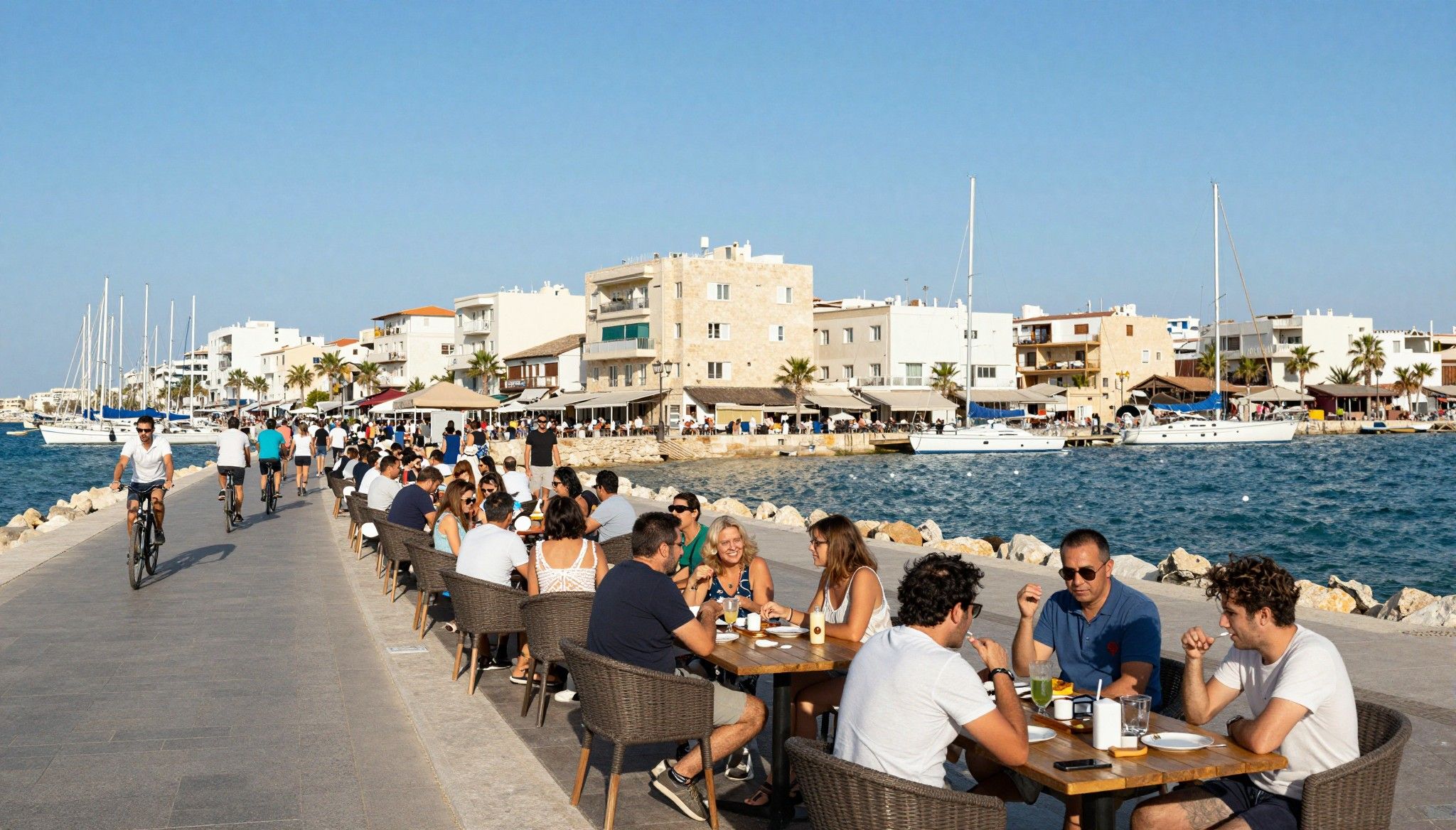
Imagine sipping an espresso on Limassol’s Molos promenade, then swapping it for a quiet Sunday market in Larnaca or a stone‑strewn Paphos lane. Cyprus feels small enough to know quickly, large enough to surprise indefinitely — and that tension is where investment opportunity hides.
Living the Cyprus lifestyle
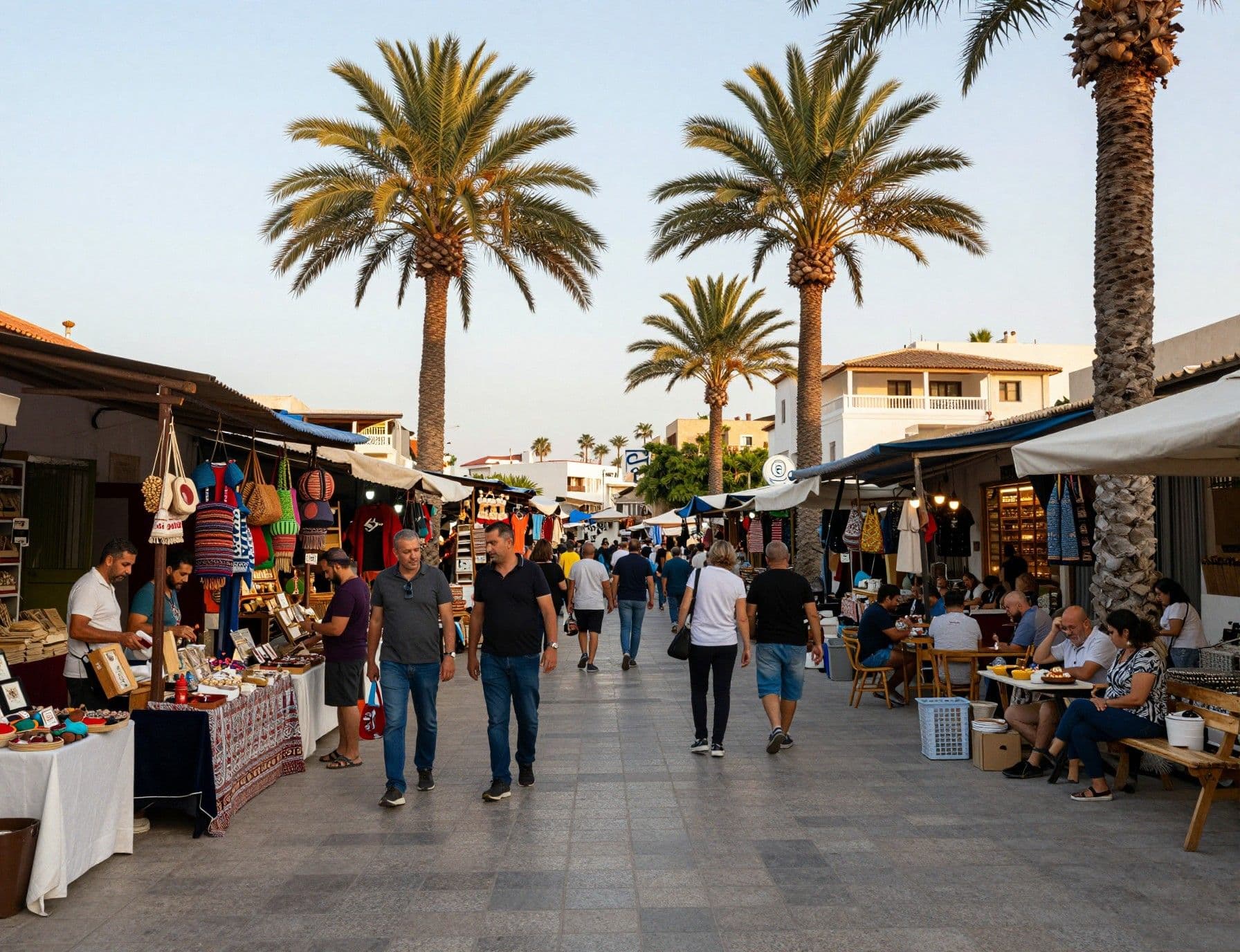
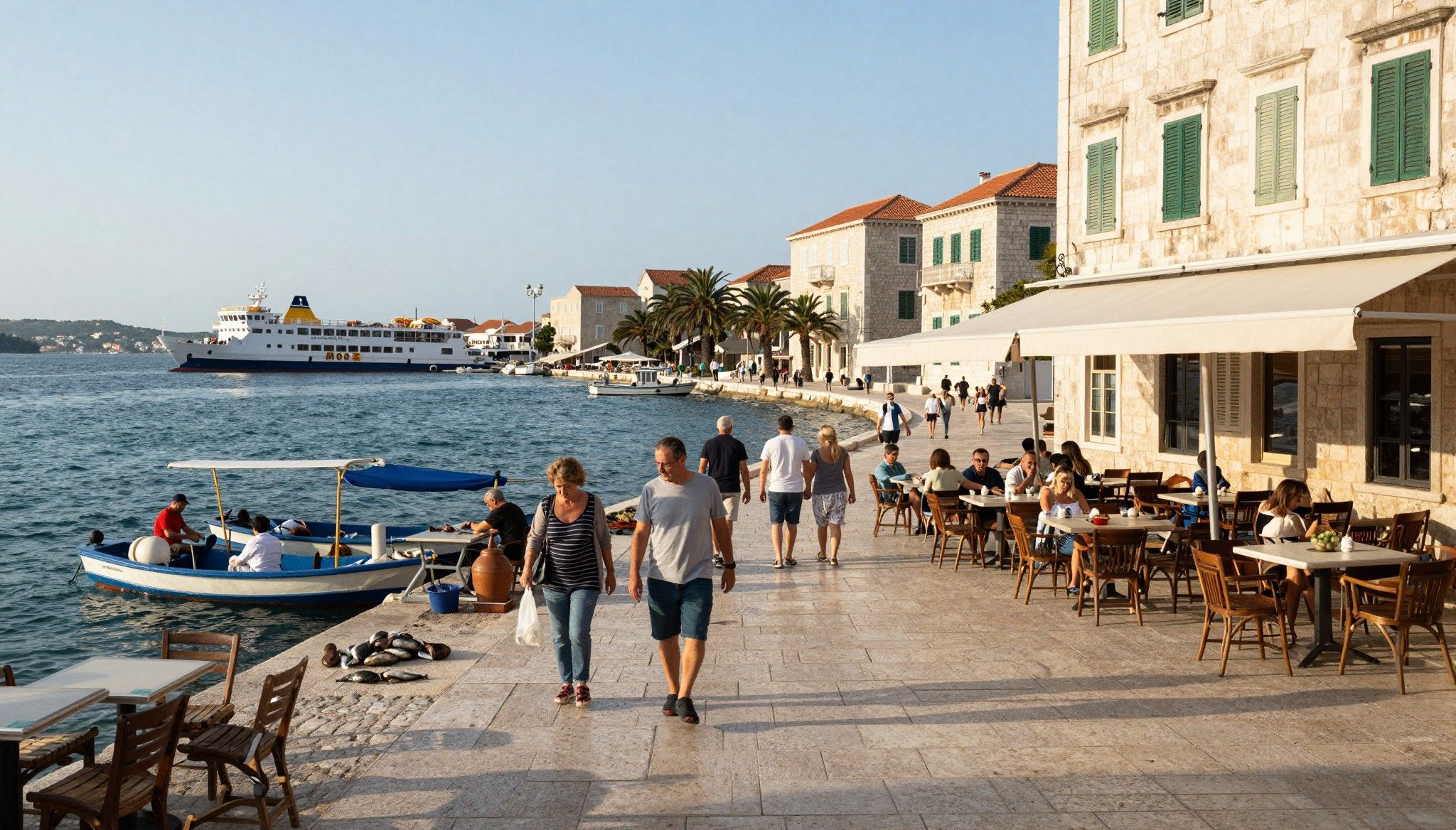
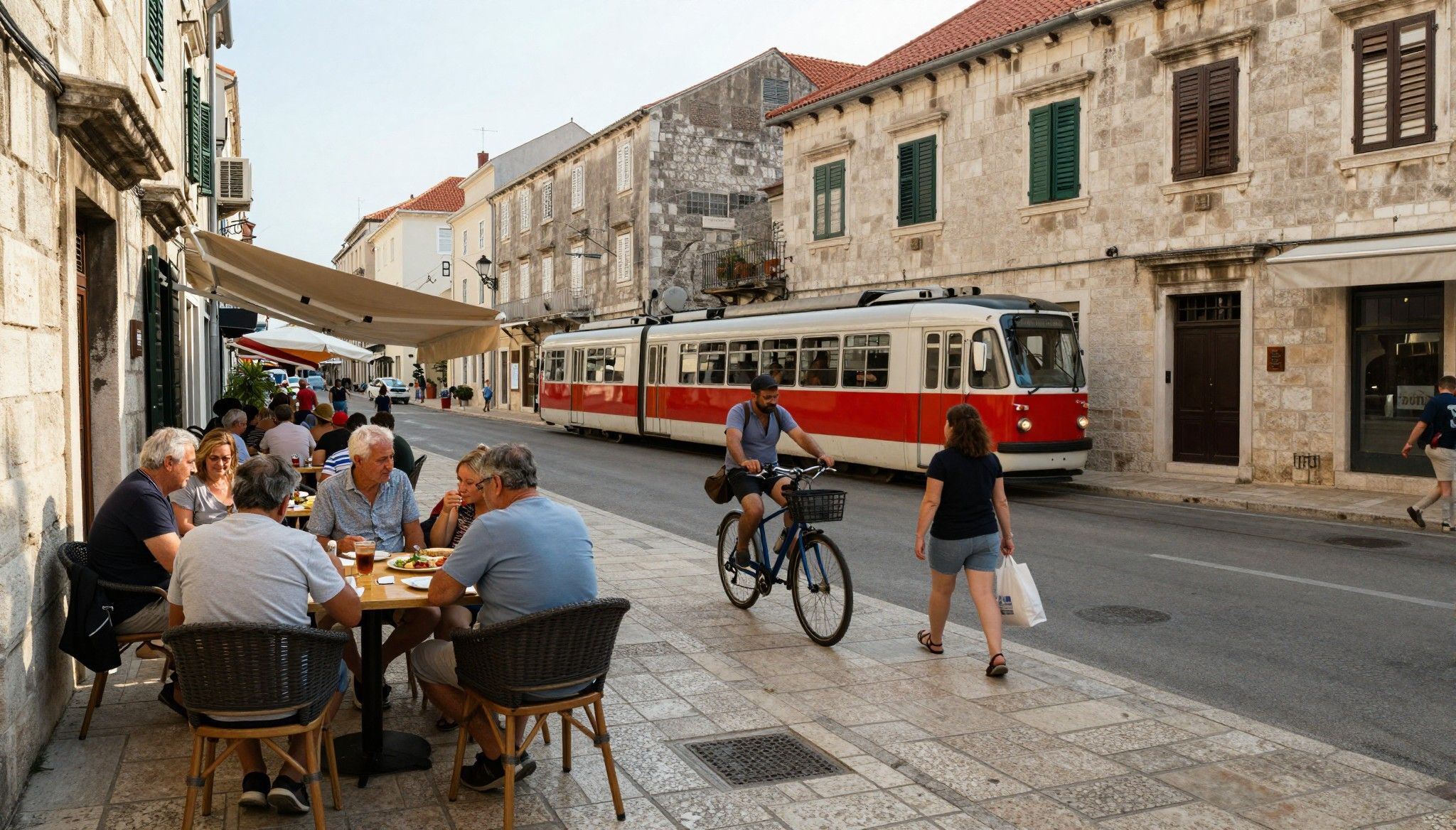
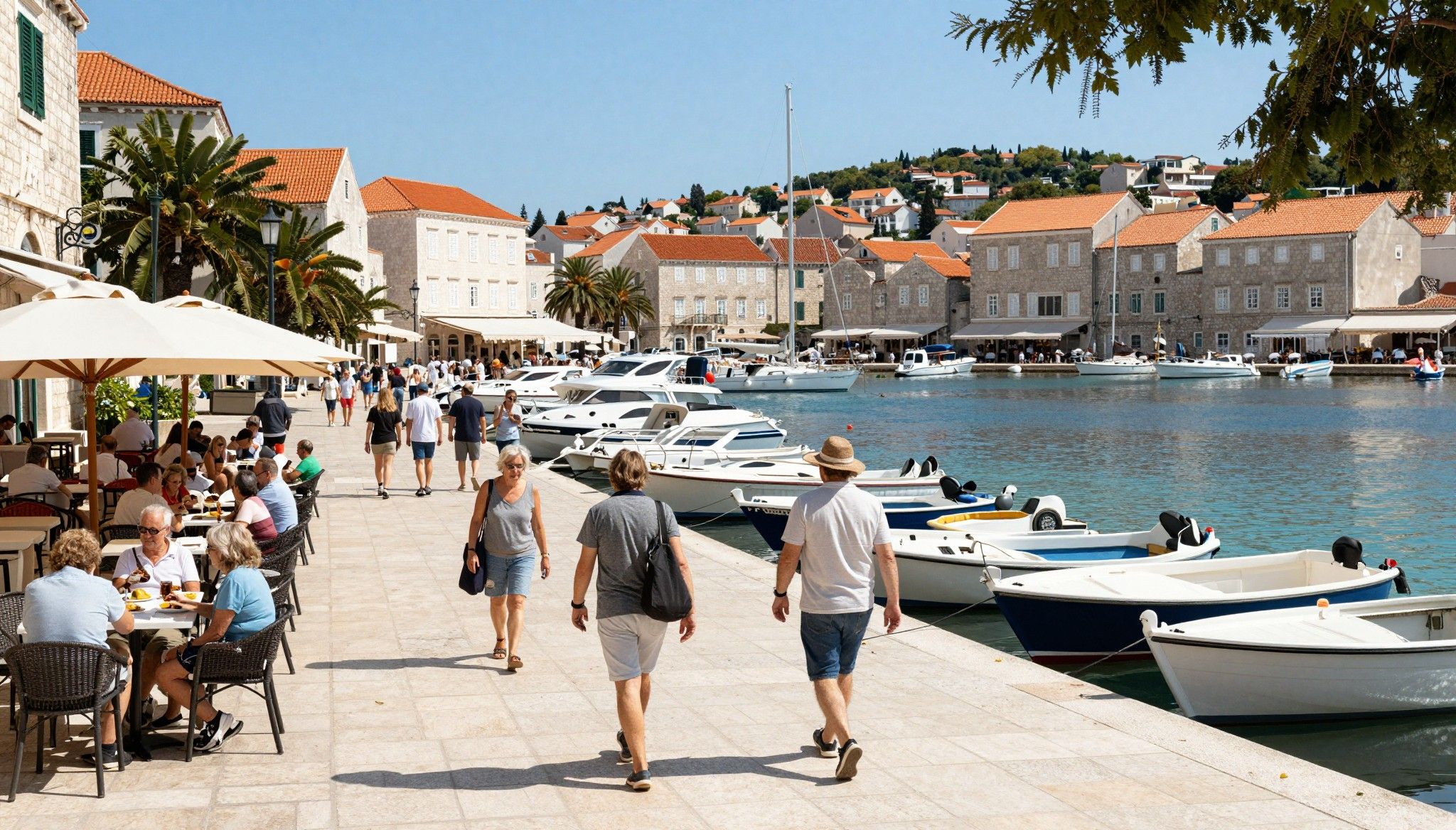
Daylight, sea and neighbourhood rhythm define daily life: café culture by the sea, late markets, small neighbourhood tavernas and an English‑friendly administrative scene. Rising tourist flows (over 4 million visitors in 2024) amplify rental demand seasonally and sustain many coastal micro‑markets. Those visitors aren’t evenly distributed; their preferences tilt returns towards specific districts and property types.
Limassol: the headline market
Limassol is Cyprus’s price engine: new builds, marinas and corporate relocation have pushed prime per‑sqm rates well above national averages. That concentration of capital creates liquidity but also inflates headline prices — and therefore headline risk — making Limassol a poor proxy for national yield potential.
Larnaca & Paphos: underrated yield theatres
Larnaca and Paphos combine lower entry prices with steady tourist and local rental demand. Larnaca’s affordability (lower €/m²) produces stronger gross yields for mid‑market apartments, while Paphos benefits from year‑round expat communities and a quieter, more rental‑stable season.
Making the move: practical considerations
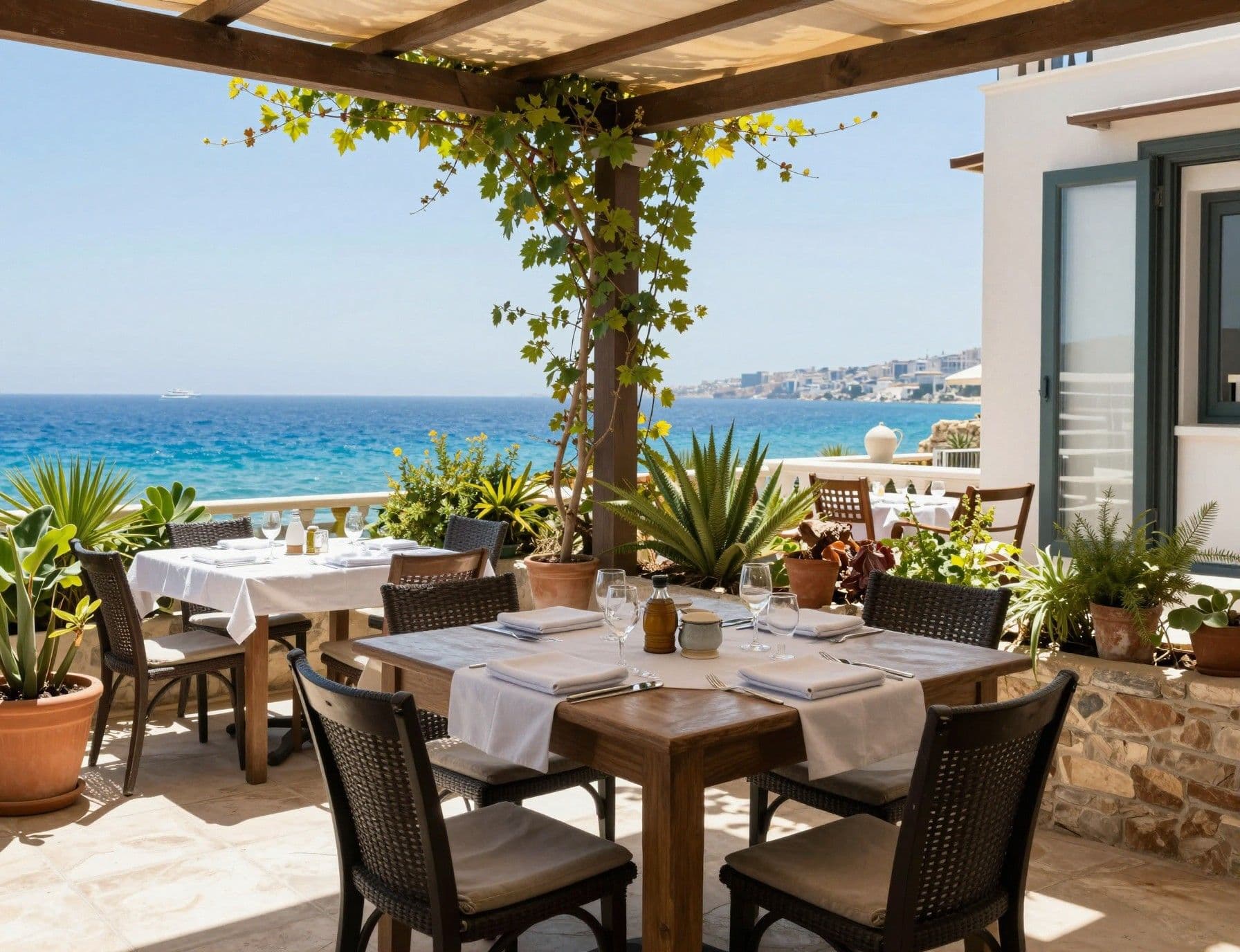
Lifestyle sells the dream; yields justify the purchase. Use price per square metre, expected gross yield and vacancy risk as your core triad. Cyprus data sources (HPI, RPPI and industry reports) show accelerating prices in some districts while rental growth has been more muted — a classic signal to hunt for pockets where price growth lags rental demand.
Property styles and investor use-cases
Apartments near transport nodes and university campuses suit predictable long‑let income; holiday apartments close to beaches or marina infrastructure suit short‑let strategies but require operational overhead. Villas deliver capital upside in suburban pockets but carry higher carrying costs and variable demand.
How local experts turn lifestyle into yield
A Cyprus agent who knows which streets feed daily demand — the university flats in Athienou, family terraces in Mesaoria, or Limassol’s corporate rental corridors — shortens your path from “looks nice” to “cashflow ready.” Expect agents to provide comparables, recent transaction prices and realistic vacancy assumptions rather than glossy brochures.
- Investment checklist: on‑the‑ground factors
- 1) Map rental demand: university, airport, tourist cluster, corporate. 2) Confirm legal title and planning status with local solicitor. 3) Forecast net yield: gross yield minus 15–25% for fees, management and seasonal vacancy. 4) Check utility readiness and building permits — Cyprus enforcement can be uneven. 5) Plan for exit: resale liquidity concentrates in Limassol, Paphos and select coastal pockets.
Insider knowledge: what expats wish they'd known
Expat owners commonly under‑estimate seasonality and water/maintenance realities. Summers bring occupancy and rents; winters show the market’s baseline. Successful long‑term owners factor in utilities, building maintenance and a local operations partner before they commit.
Language, culture and community fit
English is widely used in business and property transactions, but local relationships — the plumber, the building manager, the municipal clerk — still run on personal trust. Spend time in neighbourhood cafés (e.g., Larnaca’s Finikoudes side streets, Paphos’ Kato Paphos lanes) before buying; you’ll learn which streets fill quickly and which stay quiet.
Long‑term lifestyle vs. short‑term upside
If you prioritise stable, year‑round returns, focus on mid‑market long‑let stock in demand from locals and expats. If you chase seasonal upside, model operating costs aggressively — the island’s tourism tail winds are real, but so are management fees and variable occupancy.
- Practical red flags to avoid
- Incomplete permits; ambiguous title; unrealistic agent rent forecasts; properties dependent on one seasonal demand source; sellers pressing for fast cash offers without comparable sales.
Take three realistic steps before you sign: 1) Request five local comparables within 12 months; 2) Ask for a true operating budget (maintenance, management, taxes); 3) Run a sensitivity table: prices ±10%, vacancy ±20%. Those small models reveal whether Limassol glamour or Larnaca prudence wins for your objectives.
Cyprus’s story is not one single market: Limassol headlines, but yields often hide in quieter corners where price growth lags demand. Treat the island like a small portfolio — one coastal growth engine, several yield engines — and you’ll buy with both lifestyle and returns aligned.
Next step: visit targeted neighbourhoods in different seasons, request local comparables and a pro forma from a specialist Cyprus agent, and model net yield using conservative vacancy and expense assumptions — that discipline separates dreamy purchases from portfolio returns.
British expat who moved to the Algarve in 2014. Specializes in portfolio-focused analysis, yields, and tax planning for UK buyers investing abroad.