Coastal Price Panic vs Inland Yield: Croatia’s Risk Map
Croatia’s headline coastal price growth masks concentrated seasonality and liquidity risks; model occupancy, maintenance shocks and sale‑lag scenarios before paying a coastal premium.
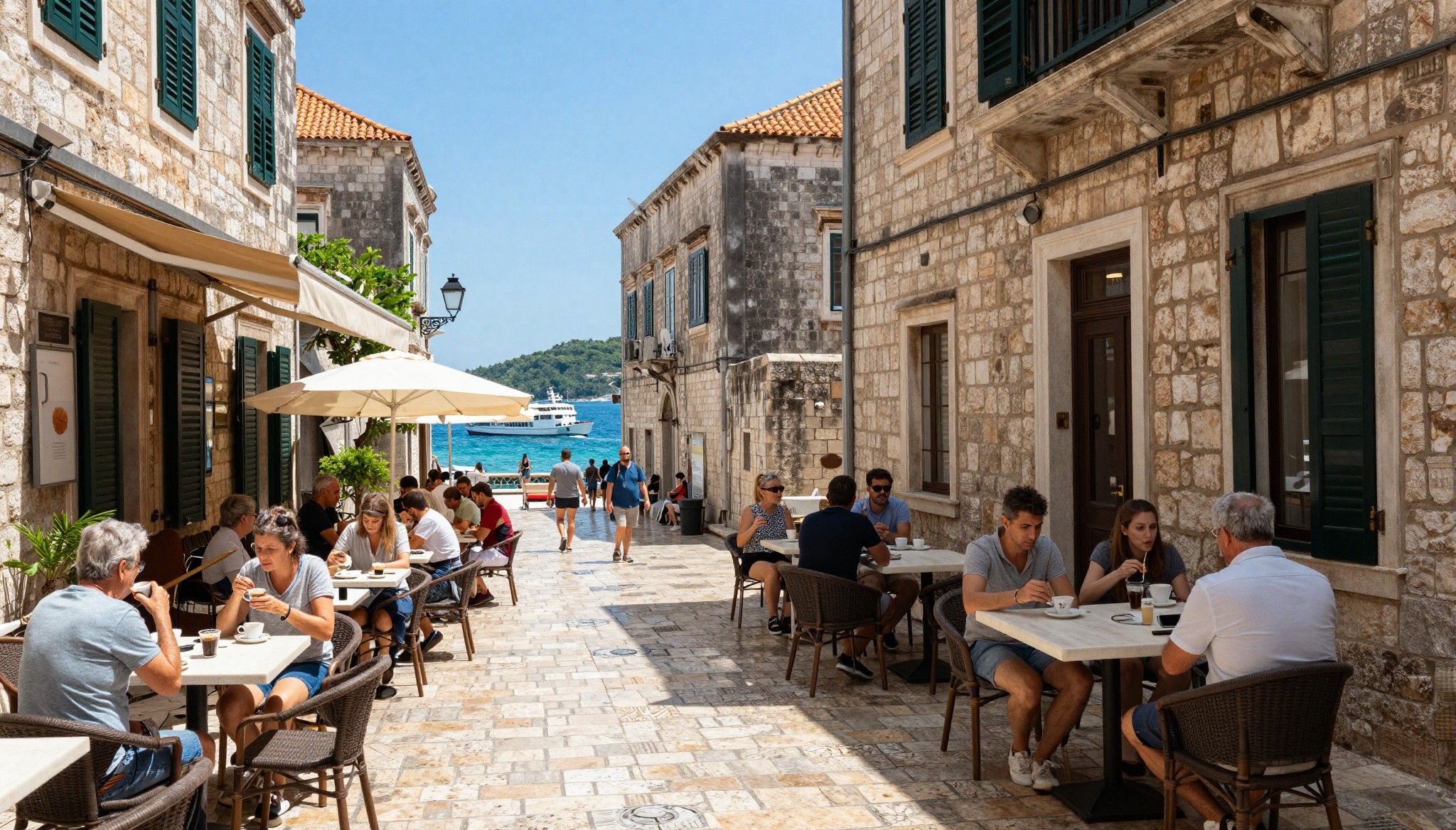
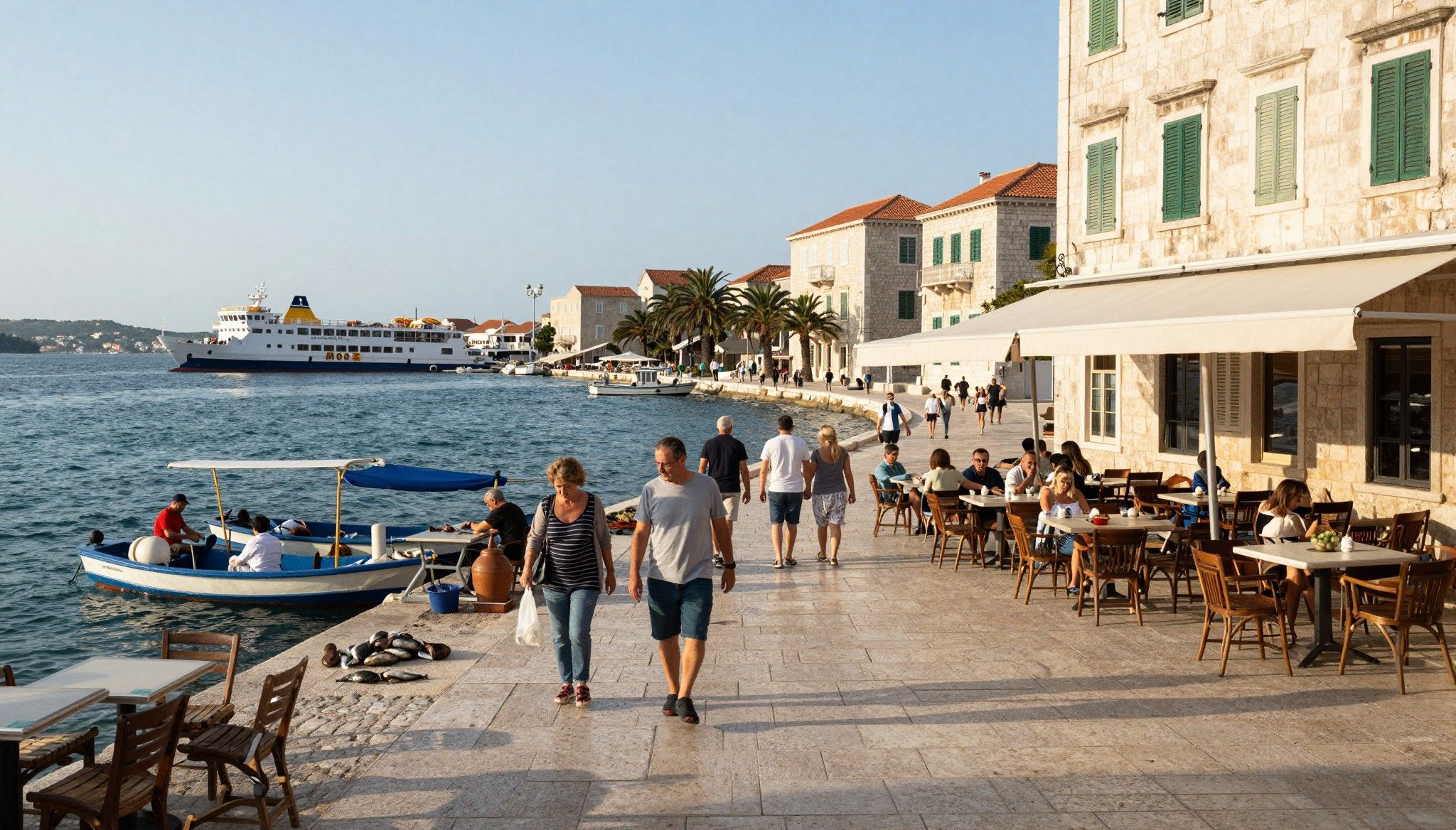
Imagine stepping out for morning espresso on Split’s Riva, the sea air carrying the scent of grilled fish and citrus. Summer terraces hum with multilingual conversation; in winter, narrow stone streets are quieter, the coastline revealing a slower rhythm. That contrast — postcard summers and calm off‑season — shapes both daily life and how investors must model risk in Croatia.
Living the Croatia lifestyle — real, seasonal, local
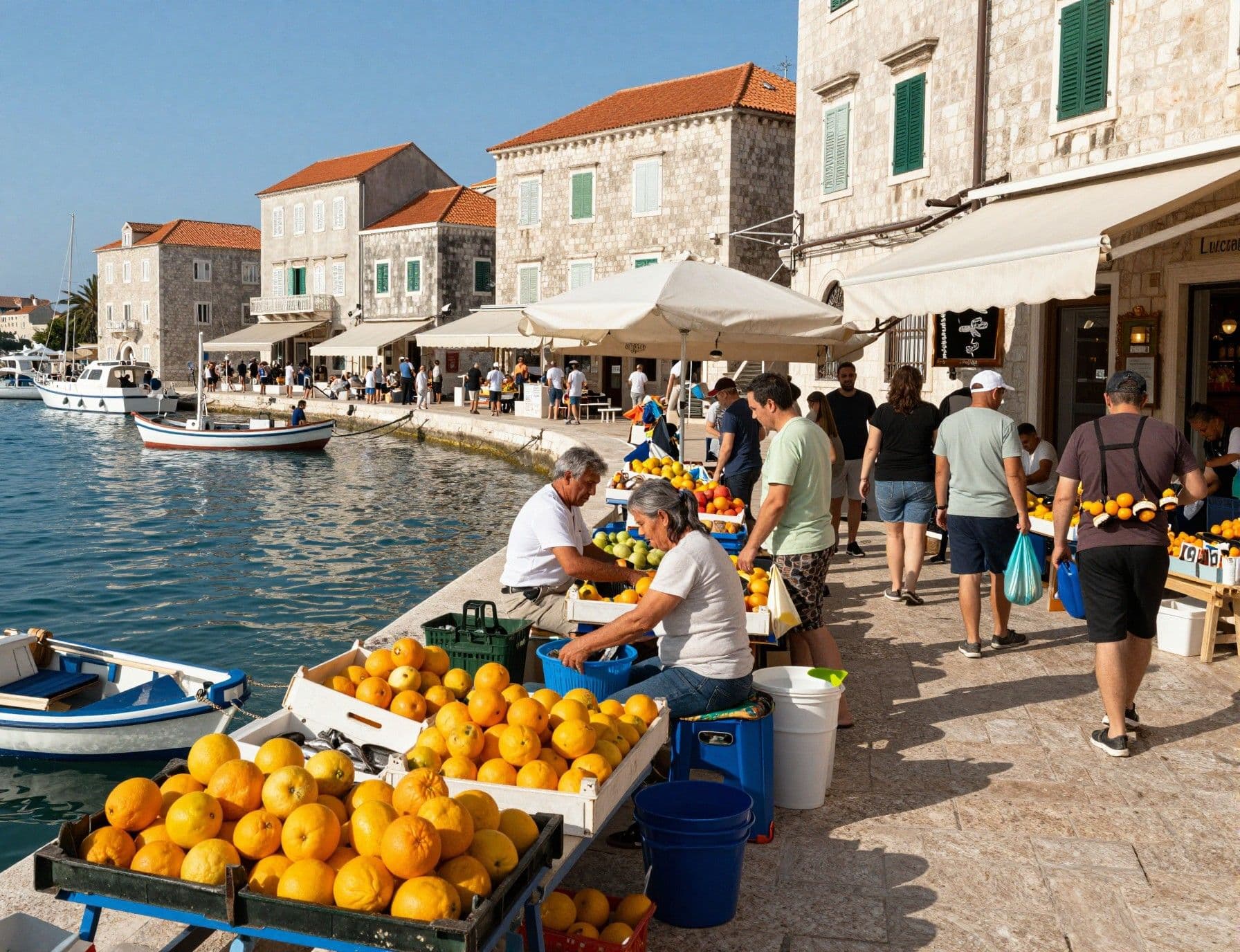
Croatia is simultaneously Mediterranean and Central European: a long coastal season with island-hopping summers and continental plains inland where life is measured by markets and town squares. Neighborhoods vary sharply — from Dubrovnik’s fortressed Old Town to Zagreb’s leafy Maksimir — and each pace of life affects who rents, when, and for how much.
Coastal pulse: Dalmatia and Istria
On the Adriatic, places like Split, Hvar and Rovinj transform with tourist seasons: asking prices in tourist hubs climbed noticeably in 2025 and inventory is limited in desirable micro‑locations. That scarcity drives headline price growth, but it also concentrates downside risk into narrow weeks and months when demand evaporates.
Inland rhythms: Zagreb and the continental heart
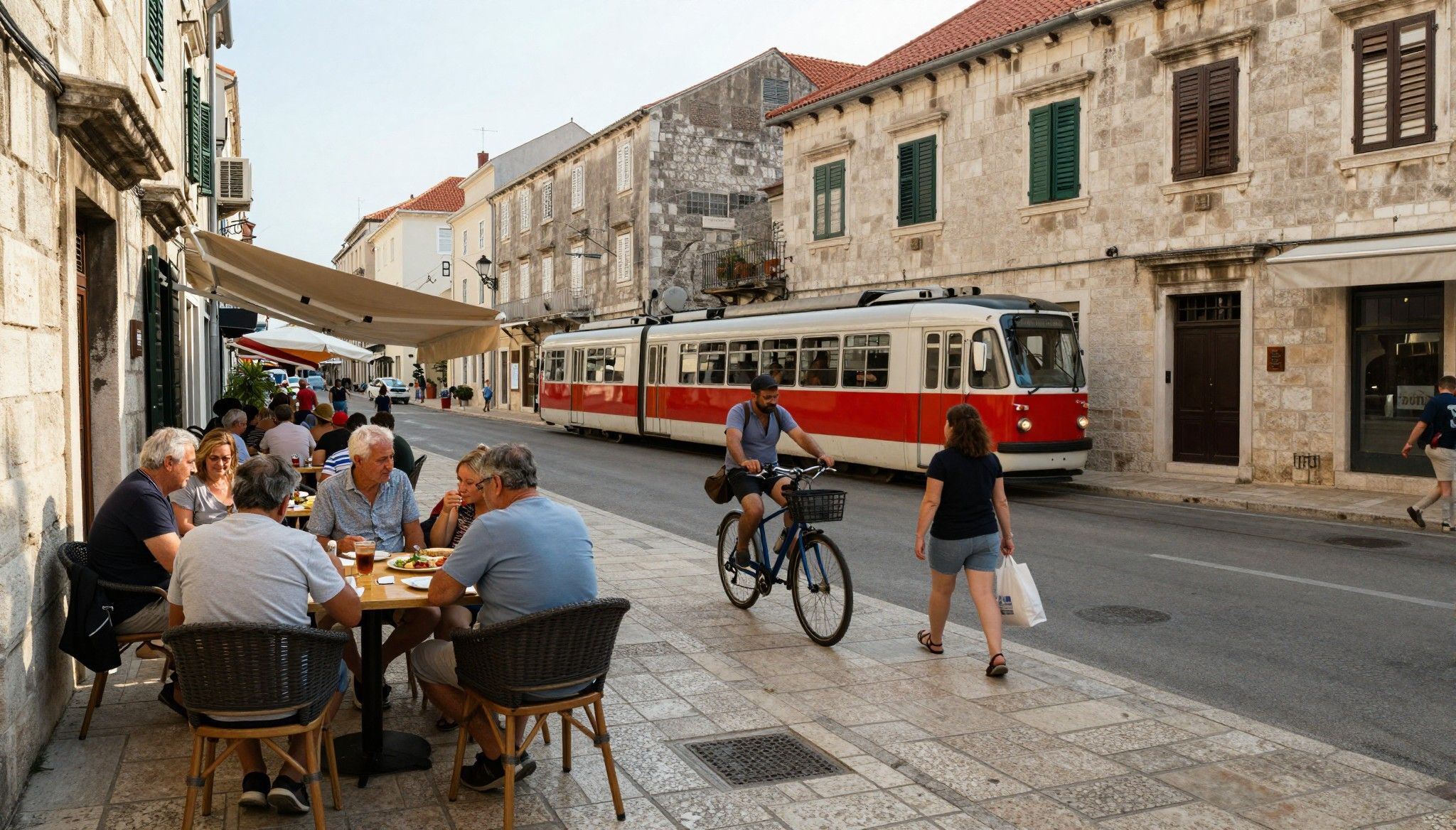
Zagreb offers year‑round rental demand from students, professionals and diplomats; prices are generally lower per square metre than prime coast but show steadier transaction volumes. New‑build averages differ from existing stock, so buyers focused on yield should compare effective price per lettable square metre, not headline asking prices.
Making the move: practical considerations that respect the lifestyle
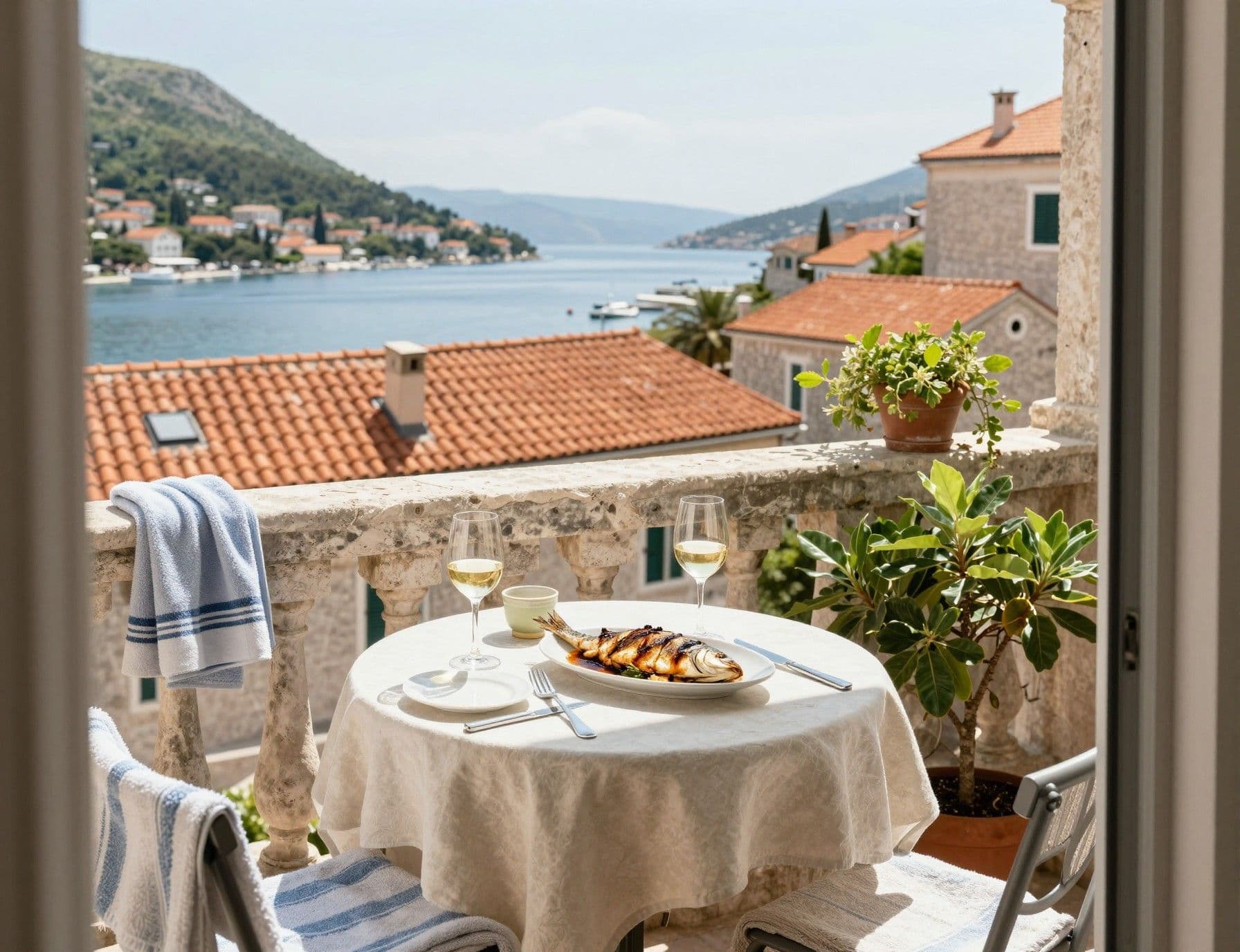
If the lifestyle — markets at dawn, island ferries, farmers’ market produce — is the magnet, the numbers must be the anchor. Croatia’s house price indices rose through 2024–25, but transaction volumes cooled, indicating liquidity risk that international buyers must model explicitly when projecting exits or short‑let yields.
Property types and how they match lifestyle use
Stone apartments in Old Towns carry character and premium night rates in summer yet often have limited winter demand and higher maintenance costs. Newly built coastal apartments and modern canal‑front homes offer better year‑round fittings and lower upkeep but command higher entry prices. Match type to use-case: short‑let, year‑round rental, or owner‑use with occasional letting.
Working with local experts who understand seasonality and yield
Local agents and property managers who know ferry timetables, municipal zoning around protected heritage, and the peaks of short‑let demand materially improve modelling accuracy. They can provide realistic occupancy curves, expected capex for heritage properties, and introductions to trusted contractors who understand stone‑mortar repairs.
Insider risk map: where headline growth hides concentration risk
In 2025 transaction counts fell even as median prices rose in many coastal towns — a classic sign of illiquid price discovery. For investors this means entry price matters more than headline momentum: paying a coastal premium without an exit path or realistic offseason yield profile increases tail risk.
Four concentrated risks to model
- Seasonality: summer occupancy can mask negative cashflow across 12 months
- Liquidity: falling transactions mean wider bid‑ask spreads and longer time to sell
- Concentration: micro‑location premiums leave portfolios exposed to tourism shocks
- Regulatory shifts: planning, energy rules and short‑let controls can reprice returns
A step‑by‑step sensitivity test (simple, repeatable)
- Set baseline: compute net yield using conservative occupancy (e.g., 50–60% annual) and realistic operational costs including property management and maintenance.
- Shock scenarios: re-run cashflows with -20% occupancy, +15% maintenance, and a 12‑month sales lag to see downside NAV and IRR impact.
- Compare locations: contrast a coastal micro‑site with an inland Zagreb apartment on the same metrics; prefer locations where downside yields remain positive under stress.
What expats wish they'd known — culture, costs and long‑game realities
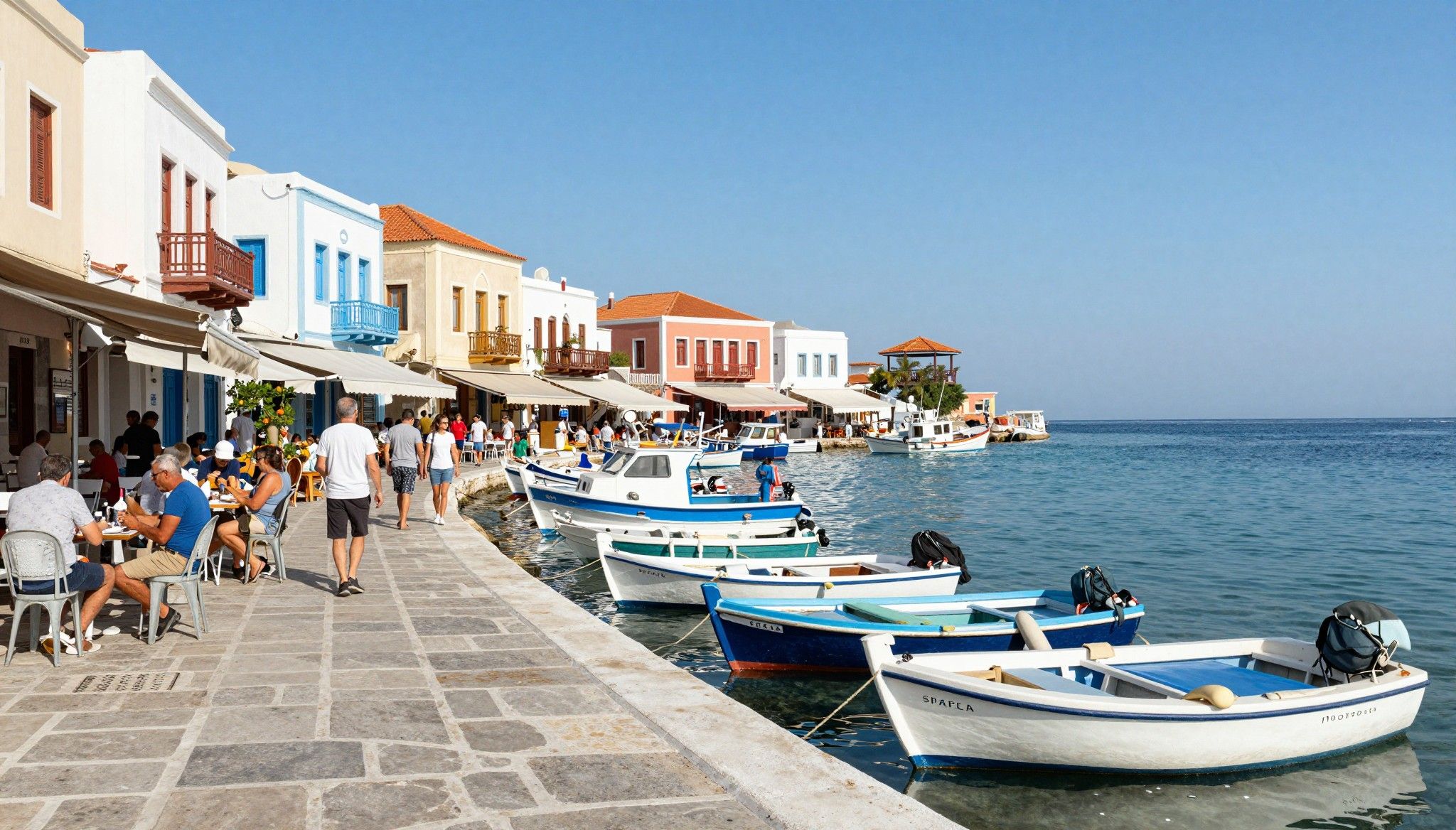
Expats often fall for summer photos: cafes full, boats tied to jetties, and think yields will always look like August. In practice, friendships, local language, and winter services — heating, winter ferries, municipality snow clearing inland — determine whether a property is a joy or a recurring headache.
Practical cultural notes that affect value
- Contracts: insist on translated sale agreements and an independent notary review.
- Community rules: heritage districts often limit modifications and increase renovation times.
- Local relationships: good neighbours and a reliable custodian reduce operating friction for long‑distance owners.
Real examples and data to anchor intuition
Use official DZS house‑price indices and local market reports (Avison Young, Njuškalo analyses) as inputs; for example, DZS reports quarterly rises in 2025 while transaction counts fell — an input that should tilt models toward conservative exit timing. Always request historic occupancy and utility cost data from operators before underwriting short‑lets.
If you value year‑round rental stability, prioritise Zagreb or university towns with steady demand. If you want seasonal premium income, favour small coastal assets in high‑quality micro‑locations but cap exposure at a modest share of your portfolio to limit concentration risk.
Operational checklist before signing
- Request 24 months of P&L for short‑let properties and verify occupancies with booking platform exports.
- Obtain a local structural and energy inspection for stone properties — repairs and insulation materially affect winter cashflows.
- Model conservative financing: assume 60% loan‑to‑value and stress test rates and FX on rental receipts.
Croatia offers a lifestyle few countries can match: Old Town breakfasts, island weekends, and a mix of quiet seasons and lively summers. For international buyers, the decision isn’t just about buying a place you love — it’s about stress‑testing that love against seasonality, liquidity and regulatory risk.
Next steps: gather local historic occupancy data, commission a sensitivity table using the simple shock scenarios above, and engage a local agent who can produce on‑the‑ground comparables and contractor quotes. If you want, we can provide a template sensitivity spreadsheet to run the three scenarios discussed here.
Dutch investment strategist who built a practice assisting 200+ Dutch clients find Spanish assets, with emphasis on cap rates and due diligence.