Croatia’s Summer Hype and the Real Yield Risks
Croatia’s coastal romance hides seasonal yield risk; stress‑test summer ADR, verify legal reciprocity, and diversify inland to stabilise returns.
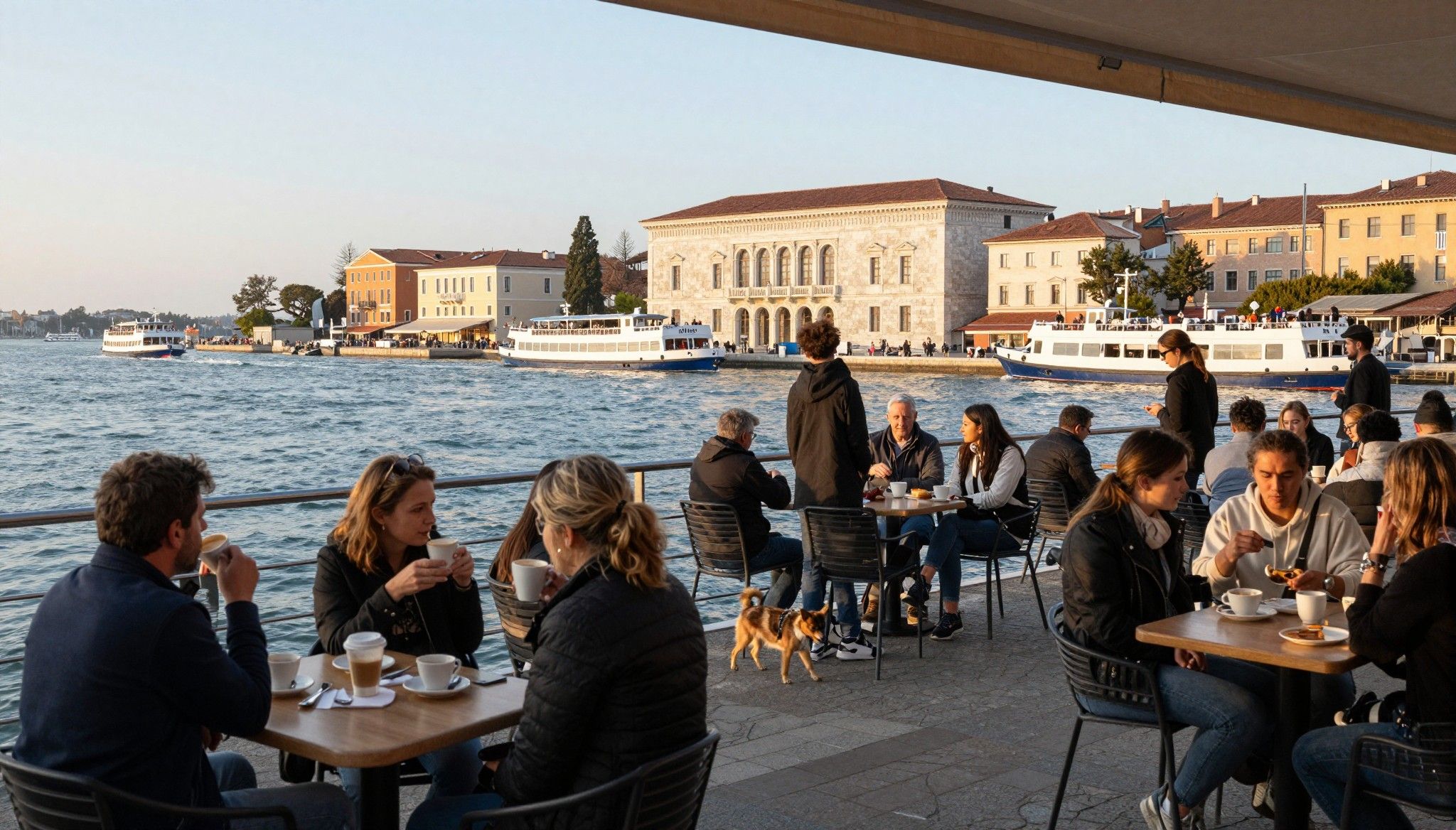
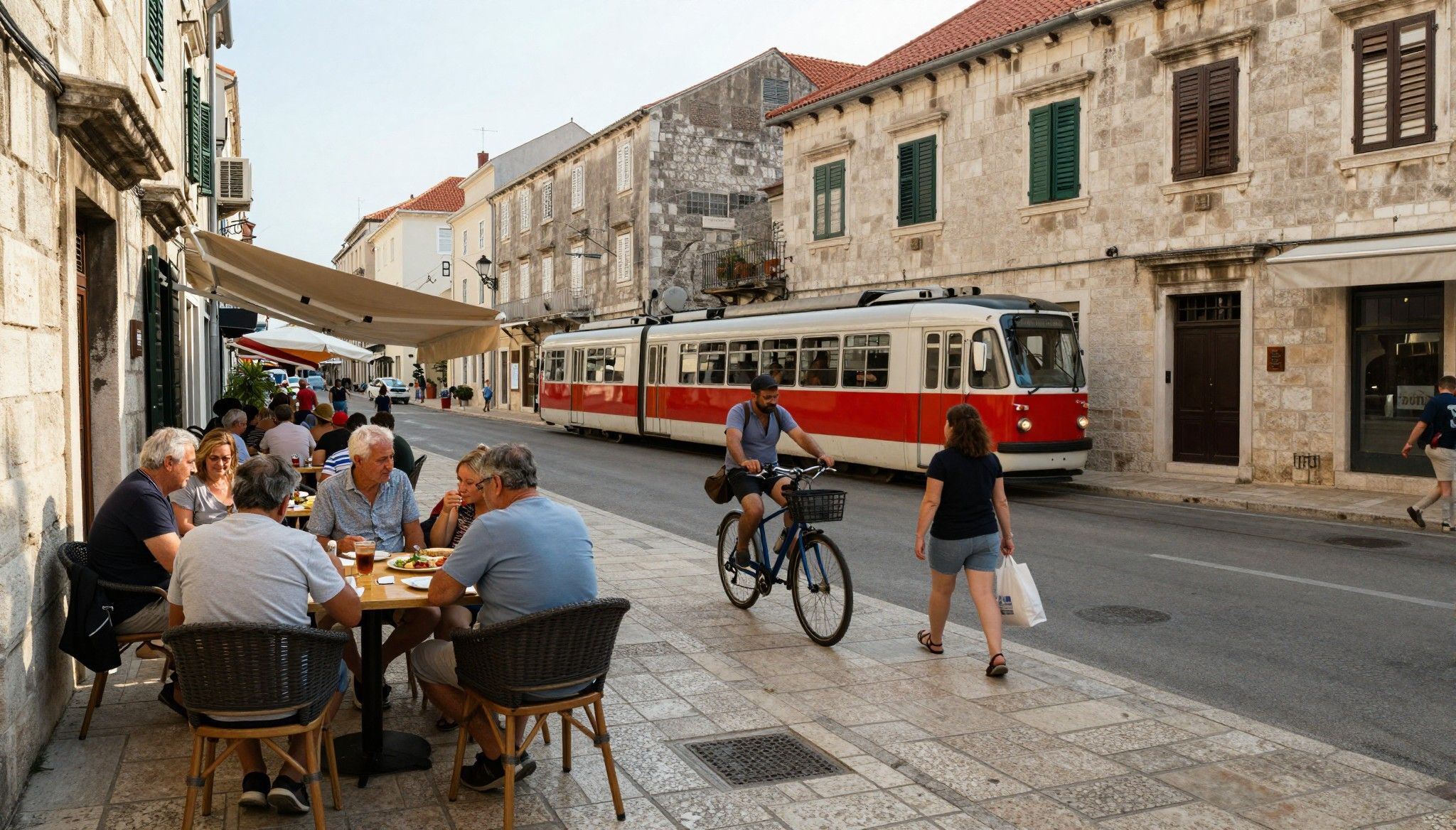
Imagine sipping a late‑morning espresso on Split’s Riva, then stepping onto a tram in Zagreb that drops you next to a weekend farmers’ market. Croatia moves between Adriatic postcard summers and quiet, practical rhythms for nine other months — a seasonal double life that shapes returns, tenant profiles and renovation priorities.
Living the Croatia lifestyle — real texture, not tourism gloss
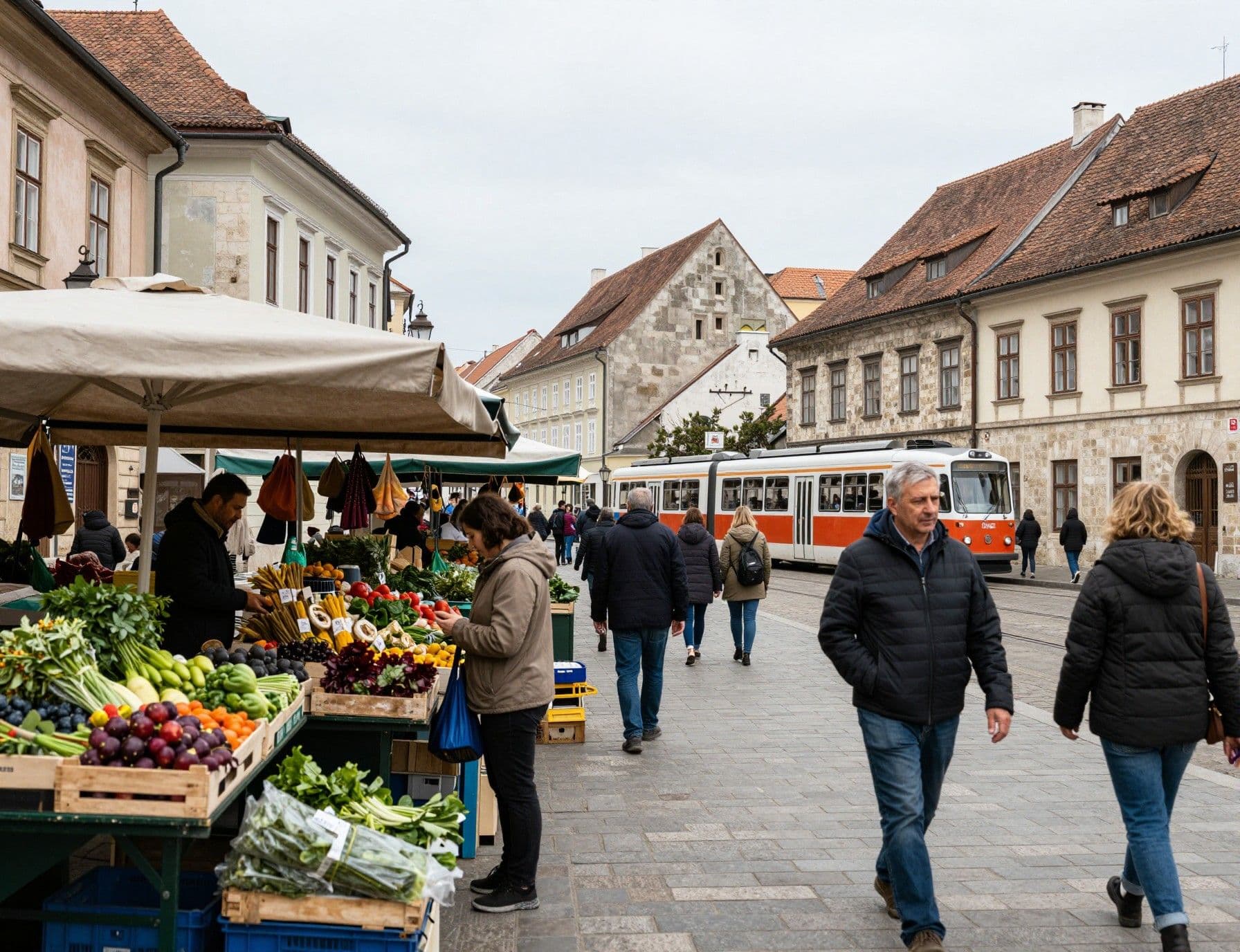
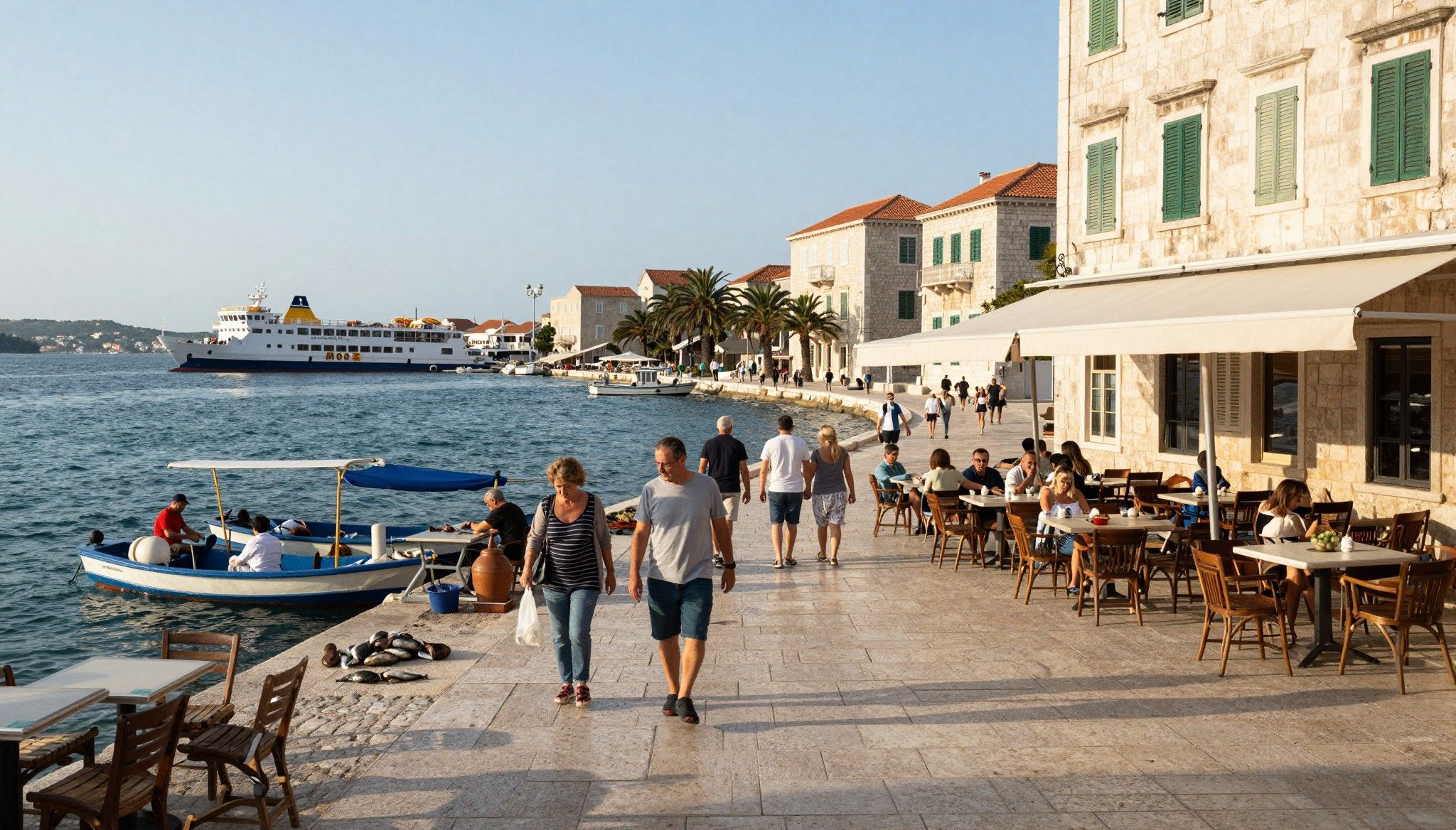
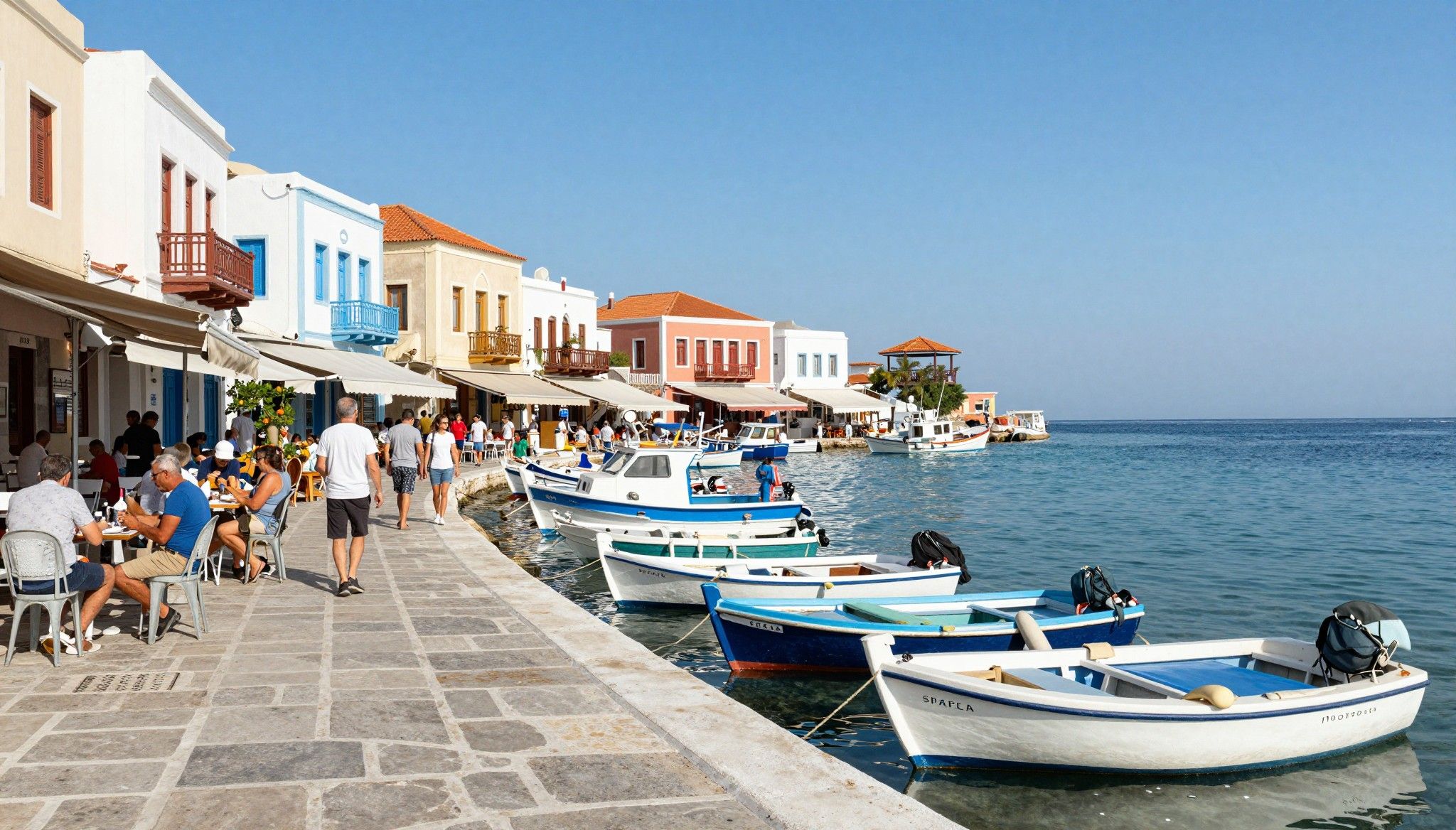
Daily life in Croatia balances Mediterranean immediacy with Central European order. Streets in Rijeka and Pula feel industrial‑chic; lanes in Trogir and Korčula smell of sea salt and grilling fish. Accept that large parts of the coastline pulse intensely from June–September — rental demand and prices spike — while inland markets (Zagreb, Slavonia) offer steadier year‑round activity with lower vacancy risk. Recent market data shows nationwide rental yields that are moderate, and price growth concentrated on the coast.
Neighborhood spotlight: Split (Veli Varoš to Bacvice)
Picture Veli Varoš’s limestone lanes where locals queue for morning coffee and fishermen sell catches at the harbor. Walk 20 minutes to Bacvice beach and you’re in the tourist rhythm: cafes, short‑lets, seasonal nightlife. For investors this means a split market within the same city — authentic neighborhoods deliver stronger long‑let prospects, beach strips deliver summer ADR (average daily rate) but higher management costs and seasonal vacancy.
Food, festivals and off‑season life
Markets (Dolac in Zagreb), late‑autumn truffle fairs in Istria, and St. Donatus concerts in Zadar all reshape neighborhood desirability beyond high season. If you want long‑term tenants who value community, target streets near markets, schools and transport — not only sea views. That cultural density often correlates to lower turnover and steadier net yields.
- Lifestyle highlights
- Morning markets: Dolac (Zagreb), Pula Green Market
- Coastal promenades: Split Riva, Zadar waterfront, Opatija Lungomare
- Hidden beaches: Stiniva (Vis), Zlatni Rat (Brač) for quieter shoulder months
Making the move: practical considerations where lifestyle meets risk
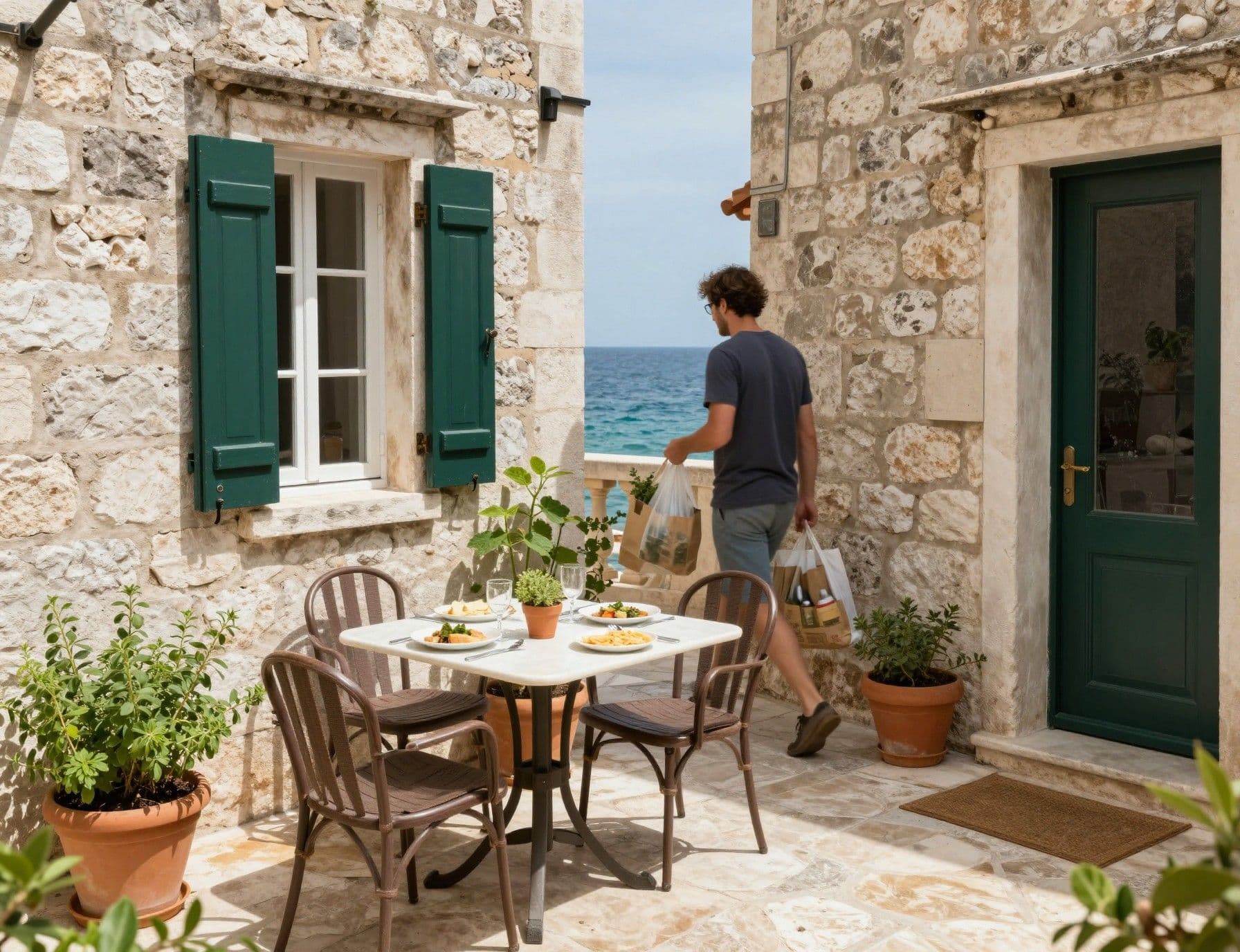
Dreams of seaside dinners must be weighed against concrete risk drivers: seasonality, municipal short‑let rules, utilities and insurance for island properties, and financing costs that tightened after euro adoption. Use official price and transaction statistics to stress‑test yield assumptions — coastal prices can outpace inland rents, compressing gross yields materially.
Property types and how they perform
Stone apartments in Dalmatia typically command higher summer rates but require ongoing capex — plumbing, facades, insulation. New builds in Zagreb offer lower maintenance and more predictable long‑let demand. According to market reports, new dwelling prices have risen notably in recent years, so calculate price per square metre against achievable net rent, not seasonal headline rates.
Work with local experts who understand yield, not just charm
Hire an agent plus a Croatian real estate lawyer familiar with EU and non‑EU purchase channels, municipal short‑let rules, and local utilities. Agencies that pack both lifestyle knowledge (which streets attract long‑lets) and financial modelling skills will stress‑test cash flows, incorporation vs. personal ownership, and licencing needs for short‑term rentals.
Six step stress‑test for any Croatian purchase
- 1) Map realistic occupancy: assume 30–50% summer occupancy and 10–30% shoulder season occupancy for coastal short‑lets.
- 2) Convert ADR to annualised net rent: subtract management, cleaning, platform fees, taxes and a 10–15% buffer for repairs.
- 3) Compare price/m² to regional median: check Zagreb vs. Split vs. Istria to spot coastal premium compression.
- 4) Run a two‑scenario model: optimistic (full summer recovery) and conservative (50% of pre‑pandemic tourists).
- 5) Validate legal constraints: confirm ownership rights (EU vs non‑EU), short‑let licences and local zoning with a lawyer.
- 6) Hedging: diversify across inland and coastal units or mix long‑lets with short‑lets to smooth cash flow.
Insider knowledge — what expats wish they'd known about risk and sensitivity
Expat buyers consistently under‑price three risks: municipal short‑let restrictions that appear mid‑cycle, infrastructure limits on islands (water, waste) that raise opex, and over‑reliance on summer ADR. Locals also note that a street’s popularity among tourists can change quickly after a new marina or resort opens nearby — which reprices both demand and noise levels.
Cultural and seasonal realities that change cash flows
Language matters: simple Croatian greetings open doors to long‑let referrals; municipal offices operate on local timetables. Seasonality matters more: festivals and cruises drive short bursts of revenue but not stable monthly income. If your model assumes even cash flow, you’ll miss required reserves for winter months and for heavier capex cycles on older coastal buildings.
- Red flags local agents will warn you about
- Over‑reliance on cruise tourism footfall; limited year‑round demand
- Properties listed as “sea‑view” but with high access or maintenance costs
- Municipal short‑let curbs and registration delays that cut effective occupancy
- Island supply constraints (water, diesel generators) increasing operational costs
Practical next steps — a conservative buyer’s checklist
- 1) Request local 12‑month booking calendars, not headline summer occupancy figures.
- 2) Ask for three years of actual utility bills and maintenance invoices for older stone houses.
- 3) Run yields under both 3% and 6% vacancy assumptions and stress test financing at +200–300bps.
- 4) Confirm reciprocity or permit requirements for non‑EU buyers with a Croatian lawyer.
Conclusion: Croatia is a dual‑rhythm market — romantic summers and pragmatic winters. If you buy for lifestyle, buy with a financial guardrail: model seasonality, secure local legal support, and blend coastal plays with inland reliability. That approach keeps the espresso mornings real and the investment returns defensible.
Swedish financier who guided 150+ families to Spanish title deeds since relocating from Stockholm in 2012, focusing on legal and tax implications.