Cyprus: Micro‑Market Risk, Lifestyle and Sensitivity
Cyprus delivers Mediterranean lifestyle and concentrated micro‑market risk; pair sensory place knowledge with scenario stress‑tests and local data to protect yield.
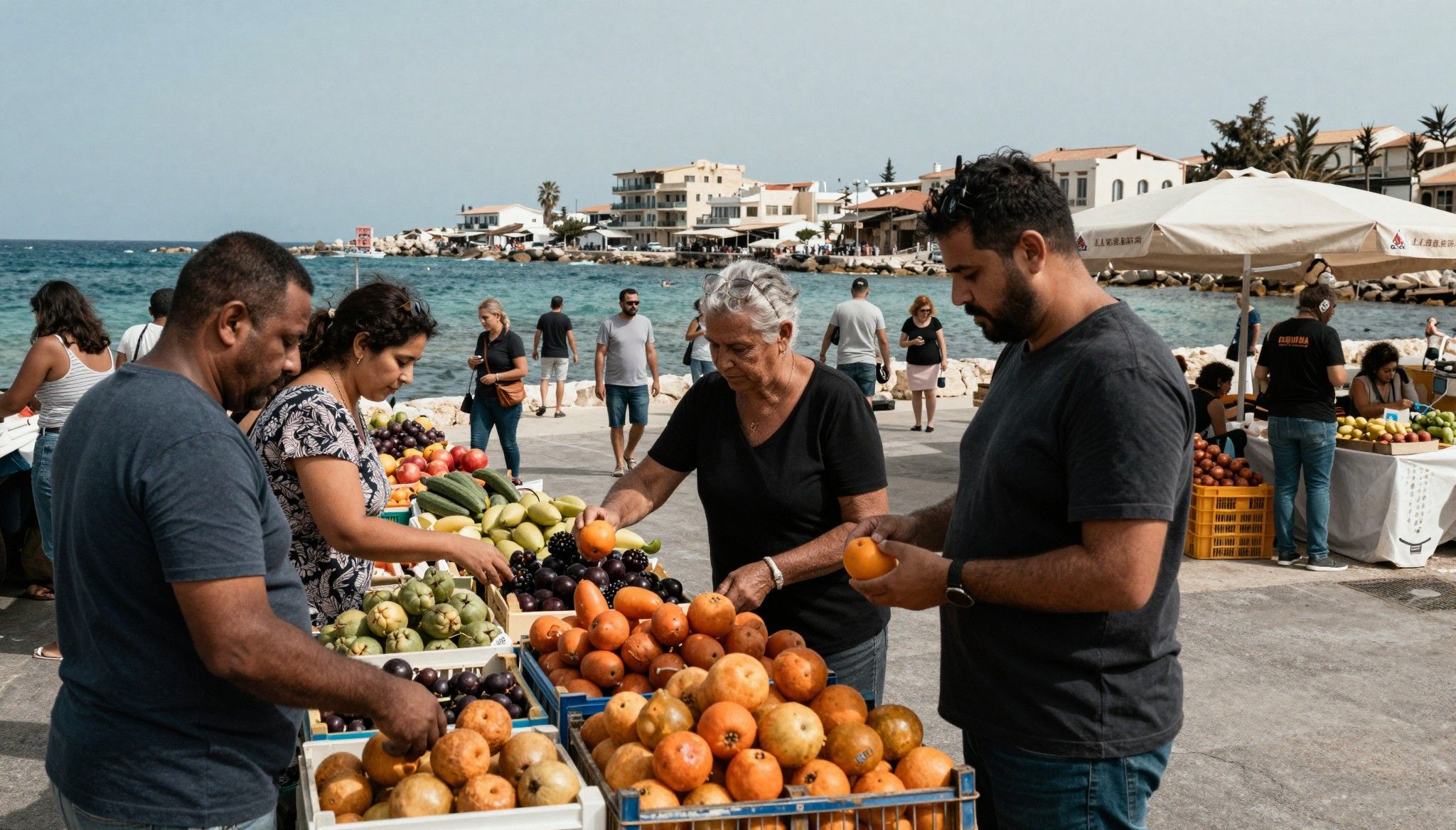
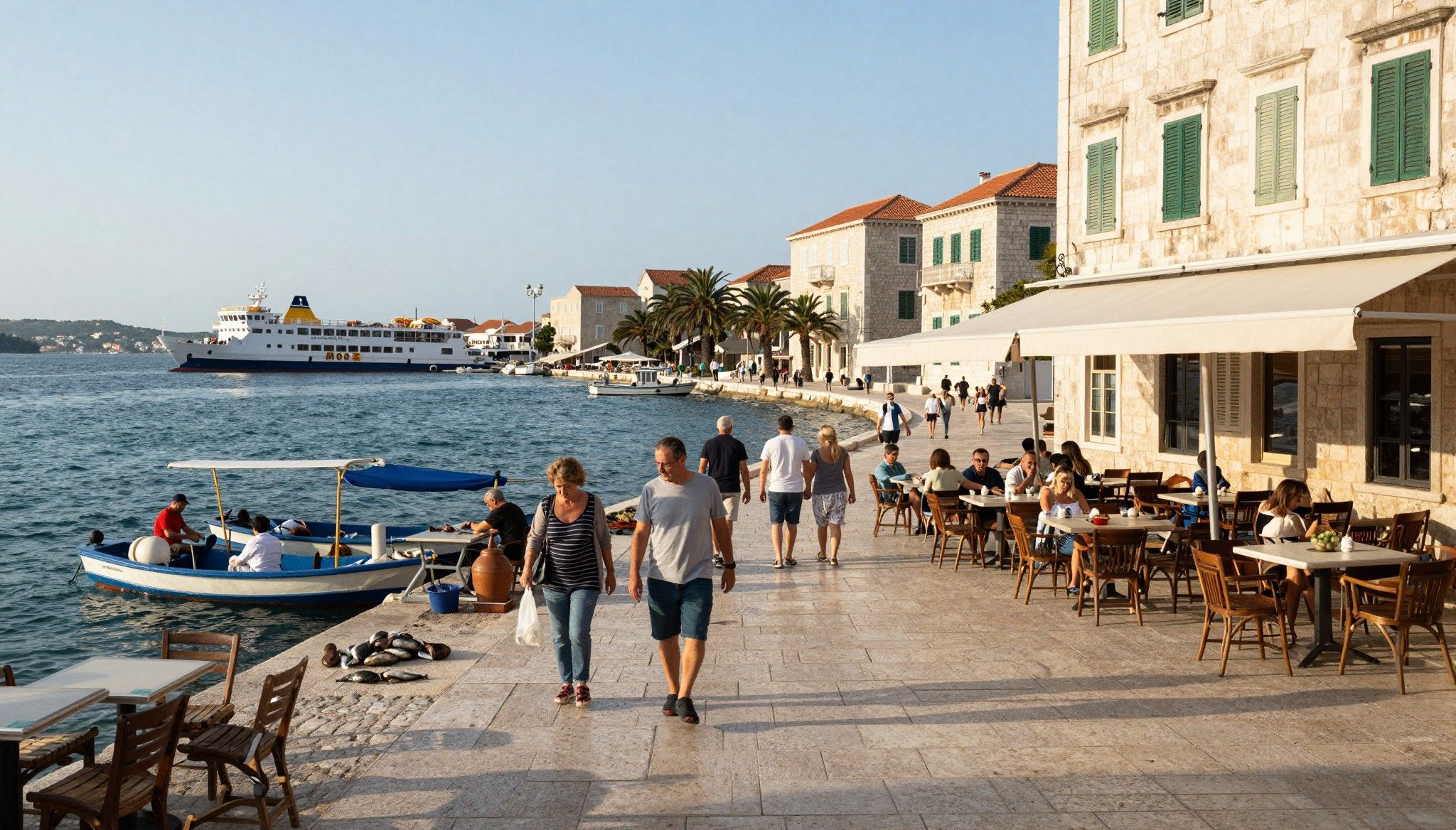
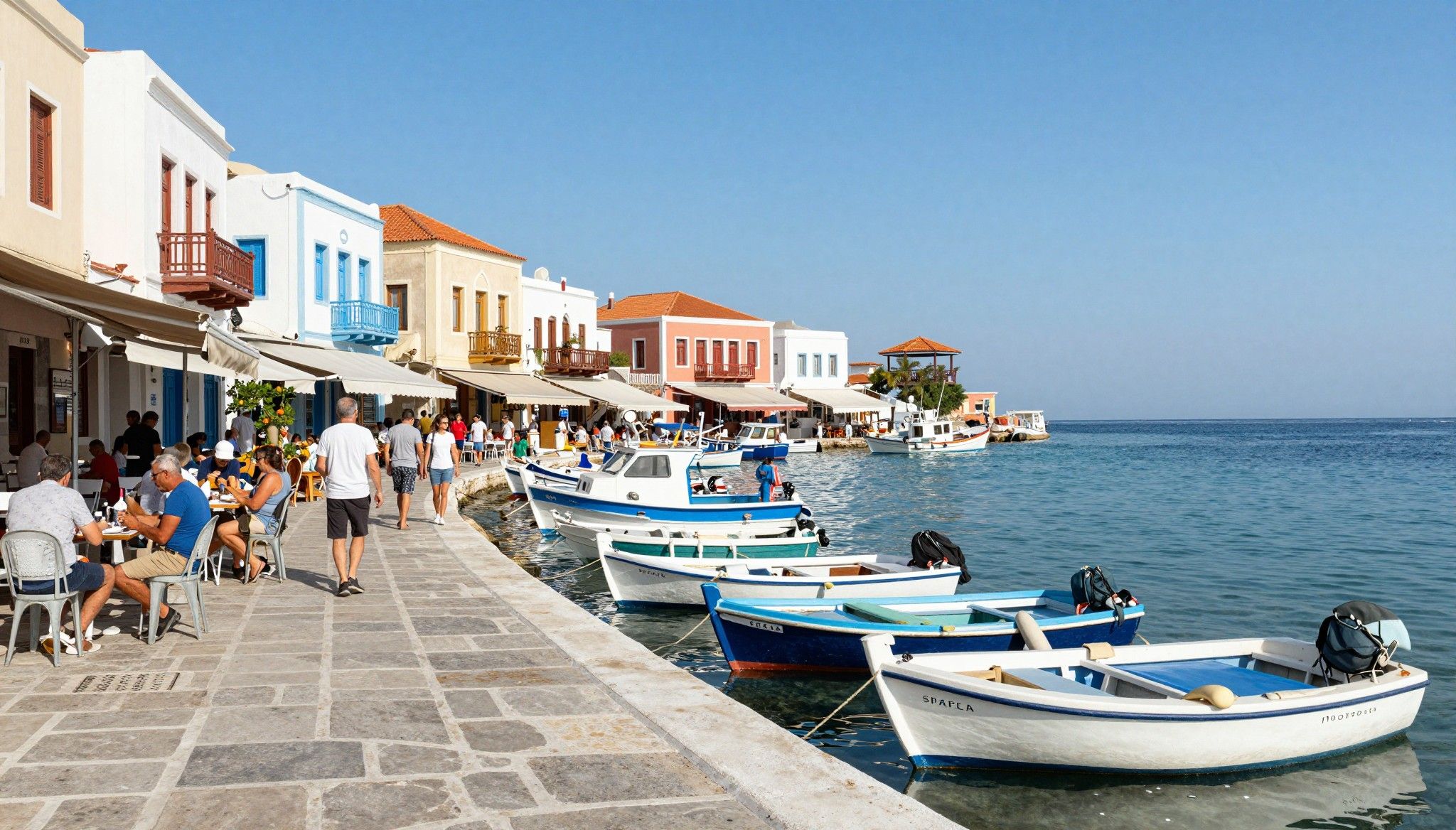
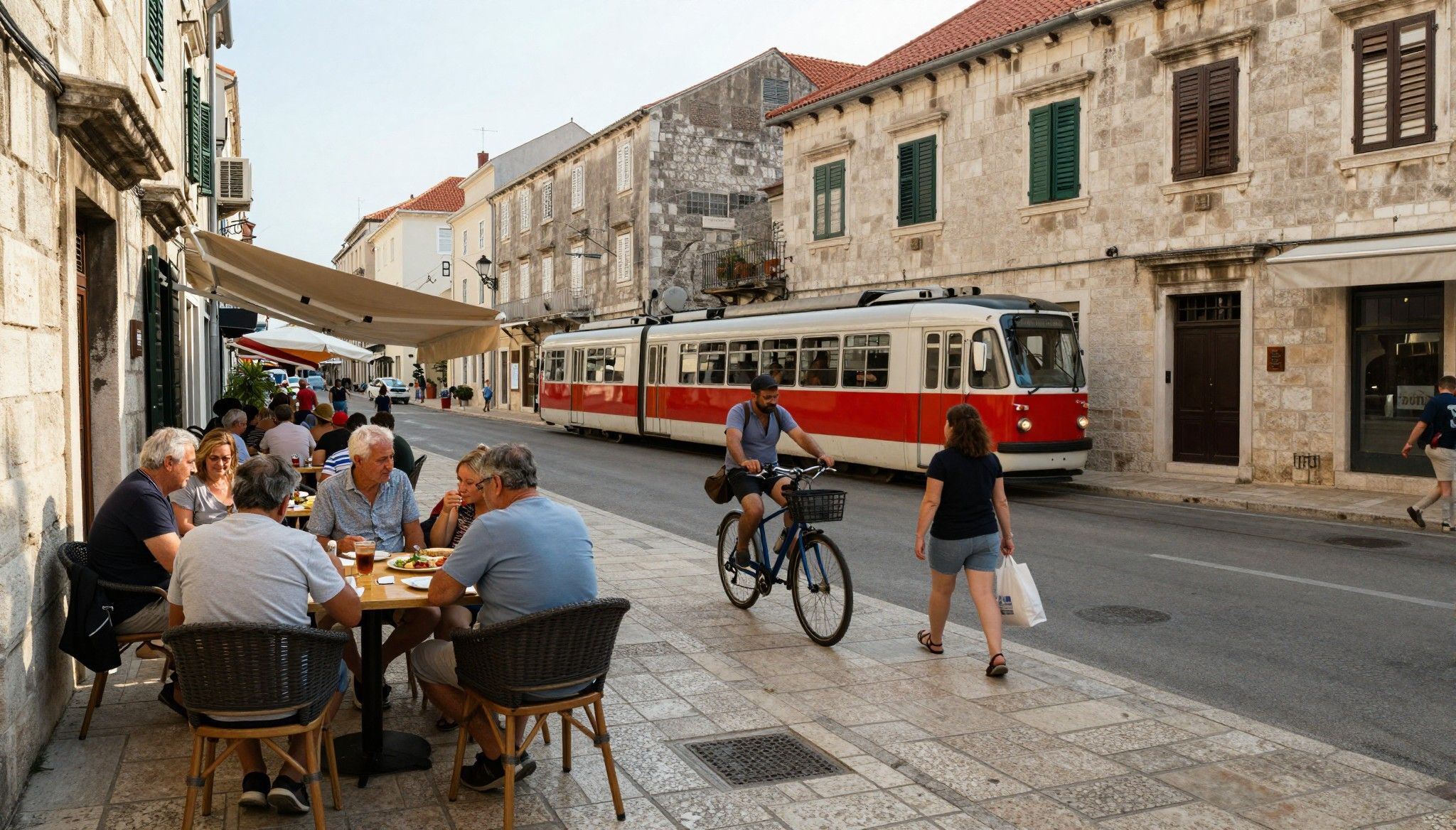
Imagine waking to a bakery at the end of your street in Limassol, spending afternoons kayak‑ing off Akamas and evenings at a taverna in old Larnaca — Cyprus feels small enough to belong to its neighbourhoods and big enough to surprise you. For international buyers, that intimacy creates both lifestyle upside and concentrated market risk: micro‑markets (a single street, a resort strip) can swing price and rental performance far more than on the mainland.
Living the Cyprus life — sensory and specific
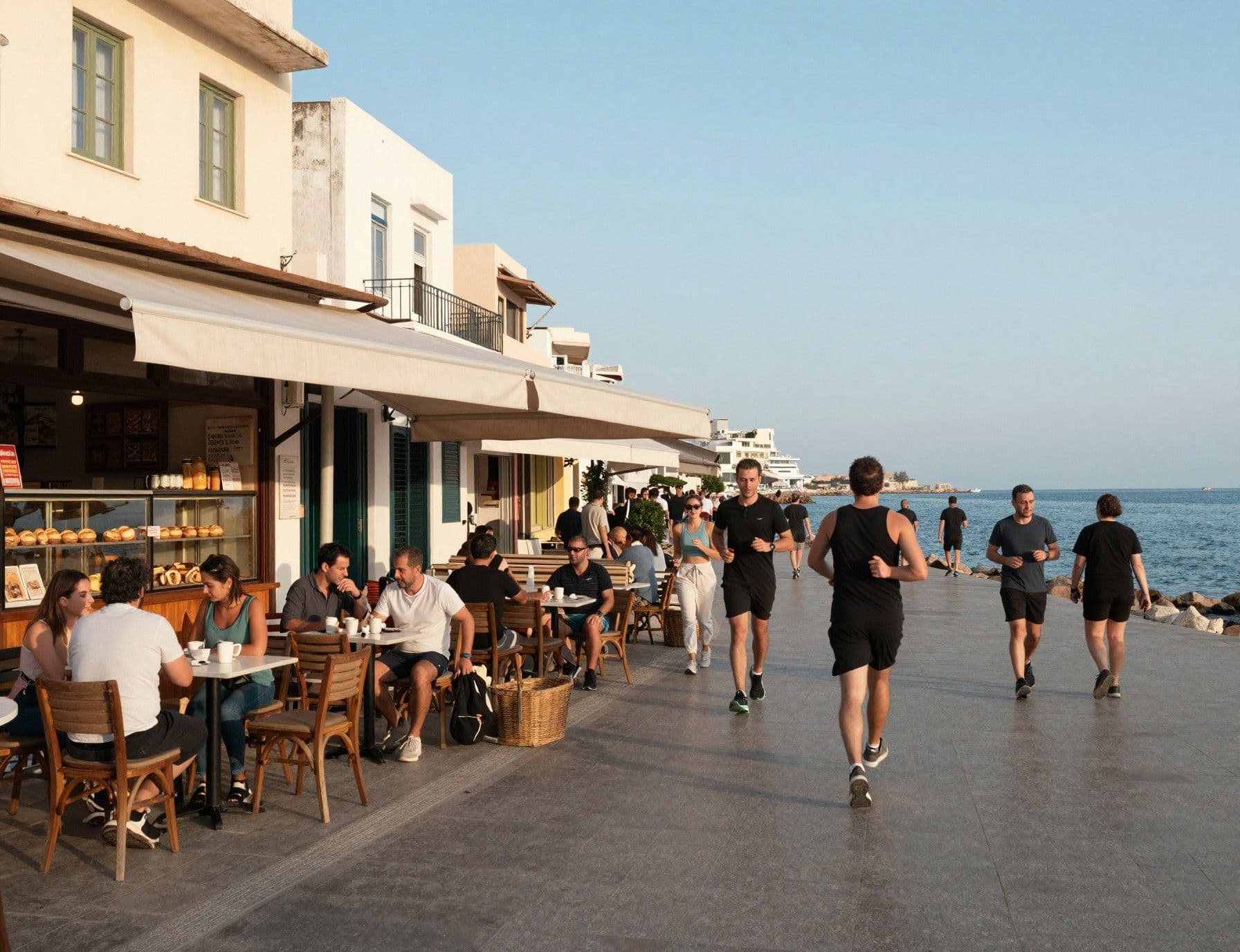
Cyprus is sun, salt and slow Sundays — but those clichés hide real variety. Limassol pulses with coastal cafés, Paphos trades on history and year‑round tourism, Nicosia is compact and administrative, while Polis and the Troodos foothills feel village‑quiet. Each place has a different tenant profile: holiday families, long‑stay Brits and Israelis, remote workers looking for short‑let reliability, or local renters in city 2‑bed apartments.
Limassol & the marina strip — play and premium
Picture Seafront Avenue at 08:00: joggers, café owners sweeping terraces, yachts bobbing beyond the breakwater. Limassol drove much of the island’s recent price momentum; new developments and serviced apartments near the marina command higher asking rents but also concentrate exposure to tourism cycles and regulatory shifts on short lets.
Paphos & Polis — history, quieter yields
Strolling Kato Paphos you’ll hear multilingual tour guides and see restored mosaics, while Polis mornings move at a slower pace—breakfasts at small coastal cafés, fishermen hauling nets. These areas offer steadier seasonal let demand and neighbourhoods where prices per square metre are often lower, but rental turnover can concentrate in summer months.
Lifestyle highlights (real places)
- Morning espresso at Anassa café (Limassol seafront); sunset swims at Fig Tree Bay (Protaras); weekend market on Ledra Street (Nicosia); hike and mountain tavernas in Troodos; Sicilian‑style bakeries near Paphos harbour.
Making the move: practical considerations that protect lifestyle value

The lifestyle you want is deliverable — but it comes with concentrated exposures. Cyprus’s Residential Property Price Index rose in recent quarters, led by apartments in coastal towns; tourism returned strongly (4.04m arrivals in 2024), which supports short‑let demand but also amplifies seasonality. Translate that into investment rules: measure micro‑market demand, stress‑test yields outside peak season, and price in regulatory risk for short terms. Source data underpins these tradeoffs.
Property types and how they shape your life
Seafront apartments sell lifestyle and command premium rents in summer; suburban houses offer year‑round family tenancy but lower per‑sqm liquidity; village stone houses deliver authenticity but require renovation budgets. Choose by cashflow profile: short‑let income needs higher operational effort and vacancy buffers; long‑let choices trade peak income for steadier yields.
Working with local experts who balance life and risk
- 1. Ask agents for micro‑market rent roll data (monthly rents by street). 2. Insist on utility and running‑cost histories for coastal units (air‑con, water use, insurance). 3. Demand seasonally adjusted occupancy rates for holiday lets. 4. Validate title and planning history with a Cyprus lawyer and get recent land registry extracts. 5. Obtain comparable sales for the last 24 months, not just 'current asking'. 6. Stress test yields with a 20–40% off‑season occupancy assumption.
Insider knowledge — risks, myths and contrarian moves
Myth: 'Cyprus is only a summer play.' Reality: 2024 saw a record ~4.04 million visitors with growing off‑peak traffic from Israel, Poland and the UK — that broadening reduces single‑market seasonality but raises infrastructure and regulatory sensitivity (water supply and short‑let rules have become headline issues). Back up lifestyle bets with data: check CYSTAT arrivals by month and source market to predict shoulder season demand.
A neighbourhood everyone avoids (that's interesting)
Some investors dismiss older blocks next to Limassol’s industrial fringe as ‘no‑go’. Contrarian angle: well‑located renovation targets one block from the seafront can compress acquisition price and offer >6% gross yields after refit — but only if you account for refit cost, tenant profile change, and possible rezoning. That’s a risk‑sensitive acquisition, not speculation.
Risk scenarios and sensitivity analysis you must run
- Base case: 6% gross yield, 70% summer occupancy for short lets. Downside 1: 20% price correction and occupancy falls to 45% — cashflow negative unless reserve covers 6–9 months. Downside 2: regulatory cap on short‑lets reduces gross incomes 25% — reprice for long lets and lower yields. Upside: infrastructure improvements (airport routes, desalination support) increase shoulder demand and raise effective annual yield 1–2 percentage points.
What expats wish they'd known — real stories, real tradeoffs
An investor I advised bought a Limassol 2‑bed in 2021 for lifestyle and short‑let yield. By 2023 they had higher bookings but also higher running costs and two months of vacancy after a late‑season regulation change. They would have bought 10% cheaper or chosen a different micro‑location. The lesson: lock in conservative yield assumptions and a local manager before you buy.
Long‑term lifestyle scalability
Think beyond year one. If you plan to live in the property later, prioritise structural condition, proximity to international schools and health services, and connection to an airport (Larnaca and Paphos). If you plan to keep it as part of a diversified portfolio, prioritise liquidity (central areas, established complexes) and operational models (professional management, rotating tenant mix).
- Quick starter checklist: 1) Get CYSTAT monthly arrivals for target source markets. 2) Request 24‑month rent roll and utility invoices. 3) Build a three‑scenario cashflow model (base/downside/upside). 4) Confirm title and planning compliance. 5) Line up local property management before exchange.
Cyprus will charm you first and test your assumptions second. The island’s tourism rebound, improving price indices and micro‑market variety create real opportunity — but also concentrated risk. If you marry lifestyle to disciplined sensitivity analysis (scenario modelling, reserve buffers, and local data), you can capture the Mediterranean life without betting the portfolio.
Norwegian market analyst who relocated from Oslo to Mallorca in 2016, guiding Northern buyers through regulatory risk, currency hedging, and rentability.