Cyprus: A Lifestyle‑First Risk & Sensitivity Playbook
A lifestyle-led, data-backed risk and sensitivity guide to buying property in Cyprus — scenarios, neighbourhood trade-offs and step-by-step stress tests.
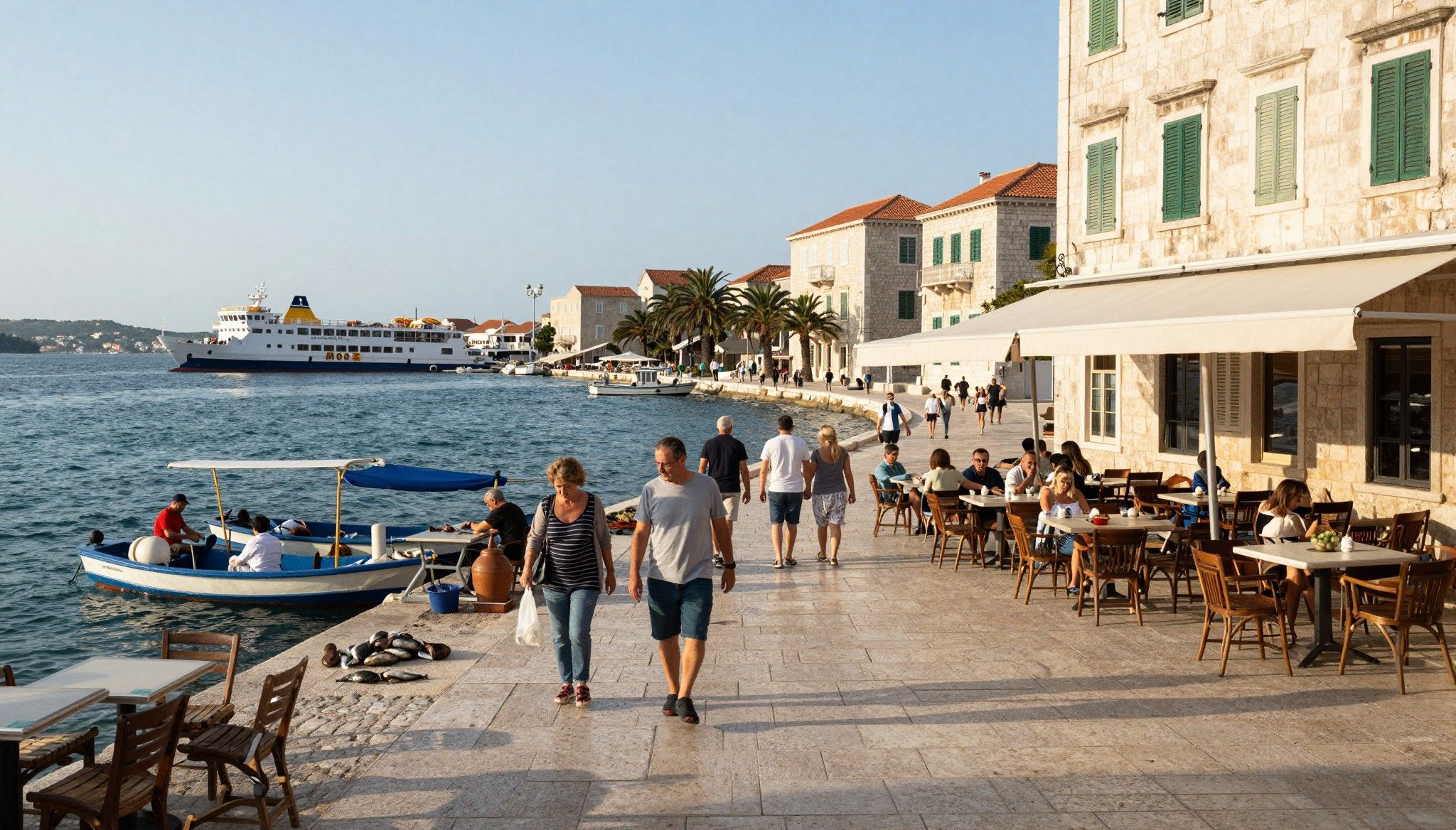
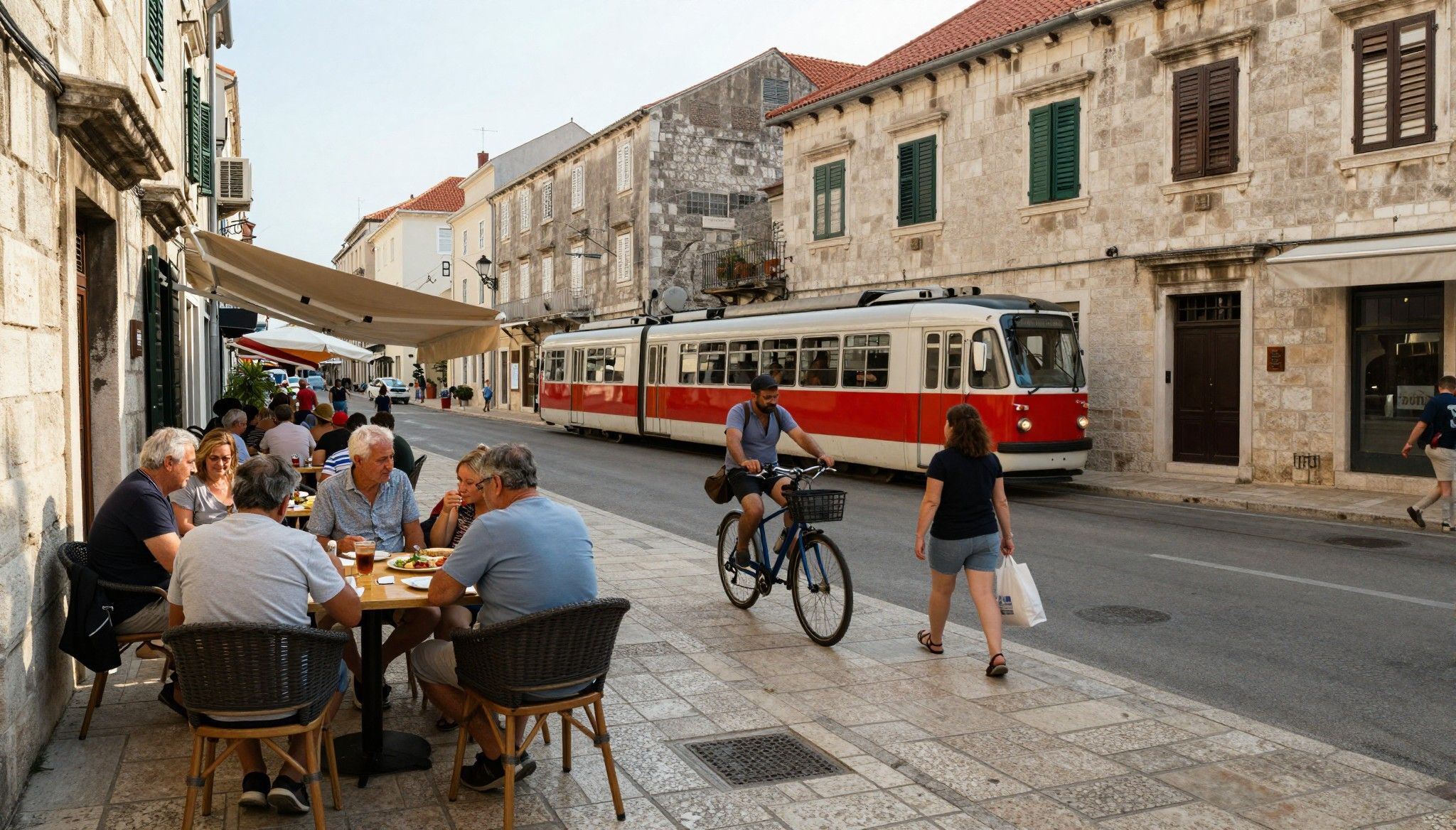
Imagine stepping out at dawn in Limassol: baristas pulling espresso on Anexartisias, children heading to school, yachts easing past marina cranes. The sunlight softens limestone facades while local languages knit together — Greek, English, Russian and increasingly Georgian and Filipino — a reminder that Cyprus is a small island with outsized human flows. That daily scene is why many buyers fall for Cyprus; the challenge for investors is turning that romantic rhythm into reliable, measurable return. This guide blends the lived reality with sensitivity analysis: stress scenarios, downside protections, and neighbourhood trade-offs that matter to an investor eye.
Living the Cyprus life: why it charms — and what it costs
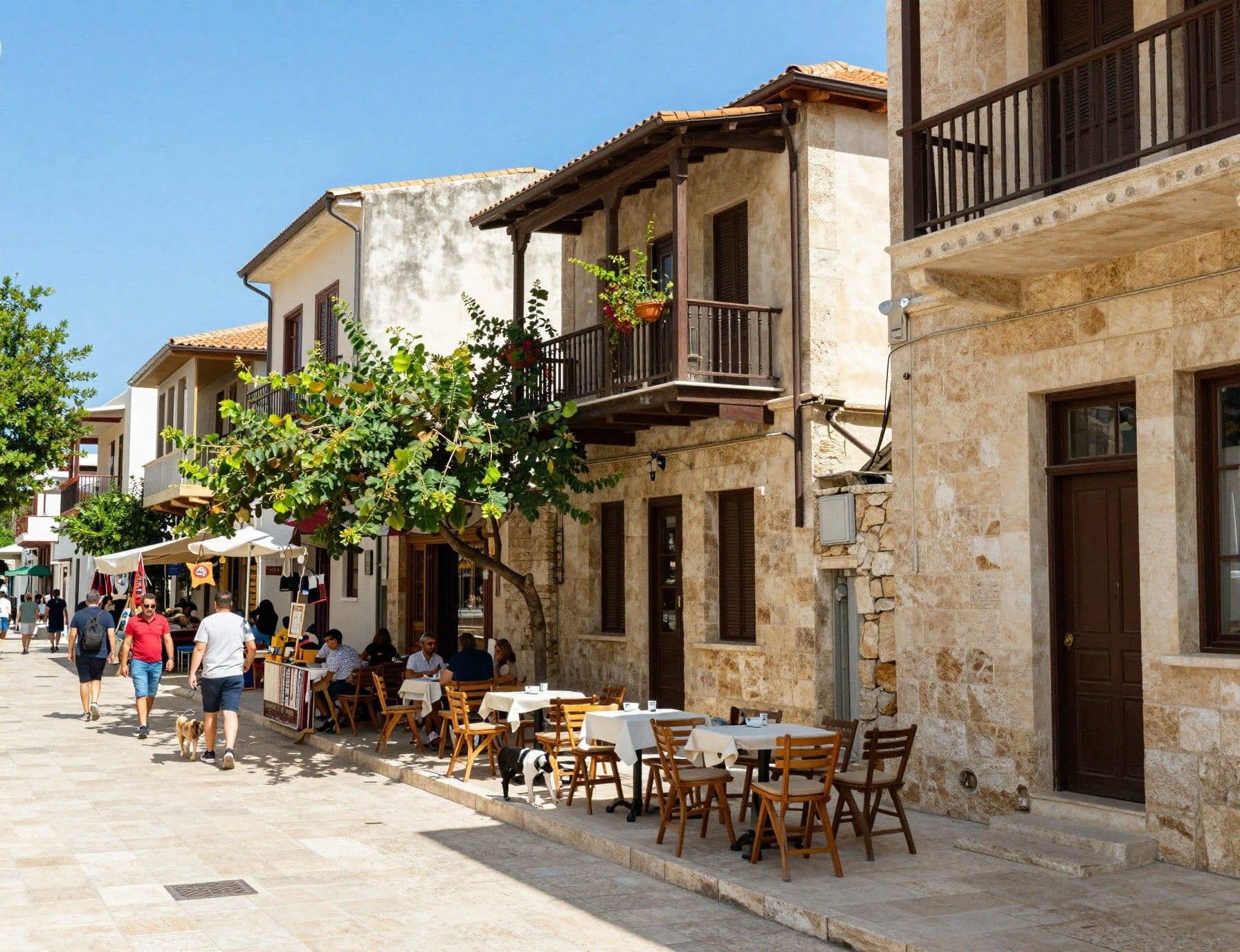
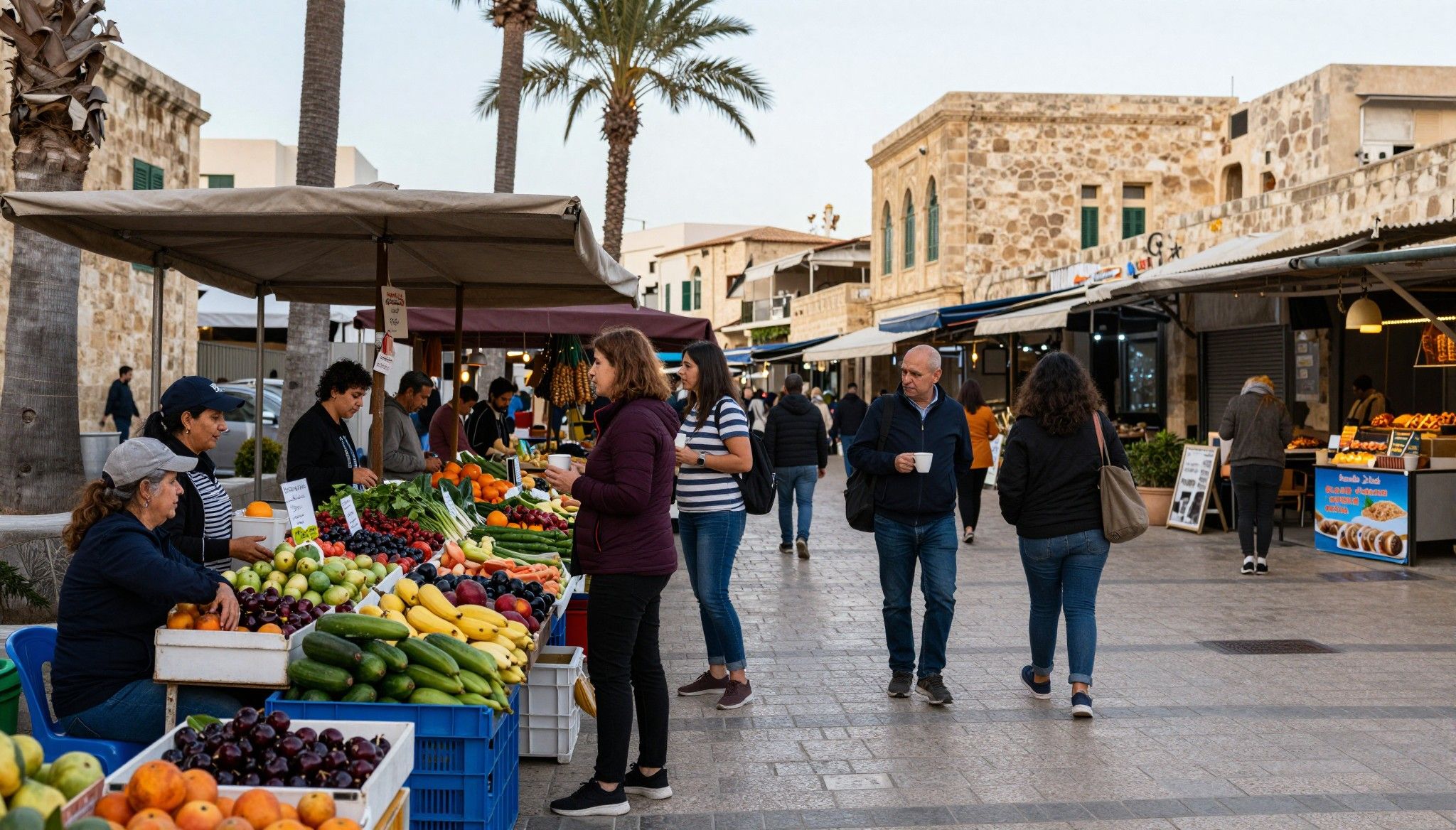
Cyprus lives at human scale: morning markets in Larnaca, late-night tavernas in Paphos, and a business cadence in Nicosia and Limassol. Recent demographic data show a sustained inflow of foreigners and workers, reshaping rental demand and supporting year-round mid-term lets. For investors that matters: steady population growth reduces vacancy risk but concentrates competition in a few high-demand pockets. Understanding where locals and newcomers actually settle is the first step in a credible sensitivity model.
Limassol & the marina corridor: business, sea and compact communities
Walk Limassol’s marina and you feel the commercial engine — corporate rentals, international schools, and high-end short-lets cluster here. Price per square metre is highest in this corridor and tenant turnover can be faster because demand is employment-driven. That makes Limassol excellent for corporate-leased apartments but exposes investors to offshore hiring cycles and shipping/tech sector volatility. Model rents conservatively and stress-test for a 10–15% drop in corporate demand to see if your cashflow survives a tough year.
Paphos & Larnaca: lifestyle anchors with different risk profiles
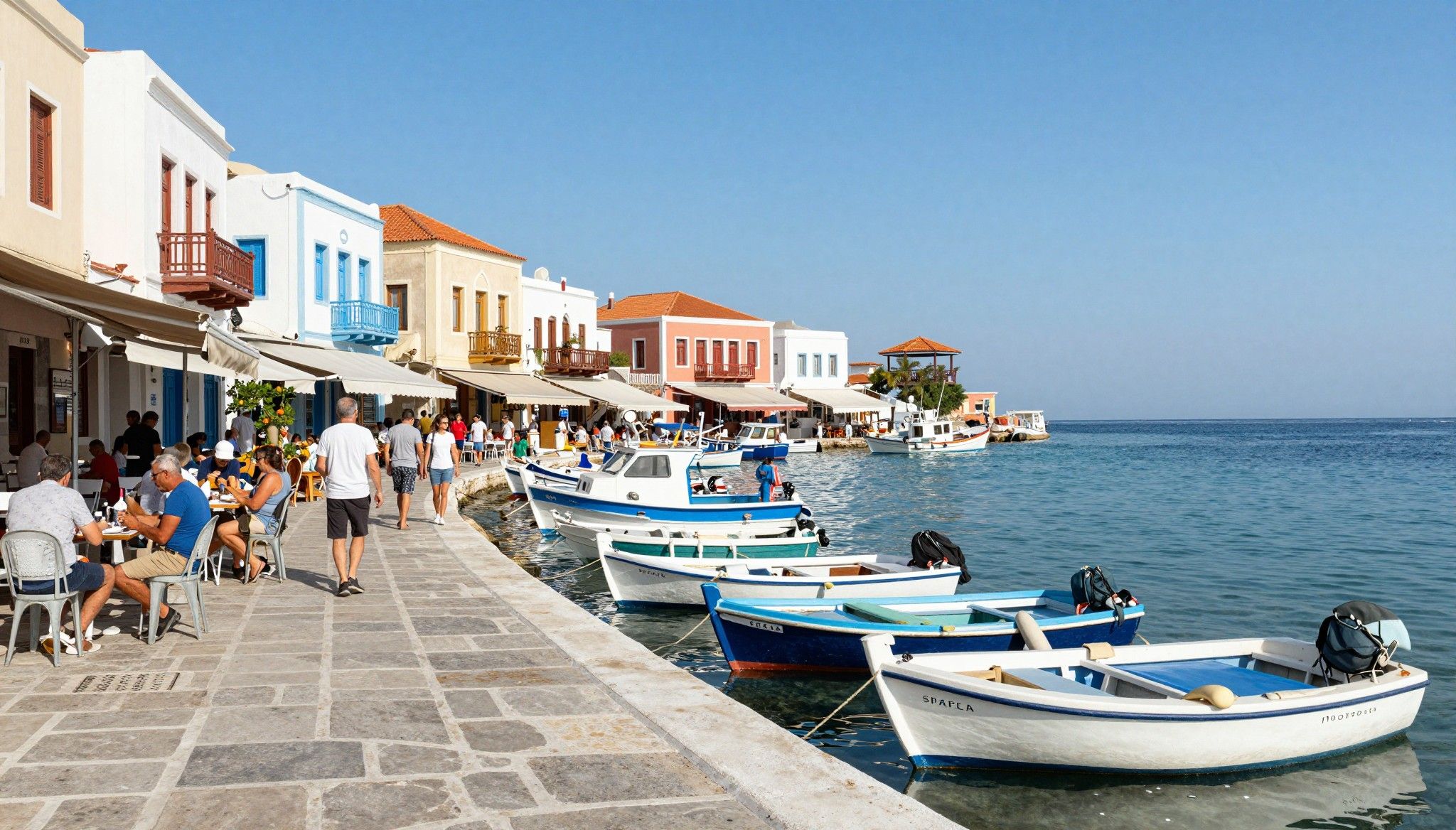
Paphos leans into tourism and retirees; Larnaca balances airport connectivity with a strong domestic rental market. Both saw notable transaction volume in recent years and can offer higher gross yields than Limassol at lower price points, but seasonality matters. Short-let revenue in Paphos can swing dramatically between high and low seasons; for long-term rental you should expect steadier but lower nominal yields. Investors who prefer predictability often favour Larnaca’s commuting market and airport-linked demand.
Making the move: property types, partners and practical sensitivities
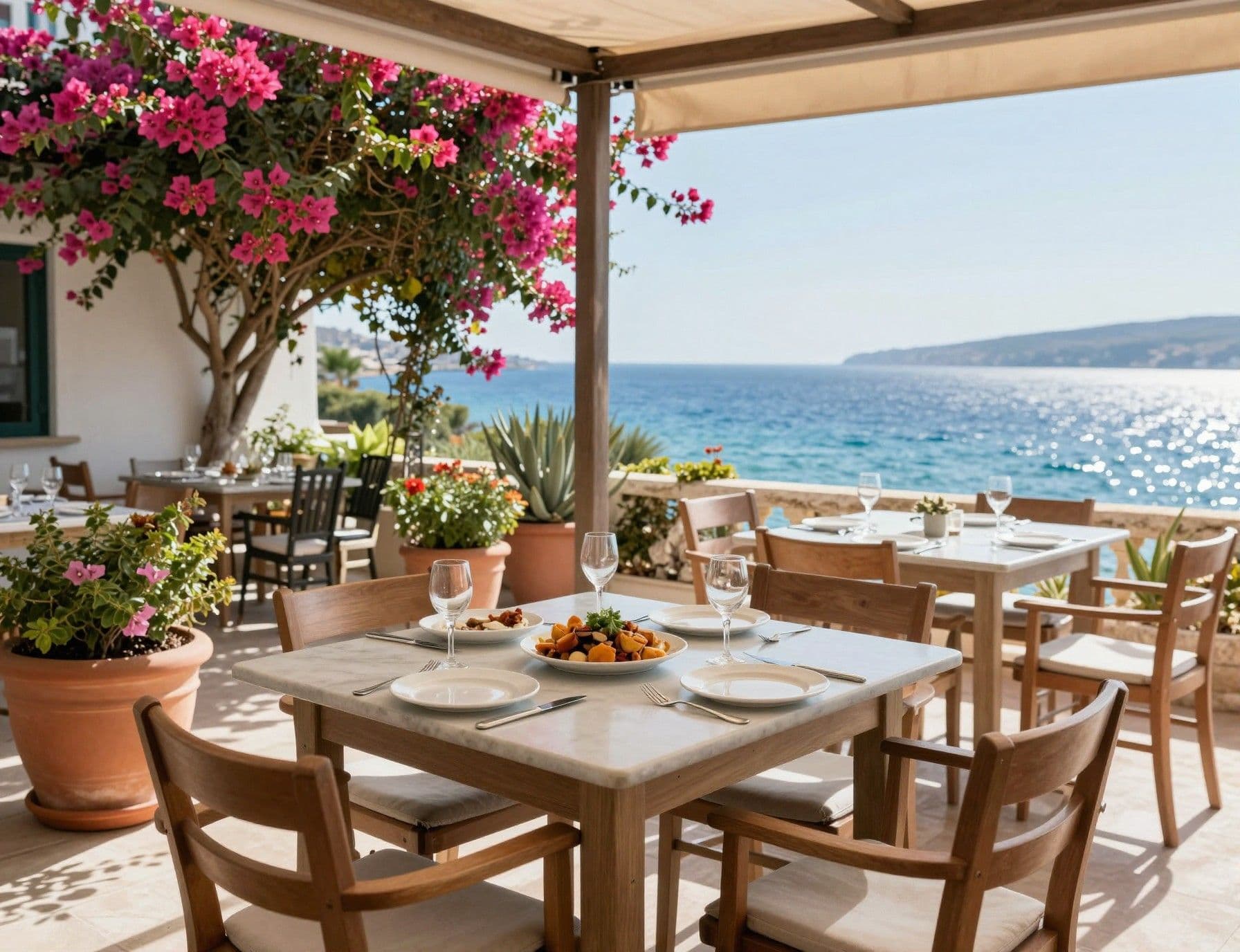
Market prices have risen in recent quarters; the Central Bank’s Residential Property Price Index recorded broad increases across houses and apartments. That macro trend matters because purchase timing changes the capital allocation in your sensitivity table: a 5% higher purchase price can erode net yield materially. Treat property style (apartment, townhouse, villa) as a lever in your model — it alters maintenance risk, seasonal demand, and insurance exposure in ways that are predictable and quantifiable.
Property styles: what they mean for yield stability
Apartments: lower maintenance, higher tenant churn, easier to let in cities. Townhouses: balance of family demand and manageability. Detached villas: premium rents in summer, higher vacancy risk off-season and heavier capex. For each style, run three scenarios: base (expected rent), downside (10–20% vacancy or rent fall), and stress (30% price correction and 25% rent compression). That simple triad gives a transparent view of cash-on-cash and break-even occupancy.
Working with local experts: how they reduce model risk
A tight local agent helps calibrate realistic rents, realistic vacancy, and realistic refurbishment budgets. Ask agencies for anonymised comparable rents, seasonality calendars, and tenant profiles by street — those inputs matter more than glossy brochures. Use an agent to source historical utility and common-charge figures for the building; these operating costs feed directly into net yield calculations and are commonly underestimated by buyers abroad.
Insider knowledge: risks investors routinely underweight
Expat influx, regulatory adjustments, and tourism cycles create tail risks that are easy to miss if you model only average returns. For Cyprus, three underpriced risks recur: concentration risk (too many assets in Limassol), seasonality drag (short-let dependence), and policy shocks (changes to residency or tax rules). Incorporate those as scenario adjustments rather than vague disclaimers — quantify how much each would shave from your net yield under realistic probabilities.
What to stress-test (bullet checklist)
- 10–15% corporate demand drop in Limassol and its effect on 3-year cashflow.
- 30% short‑let revenue compression in Paphos during two consecutive low‑tourism years.
- Unexpected maintenance capex of €6,000–€12,000 every five years for older stock.
- Policy shock: change in non‑EU buyer access or residency incentives and its potential price impact.
Step-by-step sensitivity test you can run in a spreadsheet
- Establish baseline numbers: purchase price, expected gross rent, annual operating costs, financing terms. (3–5 inputs).
- Create a downside scenario: reduce rent by 15% and increase vacancy by 8 percentage points; recalculate net yield and debt coverage. (3–5 calculations).
- Create a stress scenario: apply a 20–30% market price correction and add a one‑off capex event; check IRR and time to breakeven. (3–5 outputs).
- Run sensitivity table: vary financing rate by ±1.5%, rent by ±20%, and vacancy by ±10%; chart combinations that break your coverage ratio threshold. (3–5 scenarios).
What expats wish they'd known: culture, season and long‑term living
Buyers often underestimate how intensely local rhythms influence living costs and tenant profiles. Festivals, Orthodox Easter, and summer tourism change rental patterns and maintenance windows; families prioritise school proximity while retirees chase quieter villages. Language is less of a barrier than expected — English is widely used — but community integration still depends on small rituals: regular coffee at the same kafeneio, attending local market days, or joining a church festival. Those choices alter which neighbourhoods retain value and which become transient.
Long-term lifestyle durability: what keeps value stable
Stability comes from repeatable demand streams: commuters, students, and long-term corporate assignees. Properties within 10–15 minutes of a good school or a reliable transport link (airport, highway) hold up better through cycles. Investors who prioritise these fundamentals—over postcard sea views—see fewer downside surprises in their sensitivity tests.
Conclusion: Cyprus mixes lifestyle attraction with manageable investment risk if you model the right shocks. Start with local population and rental data, calibrate three scenarios, and prioritise assets with diversified tenant bases and proximity to employers or transport. Bring a local agent and an independent engineer to the table, and build a simple sensitivity workbook before placing an offer; that workbook is the difference between a dreamy purchase and a durable investment.
Danish relocation specialist who moved to Cyprus in 2018, helping Nordic clients diversify with rental yields and residency considerations.