Cyprus: Stress‑Test the Summer Dream
Cyprus blends Mediterranean life with strong tourism, but seasonal demand and tightening short‑let rules require stress‑testing yields and diversifying across city and coastal plays.
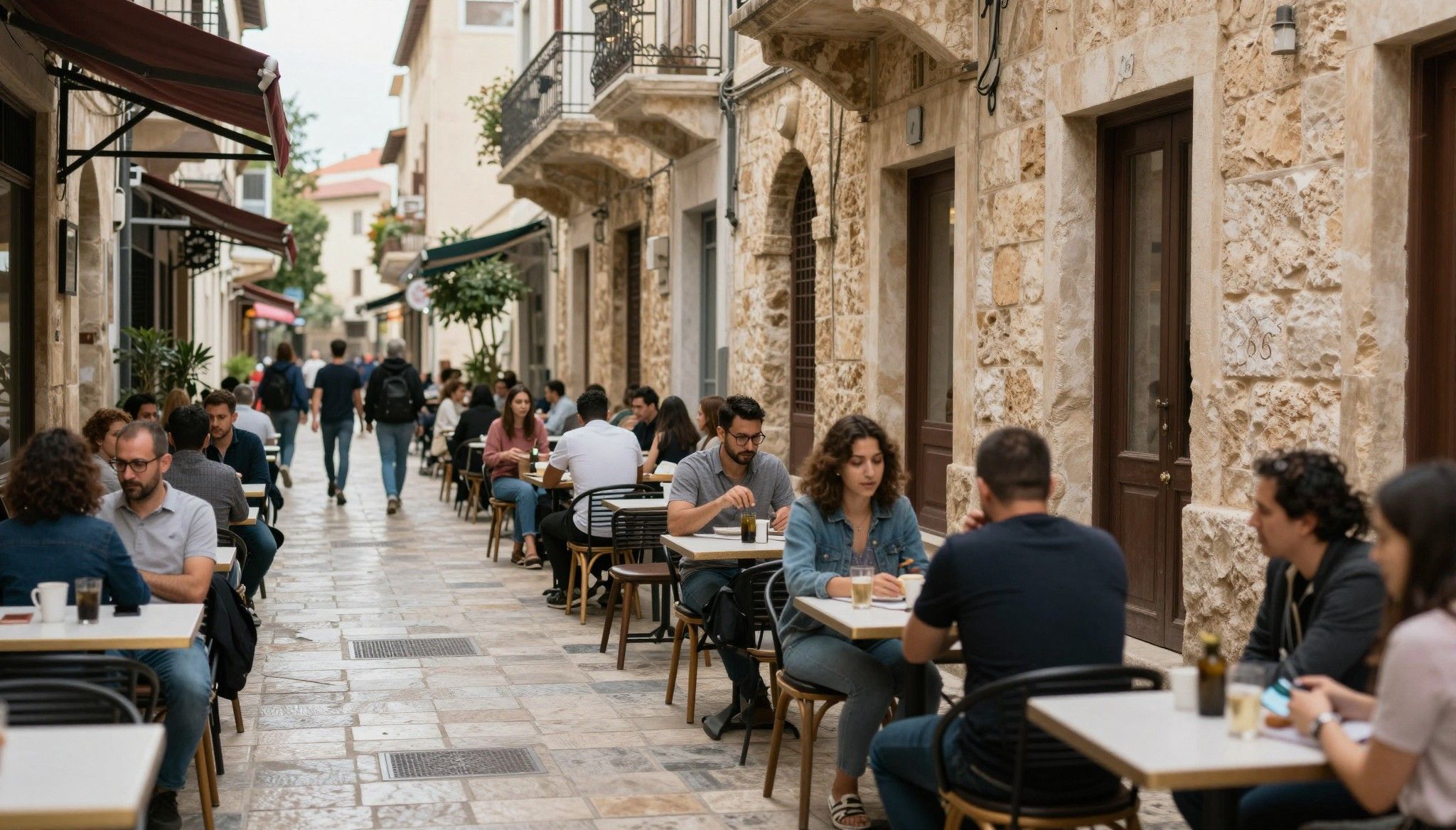
Imagine waking to the smell of strong coffee on Ledra Street, then swapping city bustle for a 30‑minute drive to a Paphos sea‑view terrace where tenants arrive for the summer season. Cyprus sells a rhythm — Mediterranean mornings, long evenings, a tourism pulse that lifts short‑term demand. But that rhythm also creates seasonal concentration risk: many properties earn most of their revenue across a few summer months. For international buyers who value both life and returns, the important question is which corners of the island turn lifestyle into reliable income, and which are postcards that hide volatility.
Living the Cyprus rhythm: what it actually feels like
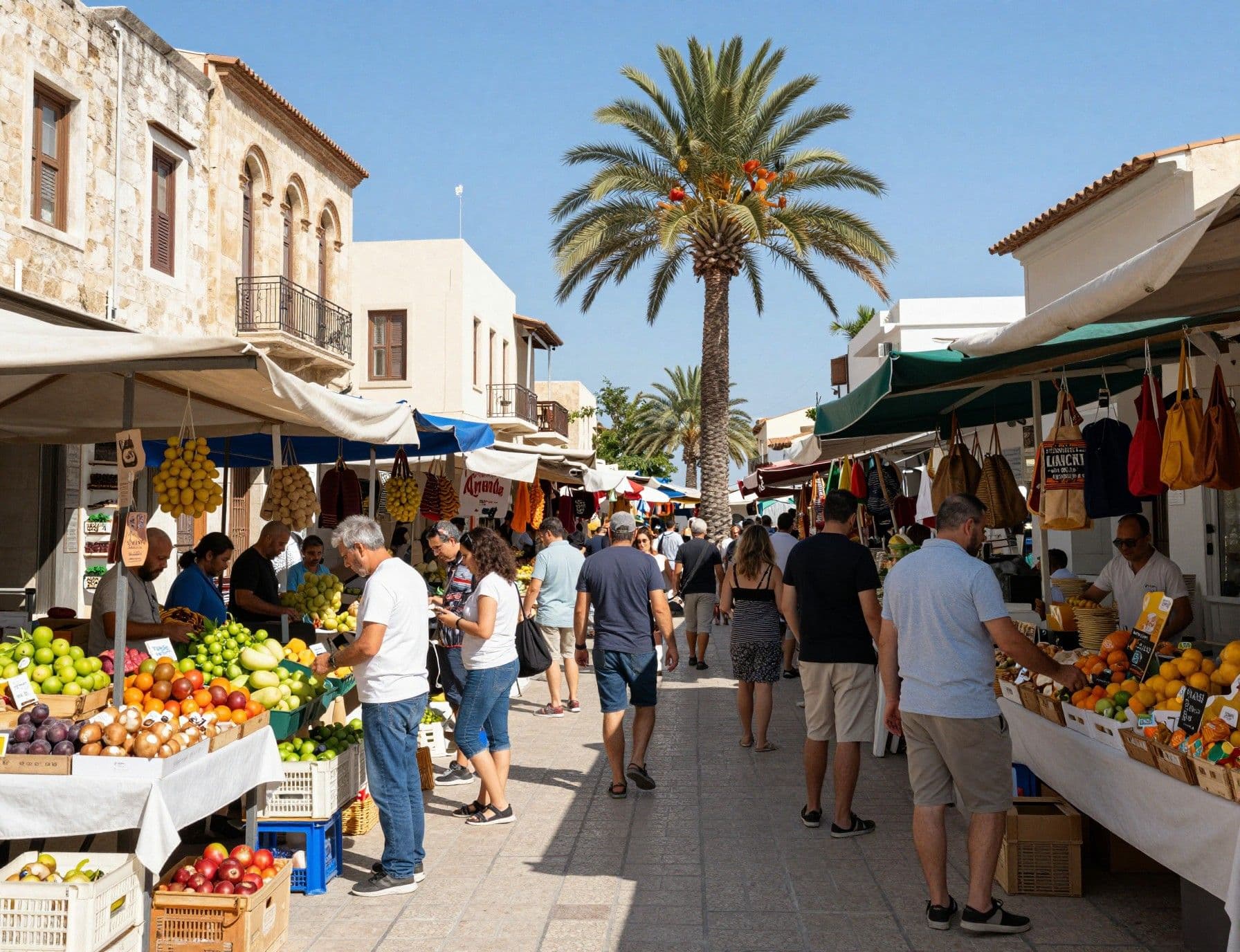
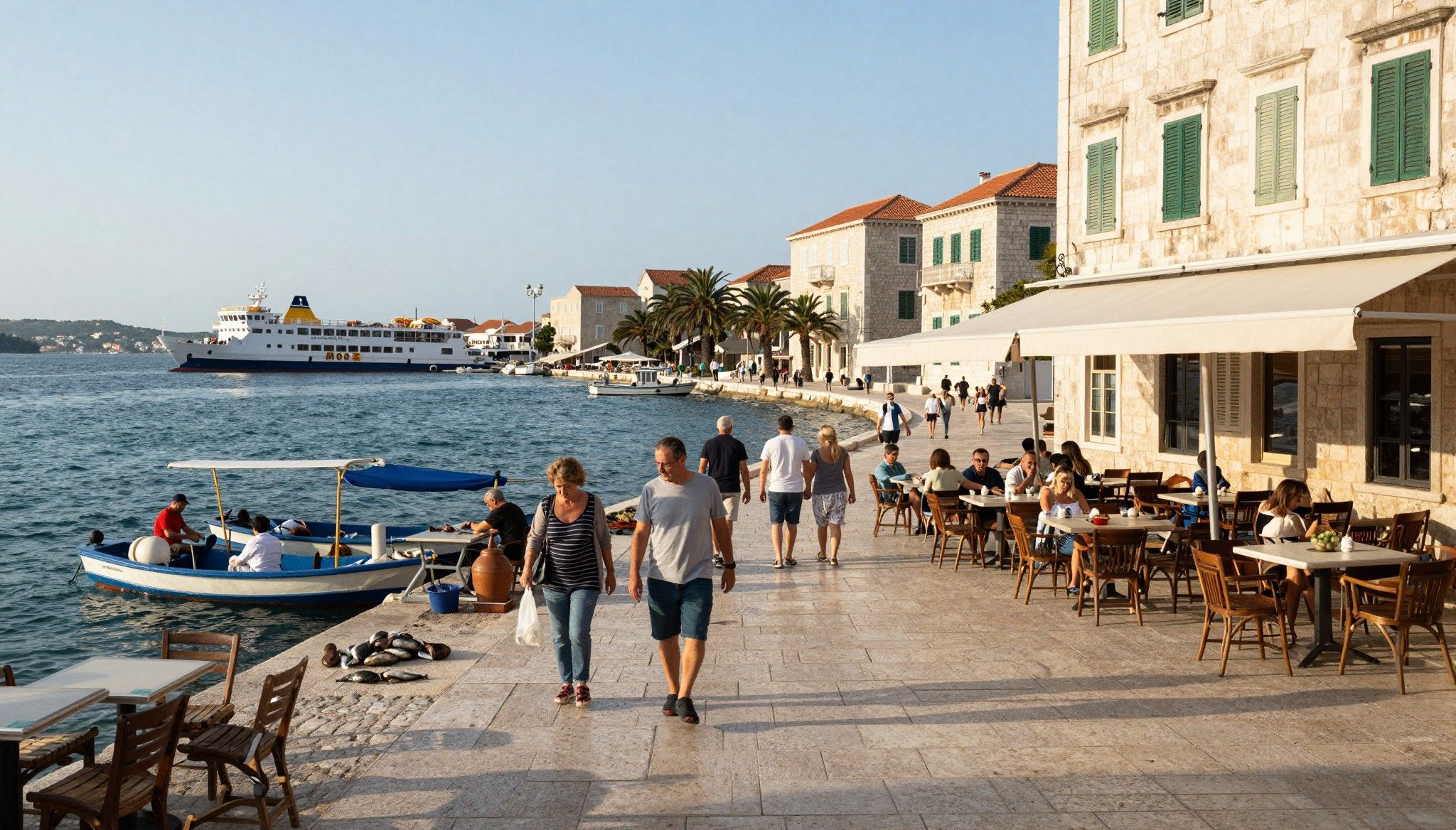
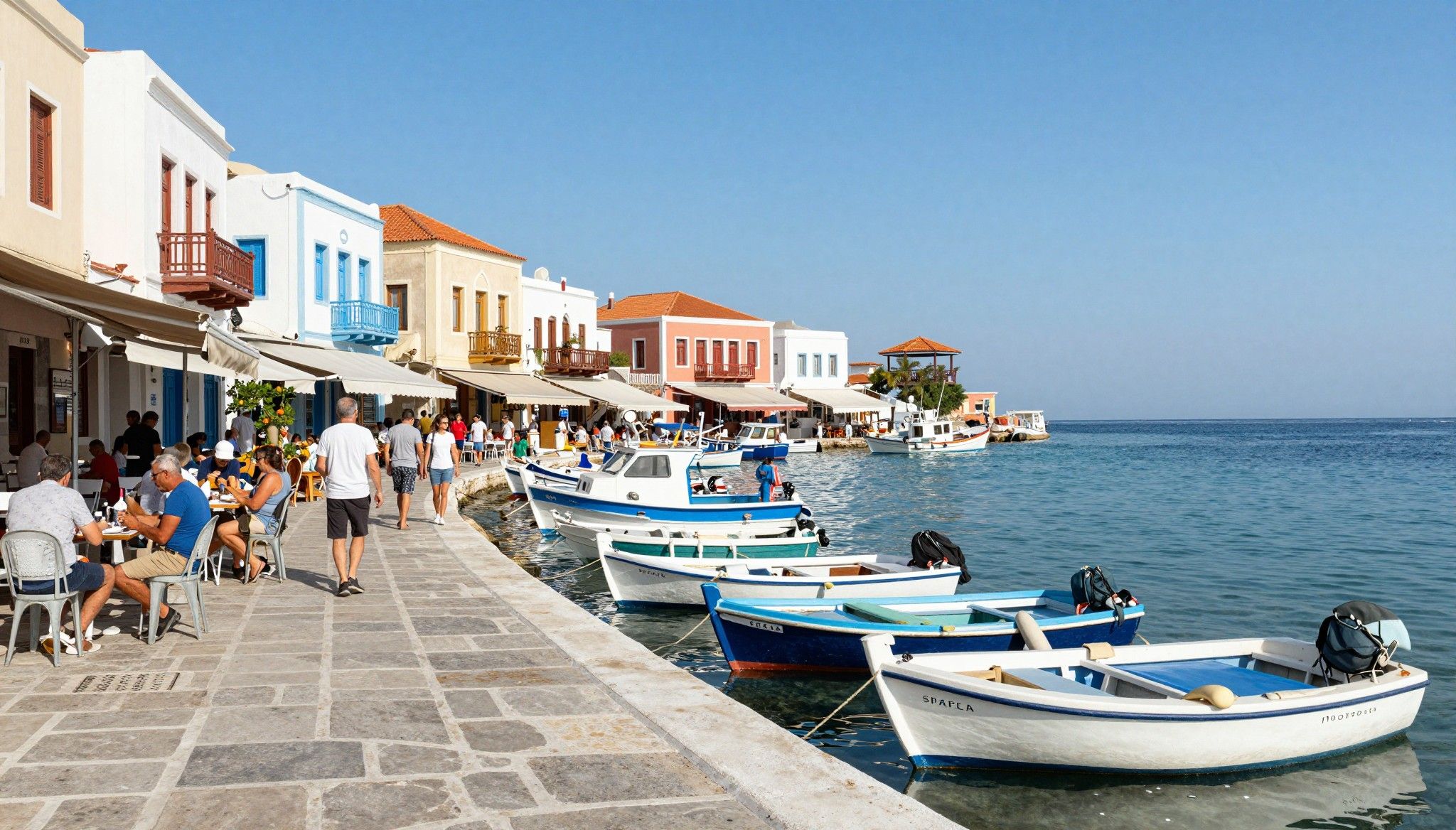
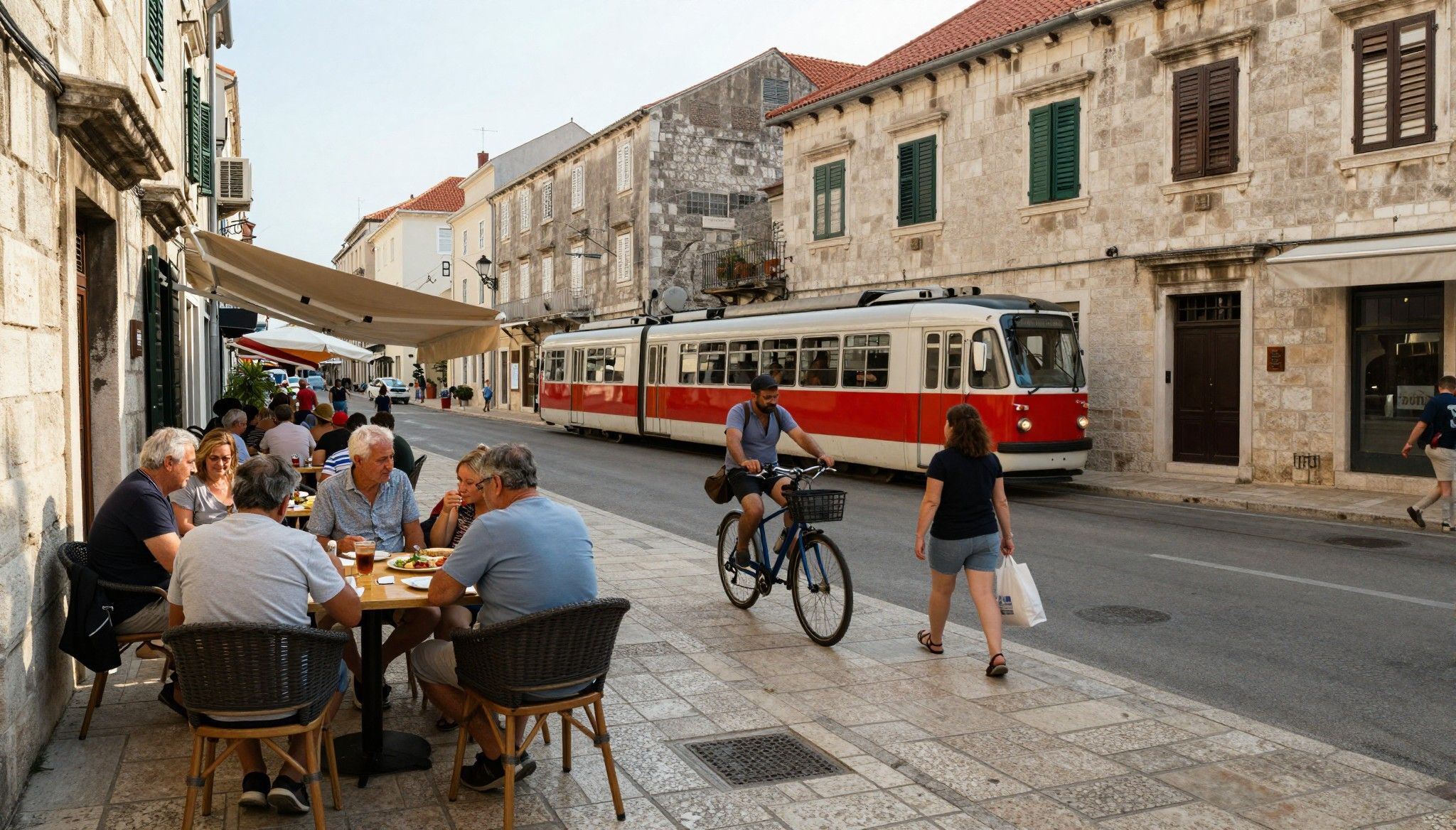
Cypriot life is defined by place-specific routines: morning markets in Limassol’s Old Port, late dinners in Nicosia’s Laiki Geitonia, and fishermen unloading at Larnaca’s marina. Streets alternate between English‑spoken expat hubs and Greek‑language neighborhood centers; that bilingual texture matters when you plan tenancy profiles. Weather shapes everything — bright, dry summers concentrate activity on the coast, while cooler winters make inland towns like Troodos feel residential and steady. Buyers should think in calendar buckets: high‑tourist months versus local‑resident months — the split drives occupancy, rental rates, and operational complexity.
Neighborhood spotlight: Limassol, Paphos, Nicosia
Limassol: cosmopolitan, upscale developments, and corporate relocations — higher price per sqm, steady long‑let demand from professionals, and shorter peak‑season volatility for tourist lets. Paphos: highest tourism pull per official stats and strong summer short‑let occupancy; expect sharper seasonality but excellent peak returns. Nicosia: administrative heart with year‑round rentals and lower yield volatility, better for investors prioritizing steady cashflow over summer spikes.
Taste, ritual and social life: where lifestyle meets tenancy
Food markets, seaside tavernas and festivals are not just charm; they shape renter profiles. With over 4 million tourist arrivals in 2024 according to official statistics, areas near beaches and cultural nodes can expect concentrated short‑let interest in summer months. That creates a dual market: properties tailored to holiday demand and properties built for residents. Recognising which side a neighborhood sits on is the core of sensible risk allocation.
- Lifestyle highlights that affect investment outcomes: Limassol Old Port cafés and marina (year‑round expat tenants); Paphos harbourfront and Coral Bay (summer occupancy spikes); Nicosia’s pedestrianised streets and university neighborhoods (steady student and corporate lets); Larnaca Finikoudes promenade (mixed tourist and local demand); Troodos villages (seasonal retirees and holiday cottages); Ayia Napa nightlife district (high short‑term turnover).
Making the move: practical considerations and risk levers
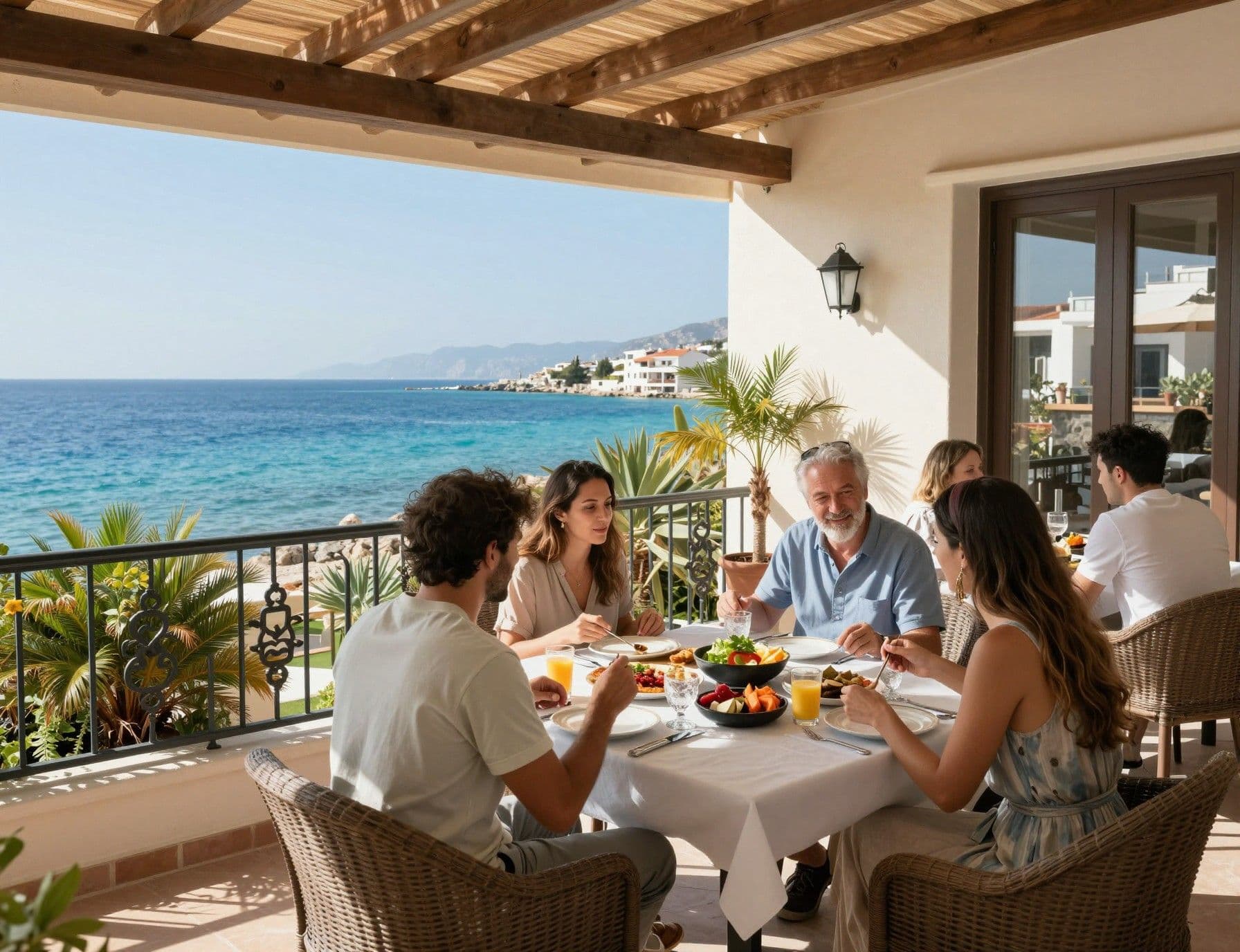
Dreams meet spreadsheets here: average island prices and yields have been rising but returns vary by city and use case. Official indices show steady residential price growth, while tourism has set new records (4,040,200 arrivals in 2024), amplifying short‑let demand but also prompting regulatory scrutiny. The main risk levers are seasonality, regulation of short‑lets, and infrastructure constraints (water, roads). Managing those levers — through diversification, conservative yield assumptions and local expertise — is the practical job of an investor.
Property styles and the income profile they produce
Seaside new builds: high upfront costs and premium summer rents; expect peak occupancy and maintenance spikes. Historic townhouses: lower purchase price, attractive year‑round long‑let demand in town centres. Villas with pools: high operating costs and concentrated summer revenue. Apartments near universities or business hubs: lower seasonality and steadier yields. Match property type to your target tenant — holiday guests, students, professionals or retirees — and stress‑test cashflow across months, not just years.
Working with local experts who understand both life and risk
- 1. Hire a locally licensed lawyer to confirm title, mortgages, and any planning restrictions; Cyprus conveyancing has specific steps and proof of permits. 2. Use a local agent with verified transaction history in your target micro‑neighbourhood — not just a listing aggregator. 3. Insist on utility and infrastructure checks (water availability, connection costs) given recent government focus on desalination and supply resilience. 4. Build conservative yield scenarios: base case (4–5% net in cities), stressed case (2–3% during off‑season or regulatory tightening). 5. Factor in management: short‑let operations require professional management to maintain occupancy and compliance.
Insider knowledge: red flags, seasonal traps and contrarian opportunities
Real‑world expat lessons: many buyers overpay for sea‑view postcards and then discover occupancy drops outside June–September. With official tourism upturns, authorities have also increased inspections and registry requirements for short‑lets, so unregistered income streams carry legal risk. A contrarian play: look for pockets in Nicosia and inland towns where prices are lower but tenant demand is year‑round, offering steadier net yields and lower management complexity.
Cultural and seasonal nuances buyers under‑estimate
Language and local customs influence tenancy turnover: contracts favouring short notice periods and Greek‑language classifieds increase churn for non‑Greek speakers. Summer festivals, school holidays and cruise ship schedules compress demand into predictable windows — useful for revenue forecasting but hazardous if you count on full‑year occupancy. Plan tenant mix intentionally: a blended strategy (some long lets, some managed short‑lets) reduces exposure to any single seasonal event.
Regulatory watch: recent government action has focused on registering short‑lets and tightening oversight; enforcement can change the financials for a short‑let dependent asset. Always verify registration numbers and tax compliance for existing income claims. Conservative investors should model a regulatory shock where short‑let income falls 30–50% for 12 months to test solvency and retained yields.
- Red flags to check before bidding: undocumented short‑let income; missing building permits for extensions; unreliable water or septic systems; high seasonal service fees; neighbourhoods dominated by transient tourism with little resident population.
A measured approach converts island charm into durable returns. Start with small, diversified positions: one long‑let apartment in Nicosia and one small coastal property geared to summer lets, then monitor net yields, occupancy patterns and regulatory changes for 12–24 months. Use conservative cap rate assumptions (apply a 0.5–1.0% haircut to market‑quoted yields to allow for hidden costs), and keep a liquidity buffer for unexpected regulation or seasonality shocks.
Conclusion: Cyprus offers a rare mix — compelling lifestyle and demonstrable tourism demand — but converting that into reliable investment returns requires stress‑testing seasonality, regulatory exposure and infrastructure risk. Fall in love with the cafés and coasts, but underwrite the investment as you would any European market: data‑driven, scenario‑tested and locally supported. Next steps: compile neighbourhood‑level yield models, request confirmed registration numbers for any short‑let revenue, and schedule a targeted inspection trip timed outside peak season to see year‑round life.
Danish relocation specialist who moved to Cyprus in 2018, helping Nordic clients diversify with rental yields and residency considerations.